TBSMUN 2026

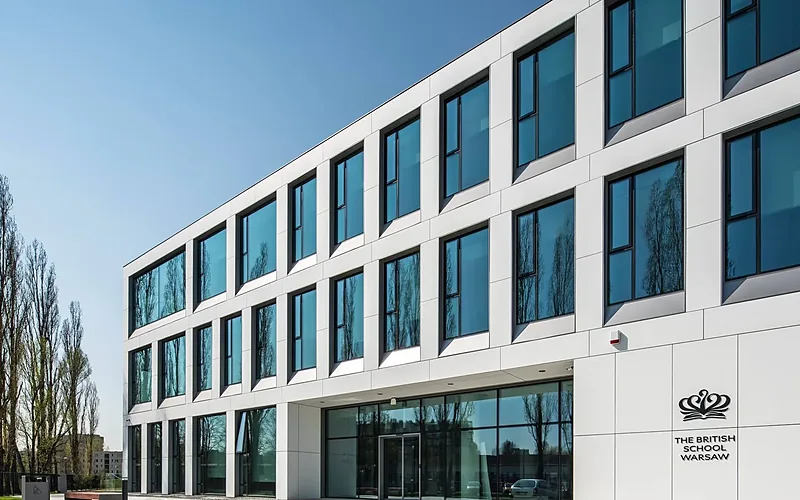
The British School Warsaw Model United Nations

Mar 20–22, 2026 Warsaw, Poland

The British School Warsaw Model United Nations

Conference

Warsaw, Poland·Europe

Mar 20–22, 2026

250 delegates expected

High school and university students

In English

How it went

4.15206 ratings from delegates
Academics
4.36
Logistics
3.80
Socials
4.30

About

Inspiring integrity in international relations

Dear prospective delegates and chairs! 

We are thrilled to announce the 15th edition of The British School Model United Nations organised by the students of The British School Warsaw Nord Anglia Education! 

We are a fresh, new secretariat who are dedicated, driven, innovative and zealous; we cannot wait to invite you to a unique experience that will be educational, enriching and entertaining. We will not meet your expectations; we will exceed them! 

TBSMUN has been praised for its outstanding performances time and time again, through both academically and top-rating. Our primary aim is to encourage the delegates to collaborate on resolving issues diplomatically, replicating the structure of the United Nations, developing crucial skills to engineer more peaceful and kinder world in the future. 

We are looking forward to greeting you in March to partake in this journey together!

You must be at least 14 years old to apply as a delegate!

You must be at least 16 years old to apply as a chairperson!

The delegate fee is non-refundable!


For any questions, please reach out to us on: tbsmun2026@thebritishschool.pl

Visit our social! https://www.instagram.com/tbs_mun/


Committees

  • 16 countries
    1. Discussing measures to enhance regional stability and cooperation in Northern South America with a focus on illegal trafficking, gang violence, and border disputes.
    • Wiktor Bobrowski
    • Nicolas Paul Plodzik
    • Igor Mazurkiewicz

    Security Council (UNSC)

    Expert · English · 16 countries

    Topic

    Discussing measures to enhance regional stability and cooperation in Northern South America with a focus on illegal trafficking, gang violence, and border disputes.

    About the committee

    Northern South America faces growing instability due to illegal trafficking, gang violence, and unresolved border disputes. Transnational criminal organizations exploit porous borders and weak institutions, fueling narcotics trafficking, arms smuggling, and human trafficking across the region. At the same time, territorial tensions most notably the ongoing Venezuela - Guyana Essequibo border dispute undermine trust and hinder regional cooperation. Economic crises, mass migration, and broader corruption have further strained governance and regional security, increasing humanitarian risks and cross-border crime. Strengthening cooperation through multilateral frameworks such as the United Nations, the Organisation of American States (OAS), and the Caribbean Community (CARICOM), is essential to improve border management, combat organized crime, and support peaceful dispute resolution. This topic challenges delegates to develop cooperative, lawful, and sustainable strategies to enhance regional stability while balancing security, sovereignty, and humanitarian concerns.

    Chairs

    Countries

    How this committee type works
  • 20 countries
    1. Addressing the social and humanitarian crisis in Gaza and Syria.
    • Julian Franco Janecki
    • Sebastian Heath
    • Adam Biały

    Economic and Social Council (ECOSOC)

    Beginner · English · 20 countries

    Topic

    Addressing the social and humanitarian crisis in Gaza and Syria.

    About the committee

    The crises in Gaza and Syria have affected roughly 20 million people, majority of them being in Syria, in need of humanitarian aid. In Gaza alone, around 55 thousand people have been killed, 127 thousand injured and over 650 thousand displaced. Additionally, all of Gaza’s population is facing IPC Phase 3 food insecurity, or below. In Syria, where the conflict has lasted for over 10 years and counting, over 7 million people have been internally displaced, with similar numbers living in neighbouring countries. Nearly 13 million people are facing severe lack of food and simple living conditions. During these conflicts alone, around 400 social workers have been killed as well. All of above has contributed to stapling the Gaza conflict and Syrian Crisis as some of the most impactful disasters of the 21st century.

    Chairs

    Countries

    How this committee type works
  • 20 countries
    1. Tackling the issue of illicit arms trade and small arms proliferation with an emphasis on the Sahel region.

    • Axel Myszko
    • Piotr Pokładek

    Disarmament and International Security Committee (DISEC)

    Intermediate · English · 20 countries

    Topic

    Tackling the issue of illicit arms trade and small arms proliferation with an emphasis on the Sahel region.

    About the committee

    The illicit trade of arms and the increase of their availability on the black market fuel turmoil and conflicts globally. In regions such as the Sahel region, militias and organizations of a similar nature thrive off of illegal weapon transactions, which allow them to carry out dangerous attacks and gain political leverage through aggression. This causes significant instability which often pours over borders, putting many countries at risk.

    Chairs

    Countries

    How this committee type works
  • 19 countries
    1. Expanding access to mental health and psychosocial support for conflict-affected and displaced populations.

    • Witold Cieśliński
    • Nina Mistygacz

    World Health Organization (WHO)

    Beginner · English · 19 countries

    Topic

    Expanding access to mental health and psychosocial support for conflict-affected and displaced populations.

    About the committee

    The global rise in armed conflict and forced displacement has played a significant strain on mental health systems globally, affecting populations exposed to violence and prolonged instability. Displaced individuals have limited access to care, with fragile and under-resourced national health systems. While humanitarian responses often prioritise immediate physical survival, mental health and psychosocial support remain insufficient.

    Chairs

    Countries

    How this committee type works
  • 21 countries
    1. Preventing child abuse within the context of sex tourism.

    • Nadia Chodnicka
    • Julia D'Arcy

    United Nations Children’s Fund (UNICEF)

    Beginner · English · 21 countries

    Topic

    Preventing child abuse within the context of sex tourism.

    About the committee

    Child abuse within the context of sex tourism is an increasing global concern that undermines the safety and rights of children worldwide. Efforts to prevent this issue aim to strengthen child protection systems, reduce vulnerability, and improve international cooperation. Evaluating these prevention strategies is essential to understand their effectiveness and their contribution to the protection of children.

    Chairs

    Countries

    How this committee type works
  • 20 countries
    1. Tackling the exploitation of women in surrogacy practices.
    • Alicia Dankowski
    • Gabriela Kowalczyk

    United Nations Entity for Gender Equality and the Empowerment of Women (UN Women)

    Beginner · English · 20 countries

    Topic

    Tackling the exploitation of women in surrogacy practices.

    About the committee

    Surrogacy, despite being a well-known practice and allowing infertile couples to have a child of their own, is a highly controversial and complex process due to varying policies across states which create legal loopholes, creating unsafe conditions for all parties involved in the procedure. The rise of "fertility tourism", especially in developing countries with little to no legal frameworks regarding surrogacy, has led to the rise of illegal surrogacy and adoption agencies, which often coerce vulnerable individuals into the practice without providing them with any sort of protection or healthcare, with extreme but not uncommon cases of women being forced into getting pregnant and kept in inhumane conditions. This topic aims to find solutions that would protect and prevent women from exploitation and make the practice of surrogacy safer for everyone involved, bearing in mind the differing legal frameworks and cultural differences in each state.

    Chairs

    Countries

    How this committee type works
  • 18 countries
    1. Strengthening international cooperation in combating cyberscams with an emphasis on Myanmar scam centres.

    • Stanisław Wadowski
    • Julia Drzewiecka

    United Nations Office on Drugs and Crime (UNODC)

    Intermediate · English · 18 countries

    Topic

    Strengthening international cooperation in combating cyberscams with an emphasis on Myanmar scam centres.

    About the committee

    In Myanmar (especially on the Thailand-Myanmar border) there are approximately 27 things called “Myanmar scam cities”. Those are closed and heavily guarded neighbourhoods, with limited acces, often surrounded by wired fences and supervised by armed guards. Those compounds earn money by scamming people online, especially in a form of romance scams and “pig butchering” investments. According to a report by the United Nations Office on Drugs and Crime, in 2023 Southeast Asian scam operations conned people in the wider region out of $37 billion. The workers of the scamming centers are mainly abducted and trafficked through Thailand or lured in by promises of finding well-paid jobs. In the compounds the workers, after being trained in fast typing, are given detailed scripts on how to bait their targets and are forced to send unsolicited messages to them. Some are advised to build a romantic rapport with the targeted person.

    Chairs

    Countries

    How this committee type works
  • 19 countries
    1. Assessing the role of technology in Transparent and Inclusive governance.
    • Blanka Sikora
    • Matsvei Pikula

    Commission on Science and Technology for Development (CSTD)

    Intermediate · English · 19 countries

    Topic

    Assessing the role of technology in Transparent and Inclusive governance.

    About the committee

    In the digital era, governments worldwide are adopting digital tools to improve transparency and public participation. Technology is transforming the way government agencies operate, deliver services and interact with citizens. Yet, many developing countries need support with capacity building and creating a digital infrastructure. The challenge lies in finding balance between addressing potential drawbacks and technological benefits.

    Chairs

    Countries

    How this committee type works
  • 18 countries
    1. Evaluating the Environmental Impacts of Lab-Grown Meat and Synthetic Food Production, with an emphasis on their implications for the Sustainable Development Goals.
    • Szymon Auda
    • Maja Dominiak

    United Nations Environment Programme (UNEP)

    Beginner · English · 18 countries

    Topic

    Evaluating the Environmental Impacts of Lab-Grown Meat and Synthetic Food Production, with an emphasis on their implications for the Sustainable Development Goals.

    About the committee

    Lab-grown meat and synthetic food production are emerging technologies that aim to provide sustainable alternatives to conventional animal agriculture. These innovations have the potential to reduce greenhouse gas emissions, land use, and water consumption, addressing some of the most pressing environmental challenges. Evaluating their environmental impacts is essential to understand how they contribute or potentially pose risks to the achievement of the Sustainable Development Goals.

    Chairs

    Countries

    How this committee type works
  • 16 countries
    1. Addressing harmful non-traditional spiritual movements.

    • Kornelia Kobierzewska
    • Wiktoria Nawrot

    Human Rights Council (HRC)

    Intermediate · English · 16 countries

    Topic

    Addressing harmful non-traditional spiritual movements.

    About the committee

    Article 18 of the Universal Declaration of Human Rights states the right to the freedom of thought, conscience and religion. However spiritual persuasion can be easily abused, witch results in the founding of groups that recruit individuals looking for purpose taking advantage of their situation. This results in mental abuse, manipulation and sometimes even mass suicide of said groups, usually referred to as cults. The committee will partake in efforts to limit the spread of spiritual groups causing physical and mental distress to individuals in a matter that shall safeguard article 18.

    Chairs

    Countries

    How this committee type works
  • 11 countries
    1. The Prosecutor v. Dominic Ongwen.
    • Lena Kamińska
    • Helli Tuff

    International Criminal Court (ICC)

    Expert · English · 11 countries

    Topic

    The Prosecutor v. Dominic Ongwen.

    About the committee

    This topic examines the International Criminal Court’s prosecution of Dominic Ongwen, a former commander of the Lord’s Resistance Army. He is being prosecuted for war crimes and crimes against humanity, that took place in northern Uganda. Participants will focus on Ongwen’s dual role as both a former child soldier and a senior perpetrator of serious crimes. The debate will address individual criminal responsibility, the prosecution of non-state actors, and the role of the ICC in delivering justice in post-conflict situations.

    Chairs

    Countries

    How this committee type works
  • 20 countries
    1. Addressing the Belgian crisis.
    • Franek Dela
    • Aleksandra Bronowska

    Future Security Council (FSC)

    Expert · English · 20 countries

    Topic

    Addressing the Belgian crisis.

    About the committee

    Following a major terrorist attack in Brussels, a pressured political arrangement results in a marriage linking the Belgian royal family to individuals associated with the terrorist organisation responsible for the attack. Shortly after, figures connected to the group gain de facto control over key state institutions, triggering a constitutional crisis and widespread instability. With EU and NATO operations in Brussels disrupted, the international community must confront the difficult situation of a terrorist organization gaining power within a sovereign state.

    Chairs

    Countries

    How this committee type works
  • 17 countries
    1. The topic shall be disclosed 24 hours before the conference begins.
    • Kalina Krupa
    • Ivory Skrzyniarz

    Crisis Committee (CC)

    Expert · English · 17 countries

    Topic

    The topic shall be disclosed 24 hours before the conference begins.

    About the committee

    A Crisis Committee is based on a fast paced and highly interactive format of debate which tackles a crisis created by the chairs. This committee centers around directives, which are rapid messages regarding delegate’s actions once the floor is open to directives. The Crisis Committee also features Crisis Updates, where designated people can interrupt the debates to inform the committee about new crisis developments. These updates alter the course of the debates, as the crisis committee operates in real-time, responding to ongoing events. Generally the Crisis Committee is a more relaxed format of debates in which the delegates can rapidly change the situation.

    Chairs

    Countries

    How this committee type works
  • 15 countries
    1. Settling Czechoslovakia’s territorial disputes with an emphasis on the Sudetenland conflict with Germany.
    • Kamil Strzelec
    • Hanna Idzikowska
    • Daniel Cal

    Munich Conference 1938 (HC)

    Expert · English · 15 countries

    Topic

    Settling Czechoslovakia’s territorial disputes with an emphasis on the Sudetenland conflict with Germany.

    About the committee

    In 1938, Europe faces the threat of war as demands of autonomy in Czechoslovak Sudetenland grow. As Germany demands these lands ceded, while Czechoslovakia quarrels with Poland and Hungary and struggles with Slovak nationalist movements, a conference is called in Munich to settle all of these disputes. To make the debates more interesting, this revised version of the conference will be enlarged to include more relevant actors.

    Chairs

    Countries

    How this committee type works

Past editions

  • 4editions since 2022
  • 4.27 average of 764 ratings
  • 4+in every rated edition

Partner conferences

TADMUN 2026

Warsaw, Poland

View conference
WawMUN 2025

Warsaw, Poland

View conference
EkoMUN 2025

Wrocław, Poland

View conference
PrusMUN 2026

Warsaw, Poland

View conference
AKAMUN 2026

Warsaw, Poland

View conference
IESMUN 2026

Warsaw, Poland

View conference
HoffMUN 2025

Warsaw, Poland

View conference
PozMUN 2026

Poznań, Poland

View conference
NEPMUN 2026

Gdańsk, Poland

View conference
QueenMUN 2026

Warsaw, Poland

View conference
VLOMUN 2026

Warsaw, Poland

View conference
TEVMUN 2026

Warsaw, Poland

View conference
ILSMUN 2025

Wrocław, Poland

View conference
StetiMUN 2025

Szczecin, Poland

View conference
POLMUN 2025

Warsaw, Poland

View conference
CASMUN 2026

Sopot, Poland

View conference
LALMUN 2026

Warsaw, Poland

View conference
TARMUN 2025

Tarnów, Poland

View conference
YESMUN 2026

Warsaw, Poland

View conference
GDNMUN 2026

Gdańsk, Poland

View conference
JagiMUN 2026

Kraków, Poland

View conference
PlocMUN 2026

Płock, Poland

View conference
MonMUN 2026

Warsaw, Poland

View conference
TARMUN 2026

Tarnów, Poland

View conference
IASMUN 2026

Warsaw, Poland

View conference
VisMUN 2026

Kraków, Poland

View conference

Organizers

Alejandro Sala Palacio
Deputy USG for Logistics

Anna Wachnik
Finance Team
Barbara Pokorska
President of the General Assembly
Hangere Park
USG for Finance
Jin Heng Li
Deputy Secretary General
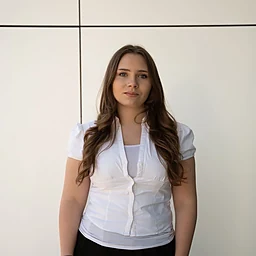
Olga Wojciechowska
USG for Logistics
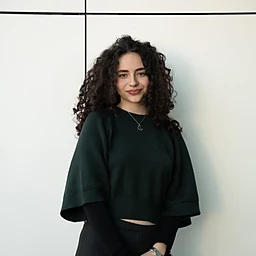
Sara Iervolino
USG for Human Resources
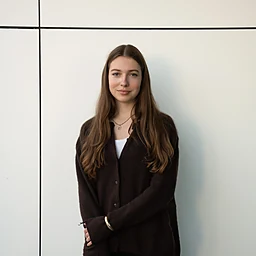
Saskya Fournier
USG for Public Relations

Viktoria Kiselova
USG for Marketing
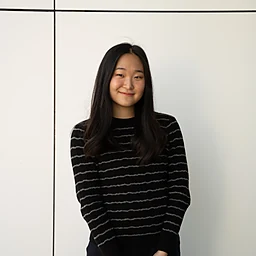
Yeonhwa Song
Secretary General

More MUN conferences

ConferencesPolandTBSMUN 2026