PozMUN 2026

Poznań Model United Nations

Jan 2–4, 2026 Poznań, Poland

Poznań Model United Nations

Conference

Poznań, Poland·Europe

Jan 2–4, 2026

300 delegates expected

High school and university students

In English

How it went

4.43191 ratings from delegates
Academics
4.66
Logistics
4.23
Socials
4.41

About

Diplomacy rooted in tradition

Welcome back!

The secretariat would like to warmly welcome you to the 10th Edition of Poznań Model United Nations, which will take place from January 2 to 4, 2026, at the magnificent Faculty of Law and Administration of the Adam Mickiewicz University in Poznań. Our MUN conference will be patronised again by the II High School of Poznań.  

Building on the tradition of this award-winning Conference and inspired by its unprecedented successes, we aim to revive the ultimate Model United Nations experience. 

To secure your spot at our conference and receive an assignment, after obtaining status, please make the delegate fee payment within two weeks or by December 17, 2025 (whichever is earlier), of being an “accepted” delegate through the mymun platform. The fee includes participation in the conference and the social event, as well as food during the conference and delegate gift packs. It does not cover accommodation. We kindly ask you not to place any payments before being accepted, as we cannot guarantee that all delegates' applications will be accepted. Unfortunately, we are not able to provide refunds.

Sincerely,

The Core Secretariat

This year, we will not be able to provide international delegates with Visa Invitation Letters.

The minimum age to attend our conference is 14 for delegates and chairpersons.

Committees

  • 15 countries
    1. Discussing potential amendments to Chapter V of the United Nations Charter, with an emphasis on the Group of Four, Uniting for Consensus, and Ezulwini Consensus movements.
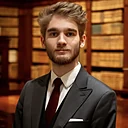
    • Jacek Pisarski
    • Franciszek Michał Tarnowski

    United Nations Security Council

    Expert · English · 15 countries

    Topic

    Discussing potential amendments to Chapter V of the United Nations Charter, with an emphasis on the Group of Four, Uniting for Consensus, and Ezulwini Consensus movements.

    About the committee

    The UN Charter is the principal international treaty regulating the work of the United Nations, and its fifth chapter outlines the rules about the most important UN body, that being, of course, the Security Council. The UNSC has long been facing criticism for its actions (or sometimes, the lack thereof), and the blame was usually put on the P5 veto power structure, which has been criticised by its opponents as outdated and ineffective. For that reason, a few proposals about the reform of the UNSC have been raised over the years, including the G4, which advocates for the inclusion of Germany, India, Brazil and Japan as new, permanent members; the Ezulwini Consensus, which advocates for two permanent spots for the African Union; and the Uniting for Consensus Movement, which is strongly against the addition of new permanent seats, and instead advocates for the addition of extra rotational ones. Now, the time has come for the UNSC to examine these proposals and see if this committee can amend the UN Charter without a veto concern.

    Chairs

    Countries

    How this committee type works
  • 12 countries
    1. The topic of this committee will be revealed 24 hours before the conference.
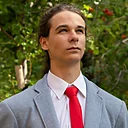
    • Filip Gmurkowski
    • Aleksander Montana

    Crisis Committee - Cabinet A

    Expert · English · 12 countries

    Topic

    The topic of this committee will be revealed 24 hours before the conference.
    About the committee

    The Crisis Committee (CC) is a dynamic and fast-paced body that responds to rapidly evolving scenarios, often rooted in historical or fictional contexts. It operates with flexible rules to allow for real-time decision-making, backroom negotiations, and individual character roles. The committee focuses on creative problem-solving under pressure, with events unfolding unpredictably through crisis updates. It emphasises adaptability, strategic thinking, and swift action in the face of constant change.

    Chairs

    Countries

    How this committee type works
  • 12 countries
    1. The topic of this committee will be revealed 24 hours before the conference.
    • Franek Kuberka
    • Szymon Paśko

    Crisis Committee - Cabinet B

    Expert · English · 12 countries

    Topic

    The topic of this committee will be revealed 24 hours before the conference.

    About the committee

    The Crisis Committee (CC) is a dynamic and fast-paced body that responds to rapidly evolving scenarios, often rooted in historical or fictional contexts. It operates with flexible rules to allow for real-time decision-making, backroom negotiations, and individual character roles. The committee focuses on creative problem-solving under pressure, with events unfolding unpredictably through crisis updates. It emphasises adaptability, strategic thinking, and swift action in the face of constant change.

    Chairs

    Countries

    How this committee type works
  • 20 countries
    1. Resolving intra-alliance conflicts in the Eastern Mediterranean.
    • Maksym Wysowski
    • Camille Dubno
    • Arkadiusz Dudka

    North Atlantic Treaty Organisation

    Intermediate · English · 20 countries

    Topic

    Resolving intra-alliance conflicts in the Eastern Mediterranean.

    About the committee

    The North Atlantic Treaty Organization (NATO) is a specialised simulation of the intergovernmental military alliance established for collective defense and strategic cooperation among its member states. It explores contemporary and emerging security challenges, including hybrid warfare, cyber threats, defense policy coordination, and global strategic stability. The committee retains the consensus-based decision-making structure of the real-world NATO, emphasising unity among members while navigating complex geopolitical tensions. Its focus is on safeguarding the freedom and security of its members through political dialogue, crisis management, and coordinated military readiness in an evolving international landscape.

    Chairs

    Countries

    How this committee type works
  • 20 countries
    1. Establishing international frameworks for the equitable, secure, and regulated integration of cryptocurrencies and blockchain technologies into the global economy.
    • Jakub Kłopocki
    • Maria Skupińska
    • Lena Sięka

    Economic and Social Council

    Intermediate · English · 20 countries

    Topic

    Establishing international frameworks for the equitable, secure, and regulated integration of cryptocurrencies and blockchain technologies into the global economy.

    About the committee

    In recent years, cryptocurrencies and blockchain technology have been developing very rapidly. This brings many opportunities as well as many challenges. Every year, more and more countries express their willingness to introduce common regulations to prevent fraud and money laundering using cryptocurrencies and blockchain technology. The goal is international cooperation to establish common standards and create a secure and transparent system.

    Chairs

    Countries

    How this committee type works
  • 20 countries
    1. Tackling ethical and welfare issues in animal-based sports and recreational activities.
    • Helli Tuff
    • Amelia Bysiek

    United Nations Convention on Animal Health and Protection

    Intermediate · English · 20 countries

    Topic

    Tackling ethical and welfare issues in animal-based sports and recreational activities.

    About the committee

    The legality of different animal-based sports varies worldwide. In many regions of the world, they are a part of local cultural traditions and generate significant economic activity, contributing to local economies. The debate surrounding the use of animals for human entertainment is based on ethical concerns, including animal stress, injury, or death, as well as the animals' lack of ability to consent and the harm to their well-being stemming from their removal from natural habitats. While some argue against the imposition of human desires on animals, others defend them, suggesting the animals are naturally inclined to perform these activities and that they should be preserved, provided they meet appropriate animal welfare standards.

    Chairs

    Countries

  • 20 countries
    1. Addressing modern psychological warfare, focusing on the tactics of sexual abuse as a coercive method.
    • Norbert Piotrowski
    • Aleksander Howley

    Disarmament and International Security Committee

    Intermediate · English · 20 countries

    Topic

    Addressing modern psychological warfare, focusing on the tactics of sexual abuse as a coercive method.

    About the committee

    DISEC, better known as the First Committee of the General Assembly, is responsible for tackling the affairs regarding international security and worldwide peace. This First Committee will be exploring different aspects of usage of sexual abuse as part of psychological campaigns that are used during war, including on civilian populations. Agenda of the committee forces creative solutions and careful examination of case studies around the world in order to produce a resolution that may offer a lasting solution to a problem that may only grow in magnitude going into the future.

    Chairs

    Countries

    How this committee type works
  • 20 countries
    1. Discussing the issue of child marriages with an emphasis on East Asian countries.
    • Cezary Dolny
    • Michał Hochuł-Kubica

    United Nations Entity for Gender Equality and the Empowerment of Women

    Beginner · English · 20 countries

    Topic

    Discussing the issue of child marriages with an emphasis on East Asian countries.

    About the committee

    Child marriages, with all the emphasis placed on combating their happening, still remain a pressing issue. The eastern Asian nations have one of the lowest age of consent level and have been struggling to take the issue for several years. The problem touches not only the cultural role of women in that part of the world but also religious aspects of marriage, especially in Muslim and Buddhist countries. The UNEGEEW (UN Women) will focus on Combating that issue with strong emphasis on the social and religious contexts and try to manage to bring the local prerequties together with western standards to which most of the south Asian countries try to adhere to with their marriage policy.

    Chairs

    Countries

    How this committee type works
  • 20 countries
    1. Tackling the Issue of Menstrual Seclusion in the Global South.
    • Emilia Stępień
    • Malwina Gil
    • Maria Tyczyńska

    World Health Organisation

    Beginner · English · 20 countries

    Topic

    Tackling the Issue of Menstrual Seclusion in the Global South.

    About the committee

    Across many regions of the Global South, menstruation continues to be surrounded by stigma, discrimination, and restrictive cultural practices. One of the most pervasive manifestations of this is menstrual seclusion, the isolation of menstruating individuals from their homes, communities, or places of worship due to beliefs that they are “impure” during their cycles. Practices such as Nepal’s chhaupadi, similar customs in parts of India, and forms of exclusion in sub-Saharan Africa and Latin America, have led to severe violations of human rights, including restrictions on education, work, health, and personal safety.

    Chairs

    Countries

    How this committee type works
  • 20 countries
    1. Tackling inequitable sharing of natural resource rights in post-colonial states.
    • Franciszek Jerzy Wincenty Basiński
    • Nicolas Paul Plodzik
    • Adam Biały

    Special Political and Decolonisation Committee

    Beginner · English · 20 countries

    Topic

    Tackling inequitable sharing of natural resource rights in post-colonial states.

    About the committee

    Ever since the period of time called decolonisation, the people of post-colonial states have supposedly had the power to make decisions over their own resources. That unfortunately has not proven to be true, as weak governing left by the colonisers, along with several other factors, has led to countries being pushed into unfair, unsustainable resource rights agreements, which hinder the progress of post-colonial states as a whole. Additionally, third-party actors have used this fact to exploit regions such as Africa and Latin America to gain wealth and influence. This year’s Special Political and Decolonisation Committee’s purpose is to find more causes and solutions to this occurrence.

    Chairs

    Countries

    How this committee type works
  • 20 countries
    1. Strengthening sustainable development in post-war-torn regions in Africa.
    • Borys Alexander Haras Cejrowski
    • Ivory Skrzyniarz
    • Franek Dela

    United Nations Development Programme

    Beginner · English · 20 countries

    Topic

    Strengthening sustainable development in post-war-torn regions in Africa.

    About the committee

    Africa, being the most war-torn continent on the planet, faces immense challenges to sustainable development. With many conflicts scattered across Africa, the continent is met with widespread destruction, displacement, and weakened institutions. The people of Africa struggle day and night in post-war-torn regions; they suffer from the lack of basic services, such as clean water, healthcare, and education. The United Nations Development Programme (UNDP) plays a crucial role in supporting post-war societies. The UNDP has many missions operating in Africa that serve the purpose of strengthening sustainable development; however, they have not been as successful as expected. This topic focuses on laying a foundation for the transformation from humanitarian aid to establishing sustainable development in post-war-torn regions in Africa.

    Chairs

    Countries

    How this committee type works
  • 20 countries
    1. Strengthening regional and international cooperation in response to the Venezuelan refugee crisis.
    • Iga Parkitna
    • Wiktoria Kaletka
    • Gabriela Kowalczyk

    United Nations High Commissioner for Refugees

    Beginner · English · 20 countries

    Topic

    Strengthening regional and international cooperation in response to the Venezuelan refugee crisis.

    About the committee

    Due to severe political, economic, and social crises, nearly 8 million Venezuelans have been forced to leave their country, mainly seeking safety in neighbouring Latin American and Caribbean countries. This has resulted in a massive humanitarian emergency. The lack of healthcare and led by poverty, hunger and inflation millions of people to leave, causing the largest displacement crisis in Latin America.

    Chairs

    Countries

    How this committee type works
  • 20 countries
    1. Strengthening regional frameworks against armed Non-State actors operating across Arab borders.
    • Marta Woźniak
    • Lena Scheuer
    • Aleksandra Sniezek

    League of Arab States

    Expert · English · 20 countries

    Topic

    Strengthening regional frameworks against armed Non-State actors operating across Arab borders.

    About the committee

    This topic focuses on enhancing regional cooperation among Arab states to address the growing threat of armed non-state actors operating across borders. It seeks to strengthen joint security frameworks to prevent the destabilising effects of transnational militias, terrorist groups, and illicit arms networks in the Arab region. It addresses issues unique to the Arab world, including regional conflicts, development, and collective diplomacy. The committee operates on the principles of sovereignty, mutual respect, and unified regional interests. Its discussions aim to promote stability and solidarity among member states in the Arab region.

    Chairs

    Countries

    How this committee type works
  • 20 countries
    1. 32 BBY: Addressing the Republic's growing dependence on intergalactic megacorporations in light of the Trade Federation's invasion on Naboo.
    • Robert Jaskiewicz
    • Bartosz Rosół
    • Patrick Anderson

    Galactic Senate

    Expert · English · 20 countries

    Topic

    32 BBY: Addressing the Republic's growing dependence on intergalactic megacorporations in light of the Trade Federation's invasion on Naboo.

    About the committee

    The Galactic Senate (GS) serves as the Republic’s main legislative body. The committee shall begin in 32 BBY, at the very moment the Republic gets notice that the Trade Federation has imposed a blockade on Naboo and has taken control over the planet. This invasion is considered the culmination of megacorporations’ growing influence over the Republic worlds, with so many sectors becoming entirely dependent on their trade laws. Senators must act quickly to resolve this crisis and successfully address this looming issue.

    Chairs

    Countries

    How this committee type works

Partner conferences
WawMUN 2025

Warsaw, Poland

View conference
ISoPMUN 2025

Poznań, Poland

View conference
PlocMUN 2025

Płock, Poland

View conference
StetiMUN 2025

Szczecin, Poland

View conference
TriMUN 2025

Gdynia, Poland

View conference
GDNMUN 2025

Gdańsk, Poland

View conference
LeleMUN 2025

Warsaw, Poland

View conference
Copernicus MUN 2025

Warsaw, Poland

View conference
NEPMUN 2025

Gdańsk, Poland

View conference
VLOMUN 2025

Warsaw, Poland

View conference
HoffMUN 2025

Warsaw, Poland

View conference
KATMUN 2025

Katowice, Poland

View conference
PrusMUN 2026

Warsaw, Poland

View conference
VLOMUN 2026

Warsaw, Poland

View conference
SilMUN 2026

Opole, Poland

View conference
WrocMUN 2025

Wrocław, Poland

View conference
POLMUN 2025

Warsaw, Poland

View conference
CEMUN 2026

Łódź, Poland

View conference
TBSMUN 2026

Warsaw, Poland

View conference
LUBMUN 2026

Lublin, Poland

View conference
CoMUN 2026

Warsaw, Poland

View conference
GDNMUN 2026

Gdańsk, Poland

View conference

Organizers

Amelia Kałużyńska
USG for Graphic Design and Photography

Emma Panczew
USG for Human Resources
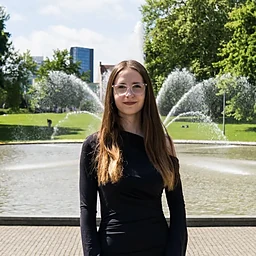
Gabriela Kaźmierczak
USG for Delegate Service
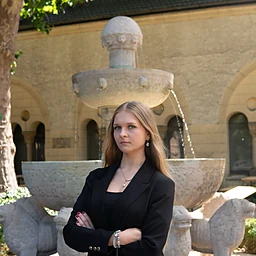
Hanna Bręczewska
Vice-President of the General Assembly
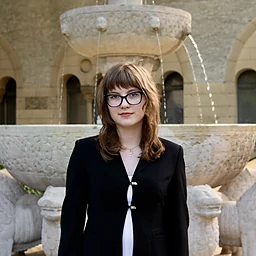
Janina Milejczak
President of the General Assembly

Kacper Cichocki
USG for Finance
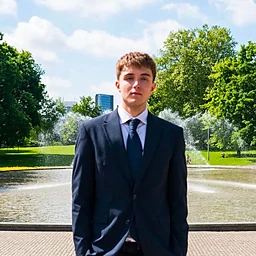
Leon Jęchorek
USG for Human Resources
Milena Skąpska
USG for Human Resources
Tim Serdiuk
USG for social media
Wiktoria Kaletka
USG for External Affairs
Wiktor Jastrzębowski
Deputy Secretary General
Zofia Pacześna
Director General
Zuzanna Gabrysz
USG for Social Media

Zuzanna Waliszewska
USG for Graphic Design

More MUN conferences

ConferencesPolandPozMUN 2026