NEPMUN 2026

Neptune Model United Nations

Mar 7–9, 2026 Gdańsk, Poland

Neptune Model United Nations

Conference

Gdańsk, Poland·Europe

Mar 7–9, 2026

130 delegates expected

High school students

In English

How it went

4.83121 ratings from delegates
Academics
4.74
Logistics
4.96
Socials
4.79

About

Neptune Model United Nations 2026

Dear prospective delegates and chairs,

We are more than happy to announce that Neptune Model United Nations is back with the second edition! The conference will take place between the 7th of March and the 9th of March 2026 in Gdańsk. The secretariat aims to make this conference a great opportunity for High School students to participate in an event which focuses on resolving key issues in the modern world. The organising team is going to ensure the best and the most memorable experience. Follow us on our social media accounts to stay in touch with us, and get the latest information about the conference.

We are looking forward to seeing you all on NEPMUN 2026!


Contact information:

E-mail address: nepmun2026@gmail.com

Instagram: @nepmun2026


Key information:

*You have to be at least 14 to attend this event.

*No refunding in any cases is possible.

*You must pay the delegate fee in order to receive an assignment.

*In order to take part in the conference, you must bring or send a signed consent form for the processing of personal data and participation in the conference. If you are underage, the form must be signed by your legal guardian.

Committees

  • 15 countries
    1. The situation in Sudan.
    • Tymon Snarski
    • Marika Chaber

    United Nations Security Council (UNSC)

    Expert · English · 15 countries

    Topic

    The situation in Sudan.

    About the committee

    The situation in Sudan has been a constantly changing matter, drastically decreasing in stability during recent months. What started as a conflict similar to those occurring in Africa since the unnatural division of the continent has now escalated into a regional dispute which must be addressed by the international community. Ambassadors will be tasked with finding realistic solutions, spanning from pressing, obvious aspects of the conflict, to those addressing the grassroot problems leading to what seems like an endless state of dispute in the nation.

    Chairs

    Countries

    How this committee type works
  • 22 countries
    1. Addressing the role of gateway companies in South-East Asian cyber scam networks.
    • Aleksander Cichoński
    • Daniel Cal

    United Nations Office on Drugs and Crime (UNODC)

    Intermediate · English · 22 countries

    Topic

    Addressing the role of gateway companies in South-East Asian cyber scam networks.

    About the committee

    Gateway companies, also known as shell companies, are legitimate-looking businesses which criminals use to cover activities, such as money laundering, embezzling and cyber scams. In South-East Asia, these companies act primarily to cover cyber scam networks on a huge scale. With the recent spread of these networks into South America and Europe, the UNODC has to adopt a unified framework to counter the topic at hand.

    Chairs

    Countries

    How this committee type works
  • 20 countries
    1. Addressing human rights violations in counter-terrorism operations, with an emphasis on enforced disappearances.

    • Marysia Gryglewska
    • Helli Tuff

    Human Rights Council (HRC)

    Beginner · English · 20 countries

    Topic

    Addressing human rights violations in counter-terrorism operations, with an emphasis on enforced disappearances.

    About the committee

    This matter talks of human rights violations perpetrated by counter-terrorism actions, namely enforced disappearances. It calls for the weighing of national security and global human rights standards and underlines accountability, openness, and justice for the victims. The committee will discuss how to combat terrorism while protecting human rights, focusing on preventing enforced disappearances and ensuring accountability.

    Chairs

    Countries

    How this committee type works
  • 21 countries
    1. Addressing the issue of incestous relationships and their harmful impact on women.

    • Axel Myszko
    • Ivory Skrzyniarz

    United Nations Entity for Gender Equality and the Empowerment of Women (UNW)

    Beginner · English · 21 countries

    Topic

    Addressing the issue of incestous relationships and their harmful impact on women.

    About the committee

    The issue of incest has been a global phenomenon since ancient times, persisting across cultures and generations despite the evolving social norms and legal systems. Yet still, incest is a common practice that has been proven to have major negative consequences. Incestuous relationships strongly affect women’s physical and mental health via miscarriages, social isolation, and trauma. In many communities, cultural taboos or the lack of education on the matter, makes incest a popular and acceptable practice. However, incestous relationships are not only an issue in the lesser developed counties but rather a worldwide problem. This makes incestous relationships an urgent problem for the United Nations Entity for Gender Equality and the Empowerment of Women that needs to be discussed immediately.

    Chairs

    Countries

    How this committee type works
  • 20 countries
    1. Addressing global inequities in the diagnosis and treatment of rare diseases.

    • Maria Tyczyńska
    • Gabriela Kowalczyk

    World Health Organisation (WHO)

    Beginner · English · 20 countries

    Topic

    Addressing global inequities in the diagnosis and treatment of rare diseases.

    About the committee

    Rare diseases, while individually uncommon, collectively affect over 300 million people worldwide, most of which begin in childhood and can lead to significant physical, emotional, and financial hardship. Despite their prevalence, patients often face years of delayed diagnosis, limited or unaffordable treatment options, and lack of specialized care. More than 80% of rare disease patients live in low and middle- income countries where health systems lack basic necessities such as expertise, diagnostic laboratories and essential medicines. Even in wealthier countries approved therapies and needed medicines are extremely expensive, making many patients unable to receive proper help and relief from their struggles and suffering. At a systemic level, inequities in rare disease care hinder countries’ ability to build resilient health systems and perpetuate cycles of inequality. Rare diseases are not only medical issues but a pressing matter of equity, economics, and human rights.

    Chairs

    Countries

    How this committee type works
  • 13 countries
    1. The constitutional convention of 1787: debating the structure of the United States.

    • Feliks Liberak
    • Leszek Wójcik
    • Natalia Monkiewicz

    Historical Committee (HC)

    Intermediate · English · 13 countries

    Topic

    The constitutional convention of 1787: debating the structure of the United States.

    About the committee

    It is the summer of 1787. Article of Confederation, seemingly a document aiming to make the United States of America a free, independent and prosperous country, has failed miserably, making the nation more chaotic, economically unstable and politically divided as ever before. It threatened to undo all the hard work put into the creation of it. Now, delegations of the 12 States have gathered in Philadelphia to create a new framework of government. One that can’t be abolished by tyranny, and in which freedom won’t turn into chaos. One that will balance liberty with safety of its citizens, and states’ rights with the whole nation’s goals. The objective of this committee is to determine whether it is truly possible, or will America, the newly born nation, become a short-lived dream of the few, that was not destined to last.

    Chairs

    Countries

    How this committee type works

Partner conferences

GDNMUN 2025
Gdańsk, Poland

View conference
PozMUN 2026

Poznań, Poland

View conference
TriMUN 2025

Gdynia, Poland

View conference
VLOMUN 2026

Warsaw, Poland

View conference
SilMUN 2026

Opole, Poland

View conference
IESMUN 2026

Warsaw, Poland

View conference
LUBMUN 2026

Lublin, Poland

View conference
CASMUN 2026

Sopot, Poland

View conference
CEMUN 2026

Łódź, Poland

View conference
TBSMUN 2026

Warsaw, Poland

View conference
POLMUN 2025

Warsaw, Poland

View conference
HoffMUN 2026

Warsaw, Poland

View conference
GDNMUN 2026

Gdańsk, Poland

View conference
VisMUN 2026

Kraków, Poland

View conference
CoMUN 2026

Warsaw, Poland

View conference

Organizers

Alicja Tabaro
Head of Public Relations
Antoni Banaszak
Director General
Ivo Cajzer
Head of Design
Jakub Gotalski
Head of Pages

Kornel Pietrewicz
Head of Supplies
Lena Kamińska
President of the General Assembly
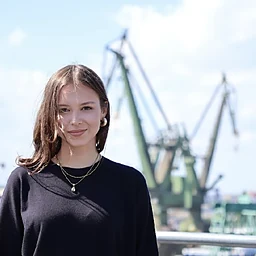
Maja Dominiak
Secretary General
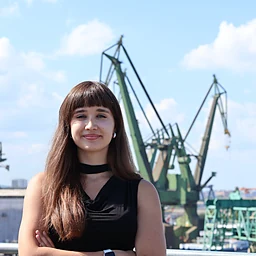
Matylda Krawczykowska
Head of Logistics
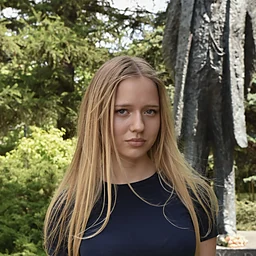
Nina Mistygacz
President of the General Assembly
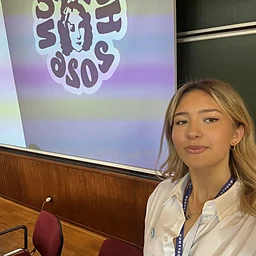
Oliwia Trześniewska
Head of Marketing

Witold Cieśliński
Deputy Secretary General & Head of IT
Zuzanna Karolak
Head of Finance

More MUN conferences

ConferencesPolandNEPMUN 2026