JagiMUN 2026

Jagiellonian University International Model United Nations

May 8–10, 2026 Kraków, Poland

Jagiellonian University International Model United Nations

Conference

Kraków, Poland·Europe

May 8–10, 2026

100 delegates expected

High school and university students

In English

How it went

4.1783 ratings from delegates
Academics
4.28
Logistics
3.89
Socials
4.34

About

Reshape old treaties, Rebuild policy foundations, and Rethink broken rules.

Where History Breathes and Future Leaders Rise

Welcome to JagiMUN 2026

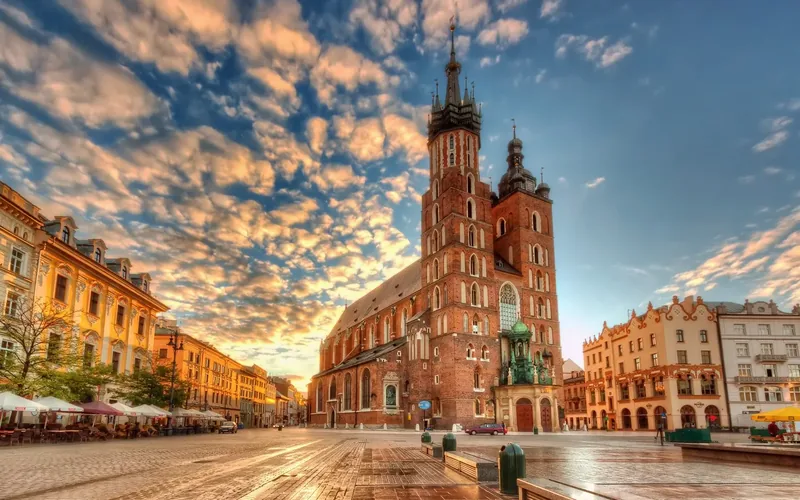
Kraków is a place where people once changed how we understand the world.
Now it is your turn to change how we deal with it.

At JagiMUN 2026 you will not just learn diplomacy, you will actually do it. You will negotiate, disagree, improvise, and try to reach solutions that real countries would accept.

JagiMUN 2026 is organized by the Association of International and Area Studies at Jagiellonian University, the oldest university in Poland and one of the most prestigious in Central Europe.

JagiMUN 2026 offers committees for all experience levels. Beginners can join UNHRC, ECOSOC or UNODC. Intermediate delegates can participate in DISEC, UNOOSA. Experienced participants can take part in the Crisis Committee or the United Nations Security Council.

Participation Fees

Chairs do not pay a participation fee.

Early Bird (Delegate / Head Delegate / Faculty Advisor/) 
04 March to 22 March: 195 PLN

UJ Students: 80 PLN

Regular Fee (Delegate / Head Delegate / Faculty Advisor/)
After 22 March: 250 PLN

UJ Students: 115 PLN

Observers Fee: 150 PLN

Eligibility

Delegates must be at least 14 years old
Chairpersons must be at least 16 years old

Dress Code
Western Business Attire is required (suits, ties, formal trousers or skirts).
Jeans, shorts, short skirts, short dresses, and casual wear are not allowed.
Formal traditional cultural attire is welcome.

Important Payment Information

Wait for acceptance. Do not pay until you are officially accepted.
Payment deadline is within 7 days after acceptance
Committee positions are confirmed only after payment and fees are non-refundable.

UJ Students must submit a photo of their Student ID to be able to benefit of the discount, once we received it we will send a code you can use during the payment process.

See you in Kraków!

Committees

  • 17 countries
    1. Addressing Threats to Maritime Security in the Gulf of Aden and the Horn of Africa

    • Nazarii Pomohaibo
    • Artemii Boborykin

    United Nations Security Council

    Expert · English · 17 countries

    Topic

    Addressing Threats to Maritime Security in the Gulf of Aden and the Horn of Africa

    Chairs

    Countries

    How this committee type works
  • 10 countries
    1. The topic will be revealed 48 hours before the committee session begins.
    • Piotr Nitoń
    • Camden Hugo
    • Stepanyda Lavrusenko

    Crisis Committee

    Expert · English · 10 countries

    Topic

    The topic will be revealed 48 hours before the committee session begins.

    About the committee

    Model UN Crisis committee is a challenging committee style that bring together speech-making, moderated caucuses and resolutions into a fast-paced dynamic environment that includes crisis updates and an entire team of ‘Crisis Staffers’ to help bring secret agendas to life.

    Chairs

    Countries

    How this committee type works
  • 15 countries
    1. Strengthening Global Frameworks for the Protection of Children and Vulnerable Laborers against Systemic Exploitation in Supply Chains.
    • Blanka Sikora
    • Borys Subotenko
    • Julia Bruzik

    United Nations Human Rights Council (UNHRC)

    Beginner · English · 15 countries

    Topic

    Strengthening Global Frameworks for the Protection of Children and Vulnerable Laborers against Systemic Exploitation in Supply Chains.

    About the committee

    Global supply chains are the driving forces of the modern economy as they connect parts of the production and consumption. However, if you look slightly deeper into the production process behind everyday products you may find something concerning: many countries exploit children and adults as a labour force. The abusive practices flourish in most of the parts of the world where labor protection is ineffective and poverty is typically hidden within the complexities of global supply. This committee will investigate the difficulties involved in safeguarding vulnerable workers from systemic exploitation within supply chains. The delegates will explore the effectiveness of existing international frameworks, corporate responsibility, and monitoring and enforcement exchange, and identify workable global solutions, which will amplify security and protection without undermining economic development and trade.

    Chairs

    Countries

    How this committee type works
  • 15 countries
    1. Addressing the Issues of Global Sex Trafficking Syndicates with an Emphasis on Influential Actors
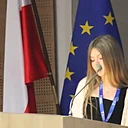
    • Oliwia Rymanowska
    • Emilia Michalek

    UN Office on Drugs and Crime (UNODC)

    Beginner · English · 15 countries

    Topic

    Addressing the Issues of Global Sex Trafficking Syndicates with an Emphasis on Influential Actors

    About the committee

    The United Nations Office on Drugs and Crime will address the challenges posed by global sex trafficking and powerful networks that sustain it. These operations are often protected by influential individuals who exploit political or social power to avoid justice. Such activities have severe consequences for human rights and international security. Delegates will focus on prevention, law enforcement cooperation, protection of victims, and strengthening international frameworks to combat organized crime. This committee is designed to introduce delegates to UNODC’s mandate while encouraging practical, solution-oriented debate.

    Chairs

    Countries

    How this committee type works
  • 16 countries
    1. Adressing the issue of artificial inteligence used in warfare and developing legal framework for its use during conflicts
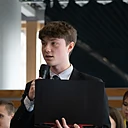
    • Cyprian Grabowski
    • Łukasz Szymański

    Disarmament and International Security Committee (DISEC)

    Intermediate · English · 16 countries

    Topic

    Adressing the issue of artificial inteligence used in warfare and developing legal framework for its use during conflicts

    About the committee

    The DISEC Committee was officially the First Committee of the United Nations established in 1945. Its mission is to adress the issues of global stability and peace, with an emphasize on disarmament and threats to international security and order. The Committee focuses on 7 thematic clusters such as: nuclear weapons, other weapons of mass destruction, disarmament aspects of outer space, conventional weapons, regional disarmament and security, disarmament machinery and other disarmaments in general. As the technology development advances and warfare becomes more and more dependent on the tools never seen in the history of wars, DISEC Committee's aim is to inspect the role of artificial intelligence in modern warfare. UN resolutions (79/239 and 79/62) expressed its concern for AI used in military aplications and recognized it as Lethal Autonomous Weapons Systems (LAWS). The report (A/80/78) from July 2025 stressed main characteristics of its presence in the military domain. Since binding legal agreements are none, UN-wide concensus is to answer immidiately for growing need for regulation of this new-born branch of war

    Chairs

    Countries

    How this committee type works
  • 16 countries
    1. Strengthening International Space Law in Areas of Extraterrestrial Colonization and Space Resource Extraction with an Emphasis on Private Entities.

    • Maciej Wierzelewski
    • Jan Krzywoń

    United Nations Office for Outer Space Affairs (UNOOSA)

    Intermediate · English · 16 countries

    Topic

    Strengthening International Space Law in Areas of Extraterrestrial Colonization and Space Resource Extraction with an Emphasis on Private Entities.

    About the committee

    In 1961, the first human entered space, marking a new era of technical and strategic competition for who gets to benefit from space use the most. Nowadays, space exploration is rapidly evolving, with a large part of the advancements being accomplished by entities in the private sector. Currently, existing laws poorly regulate extraterrestrial colonization and space resource extraction, and even though these are issues of the future for now, they will soon become very real. During the proceedings of the United Nations Office on Outer Space Affairs Delegates will discuss issues such as the ownership of space resources, responsibility of private entities for space activity, and national appropriation of extraterrestrial terrain. This committee aims to provide new legal frameworks safeguarding space from further exploitation, and maintaining it as a common good for all nations to benefit from.

    Chairs

    Countries

  • 15 countries
    1. Ensuring Accessibility to Essential Medicines in Developing Countries
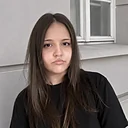
    • Emily Dziura
    • Milena Gondek

    Economic and Social Council (ECOSOC)

    Beginner · English · 15 countries

    Topic

    Ensuring Accessibility to Essential Medicines in Developing Countries

    About the committee

    The situation of developing countries that lack essential medicines is one of the biggest challenges facing the global healthcare sector today. According to WHO, almost 2 billion people across the globe lack regular access to essential medicines. These include high costs, healthcare systems, patents, and distribution networks, which hinder millions of people from accessing any form of life-saving medication. These obstacles affect certain groups disproportionately and result in deaths arising from diseases that could otherwise be treated. Addressing this challenge requires better cooperation between countries and better healthcare systems. It is also essential to implement policies that aim to make medicines more accessible and affordable to everyone.

    Chairs

    Countries

    How this committee type works

Partner conferences
PrusMUN 2026

Warsaw, Poland

View conference
IESMUN 2026

Warsaw, Poland

View conference
BrusselsMUN International 2026

Brussels, Belgium

View conference
BrumMUN 2026

Birmingham, United Kingdom

View conference
CAUMUN-WIC 2025

Tbilisi, Georgia

View conference
YESMUN 2026

Warsaw, Poland

View conference
LUBMUN 2026

Lublin, Poland

View conference
StetiMUN 2026

Szczecin, Poland

View conference
TBSMUN 2026

Warsaw, Poland

View conference
QueenMUN 2026

Warsaw, Poland

View conference
CAAMUN 2026

Cali, Colombia

View conference
PlocMUN 2026

Płock, Poland

View conference
TEVMUN 2026

Warsaw, Poland

View conference
TARMUN 2026

Tarnów, Poland

View conference
LSEMUN 2026

London, United Kingdom

View conference
RaszMUN 2026

Warsaw, Poland

View conference
BiaMUN 2027

Białystok, Poland

View conference
IASMUN 2026

Warsaw, Poland

View conference
MUNIMUN 2026

Brno, Czech Republic

View conference
KOCHMUN 2027

Warsaw, Poland

View conference
IESMUN 2027

Warsaw, Poland

View conference
BayernMUN - MUN in the heart of Europe 2027

Nuremberg, Germany

View conference

Organizers

Anastasiia Vakulich
USG for Delegate Services & Staff
Ania Maby
Vice President of General Assembly

Anna Waligóra
USG for Finance

Arely Nahomy Sada Villalobos
President of General Assembly

Giorgi Vachandze
Deputy Secretary-General

Jury Yaroup
Secretary General
Sofiia Kholiavko
USG for Public Relations

Utku Taskin
Director General

More MUN conferences

ConferencesPolandJagiMUN 2026