MUNIMUN 2026

Masaryk University MUN

Apr 10–12, 2026 Brno, Czech Republic

Masaryk University MUN

Conference

Apr 10–12, 2026

High school and university students

In English

About

Lead, Think, Be Inspired

Registration is now open!

Register Now On Our Website!
 

Experience the excitement of diplomacy at MUNI MUN 2026, a three-day simulation where students tackle global issues, develop critical thinking, and enhance leadership skills. Now in its fourth edition, this vibrant event welcomes participants from Masaryk University, other institutions, and high school students with two dedicated committees to guide them. Combining formal debates with dynamic, interactive learning, MUNI MUN offers the chance to engage with professionals in international relations, explore the Faculty of Social Studies, and connect with like-minded peers. With prizes, MUNI merch, and a platform for meaningful collaboration, this is your opportunity to shape solutions and be part of something bigger.

Committees

  • 15 countries
    1. De-Escalating Tensions in the South China Sea: Ensuring Freedom of Navigation and Regional Security
    2. Venezuela - US Drug Cartels and Maduro Involvement in a Transnational Crime Network

    UNSC

    Expert · English · 15 countries

    Topics

    1. De-Escalating Tensions in the South China Sea: Ensuring Freedom of Navigation and Regional Security
    2. Venezuela - US Drug Cartels and Maduro Involvement in a Transnational Crime Network

    About the committee

    The United Nations Security Council is responsible for maintaining and protecting international peace and security. It serves as one of the central decision-making bodies of the UN, with 15 members, each of whom is obligated under the UN Charter to comply with the Council's final decisions, setting it apart from other UN organs. The five permanent members exercising veto power include: China, France, Russia, the United Kingdom, and the United States. The Security Council has four main purposes: “to maintain international peace and security; to develop friendly relations among nations; to cooperate in solving international problems and in promoting respect for human rights; and to be a centre for harmonizing the actions of nations”. The Council deals with a range of issues, including armed conflicts, civil wars, terrorism, nuclear proliferation, humanitarian crises, and violations of international law, ultimately seeking to reduce violence, protect civilians, and support conditions for international political stability. The United Nations Security Council is responsible for maintaining and protecting international peace and security. It serves as one of the central decision-making bodies of the UN, with 15 members, each of whom is obligated under the UN Charter to comply with the Council's final decisions, setting it apart from other UN organs. The five permanent members exercising veto power include: China, France, Russia, the United Kingdom, and the United States. The Security Council has four main purposes: “to maintain international peace and security; to develop friendly relations among nations; to cooperate in solving international problems and in promoting respect for human rights; and to be a centre for harmonizing the actions of nations”. The Council deals with a range of issues, including armed conflicts, civil wars, terrorism, nuclear proliferation, humanitarian crises, and violations of international law, ultimately seeking to reduce violence, protect civilians, and support conditions for international political stability. When complaints concerning threats to peace are brought before the Council, the Council's initial action is typically to support the involved parties in resolving the conflict peacefully. If unsuccessful, the Council may impose ceasefire directives or implement peacekeeping missions. In more severe cases, the UNSC can resort to imposing economic sanctions, arms embargoes, severing diplomatic relations, or even collective military action. Agenda Topics Topic A: De-Escalating Tensions in the South China Sea: Ensuring Freedom of Navigation and Regional Security The South China Sea is one of the most strategically significant and contested maritime regions in the world, involving overlapping territorial and maritime claims by China, Taiwan, the Philippines, Malaysia, Japan, Vietnam, and Brunei. Disputes over reefs, islands, and maritime boundaries have intensified in recent years, particularly following China’s construction and militarization of artificial islands. These developments have raised serious questions about international maritime law, including whether man-made features can generate Exclusive Economic Zones and how existing legal frameworks should be interpreted and enforced. The urgency of this issue lies in the increasing frequency and assertiveness of naval and coast guard encounters, which significantly heighten the risk of miscalculation or unintended escalation. At the same time, the South China Sea serves as a critical artery for global trade, with trillions of dollars’ worth of goods passing through its waters annually. Any disruption to freedom of navigation would carry far-reaching economic and security consequences well beyond the region. This topic is particularly well-suited to the Security Council, as it directly engages with questions of international peace and security, legal norms, and regional stability. Delegates will be challenged to balance deterrence and diplomacy, manage great power competition, and explore mechanisms for de-escalation and confidence-building in a highly sensitive geopolitical environment. The topic also connects clearly to SDG 16 and SDG 14, encouraging discussions on peaceful conflict resolution, strong international institutions, and the sustainable use of shared global spaces. Topic B: Venezuela - US Drug Cartels and Maduro Involvement in a Transnational Crime Network Transnational drug trafficking between Latin America and the United States remains a major international security concern, with Venezuela frequently identified as a key transit point for illicit flows. Economic collapse, institutional fragility, and geographic location have contributed to the expansion of organized criminal networks operating across borders. In response, the United States has pursued a range of unilateral measures aimed at combating transnational crime linked to Venezuela, raising fundamental questions about the legality and legitimacy of cross-border enforcement actions without the consent of the territorial state. The relevance of this topic lies in the tension between two core principles of the international system: the need to combat transnational criminal threats and the obligation to respect state sovereignty. While drug trafficking fuels violence, corruption, public health crises, and regional instability, enforcement measures that bypass national authorities generate controversy over international law, jurisdiction, accountability, and the appropriate limits of external intervention. Disagreements persist over evidence standards, sanctions, extraterritorial prosecutions, and whether such actions enhance security or further destabilize fragile political environments. This topic falls squarely within the mandate of the Security Council, as it addresses international peace and security in the context of cross-border crime and contested enforcement practices. Delegates will be challenged to assess the legitimacy of unilateral actions, balance sovereignty against collective security concerns, and explore multilateral alternatives for addressing transnational criminal networks. With implications extending beyond Venezuela and the United States, the debate directly engages SDG 16 and SDG 3, encouraging discussion on rule of law, governance, and international responsibility.

    Countries

    How this committee type works
    1. Strengthening International Laws to Prevent Cyber Warfare
    2. Defining and Reforming Immunity for State Officials in International Law

    GA-6 Legal

    Expert · English

    Topics

    1. Strengthening International Laws to Prevent Cyber Warfare
    2. Defining and Reforming Immunity for State Officials in International Law

    About the committee

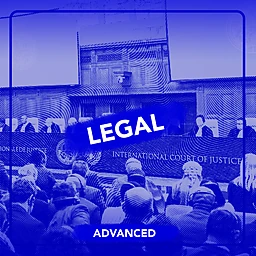
    One of the six primary committees of the UN General Assembly is the Sixth Committee, frequently referred to as the Legal Committee. It is the primary platform within the United Nations for discussing legal matters that affect the international community. As part of the General Assembly, it is not considered a treaty-monitoring tool but rather a political body, and participation in its operations is allowed for all Member States. Examining issues pertaining to international law and working toward the advancement and standardization of legal standards are the committee’s primary responsibilities. Taking into account concerns about the interpretation and application of international law, it considers reports from the International Law Commission and discusses the legal elements of issues that other UN bodies have addressed. Additionally, the Sixth Committee participates in the development of international declarations and conventions that the General Assembly may eventually adopt. The issues addressed by the committee include international criminal justice, state accountability, diplomatic relations, the peaceful resolution of disputes, and legislative methods for addressing transnational challenges, such as terrorism. Through its work on strengthening international legal frameworks and promoting the rule of law, the committee indirectly contributes to sustainable development, which supports stable institutions and predictable legal environments that encourage global social and economic progress. Agenda Topics Topic A: Strenghtening International Laws to Prevent Cyber Warfare As digital technologies become increasingly integrated into every aspect of modern society, cyberspace has emerged as a new and contested domain. States now heavily rely on digital infrastructure, from public information systems to national defence. Governments are not the only ones operating in a digital world however. People all across the world are interacting with the online world more and more every day. This rise in global digitalisation makes cyber operations a powerful tool with the potential to cause widespread disruption across borders and economic sectors. Despite the growing threat posed by cyber warfare, including cyber espionage, attacks on critical infrastructure, and interference in political processes, international law has struggled to keep pace with rapid technological advancements. Existing legal frameworks, such as the UN Charter, were not designed with cyberspace in mind. This has led to legal ambiguity over issues of responsibility, proportionality, and the threshold at which a cyber operation may be equivalent to an armed attack. This topic calls on delegates to assess the adequacy of current international legal norms governing malicious behaviour in cyberspace. Key questions delegates will have to tackle will include how to prevent escalation and protect critical infrastructure all the while ensuring respect for state sovereignty. Topic B: Defining and Reforming Immunity for State Officials in International Law The principle of immunity for state officials has long been a cornerstone of international law, designed to protect sovereign equality, ensure diplomatic stability, and allow states to conduct international relations without interference. However, the evolving international legal order has increasingly challenged the scope and legitimacy of such immunities. The rise of international criminal law, the establishment of international tribunals, and the growing emphasis on accountability for grave crimes, such as genocide, crimes against humanity, and war crimes, have exposed tensions between state sovereignty and the pursuit of justice. High-profile cases before international and domestic courts have raised critical questions about whether immunity should apply in cases involving serious violations of international law. This topic invites delegates to examine the legal foundations of state official immunity, including personal and functional immunity, and their application in both national and international jurisdictions. Delegates will explore existing legal frameworks, state practice, and judicial precedents, while considering proposals for reform that balance respect for sovereignty with the need for accountability, human rights protection, and the rule of law.

    Countries

    How this committee type works
    1. Security Guarantees on the Korean Peninsula
    2. Nuclear Regulations and Security Guarantees between Iran and Pakistan

    DISEC

    Intermediate · English

    Topics

    1. Security Guarantees on the Korean Peninsula
    2. Nuclear Regulations and Security Guarantees between Iran and Pakistan

    About the committee

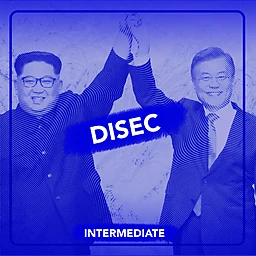
    The Disarmament and International Security Committee (DISEC) is the first committee of the United Nations General Assembly. It serves as a central forum for addressing global challenges related to international peace and security. Every UN member is represented in DISEC, which makes it a uniquely suited body for multilateral dialogue on security issues. DISEC focuses on disarmament, arms control, and the regulation of military activities that are actively or potentially threatening international stability. Addressing both conventional and unconventional weapons, including nuclear arms, emerging technologies, and confidence-building measures aimed at preventing conflict. DISEC also engages in questions of regional security, military transparency and communication, as well as risks presented through miscalculation and escalation between states. Whilst DISEC does not hold official enforcement capabilities, it does play a major role in shaping international norms and promoting cooperation. Through dialogue, it recommends frameworks that aim to support conflict prevention and peaceful resolutions. By recognizing the importance of long-term peace, strong institutions, and international cooperation, the committee indirectly works to influence both social and economic progress, seeking to reduce security threats that undermine global stability and human development through negotiation and dialogue. Agenda Topics Topic A: Security Guarantees on the Korean Peninsula Security guarantees on the Korean Peninsula aim to reduce long-standing political tensions and the risk of armed conflict between the Democratic People’s Republic of Korea and the Republic of Korea. The issue has become increasingly relevant due to recurring missile tests, the DPRK’s nuclear capabilities, and the absence of a formal peace treaty ending the Korean War of 1950-1953. These present persistent instability and insecurity, supported by the involvement of major powers. Efforts to deliver peace and stability on the peninsula have been ongoing over time, yet the progress has remained limited. Key challenges include mutual mistrust, concerns over transparency, and differing perceptions of security threats. It is also important to realise the role of deterrence, military alliances, and the interaction between security guarantees and nuclear non-proliferation. Instability on the Korean Peninsula invokes security concerns not only in Asia but across the world. As a UN body responsible for addressing disarmament, arms control, and conflict prevention, the DISEC provides an inclusive forum to deliver security guarantees, confidence-building, and international peace and security. Accordingly, this topic falls under SDG 16, which requires the promotion of peaceful, just, and inclusive societies. Topic B: Nuclear Regulations and Security Guarantees between Iran and Pakistan Considering Iran’s nuclear program and Pakistan’s status as a nuclear-armed state, nuclear regulations and security guarantees in South Asia and the Middle East remain a significant concern for international peace. Although the two states differ in legal commitments and strategic interests, geographic proximity and overlapping spheres of influence create colliding security considerations that demand international attention. Iran’s nuclear policies have long been subject to international scrutiny, with recurring debates regarding compliance, transparency, and the effectiveness of existing regulatory frameworks. Pakistan’s developed nuclear arsenal, maintained outside the Nuclear Non-Proliferation Treaty (NPT), similarly raises concerns regarding safeguards and regional stability. In the absence of mutual regulatory mechanisms or formal security guarantees, both states contribute to heightened regional uncertainty. As this issue directly involves nuclear non-proliferation and confidence-building measures, it is particularly relevant to DISEC. Preventing escalation between states linked to weapons of mass destruction carries consequences that extend beyond regional borders. The topic highlights broader international debates over equity in nuclear governance and the limits of global oversight. Addressing security challenges in regions defined by persistent tensions and global implications remains critical to DISEC’s mandate to promote peace and stability.

    Countries

    How this committee type works
    1. Regulating Digital Currencies and Preventing Illicit Financial Flows
    2. EU Economic Dependency on the United States and Strategic Autonomy

    ECOFIN

    Intermediate · English

    Topics

    1. Regulating Digital Currencies and Preventing Illicit Financial Flows
    2. EU Economic Dependency on the United States and Strategic Autonomy

    About the committee

    The Economic and Financial Affairs Council (ECOFIN) is part of the Council of the European Union and brings together the finance and economy ministers of all EU member states. Within the EU system, ECOFIN acts as a main forum for discussing and coordinating economic and financial policies. It works under EU treaties and cooperates closely with institutions such as the European Commission and the European Central Bank to support economic stability and long-term growth in the European Union. ECOFIN’s main responsibilities include coordinating national economic policies, supervising public finances, and developing rules for financial markets. The committee also deals with taxation, movement of capital, and economic coordination between member states. In addition, ECOFIN plays an important role in managing economic crises and improving transparency and trust in the EU’s financial system. The committee addresses issues such as macroeconomic coordination, financial crime, market regulation, and the digital transformation of finance. Through its work, ECOFIN supports sustainable and inclusive economic development, helps reduce financial risks, and strengthens economic institutions. Agenda Topics Topic A: Regulating Digital currencies and Preventing Illicit Financial Flows Digital currencies, including cryptocurrencies and other blockchain-based financial tools, are becoming an increasingly important part of the global financial system. They are now used for payments, investments, and cross-border transfers, often outside traditional banking structures. While these technologies can improve efficiency and expand access to financial services, their rapid growth has also created new risks for financial regulation and oversight. Because digital transactions can move quickly across borders, existing regulatory systems often struggle to keep pace. One of the main challenges is the uneven regulation of digital currencies across countries. Differences in national laws make international monitoring difficult, especially when transactions are anonymous or use decentralized platforms. This has raised concerns about the use of digital currencies for money laundering, terrorist financing, tax evasion, and the circumvention of financial sanctions. At the same time, ongoing debates highlight tensions between encouraging innovation, protecting user privacy, and maintaining effective financial supervision. This issue is particularly relevant to ECOFIN, given its role in coordinating financial regulation within the European Union and protecting the stability and integrity of financial markets. Addressing risks linked to digital currencies is closely connected to sustainable economic growth, strong institutions, and the reduction of illicit financial activity. Topic B: EU Economic Dependency on the United States and Strategic Autonomy For a long time, the European Union has maintained strong economic ties with the United States through trade, financial markets, investments, technology cooperation, and monetary relations. So far, such interdependence has brought gains in economic growth and stability for both sides. However, recent events, including supply chain disruptions, geopolitical tensions, sanctions policies, and shifts in U.S. economic priorities increasingly raised concerns about the level of dependency the EU has on the U.S. and its capacity to act as an independent actor. As economic decisions have a direct impact on security and foreign policy, the issue has gained renewed urgency in current times. Key challenges revolve around the principle of how to balance the benefits of a deep cooperation with the concerns over economic resilience and economic and policy autonomy. Discussions at the ECOFIN level involve issues such as reliance on external financial infrastructures, exposure to external shocks, and the different positions on risk and competitiveness. There is a tension between how to make the EU’s economic and financial capacity stronger while still remaining open and having a rule-based international economic system. The topic is of particular interest to ECOFIN given its role in coordinating economic policy, financial regulation, and fiscal governance within the European Union. Moreover, the EU-U.S. economic relationship has global implications for financial stability, trade, and multilateral cooperation.

    Countries

    How this committee type works
    1. Combating Global Terrorism through International Cooperation
    2. Strengthening Law Enforcement Networks to Fight Transnational Crime​

    INTERPOL

    Intermediate · English

    Topics

    1. Combating Global Terrorism through International Cooperation
    2. Strengthening Law Enforcement Networks to Fight Transnational Crime​

    About the committee

    The International Criminal Police Organization (INTERPOL) is an organization that brings together police services to combat crime at the global level through the use of secure databases, investigative support, and training. Its headquarters are located in Lyon, France, and its work is carried out through a network of National Central Bureaus (NCBs) in each member country. Currently, INTERPOL comprises 196 member states, where cooperation occurs in accordance with national legislation and with full respect for state sovereignty. It operates in a way that enables police forces worldwide to cooperate effectively in addressing terrorism, cybercrime, and organized crime, responding to challenges posed by offenses that increasingly cross both physical and virtual borders. The organization provides law enforcement agencies with a high-tech infrastructure for technical and operational support, covering virtually all types of crime, including crimes against humanity, child sexual exploitation, illicit drug production and trafficking, political corruption, and violations of intellectual property rights. INTERPOL is an intergovernmental organization that operates within a comprehensive legal framework defined by its Constitution and the principles of international law. It is not a law enforcement authority in itself, but rather a global platform for police cooperation and the exchange of information. Agenda Topics Topic A: Combating Global Terrorism through International Cooperation Global terrorism is an issue that continues to affect many countries around the world. It refers to violent actions carried out by non-state groups in order to achieve political, ideological, or religious goals. This topic is especially important today because terrorism has become more international in nature. Modern technology, open borders, and online platforms allow terrorist groups to recruit members, spread propaganda, and plan attacks across different countries. No state can deal with terrorism on its own. Terrorist networks often operate across borders, which makes it difficult for national authorities to track them. At the same time, countries face challenges such as limited information-sharing, different legal systems, and concerns about national sovereignty. There are also ongoing debates about how far governments should go in the name of security without violating human rights and fundamental freedoms. Internationally, terrorism threatens global peace, stability, and development. It can weaken institutions, harm economies, and increase fear among populations. Topic B: Strengthening Law Enforcement Networks to Fight Transnational Crime​ International crimes exist as a widespread phenomenon, where crimes are perpetrated by transnational groups that take advantage of the weaknesses that exist in the domestic law enforcement frameworks in different nations. One of the important roles that INTERPOL plays in facilitating this cooperation is evident in its ability to bring together law enforcement organizations from 196 countries through a common forum. Improved communication, cooperation, and the sharing of important information are essential in dismantling organized worldwide crime groups. Its various databases, such as the Criminal Database or the Stolen Motor Vehicle Database, enable the police to exchange immediate information on suspects, criminals, or stolen goods. Joint task forces and worldwide operation endeavors are also made more productive by such networks, thus efficiently targeting crime groups that work on a global basis. Moreover, the development of specialized training courses and the expertise of law enforcement officials in forensics, cybercrime, and intelligence can improve law enforcement agencies’ responses to complex crimes committed by criminals. In this way, law enforcement agencies worldwide can collaborate to hinder the activities of criminals and enhance global security.

    Countries

    How this committee type works
  • 47 countries
    1. The Protection of Stateless Persons in the Context of Climate Change in Asia Pacific
    2. The protection of Human Rights Defenders from Enforced Disappearance in the Context of Transnational Repression

    UNHRC

    Beginner · English · 47 countries

    Topics

    1. The Protection of Stateless Persons in the Context of Climate Change in Asia Pacific
    2. The protection of Human Rights Defenders from Enforced Disappearance in the Context of Transnational Repression

    About the committee

    The United Nations Human Rights Council (UNHRC) is an intergovernmental body of the United Nations system, established in 2006 by the UN General Assembly. It is based in Geneva and serves as the primary UN forum responsible for promoting and protecting human rights worldwide. The Council is composed of 47 member states elected by the General Assembly, reflecting equitable geographical representation. The UNHRC’s main mandate is to address situations of human rights violations, including gross and systematic abuses, and to promote the effective implementation of international human rights standards. It conducts its work through regular sessions, special sessions, and a range of mechanisms such as the Universal Periodic Review, which evaluates the human rights records of all UN member states. The Council also appoints independent experts and special rapporteurs to monitor, report on, and advise on specific thematic issues or country situations. The committee deals with a broad range of issues, including civil and political rights, economic, social, and cultural rights, minority protections, gender equality, freedom of expression, and the rights of vulnerable populations. By encouraging accountability, strengthening international norms, and supporting inclusive institutions, the UNHRC contributes to global efforts toward peace, justice, equality, and sustainable development Agenda Topics Topic A: The Protection of Stateless Persons in the Context of Climate Change in Asia Pacific In 2021, as climate change threatens the enjoyment of the human rights to a safe, clean, healthy, sustainable environment and the human rights to life, the UNHRC affirmed obligations of states to respect, protect, fulfill human rights in alignment with previous agreements such as the Paris Agreement under the UNFCCC by adopting a resolution to create a special mandate to protect and promote human rights in the context of climate change Previously, in contribution to the creation of this mandate, an unprecedented UN landmark case was brought by Ioane Teitiota, also known as the “world’s first climate refugee” from Kiribati—the Pacific island nation that is facing sea level rising threats, against the State of New Zealand for denying his request to seek asylum (2015-2019). Although Ioane and his family’s case was denied, they have set forth new standards that could facilitate successful climate-related asylum claims in the future (OHCHR, 2020). According to the UNEP report released before COP 2025, the world is currently on the path towards 2.8°C. Based on the IPCC report (2021), at a warming peak of 2°C, the global mean sea-level rise is projected to rise from 2-6 meters. There are at least 4.4 million stateless people worldwide that are denied of basic rights such as education, employment, and healthcare. Noting that due to the data gap, the actual number could mount up to 10-15 million, not accounting for the current displaced population. In this topic, we will be discussing how states could join hands and protect human rights of stateless persons in one of the most affected areas on our planet—Asia Pacific, amidst the context of climate change. We will be addressing birth recognition and right to nationality, racial discrimination, right to life, effective remedy, and more. Topic B: The protection of Human Rights Defenders from Enforced Disappearance in the Context of Transnational Repression Since 1966, UN Member States have committed to protecting civil and political rights through the International Covenant on Civil and Political Rights (ICCPR) and its Optional Protocols. To address serious violations such as arbitrary arrest, detention, and enforced disappearance, the International Convention for the Protection of All Persons from Enforced Disappearance led to the creation of the UN Committee on Enforced Disappearances. Despite these frameworks, violations continue to rise. In March 2025, the UN High Commissioner for Human Rights, Volker Türk, warned of a global increase in kidnapping, enforced disappearance, and extrajudicial killings since 2020, a trend increasingly enabled by digital surveillance and transnational coordination, with particularly concerning patterns emerging in mainland Southeast Asia. Transnational repression has become a defining feature of this crisis. In 2024, UN Special Rapporteur Irene Khan highlighted the growing targeting of journalists, human rights defenders, political dissidents, and individuals in exile, noting that many face threats, abductions, or violence even after crossing borders in search of safety. Such practices undermine national sovereignty, democratic institutions, and fundamental freedoms, prompting states from all regions to call for stronger collective action against transnational repression. In response, the UN Human Rights Council has intensified its focus on accountability and the protection of the principle of non-refoulement. Within this topic, delegates will examine how the international community can strengthen safeguards for civil and political rights, address enforced disappearances and torture, and ensure protection for those most vulnerable to cross-border human rights violations.

    Countries

    How this committee type works
  • 44 countries
    1. Preventing Child Marriage for Girls in Developing Regions
    2. Sexual Violence towards Women in Armed Conflicts

    CSW

    Beginner · English · 44 countries

    Topics

    1. Preventing Child Marriage for Girls in Developing Regions
    2. Sexual Violence towards Women in Armed Conflicts

    About the committee

    The Commission on the Status of Women (CSW) is the primary global intergovernmental body dedicated to promoting gender equality and the empowerment of women. It was established in 1946 by the United Nations Economic and Social Council (ECOSOC) and functions as one of its commissions. The CSW is composed of 45 Member States, elected by ECOSOC for four-year terms and representing all world regions. Its work is supported by UN Women, which serves as its secretariat, as well as by ECOSOC-accredited non-governmental organizations that actively participate in its sessions. The CSW’s main mandate is to assess progress in advancing women’s rights, identify persistent challenges, and develop policy recommendations for governments and international organizations. The Commission meets annually in March for a two-week session centered on a priority theme agreed in advance. The 2026 session focuses on strengthening access to justice for women and girls. The outcomes of these sessions, known as agreed conclusions, are submitted to ECOSOC for follow-up and implementation. In 1996, ECOSOC expanded the CSW’s mandate to include a leading role in monitoring the implementation of the Beijing Declaration and Platform for Action. Current Beijing+30 efforts, coordinated by UN Women, emphasize violence prevention, evidence-based policymaking, national action plans, survivor support services, and the role of women’s rights organizations, in line with the 2030 Sustainable Development Agenda. Agenda Topics Topic A: Preventing Child Marriage for Girls in Developing Regions Child marriage is defined as a formal or informal couple involving a girl under the age of 18, and is considered an issue against gender equality and human rights. While global communities promote women’s empowerment, the situation in many developing regions remains challenging because of the structural inequalities and social norms that continue to affect girls. The issue is shaped by interconnected factors such as poverty, limited access to education, and persistent gender norms. Legal frameworks addressing child marriage exist in many countries, yet gaps in enforcement and social acceptance continue to pose challenges. Child marriage matters internationally because it undermines global commitments to human rights, gender equality, and development. The Committee on the Status of Women addresses this issue from the perspectives of social development, human rights, and global inequality, highlighting the need for sustained international attention and cooperation. This issue directly undermines progress toward SDG 5 (Gender Equality) and SDG 4 (Quality Education), while also impacting SDG 3 (Good Health and Well-being) highlighting its relevance to international efforts to advance women’s rights and protect girls. Topic B: Sexual Violence towards Women in Armed Conflicts Conflict-related sexual violence (CRSV) refers to acts of a sexual nature committed during armed conflict through force, coercion, or abuse of power. It includes rape, sexual slavery, forced prostitution, forced pregnancy, forced sterilization, and other forms of severe sexual abuse. Although CRSV affects people of all genders and ages, women and girls account for over 90% of reported victims globally in the 21st century. In 2024, reported cases increased by 25% compared to the previous year. In armed conflicts, sexual violence is frequently used as a tactic of intimidation, humiliation, and domination, primarily targeting civilian populations. These acts rarely occur in isolation and are often part of broader patterns of violence and are used systematically to destabilize communities by instilling fear and eroding social cohesion. CRSV constitutes a serious violation of international humanitarian law and is recognized as a war crime under the Fourth Geneva Convention. CRSV has severe and long-term consequences, including physical injuries, sexually transmitted infections, unplanned pregnancies, and psychological trauma. Social stigma and discrimination further worsen survivors’ suffering, while justice and accountability remain limited. Addressing CRSV is closely linked to SDG 5 (Gender Equality) and SDG 16 (Peace, Justice and Strong Institutions), which focus on ending gender-based violence and strengthening accountability in conflict settings, especially with the issue of non-state actors.

    Countries

    How this committee type works
    1. Combating Modern Slavery and Forced Labor of Migrant Workers in Gulf States
    2. Protecting civilians from the impact of international sanctions

    SOCHUM - High School

    English

    Topics

    1. Combating Modern Slavery and Forced Labor of Migrant Workers in Gulf States
    2. Protecting civilians from the impact of international sanctions

    About the committee

    The Social, Humanitarian, and Cultural Committee (SOCHUM) is the Third Committee of the United Nations General Assembly. Created in 1945, it brings together all 193 UN member states to discuss key issues related to human rights and social development. The committee deals with a diverse range of issues, including the rights of women, children, indigenous peoples, and refugees. The committee also works to combat racism and discrimination. Additionally, it addresses social development challenges, such as caring for aging populations, protecting the rights of people with disabilities, as well as crime prevention and drug control. By focusing on these areas, SOCHUM's work directly supports efforts to reduce poverty and inequality, improve health and education, promote gender equality, and ensure decent working conditions for all people. Agenda Topics Topic A: Combating Modern Slavery and Forced Labor of Migrant Workers in Gulf States The Gulf states (namely Bahrain, Kuwait, Oman, Qatar, Saudi Arabia, and the United Arab Emirates) host some of the world's highest concentrations of migrant workers. Yet, behind the region's gleaming skyscrapers and mega-projects lies a darker reality: workers, drawn by the promise of decent wages, end up in debt bondage. Their passports are confiscated, preventing them from leaving without their employer's consent. The kafala system, which effectively ties migrant workers to their sponsors or employers, is widespread in the region. This system leads to exploitative practices that violate international human rights and labor standards. Workers often experience excessive overtime under dangerous conditions, wage theft lasting for months, and isolation in overcrowded labor camps. Many migrant workers, primarily from South and Southeast Asia, pay thousands of dollars in recruitment fees, which plunges them into crippling debt that makes escape from forced labor nearly impossible. There is a significant gap between national laws and international labor standards. While some reforms have been made in countries like Qatar and Saudi Arabia, their implementation is inconsistent, leaving many workers vulnerable and stripped of their basic human rights. This situation demands urgent international action to protect these individuals and improve labor conditions. Topic B: Protecting civilians from the impact of international sanctions International sanctions are economic "punishments" used to influence a government’s behavior without using military force. They are mainly designed to target political leaders, but they affect the people, they often create unintended "humanitarian gaps." In our connected global economy, a ban on a country’s banking system can accidentally cut off regular families from life-saving medicine, food, and electricity that, with other elements, might lend in a humanitarian crisis. Is it ethical to pressure a regime if the most vulnerable citizens pay the price? A major challenge is "over-compliance," where private companies and banks are so afraid of breaking rules that they refuse to ship even legal humanitarian aid, like vaccines or grain, to sanctioned zones. And people or NGO’s actions are blocked by the affected government. The debate is directly linked to SDG 3 and SDG 16. If sanctions prevent a hospital from getting electricity or a school from buying books, these global goals cannot be met. Delegates will look at frameworks like UN Resolution 2664, which was created to ensure that humanitarian aid can still flow into sanctioned areas

    Countries

    How this committee type works
    1. Advancing Comprehensive International Responses to Drug Trafficking and Demand Reduction
    2. Strengthening International Measures to Combat Maritime Crime

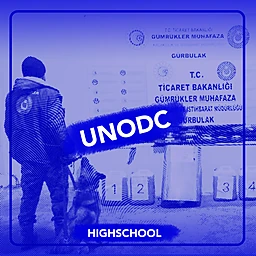
    UNODC - High School

    English

    Topics

    1. Advancing Comprehensive International Responses to Drug Trafficking and Demand Reduction
    2. Strengthening International Measures to Combat Maritime Crime
    About the committee

    The United Nations Office on Drugs and Crime (UNODC) is a treaty-based entity within the United Nations Secretariat, operating under the authority of the UN General Assembly and the Economic and Social Council. Headquartered in Vienna, UNODC serves as the UN’s primary body for addressing illicit drugs, transnational organised crime, corruption, terrorism, and threats to the rule of law. Its work is guided by international legal instruments such as the UN Convention against Transnational Organised Crime and the UN Convention against Corruption. UNODC’s mandate focuses on supporting Member States through research, policy guidance, capacity-building, and technical assistance. It promotes international cooperation, strengthens criminal justice systems, and assists in the implementation of global legal frameworks. The committee deals with issues including human trafficking, cybercrime, money laundering, drug trafficking, environmental crime, and emerging forms of organised criminal activity. These areas are closely linked to sustainable development, as crime and corruption undermine social stability, economic growth, access to justice, and institutional trust. By addressing the structural conditions that enable criminal networks and by supporting lawful, transparent governance, UNODC contributes directly and indirectly to the broader UN development agenda and the long-term achievement of sustainable and inclusive societies. Agenda Topics Topic A: Advancing Comprehensive International Responses to Drug Trafficking and Demand Reduction Drug trafficking continues to endanger public health, security, and sustainable development around the world. Illicit drug markets provide major cash flows to transnational organized crime, they undermine political institutions through corruption, and escalate violence along production and trafficking routes. Simultaneously, drug use creates substantial public health risks, such as needless deaths, the transmission of infectious diseases, and long-term social and economic consequences. The fast spread of synthetic pharmaceuticals, along with the use of digital platforms, has made detection, regulation, and international cooperation even more challenging. A key challenge is matching supply reduction efforts with successful demand reduction strategies such as prevention, treatment, and rehabilitation. Divergent national policies, unequal state capacities, and ongoing arguments over enforcement, public health, and human rights issues continue to drive international solutions. Producer, transit, and consumer countries frequently have diverse perspectives on the drug problem, which causes conflicts in responsibility-sharing and policy coordination. This issue is directly relevant to the UNODC's mandate, as it involves international drug control conventions, criminal justice cooperation, and evidence-based prevention and treatment strategies. Advancing comprehensive responses contributes to SDG 3 (Good Health and Well-Being) by addressing drug addiction and related health harms, SDG 16 (Peace, Justice, and Strong Institutions) by combating organized crime and corruption, and SDG 17 (Partnerships for the Goals) by increasing international cooperation. Topic B: Strengthening International Measures to Combat Maritime Crime Maritime crime continues to pose a substantial danger to global security, trade, and sustainable development. Piracy, armed robbery at sea, human and drug trafficking, illicit fishing, and maritime environmental crimes all jeopardize the safety of sea passages that transport the majority of global trade. While piracy incidents have fluctuated in recent years, new criminal strategies, lax maritime governance, and growing security threats continue to undermine existing preventive and enforcement measures. Key tensions come from disparities in national capacity to monitor and police marine domains, notably between coastline, flag, and port nations. Jurisdictional complications, gaps in legal frameworks, and inadequate information sharing all hamper coordinated responses. Debates continue about the balance between security measures, freedom of navigation, and international law, particularly in contested or vulnerable marine regions. The UNODC plays a crucial role in combating maritime crime by promoting legislative framework development, criminal justice cooperation, and coordinated responses to transnational organized crime at sea. Effective international measures help to achieve SDG 16 (Peace, Justice, and Strong Institutions) by strengthening the rule of law and accountability; SDG 14 (Life Below Water) by combating maritime crimes that harm marine ecosystems; and SDG 17 (Partnerships for the Goals) by increasing regional and global cooperation.
    Countries

    How this committee type works

Partner conferences

JagiMUN 2026

Kraków, Poland

View conference

More MUN conferences

ConferencesCzech RepublicMUNIMUN 2026