PlocMUN 2026

Płock Model United Nations

Sep 9–11, 2026 Płock, Poland

Płock Model United Nations

Conference

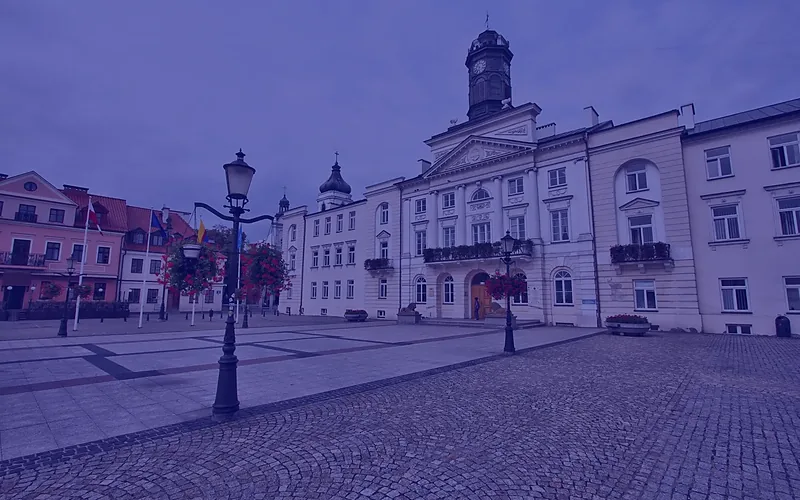
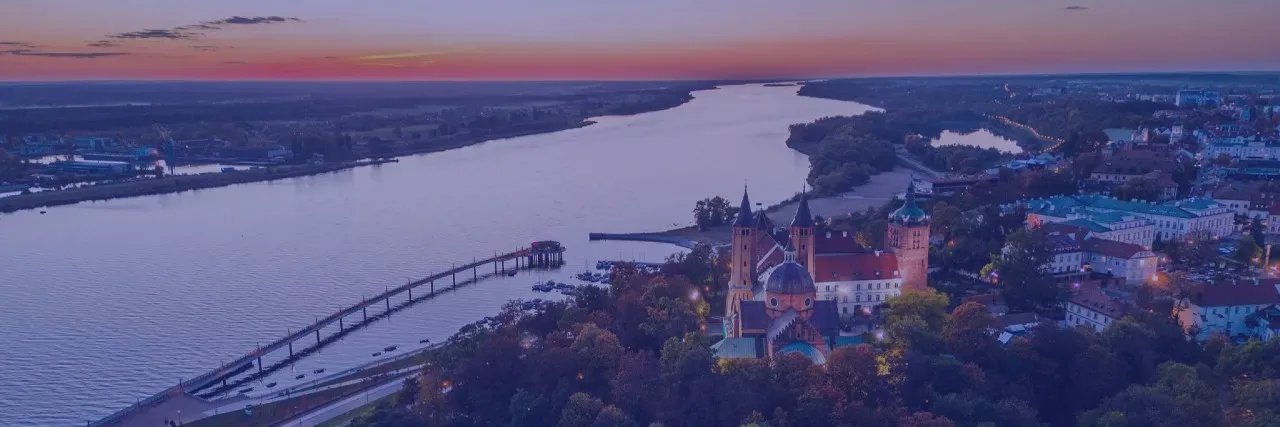
Płock, Poland·Europe

Sep 9–11, 2026

100 delegates expected

High school students

In English

How it went

3.4412 ratings from delegates
Academics
3.67
Logistics
3.33
Socials
3.33

About

Negotiating Today for a Better Tomorrow.

Honouring the legacy of the eight conferences that came before this one, PlocMUN is coming back for the ninth time.


In an era where the lines between ideas, identities, and responsibilities blur more each day, the future is no longer a distant concept—it’s here. From highschool students to global leaders, everyone in the world is shaping the future in real time. Amidst all this chaos, though, one question rises to the top: who should lead us in these times and what should that leadership look like? You may just find the answer at PlocMUN 2026.


The delegate fee is non-refundable.

You must be at least 14 to apply for a delegate and at least 16 to apply for a chair.

You must pay the delegate fee no later than seven days after having received the notification of being accepted into the conference.


Follow us on Instagram and Facebook to stay updated!

https://instagram.com/plocmun/ 

https://facebook.com/plocmun

Should you have any questions, don’t hesitate to contact us at plocmun26@gmail.com!

Committees

  • 16 countries
    1. Resolving the ongoing territorial disputes in the South China Sea.

    • Gabriela Kowalczyk
    • Gabriela Kaźmierczak

    Security Council

    Expert · English · 16 countries

    Topic

    Resolving the ongoing territorial disputes in the South China Sea.

    Chairs

    Countries

    How this committee type works
  • 16 countries
    1. Addressing the socio-military disputes caused by the partition of the United Kingdom.
    • Aleksander Howley
    • Krzysztof Nowicki
    • Marysia Gałka

    Future Security Council

    Intermediate · English · 16 countries

    Topic

    Addressing the socio-military disputes caused by the partition of the United Kingdom.

    Chairs

    Countries

    How this committee type works
  • 15 countries
    1. Addressing Labor Exploitation and Modern-Day Slavery in Global Supply Chains.
    • Tatiana Misiak
    • Gabriela Król

    Human Rights Council

    Beginner · English · 15 countries

    Topic

    Addressing Labor Exploitation and Modern-Day Slavery in Global Supply Chains.

    About the committee

    Step into the world of global supply chains, where every decision can reveal the hidden costs of cheap production. As a committee participant, you will face the challenge of identifying labor exploitation and eliminating modern forms of slavery while balancing the interests of states and corporations. Depending on the country you represent, your approach may differ significantly. You may strive to expose and eliminate the issue or choose to conceal it in the name of economic interests. The final outcome depends on your choices. Will you prioritize short-term gains or lasting change?

    Chairs

    Countries

    How this committee type works
  • 16 countries
    1. Addressing appropriate regulatory measures for low-percentage and non-alcoholic beverages, with particular emphasis on their impact on youth.
    • Wiktoria Kaletka
    • Maria Tyczyńska

    World Health Organisation

    Beginner · English · 16 countries

    Topic

    Addressing appropriate regulatory measures for low-percentage and non-alcoholic beverages, with particular emphasis on their impact on youth.

    Chairs

    Countries

    How this committee type works
  • 15 countries
    1. Addressing Systematic Barriers to Women's Rights: From Cultural Practices to Political Polarization.

    • Sonam Lulla
    • Zuzanna Jóźwik
    • Dominika Muszyńska

    UN Women

    Beginner · English · 15 countries

    Topic

    Addressing Systematic Barriers to Women's Rights: From Cultural Practices to Political Polarization.

    About the committee

    In a world where women’s rights are shaped as much by tradition as by politics, this committee explores the systemic barriers that continue to limit equality. From cultural practices to rising political polarization, delegates must navigate complex global tensions to find common ground. Can meaningful progress be achieved without leaving cultural realities behind?

    Chairs

    Countries

    How this committee type works
  • 15 countries
    1. Addressing the misuse of cognitive enhancers ("Study drugs") Among youth, with emphasis on their legal and ethical implications.
    • Zuzanna Gabrysz
    • Luiza Goch

    United Nations Office on Drugs and Crime

    Beginner · English · 15 countries

    Topic

    Addressing the misuse of cognitive enhancers ("Study drugs") Among youth, with emphasis on their legal and ethical implications.

    About the committee

    Cognitive enhancers (for e.g. Adderall or Ritalin), known as “study drugs” and “nootropics”, are substances commonly used to improve mental functions such as memory, focus and creativity. They successfully treat conditions such as ADHD, narcolepsy and dementia; however, non-prescribed substances pose a significant threat to one’s health and life. Increasingly obtained on the black market or through peer-to-peer distribution can lead to anxiety, insomnia, cardiac complications and psychological dependence. Using them as a tool to improve academic performance raises ethical concerns regarding fairness and may increase academic pressure.

    Chairs

    Countries

    How this committee type works
  • 15 countries
    1. Discussing Methods of Agriculture Development in the Sphere of Fertilizer Production.
    • Jagoda Kurzaj
    • Iwo Gostik
    • Jan Krzywoń

    Commission on Science and Technology for Development

    Intermediate · English · 15 countries

    Topic

    Discussing Methods of Agriculture Development in the Sphere of Fertilizer Production.

    About the committee

    The Commission on Science and Technology for Development functions within the United Nations as a subsidiary body of the Economic and Social Council. It serves as a platform for discussions regarding the utilisation of scientific and technological advancements for the benefit, growth, and development of all states. It also resolves issues regarding such technologies and has been fulfilling its duties since 1992, superseding the Conference on Science and Technology for Development. The findings of the Commission allow the General Assembly and the Economic and Social Council to make appropriate decisions concerning the common policy of member states within the United Nations, regarding the issues discussed on the Commission’s annual summits. The principles of the Commission and its pursuit of harnessing science, technlogy and innovation to facilitate advancement make it a substantial assisting body within the United Nations.

    Chairs

    Countries

    How this committee type works
  • 11 countries
    1. Prosecutor v. Al Hassan Ag Abdoul Aziz Ag Mohamed Ag Mahmoud

    • Sara Wysocka
    • Roksana Morawczyńska

    International Criminal Court

    Expert · English · 11 countries

    Topic

    Prosecutor v. Al Hassan Ag Abdoul Aziz Ag Mohamed Ag Mahmoud

    Chairs

    Countries

    How this committee type works
  • 12 countries
    1. Zakończenie Konfliktu Polsko - Krzyżackiego (Hołd Pruski).
    • Emilia Sałajczyk
    • Natalia Gardocka
    • Hania Kaźmir

    Traktat Krakowski 1525 AD

    Expert · English · 12 countries

    Topic

    Zakończenie Konfliktu Polsko - Krzyżackiego (Hołd Pruski).

    Chairs

    Countries

    How this committee type works

Partner conferences
TEVMUN 2026

Warsaw, Poland

View conference
LUBMUN 2026

Lublin, Poland

View conference
VLOMUN 2026

Warsaw, Poland

View conference
RaszMUN 2026

Warsaw, Poland

View conference
CASMUN 2026

Sopot, Poland

View conference
POLMUN 2025

Warsaw, Poland

View conference
AKAMUN 2026

Warsaw, Poland

View conference
YESMUN 2026

Warsaw, Poland

View conference
StetiMUN 2026

Szczecin, Poland

View conference
IPSMUN 2026

Wrocław, Poland

View conference
TADMUN 2026

Warsaw, Poland

View conference
JASMUN 2026

Warsaw, Poland

View conference
TBSMUN 2026

Warsaw, Poland

View conference
JagiMUN 2026

Kraków, Poland

View conference
PrusMUN 2026

Warsaw, Poland

View conference
VisMUN 2026

Kraków, Poland

View conference
KOSZMUN 2027

Koszalin, Poland

View conference
CoMUN 2026

Warsaw, Poland

View conference
TriMUN 2026

Gdynia, Poland

View conference
IASMUN 2026

Warsaw, Poland

View conference
PozMUN 2027

Poznań, Poland

View conference
WawMUN 2026

Warsaw, Poland

View conference
PrusMUN 2027

Warsaw, Poland

View conference
GDNMUN 2026

Gdańsk, Poland

View conference
HoffMUN 2026

Warsaw, Poland

View conference
EkoMUN 2026

Wrocław, Poland

View conference
WrocMUN 2026

Wrocław, Poland

View conference
LitMUN 2027

Warsaw, Poland

View conference

Organizers

Alicja Grabowska
USG for Graphic Design

Blanka Klimowska
USG for Logistics

Filip Pyrkowski
USG for Social Event

Hanna Jaszczyk
USG for Social Media

Jan Jasiński
Page Daddy

Lena Piaskowska
Secretariat Creative Advisor

Pola Juniewicz
USG for Graphic Design

Szymon Dąbrowski
President of the General Assembly

Weronika Iwaszkiewicz
Director General

Wiktor Szczepaniak
USG for Social Media

Zofia Cielicka
USG for Finance

Zofia Lipińska
Secretary General

Zuzanna Szałańska
Vice President of the General Assembley

More MUN conferences
ConferencesPolandPlocMUN 2026