PrusMUN 2027

Prus High School Model United Nations

Jan 29–31, 2027 Warsaw, Poland

Prus High School Model United Nations

Closes Jan 1, 2027

Conference

Warsaw, Poland·Europe

Jan 29–31, 2027

200 delegates expected

High school and university students

In English

Applications

Open
Oct 24, 2026 – Jan 1, 2027Same dates for every role
  • Delegates
  • Faculty advisors

About

Learning to Lead the Conversations That Matter.


Welcome to Prus High School Model United Nations 2027!

Dear prospective chairs and delegates,

We would like to gladly invite you to the 4th edition of PrusMUN!

Join us between the 29th and 31st of January 2027 in Warsaw to create long-lasting memories and gain extraordinary experience. For those three days, you will take part in engaging debates during which you will expand your knowledge, gain new skills and make new connections, which we hope, you will cherish for years.

We can't wait to see you in January 2027!

PrusMUN 2027 Secretariat


Important!

You have to be at least 14 to apply for the delegate position! 

All payments are conducted via mymun.com. 

We kindly request to refrain from making payments before being accepted to the conference. 

The delegate fee should be issued within 7 days after being accepted to the conference; only after, the delegate shall be assigned a role. 

The delegate fee is non-refundable.

Committees

  • 15 countries
    1. Threats to international peace and security (the Guyana-Venezuela dispute)
    • Magda Jaszczak
    • Stanisław J. Haller

    Security Council

    Expert · English · 15 countries

    Topic

    Threats to international peace and security (the Guyana-Venezuela dispute)

    About the committee

    The Security Council is convened at Guyana's request to address the long-running territorial dispute over the Essequibo region, which makes up more than two-thirds of Guyana's territory. Guyana holds that the 1899 arbitral award fixed the border, while Venezuela rejects it and asserts its own claim. Tensions escalated in December 2023, after the ICJ ordered Venezuela to refrain from altering the status quo in the disputed area. Delegates must weigh sovereignty, international law, regional stability and energy interests, and consider how the Council can support dialogue, such as the Argyle Declaration, and de-escalation.

    Chairs

    Countries

    How this committee type works
  • 16 countries
    1. The aftermath of the Event Horizon discovery

    • Pola Kurek
    • Adam Biały

    Future Security Council

    Intermediate · English · 16 countries

    Topic

    The aftermath of the Event Horizon discovery

    About the committee

    Set in the year 2100, the Security Council will explore the viability of habitability and potential division of a new settlement for the human race, following the discovery of Kepler-Ω, a potentially perfect planet, located beyond an unnamed black hole’s event horizon. With a failing earth, following the many wars and nuclear disasters, catastrophe is imminent.

    Chairs

    Countries

    How this committee type works
  • 17 countries
    1. Addressing the militarisation of outer space
    • Alexa Cirpeanu
    • Aleksander Sasin

    Disarmament and International Security Committee

    Intermediate · English · 17 countries

    Topic

    Addressing the militarisation of outer space

    About the committee

    Outer space has become an increasingly important domain for international security, with states relying on satellites for communication, navigation, intelligence gathering and surveillance. As military dependence on space technology grows, so do concerns over escalating tensions and a potential arms race beyond Earth; Whilst the militarization of space involves using space-based technology for military purposes, weaponization refers to developing or deploying weapons capable of targeting space assets. Anti-satellite weapons and electronic warfare systems pose significant threats to both military and civilian infrastructure. A conflict in space could disrupt essential services on Earth and generate dangerous space debris, highlighting the need for international cooperation to preserve space as a peaceful and secure domain.

    Chairs

    Countries

    How this committee type works
  • 16 countries
    1. Addressing the impact of geopolitically driven disruptions in the Red Sea on international trade
    • Berenika Anna Włodarczyk
    • Zofia Koncewicz

    World Trade Organisation

    Intermediate · English · 16 countries

    Topic

    Addressing the impact of geopolitically driven disruptions in the Red Sea on international trade

    About the committee

    Houthi attacks on commercial shipping in the Red Sea, linked to Israel’s war in Gaza, and subsequent US and UK military strikes have disrupted a major global trade route, which caused the increase of shipping costs and delaying deliveries of essential goods such as food and fuel. The topic examines how the WTO can address these geopolitical disruptions, limit discriminatory trade restrictions, protect vulnerable economies and strengthen international trade rules without intervening in military affairs.

    Chairs

    Countries

    How this committee type works
  • 16 countries
    1. Minimising legislative, educational, and economic inequalities between social classes with an emphasis on countries with a history of the caste system

    • Matt Kambo
    • Zuzanna Gabrysz

    Human Rights Council

    Beginner · English · 16 countries

    Topic

    Minimising legislative, educational, and economic inequalities between social classes with an emphasis on countries with a history of the caste system

    About the committee

    The term “caste” refers to a hierarchical social system often based on ‘purity’ and ‘contamination’. Over the centuries, many societies established social classes. While they were based on many factors, consanguinity was the leading aspect for social stratification. At least 250 million people still face discrimination based on caste and similar systems. This leads to extreme exclusion and dehumanisation of caste-affected communities. They are stripped of the enjoyment of their civil, political, economic, social and cultural rights. People from “lower castes” are limited to certain jobs, such as manual scavenging, sweeping and disposal of dead animals. While in some countries the law forbids discrimination based on caste, it is so deeply rooted within the society that it still occurs.

    Chairs

    Countries

    How this committee type works
  • 17 countries
    1. Addressing the Impact of Climate Change on the Global Increase and Geographical Expansion of Vector-Borne Diseases

    • Lena Krasa
    • Damian Klepacki
    • Jan Wojdyło

    World Health Organisation

    Beginner · English · 17 countries

    Topic

    Addressing the Impact of Climate Change on the Global Increase and Geographical Expansion of Vector-Borne Diseases

    About the committee

    Vector-borne diseases are a topic of huge importance and a rising need to address due to climate change. Factors like rising ambient temperature, or increasing rainfall in the Sub-Saharan regions hugely affect the spread of diseases like malaria and dengue fever. Due to higher temperatures, we also experience milder winters, which increase the survival rate of ticks, that carry a variety of sicknesses. Climate change fuels this surge, mainly due to the fact that mosquitoes and ticks are cold-blooded, and warm air increases their biting rate. Climate change also expands the habitats of insects and accomodates faster pathogen replication.

    Chairs

    Countries

    How this committee type works
  • 17 countries
    1. Combating the convergence of organised crime and violent extremism with an emphasis on prison systems
    • Liliana Galara
    • Maja Zaklika
    • Amelia Traczyk

    United Nations Office on Drugs and Crime

    Beginner · English · 17 countries

    Topic

    Combating the convergence of organised crime and violent extremism with an emphasis on prison systems

    About the committee

    The convergence of organised crime and violent extremism is a significant worldwide issue that requires immediate action. Criminal organisations and extremist groups that threaten public safety may cooperate with one another to expand their influence and achieve their goals. Prison systems, which should focus on maintaining security and rehabilitating inmates, can become environments where criminal networks and extremist ideologies spread. These activities are often difficult to identify and control due to overcrowding, limited resources and the complexity of relationships between inmates. Therefore, it is crucial to recognise the growing links between organised crime and violent extremism and understand their impact on prison systems and society as a whole.

    Chairs

    Countries

    How this committee type works
  • 17 countries
    1. Discussing the presence of transgender people in women-only spaces
    • Kamil Strzelec
    • Natalia Gardocka

    United Nations Entity for Gender Equality and the Empowerement of Women (UN Women)

    Beginner · English · 17 countries

    Topic

    Discussing the presence of transgender people in women-only spaces

    About the committee

    The presence of transgender people in women-only spaces is a complex and controversial topic that raises questions about equality, safety, privacy, and human rights. These spaces, including changing rooms, toilets, women’s shelters, or even sports competitions, are designed to provide comfort, security, opportunity, and privacy for women. The debate focuses on how to respect transgender women’s identities and protect them from discrimination while also addressing concerns about safety and fairness towards cisgender women.

    Chairs

    Countries

    How this committee type works
  • 18 countries
    1. Addressing the Restitution of Cultural Property Acquired During Colonialism, with a Focus on European Museum Collections

    • Natalia Chlebicka
    • Lena Napierska

    United Nations Educational, Scientific and Cultural Organization (UNESCO)

    Beginner · English · 18 countries

    Topic

    Addressing the Restitution of Cultural Property Acquired During Colonialism, with a Focus on European Museum Collections

    About the committee

    Cultural artefacts have been taken from countries or communities of origin during colonial rule and are now held in European museums, raising questions about historical injustice, cultural identity, and which country should have legal ownership. Delegates should consider whether European museums return these artefacts, or whether some should remain in their collections for international public access, research, and preservation, and what can be done to ensure permanent restitution, shared ownership, and long-term international loans.

    Chairs

    Countries

    How this committee type works
  • 16 countries
    1. The Prosecutor v. Benjamin Netanyahu
    • Lena Basiak
    • Uddhav Sharma

    International Criminal Court

    Expert · English · 16 countries

    Topic

    The Prosecutor v. Benjamin Netanyahu

    About the committee

    This topic encompasses the recent ICC arrest warrant that allegedly calls Benjamin Netanyahu, the Prime Minister of Israel, responsible for war crimes (Article 8 of the Rome Statute) of starvation as a method of warfare and intentionally directing an attack against the civilian population. Furthermore, the crimes against humanity (Article 7 of the Rome Statute) of murder, persecution, rape and other inhuman acts have also been directed to the Prime Minister. Even though Israel has not signed the Rome Statute, this court trial will simulate accurate workings of the International Criminal Court, and ultimately come to a solution on the fate of one of the world’s most controversial prime ministers.

    Chairs

    Countries

    How this committee type works
  • 17 countries
    1. Evaluating the effectiveness of the International Criminal Tribunal for Rwanda (ICTR) and the Gacaca Courts in delivering justice after the Rwandan Genocide
    • Alicia Dankowski
    • Aleksander Dytkowski

    Historical Committee

    Expert · English · 17 countries

    Topic

    Evaluating the effectiveness of the International Criminal Tribunal for Rwanda (ICTR) and the Gacaca Courts in delivering justice after the Rwandan Genocide

    About the committee

    The Rwandan Genocide, which took place between 7 April and 19 July 1994, was a systematic campaign of mass killing directed primarily against the Tutsi population, as well as moderate Hutus who opposed the violence. The genocide was rooted in decades of ethnic tensions that were intensified by European colonial rule and resulted in an estimated 800,000 to 1 million deaths. This committee will focus on evaluating the effectiveness of the International Criminal Tribunal for Rwanda (ICTR) and the Gacaca courts in delivering justice to victims and survivors, as well as examining whether perpetrators received punishments proportionate to their crimes. The committee will also consider these efforts in the context of the international community’s failure to prevent or stop the genocide, particularly the shortcomings of United Nations peacekeeping efforts.

    Chairs

    Countries

    How this committee type works
  • 18 countries
    1. The topic will be revealed 24 hours before the start of the conference

    • Stanisław Woźniak
    • Alan Tadeusz Olech

    Crisis Committee

    Expert · English · 18 countries

    Topic

    The topic will be revealed 24 hours before the start of the conference

    About the committee

    In the Crisis Committee, the topic will be revealed 24h before the conference, and the delegates will need to adapt to a quickly changing situation. Their actions will shape the course of the committee in real-time, and as such they will have to contend with a large amount of shifting factors.

    Chairs

    Countries

    How this committee type works

Partner conferences
IESMUN 2027

Warsaw, Poland

View conference
YESMUN 2026

Warsaw, Poland

View conference
StetiMUN 2026

Szczecin, Poland

View conference
VLOMUN 2026

Warsaw, Poland

View conference
JASMUN 2026

Warsaw, Poland

View conference
BiaMUN 2027

Białystok, Poland

View conference
CoMUN 2026

Warsaw, Poland

View conference
PozMUN 2027

Poznań, Poland

View conference
VisMUN 2026

Kraków, Poland

View conference
JagiMUN 2026

Kraków, Poland

View conference
HoffMUN 2026

Warsaw, Poland

View conference
CASMUN 2026

Sopot, Poland

View conference
GDNMUN 2026

Gdańsk, Poland

View conference
TBSMUN 2027

Warsaw, Poland

View conference
TriMUN 2026

Gdynia, Poland

View conference
WrocMUN 2026

Wrocław, Poland

View conference
SilMUN 2027

Opole, Poland

View conference
LUBMUN 2027

Lublin, Poland

View conference
AKAMUN 2027

Warsaw, Poland

View conference
TEVMUN 2027

Warsaw, Poland

View conference

Organizers

Dorota Kajka
Head of Delegate Service

Eva Kantur
Head of Media and Design
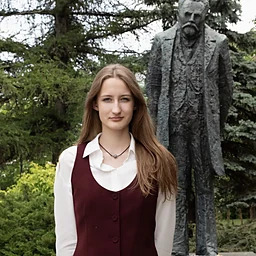
Lena Hejna
Secretary General
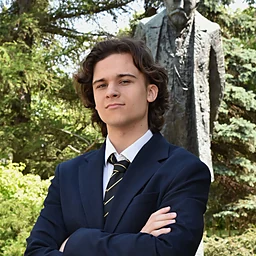
Maciej Kozłowski
Head of Logistics
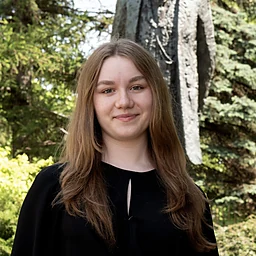
Magdalena Czerkas
Head of Finance

Natalia Szerszenowicz
Head of Public Relations
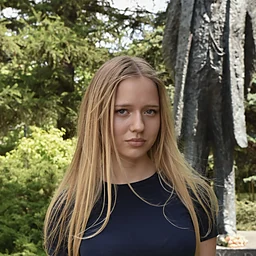
Nina Mistygacz
President of the General Assembly

Paulina Czarnecka
Deputy Secretary General

Roksana Szadryn
Head of Pages
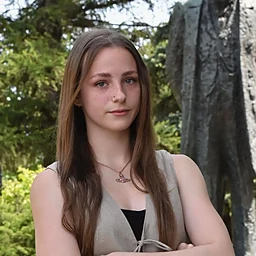
Tosia Galach
Head of Public Relations

Zofia Borowska
Director General
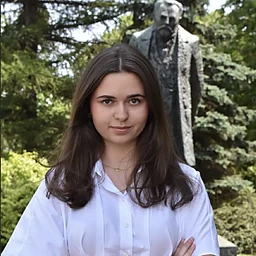
Zuzanna Karolak
Deputy President of the General Assembly

More MUN conferences

ConferencesPolandPrusMUN 2027