KAMUN: The Black Forest Summit 2026

Karlsruhe Model United Nations

Nov 13–15, 2026 Karlsruhe, Germany

Karlsruhe Model United Nations

Closes Nov 6 · 3 days left

Conference

Karlsruhe, Germany·Europe

Nov 13–15, 2026

200 delegates expected

High school and university students

In English

Applications

Open for some roles
  • Delegates, Head delegates, Faculty advisorsJul 6 – Nov 6, 20263 days left
  • ObserversJul 6 – Oct 5, 2026Closed
  • ChairsMay 4 – Jun 15, 2026Closed

About

From the Black Forest to the Global Stage: Navigating Multilateralism, Power and Cooperation

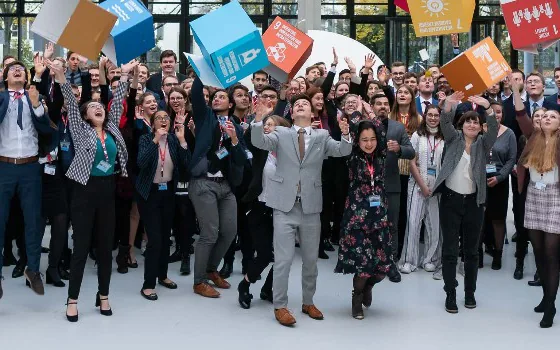
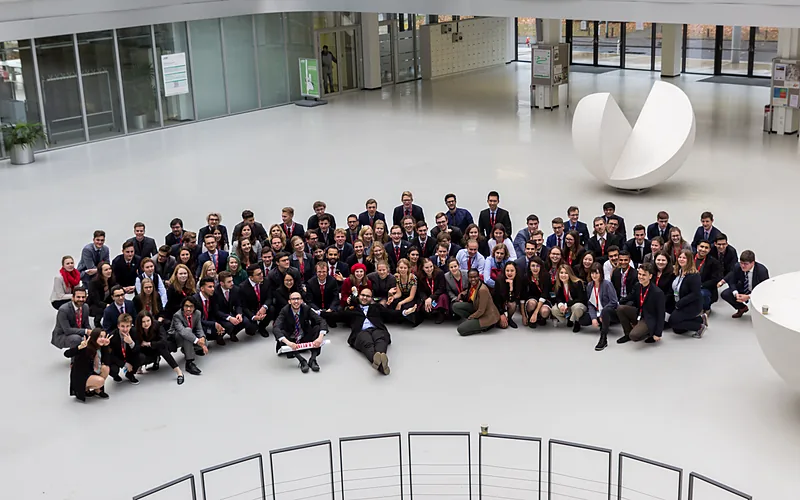
From November 13th to 15th, 2026, we invite you to join us in Karlsruhe for an exceptional Model United Nations experience set against the backdrop of the early winter season in one of Germany’s most dynamic academic and legal hubs. In 2026, for our 16th Edition of KAMUN: The Black Forest Summit, we believe that the debates of today define the realities of tomorrow. Under our theme: “From the Black Forest to the Global Stage: Navigating Multilateralism, Power and Cooperation” , we aim to foster meaningful discussions on power, cooperation, and global responsibility in an increasingly complex international system in an everchanging era.

🧩 A Committee Experience for Every Delegate

With a carefully curated lineup, our conference offers opportunities for delegates of all experience levels:

Beginner (High School) : Explore global labor rights and development through the International Labour Organization (ILO)

Beginner : Engage with space governance in the Committee on the Peaceful Uses of Outer Space (COPOUS) , legislative processes in the European Parliament (EU Parliament) and  nuclear disarmament and international security in DISEC.


Intermediate (High School) : Address nuclear oversight and international security within the International Atomic Energy Agency (IAEA)

Intermediate : Tackle a crisis on global health in the World Health Organization (Special WHO) and represent the diverse voices of the Pacific in the Pacific Islands Forum (PIF), addressing regional security, climate resilience, regional conflict and sustainable development.

Expert : Step into history in the U.S. Constitutional Convention, where delegates will negotiate, debate and draft the foundations of a nation, and tackle urgent international crises in the United Nations Security Council (UNSC), operating under specialized Rules of Procedure

International Press Corps (IPC) : Open to all levels, offering a platform to report, critique, and shape the narrative of the conference

💃 Beyond Committee: A Complete Experience

Our conference goes far beyond debate.

The Art of Diplomacy: Our Met Gala–inspired Masquerade Ball, where statement fashion meets mystery. Interpret Behind the Mask: What We Reveal, What We Conceal, make your entrance, and join us for a night of masks, music and dancing.


Après Diplomatie: The Waterpark Social, escape the November chill inside the warmth of Europabad Karlsruhe, an indoor waterpark with heated pools and thrilling slides ~ because diplomacy deserves a splash after hours.

A culinary journey across the world in three days , reflecting the diversity of our delegates

❄️ Karlsruhe in Winter

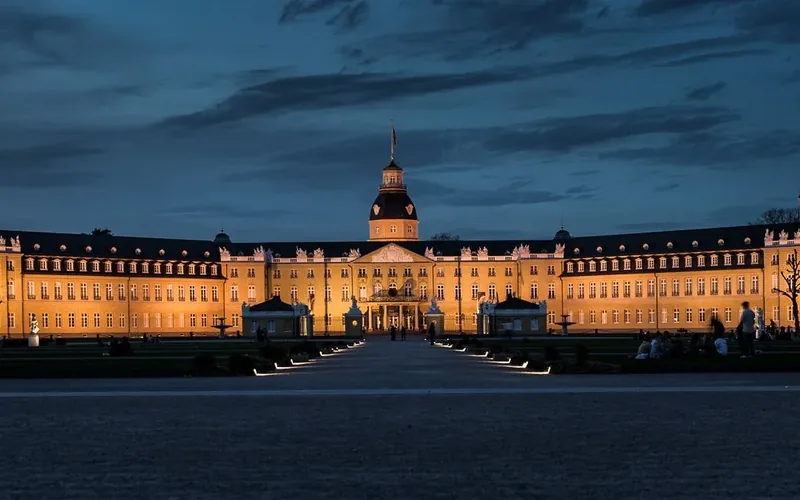
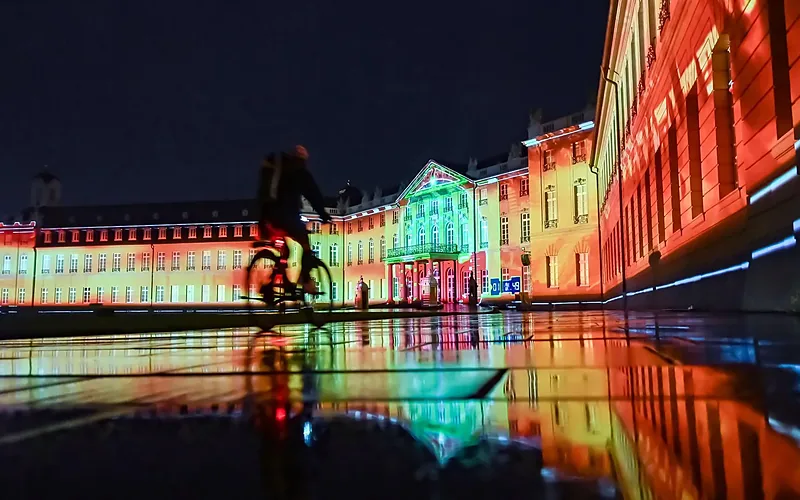
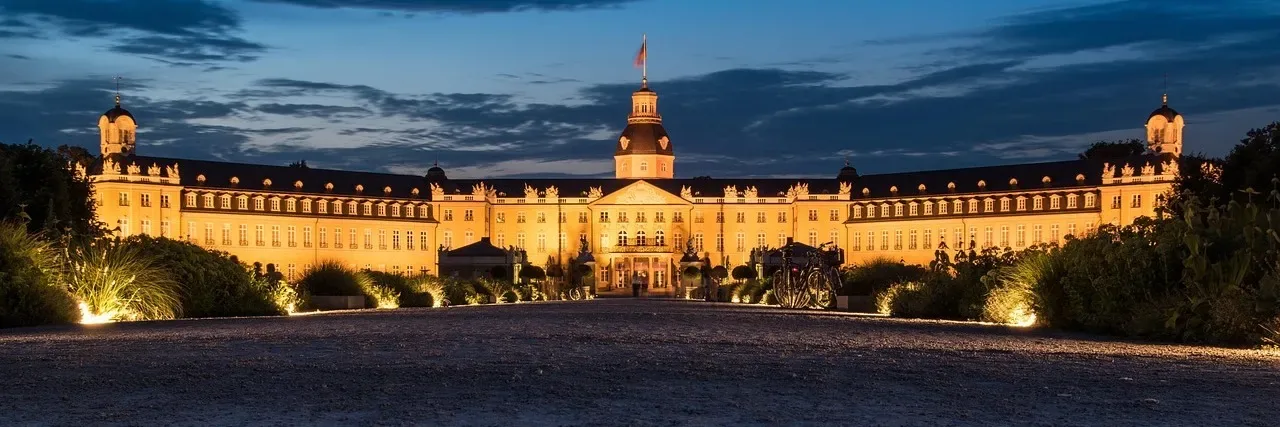
As autumn turns to winter, Karlsruhe offers a unique atmosphere, combining academic excellence, cultural richness of the black forest, and a welcoming environment for international exchange. From its vibrant city center to its renowned institutions, the city provides the perfect setting for both intellectual engagement and lasting connections. 

Mark your calendars.
Prepare your speeches.
Step onto the global stage.

We look forward to welcoming you to Karlsruhe this November! 

For more details, follow our insta: @kamun_org and say hi:)

For all delegate and delegation enquiries regarding the conference, committees, registration, or academic matters, please contact us at secretariat@kamun.org.

For all organisational, logistical, sponsorship, partnership , or collaborative enquires , please reach out to vorstand@munika.org.

Regarding Refunds: All refunds exclude payment processing fees via MyMUN, transaction charges, and bank fees, as these costs are non-refundable.

Refunds will be issued as follows:

  • More than one (1) month before the first day of the conference: 100% of the registration fee paid, excluding payment processing fees via MyMUN.
  • From one (1) month until fifteen (15) days before the conference: 50% of the registration fee paid, excluding payment processing fees via MyMUN.
  • Within fifteen (15) days of the conference or after the conference has commenced: No refunds will be issued.

Refunds will be processed using the original payment method whenever reasonably possible.

Registration is non-transferable unless approved in writing by the Secretariat.


Committees

  • 28 countries
    1. Protecting Labour Rights in the Modern Gig Economy
    • Marlene Lack
    • Joshua Lane
    • Sophia Hummel

    International Labour Organization (High School)

    Beginner · English · 28 countries

    Topic

    Protecting Labour Rights in the Modern Gig Economy

    About the committee

    The International Labour Organization (ILO) is the United Nations' specialized agency for the world of work, uniting governments, employers, and workers to advance social justice and decent working conditions worldwide. From child labour to workplace safety, this committee tackles the quiet, everyday structures that shape millions of lives. This year, delegates will confront one of the defining challenges of the modern economy: protecting labour rights in the fast-growing gig and platform economy, where the promise of flexibility collides with the reality of precarity. Through rigorous debate, participants will help chart how the world of work adapts to a digital age.

    Chairs

    Countries

  • 25 countries
    1. Building Europe's technological independence
    • Jean Patrick Mathes
    • Jan Gehrmann
    • Bobby Yu

    European Parliament

    Beginner · English · 25 countries

    Topic

    Building Europe's technological independence

    About the committee

    The European Parliament is the only directly elected institution of the European Union and one of its two law-making bodies, shaping rules that affect over 450 million people. Delegates act as Members of the European Parliament, representing pan-European political groups rather than their home countries, and debate the substance of EU law: industrial policy, budgets, procurement and trade. The focus is on the concrete choices behind Europe's technological future, from microchips and data centers to the technological power driving artificial intelligence.

    Chairs

    Countries

  • 25 countries
    1. Developing an International Framework for Space Traffic Management

    • Leonard Hohnschild
    • Victoria Hirsekorn

    COPUOS

    Beginner · English · 25 countries

    Topic

    Developing an International Framework for Space Traffic Management

    About the committee

    As human presence in outer space continues to expand, the increasing number of satellites and commercial space missions presents challenges to the safety and sustainability of activity in outer space. The United Nations Committee on the Peaceful Uses of Outer Space (COPOUS) serves as the primary international body for promoting cooperation and peaceful exploration as well as the development of international space law. In this committee delegates debate the establishment of an international framework for space traffic management. This poses the challenge of balancing innovation and sustainable markets as well as national interests and peaceful multilateral cooperation.

    Chairs

    Countries

  • 21 countries
    1. Adressing the Use of Nuclear Weapons in Regional Conflicts

    • Alp Özden
    • Filippa Kuhnert

    DISEC

    Beginner · English · 21 countries

    Topic

    Adressing the Use of Nuclear Weapons in Regional Conflicts

    About the committee

    This committee discusses “Addressing the Use of Nuclear Weapons in Regional Conflicts,” a particularly significant topic given that the threat of nuclear weapons extends far beyond the regions directly involved in conflict. Their potential use could have catastrophic humanitarian and environmental consequences, alongside devastating geopolitical repercussions. The Disarmament and International Security Committee (DISEC) plays a central role in addressing these challenges by fostering transparency, encouraging diplomatic dialogue, and promoting international cooperation among nations. Through engaging debates and diplomatic negotiations, delegates will explore the complexities of nuclear disarmament and international security while developing their understanding of Model United Nations in a dynamic and thought-provoking environment.

    Chairs

    Countries

    How this committee type works
  • 20 countries
    1. Regulating and Safeguarding Small Modular Reactors (SMRs)
    • Julia Regis Walsh Rangel
    • Carlos Kuban

    IAEA (High School)

    Intermediate · English · 20 countries

    Topic

    Regulating and Safeguarding Small Modular Reactors (SMRs)

    About the committee

    The International Atomic Energy Agency (IAEA) is an autonomous intergovernmental organization under the United Nations established in 1957. Its aim is to promote the peaceful and safe use of nuclear energy and to prevent its use for military purposes. Delegates will represent one of IAEA's 181 member states and will protect their nation's interests in ensuring the safe use and regulation of Small Modular Reactors (SMRs), an emergent class of nuclear fission reactors with a modular design and a rated electrical power of less than 300 megawatts, as one of the most promising technological developments in the world's quest for a green energy transition.

    Chairs

    Countries

  • 20 countries
    1. Cholera Crisis (1947)
    • Eliane Schatz
    • Florian Alexander Grether
    • Nik Protzen

    WHO

    Intermediate · English · 20 countries

    Topic

    Cholera Crisis (1947)

    About the committee

    The current World Health Organization (WHO) plays a crucial role in improving global public health, but how did it operate almost eight decades ago? In this historical WHO committee, delegates can dive back into the past and experience an interim WHO, introduced in 1946 prior to the WHO we know today, created to tackle national and international crises like the 1947 Cholera Outbreak. This committee is set in the late 1940s, where Egypt was struck by one of the deadliest Cholera epidemics of the twentieth century and delegates will be challenged to contain this outbreak without disrupting important trade infrastructures like the Suez Canal, escalating regional tensions and many more other confrontations. With a thousand lives at stake, every decision is vital and delegates have to act fast to prevent this ongoing crisis from escalating.

    Chairs

    Countries

    How this committee type works
  • 15 countries
    1. Security Challenges in the Pacific
    • Alexandra Scherrer
    • Noah Ries

    Pacific Islands Forum

    Intermediate · English · 15 countries

    Topic

    Security Challenges in the Pacific

    About the committee

    The Pacific is quietly shaping up to move center stage in an emerging Sino-American Cold War, with Chinese military bases in some countries and strong American military ties in others. Geopolitical rivalry and natural disasters are threatening the region, begging a coordinated and united response by Pacific leaders, negotiated in the most important political arena of Oceania: The Pacific Islands Forum.

    Chairs

    Countries

  • 23 countries
    1. E Pluribus Unum: Forging the Framework for a More Perfect Union
    • Nico Stein
    • Camille Imbert
    • Mihnea Pînzaru

    US Constitutional Convention of 1787

    Expert · English · 23 countries

    Topic

    E Pluribus Unum: Forging the Framework for a More Perfect Union

    About the committee

    “Out of many, one.” In the summer of 1787, the young American Republic might have won the revolution, but stands everything but stable. Economic crisis, interstate rivalry and political instability threaten to undo the achievements of the past decade. Delegates will be taking the roles of founding fathers to decide whether the Union can be saved through reform, or whether the American experiment in self-government will come to an early end.

    Chairs

    Countries

    How this committee type works
  • 18 countries
    1. Reevaluating the Need for UN Peacekeeping Operations Worldwide
    • Nicolas Drew
    • Kesav Menon
    • Cassandra Rohleder

    UNSC

    Expert · English · 18 countries

    Topic

    Reevaluating the Need for UN Peacekeeping Operations Worldwide

    About the committee

    UN peacekeeping operations are wildly controversial, with both their effectiveness and ethics under scrutiny. The Blue Helmets have been accused of failing to actually resolve any conflicts, struggling to protect civilians, while also facing accusations of sexual abuse themselves. With support for multilateral intervention waning, should this program continue, or is it time to find other solutions for conflict zones?

    Chairs

    Countries

    How this committee type works
  • 12 countries
    1. Reporting on the Committee Proceedings
    • Jacqueline Kess
    • Tim Bayer
    • Karoline Martinussen

    International Press Corps (IPC)

    English · 12 countries

    Topic

    Reporting on the Committee Proceedings

    About the committee

    Open to High-Schoolers (4) and University Students (8), the International Press Corps (IPC) offers a unique perspective on the conference by placing delegates in the role of journalists rather than country representatives. As an IPC delegate, you will report on committee proceedings, interview delegates and Chairs, write articles, capture key moments through photography and media, and keep participants informed throughout the conference. Your work will document the story of KAMUN while developing skills in journalism, communication, and media reporting in a dynamic international environment.

    Chairs

    Countries

    How this committee type works

Partner conferences

PIMUN 2027
Paris, France

View conference
MDS 2026

Munich, Germany

View conference
LakeMUN 2026

Konstanz, Germany

View conference
SGMUN 2026

St.Gallen, Switzerland

View conference
LyonMUN 2027

Lyon, France

View conference
HamMUN 2026

Hamburg, Germany

View conference
HDMUN 2026

Heidelberg, Germany

View conference
FREIMUN 2026

Freiburg, Germany

View conference
MiniMUN 2026

Karlsruhe, Germany

View conference
EuroMUN 2027

Maastricht, Netherlands

View conference

Organizers

Akshat Bhalekar
USG Delegates
Ansh Mehta
USG Academics

Damian Vassilev
Academic Director
Enrico Gerard Uy
USG Food and Socials
Franziska Heidelberg
USG Food and Socials

Hridey Batra
USG Academics

Jacqueline Zweers
Academic Director
Jean Patrick Mathes
USG Delegates

Karan Chodankar
USG Logistics
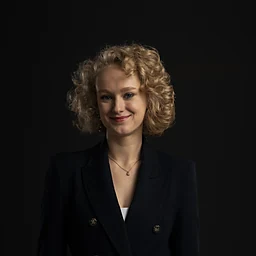
Katharina Haack
Academic Director
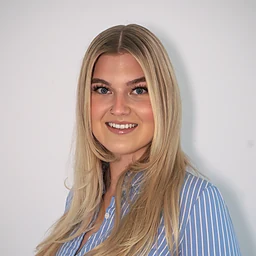
Lara Fabienne Hahne
USG Social Media and PR
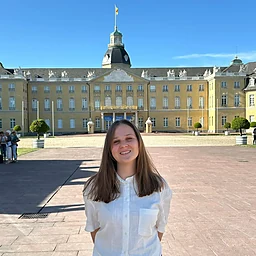
Lena Wanner
Secretary General

Leon Patrick Okello
Delegates and Administration
Mahima Rajpal
Secretary General

Maria Anderson
Delegates and Administration
Mats Hagedorn
Academic Director

Mayas Jain
Food and Socials

Rohil Saraf
USG Logistics

tulip pednekar
Social Media and Marketing

Valeria Loera
Academic Director
Varshitha Ramakumar
Chief Advisor
More MUN conferences

ConferencesGermanyKAMUN: The Black Forest Summit 2026