HamMUN 2026

Hamburg Model United Nations

Sep 24–27, 2026 Hamburg, Germany

Hamburg Model United Nations

Conference

Hamburg, Germany·Europe

Sep 24–27, 2026

100 delegates expected

University students

In English

How it went

4.1461 ratings from delegates
Academics
4.48
Logistics
4.03
Socials
3.92

About

"Currents of Cooperation: Securing the Future at Sea"

🌊🚢 All hands on deck – HamMUN 2026 is on the horizon!

After three long years at anchor, we are thrilled to hoist the sails once again and steer our course straight into another unforgettable HamMUN, right here in our beautiful harbour city. ⚓️ Mark your nautical charts (or calendars 😉) and save the date: 24.09. - 27.09.2026. We can’t wait to welcome as many of you as possible back on board for this voyage under the theme of: ”Currents of Cooperation, Securing the future at Sea“! This year our theme will be explored through six fascinating committees: COP 🌍 and EuCO 🇪🇺 for Beginner delegates, NATO ⌖  and the World Trade Organisation 🌐 for Intermediate delegates, and the ITLOS ⚖️ and UNSC🇺🇳 for Advanced delegates!

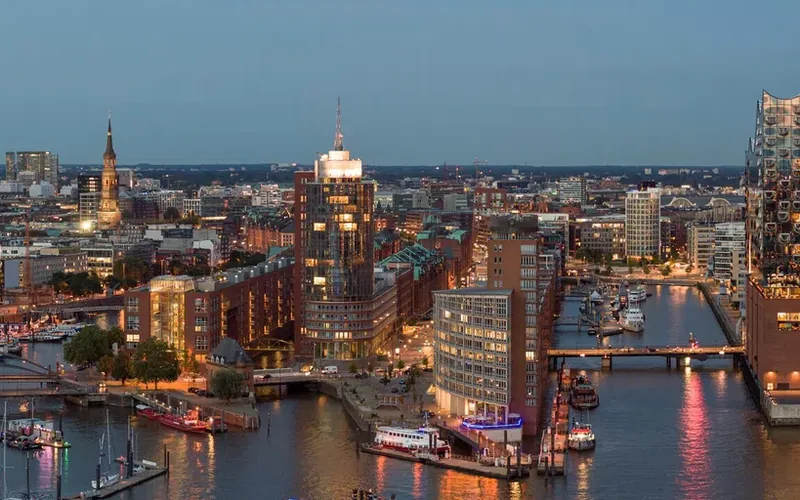
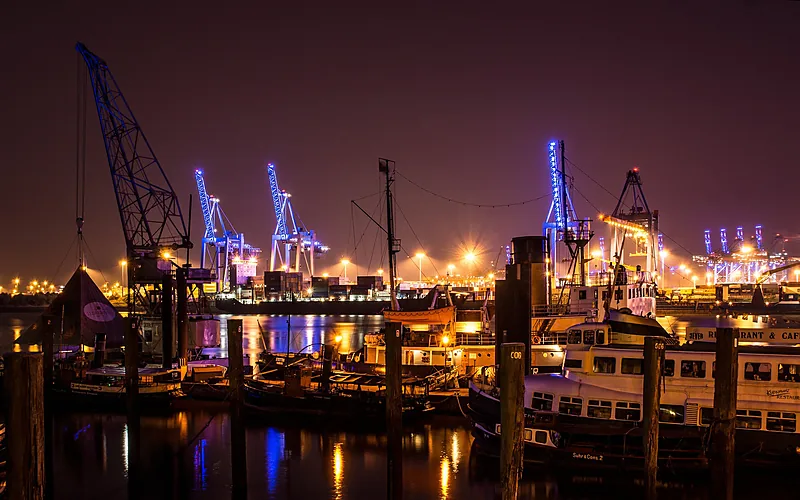
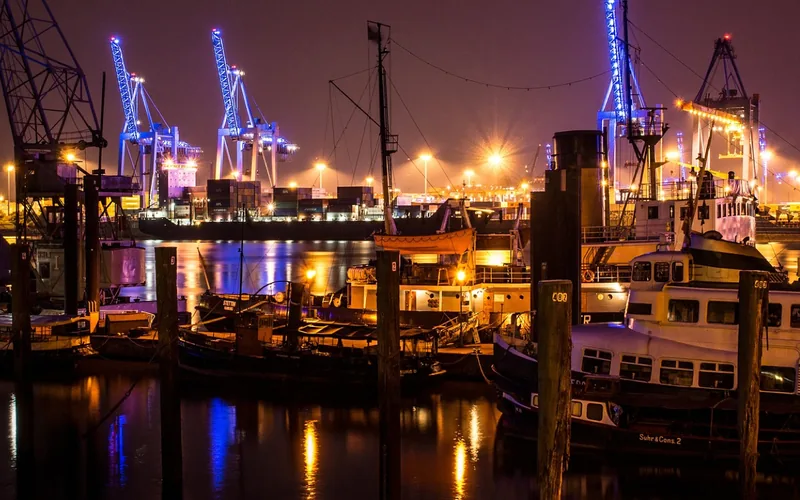
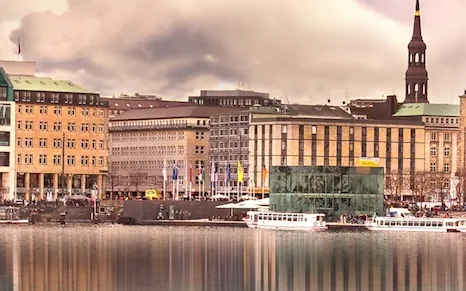
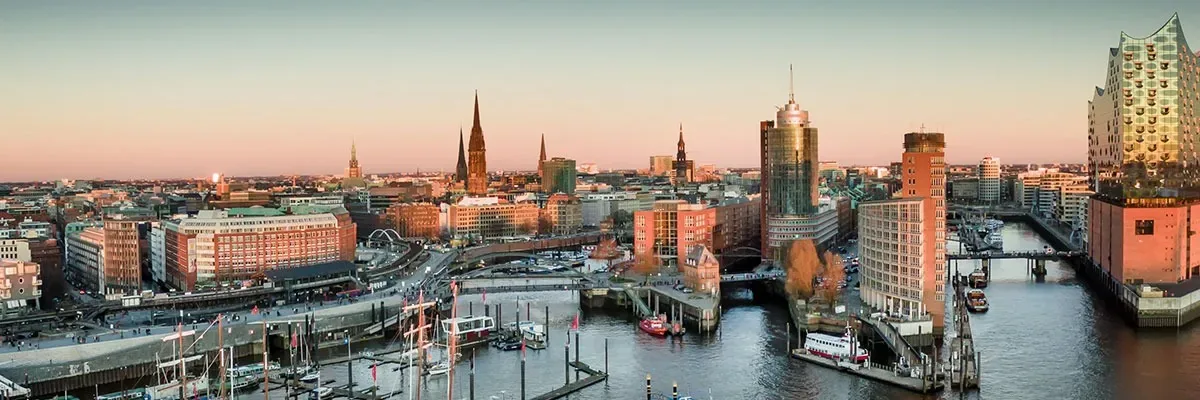
As the world faces growing geopolitical, environmental and humanitarian challenges, the oceans remain both a vital resource and a shared responsibility. Under the theme “Currents of Cooperation, Securing the Future at Sea,” HamMUN 2026 invites delegates to navigate complex issues of international diplomacy, maritime law and sustainable development. Held in the beautiful harbour city of Hamburg – home to the largest port in Germany and the third-largest container port in Europe. As Germany's oldest and largest universal port, it is a crucial hub for trade and the supply of European internal markets.

We look forward to seeing you in Hamburg next September, so don't forget to apply, and see you very soon!

--------------------------------------------------
Chairing enquiries: academics@hanseatic-mun.de

Delegate enquiries: delegates@hanseatic-mun.de

General enquiries: conference@hanseatic-mun.de

--------------------------------------------------

Our refund policy: Possible until three weeks before the conference. 

Committees

  • 21 countries
    1. Ensuring Just Transition for Affected Communities: Discussing the Status of Climate Migrants
    • Leen Alnajem
    • Frederik Mönkehaus
    • Cassandra Rohleder

    Conference of the Parties (COP)

    Beginner · English · 21 countries

    Topic

    Ensuring Just Transition for Affected Communities: Discussing the Status of Climate Migrants

    About the committee

    The escalation of the climate crisis has moved from a mere threat to the environment to a primary driver of human displacement. As entire ecosystems collapse, whether due to sudden environmental disasters or the slow onset of conditions that make their homes uninhabitable, the communities living there face ginormous challenges. Legal and humanitarian challenges occur when discussing and defining Climate Migration. Individuals who are forced to leave their homes, not because of conflict but because the places they live, can no longer sustain life. This often leaves these people in legal limbo, as defining their refugee status remains a challenge because they frequently fall outside the protections of the 1951 Refugee Convention, leaving millions of individuals without legal protection or guaranteed rights. In this committee, we will focus on defining climate migrants and advancing the development of a framework for their protection. Additionally, we will focus on Migration via Sea, as the ocean serves as both the source of their displacement and their only path to safety for many affected communities, particularly those in low-lying coastal zones and island nations.

    Chairs

    Countries

  • 18 countries
    1. A pathway towards European Technology and Energy Independence

    • Abhinav Ajit
    • Julius Höflich

    European Council (EuCo)

    Beginner · English · 18 countries

    Topic

    A pathway towards European Technology and Energy Independence

    About the committee

    The European Council is one of the central institutions of the EU, responsible for setting the overall political direction and priorities of the EU. The committee will simulate discussions among Heads of State to set the Union’s long term strategy. The topic will address long term strategic questions of competitiveness, strategic autonomy, and relations with major powers, questions that put the delegates into the minds of heads of state, not just diplomats. The delegates must navigate the continent’s most pressing strategic challenges with regards to reducing reliance on external actors for critical technologies and energy while maintaining competitiveness and geopolitical stability within the continent and beyond.

    Chairs

    Countries

    How this committee type works
  • 16 countries
    1. Building Resilient and Sustainable Global Supply Chains
    • Amin Faouzi
    • Katharina Haack
    • Filippa Kuhnert

    World Trade Organisation (WTO)

    Intermediate · English · 16 countries

    Topic

    Building Resilient and Sustainable Global Supply Chains

    About the committee

    Building Resilient and Sustainable Global Supply Chains This topic is highly relevant since global supply chains were severely disrupted by the Covid-19 pandemic, through recent wars, and furthermore climate events, which has shown its fragility over and over again. This instability not only affects economic growth worldwide, but also medical access, and food security. So resilient and sustainable supply chains are an essential part in achieving the UN Sustainable Development Goals (SDGs). In order to achieve these, we need to strengthen them which will promote fair trade, inclusive economic recovery, and environmental protection. Moreover, the rise of AI, digital trade platforms, and automation is reshaping supply chains constantly, while sustainable supply chains focus on helping reduce emissions, environmental degradation, and waste across production and transport networks. WTO members need to coordinate to reduce overdependence on a few selected suppliers or regions and possible discussions can address export restrictions, unfair trade barriers, and logistical bottlenecks. Through these discussions collective and collaborative frameworks could balance efficiency with resilience and sustainability goals. This specific topic can be covered through debates on trade diversification, digitization, green logistics, and capacity-building in current developing nations. Additionally, they would negotiate WTO reforms or new multilateral initiatives which promote flexible and transparent supply chains.

    Chairs

    Countries

    How this committee type works
  • 19 countries
    1. NATO’s ‘Eastern Hour’ – Article 4 Consultation on Russian and Belarusian Troop Movements

    • Philip Alexander Tuparev
    • Victor Berry

    North Atlantic Treaty Organisation (NATO)

    Intermediate · English · 19 countries

    Topic

    NATO’s ‘Eastern Hour’ – Article 4 Consultation on Russian and Belarusian Troop Movements

    About the committee

    Our committee convenes at a most inconvenient moment. The many diplomats and dignitaries assigned to NATO, stationed in dreary Brussels, Belgium, had hoped to flee before Christmas properly commenced. Unfortunately for you, dear delegates, “we’ll be back home by Christmas” will not apply. Instead, you will find yourselves receiving your season’s greetings at Boulevard Léopold III, Brussels 1110, with the North Atlantic Council called into emergency Article 4 consultations. Despite the best efforts of several European capitals, including the formation of a coalition of “the willing”, and despite Moscow’s apparent floundering efforts on the Ukrainian front, lacklustre resolve from Washington, coupled with a particular Mullah-preoccupation, has emboldened Moscow’s determination (and filled its coffers) to push forward its “special military operation”. Furthermore, it appears that Moscow is eager to stir up some pizzazz for the upcoming five-year anniversary of the conflict. The intelligence community, alongside a slew of OSINT commentators, has reported unusual movements of heavy military equipment and personnel along the Moscow–Minsk–St. Petersburg axis. Indeed, Moscow and Minsk had already announced several months earlier that they would jointly conduct military exercises in response to NATO’s Griffin Lightning Exercise. The joint exercise, coined “Петр Великий” (Peter the Great), perhaps a subtle nod to the significant military operations historically conducted by the Tsar himself?— involves nearly 100,000 mielitary personnel, marking the largest such mobilisation since the onset of the conflict in February 2022. In response, Poland and the Baltic States have invoked Article 4 of the North Atlantic Treaty, arguing that their security is directly threatened. The Council must now decide how NATO should respond. Should the Alliance reinforce its eastern deployments, or prioritise diplomatic de-escalation?

    Chairs

    Countries

    How this committee type works
  • 17 countries
    1. Weapons of Mass Destruction in Iraq (2003)
    • Nico Stein
    • Mats Hagedorn
    • Kesav Menon

    Historical United Nations Security Council (HUNSC)

    Expert · English · 17 countries

    Topic

    Weapons of Mass Destruction in Iraq (2003)

    About the committee

    It is February 2003 and the Situation in the Middle East is heated and war is imminent. The rhetoric in the West is harsh and calls for war are audible throughout every Western nation. In November, the Security Council passed Resolution 1441, giving Iraq the “final opportunity to comply”. The justification? Potential Weapons of Mass Destruction in Iraq, which would be a breach in the disarmament obligations, set by the United Nations. It will be your task, as delegates of the United Nations Security Council, to find out the truth about the existence of WMDs in Iraq and prevent unilateral actions against Iraq by key P5 members. In the course of the debate, you will face a nuanced and multi faceted topic, testing the limits of diplomacy, as there are still too many uncertainties to make a proper decision. Will Iraq be invaded and history repeated? Will military action be mandated by the UNSC? Or can a war be prevented and a more peaceful and diplomatic solution be found?

    Chairs

    Countries

    How this committee type works
  • 8 countries
    1. Kingdom of Norway v. ISA & China Deep Seabed Mining in the Central Arctic Ocean
    • Carolin Terkamp
    • Nils Fischer
    • Damian Vassilev

    International Tribunal for the Law Of The Sea (ITLOS)

    Expert · English · 8 countries

    Topic

    Kingdom of Norway v. ISA & China Deep Seabed Mining in the Central Arctic Ocean

    About the committee

    The setting of this committee is a fictitious case brought before the International Tribunal for the Law of the Sea (ITLOS), the judicial body responsible for interpretation and application of the 1982 United Nations Convention on the Law of the Sea (UNCLOS). Delegates will assume the roles of agents for both applicant and respondent states, in this case the Kingdom of Norway and the People’s Republic of China, with the latter sponsoring the International Seabed Authority (ISA). The disputed case is set in the Central Arctic Ocean, roughly halfway between the Norwegian territories of Svalbard and Jan Mayen. Chinese research vessels, capable of extracting resources from the seabed in limited quantities, are conducting operations authorized by an ISA-awarded seabed exploration contract. Following Norway’s decision to authorize full-scale seabed mining operations in the surrounding areas, the Chinese expedition is closely monitored by Norwegian authorities, who are concerned about the Chinese operation infringing upon rights related to the extended continental shelf as well as possibly negatively impacting domestic seabed mining and fishing industries. Disputed problems include the question to which extend Norway can claim exclusive economic rights over its extended continental shelf, liability for environmental damage arising from seabed resource extraction as well as how rising sea levels affect maritime delimitations.

    Chairs

    Countries

    How this committee type works

Partner conferences
HDMUN 2026
Heidelberg, Germany

View conference
MDS 2026

Munich, Germany

View conference
KAMUN: The Black Forest Summit 2026

Karlsruhe, Germany

View conference
FREIMUN 2026

Freiburg, Germany

View conference
GoeMUN 2026

Göttingen, Germany

View conference
LakeMUN 2026

Konstanz, Germany

View conference
SGMUN 2026

St.Gallen, Switzerland

View conference
GöMUN 2027

Göttingen, Germany

View conference

Organizers

Anna Lingen
Secretary General
Ansh Mehta
Under Secretary General for Academics

Benjamin Bjørn Lebeck
Under Secretary General for Academics

Charlotte Wortmann
Under Secretary General for Socials

Elene Khizanishvili
Under Secretary General for Delegates
Fabienne Schäfer
Under Secretary General for Finance

Jodie Metzner
Under Secretary General for Logistics

John Naujocks
Under Secretary General for Logistics
Julia Regis Walsh Rangel
Under Secretary General for Marketing
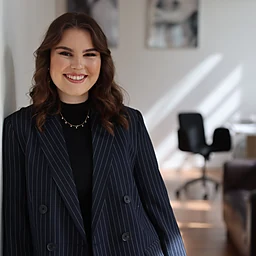
Juline Merten
Delegates Team member
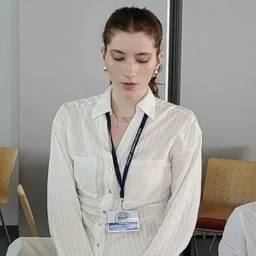
Kiana Shala
Under Secretary General of Delegates
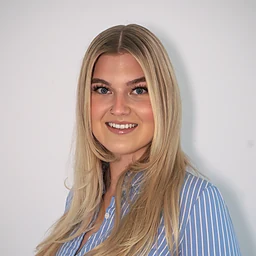
Lara Fabienne Hahne
Under Secretary General for Marketing

Larissa Fehn Krestas
Under Secretary General for Socials

Lenny Jesse Schmalscheidt
Under Secretary General for Finance
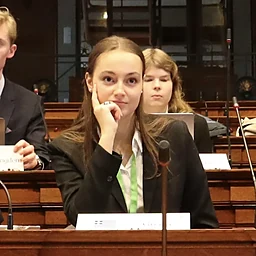
Lisa Görgemanns
Secretary General
Lukas Bauer
Academics Team

Mahima Rajpal
Under Secretary General for Academics

Rozalin Kahramaner
Head of Awareness
Sophia Hofbauer
Under Secretary General for Academics

More MUN conferences

ConferencesGermanyHamMUN 2026