MDS 2026

Munich Diplomacy Summit

Apr 9–12, 2026 Munich, Germany

Munich Diplomacy Summit

Conference

Munich, Germany·Europe

Apr 9–12, 2026

160 delegates expected

High school and university students

In English

How it went

4.3789 ratings from delegates
Academics
4.52
Logistics
4.27
Socials
4.31

About

Ties that shape tomorrow - bridging differences, building futures.

After the success of our 2025 edition, we are excited to welcome you to our second one in 2026! MDS 2026 offers a remarkable Model United Nations experience in Munich, hosted by Germany's largest MUN society MUNTUM e.V., and under the prestigious Technical University of Munich. Between the 9th and 12th of April 2026, expect high-level debates, interactive committee sessions, and unmissable socials at the heart of Europe!

At MDS 2026, we firmly believe that the debates that we hold today shape the world that we live in tomorrow. Our theme, "Ties that Shape Tomorrow – Bridging Differences, Building Futures", represents our commitment to constructing a conversation that crosses borders, perspectives, and cultures. We will address burning global issues together with an emphasis on collective sustainability, shared accountability, and creative solutions for a better tomorrow.

An All-Rounder MUN Experience

Accommodating up to 150 delegates, MDS 2026 has a large range of committees to suit each level of experience - from high school first-timers to university-level MUN veterans.

High school beginners can explore cultural heritage, education, and scientific cooperation under UNESCO, while intermediates focus on pressing transatlantic security and defense issues under NATO.

At the university level, newcomers will address decolonization in SPECPOL. Intermediate delegates can debate economic cooperation among emerging powers in BRICS+ or explore the special Roman Senate  committee. Finally, experts can address urgent global conflicts in the UNSC or debate high-stakes foreign policy in the United States Senate Committee on Foreign Relations.

The International Press Corps welcomes students of all levels, offering a forum to report on and analyze trends across committees.

Munich at its Best

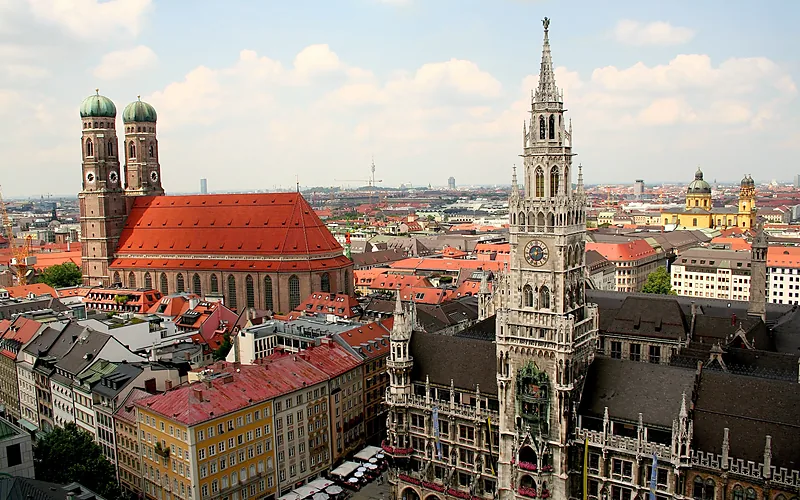
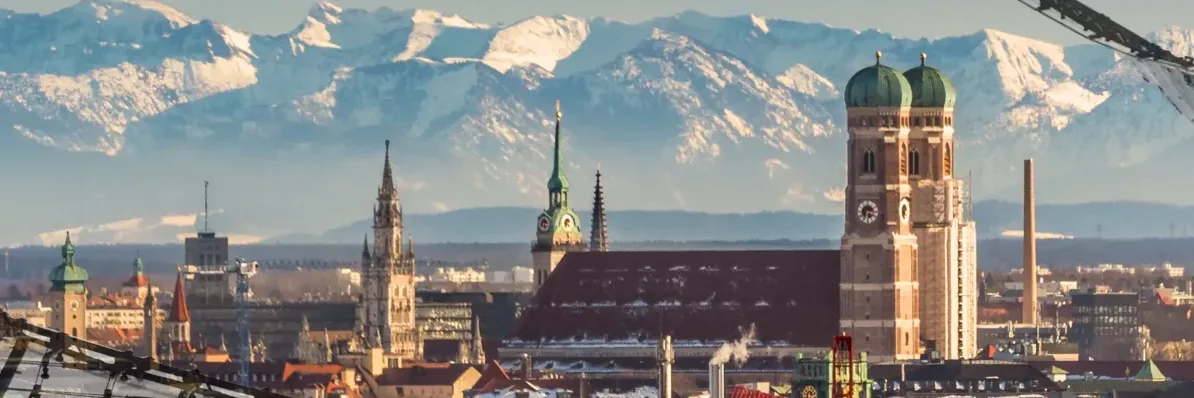
Our conference goes beyond committee sessions. With three exciting socials (including a spectacular Gala Night for the first time!) you’ll have the chance to network, relax, and experience the best of Munich. From the stunning TUM main campus to the city’s historic streets, our city offers a beautiful backdrop for academic engagement and lasting friendships.

Mark your calendars, prepare your speeches, and pack your suits!

We look forward to seeing you at MDS 2026!

Committees

  • 30 countries
    1. Addressing the safety and protection of Journalists in Conflict Affected Regions
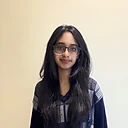
    • Samhita Yelamati
    • Julia Krzywicka

    UNESCO (Highschool)

    Beginner · English · 30 countries

    Topic

    Addressing the safety and protection of Journalists in Conflict Affected Regions

    About the committee

    The United Nations Educational, Scientific and Cultural Organization (UNESCO) works to foster peace and sustainable development through international cooperation in education, the sciences, culture, and communication. This committee is an excellent choice for delegates who are passionate about debating in a collaborative environment focused on long-term, global solutions. In conflict affected regions, Journalists are facing rising threats such as targeted violence, intimidation, abduction and detention, resulting in a rise in unreported human rights violations. The decline in safety of Journalists highlights a failure in the current framework of policies and protocols as well as its enforcement. UNESCO offers delegates a chance to examine how the international community can collaborate for supporting at risk journalists in some of the worlds most dangerous environments.

    Chairs

    Countries

    How this committee type works
  • 25 countries
    1. The role of technology in the destabilisation of fragile democracies
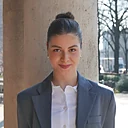
    • Anna Lingen
    • Yekta Can Tursun

    SPECPOL

    Beginner · English · 25 countries

    Topic

    The role of technology in the destabilisation of fragile democracies

    About the committee

    The United Nations General Assembly Fourth Committee, or with its other name, the Special Political and Decolonization Committee (SPECPOL), focuses on complex global challenges related to peace, political stability, decolonization, and the protection of vulnerable states. In this committee, delegates will explore how emerging technologies, such as social media, AI-driven algorithms, cyber systems, digital infrastructure, and modern surveillance, affect democratic institutions and shape public opinion, especially in fragile democracies of mostly post-colonial countries. They will also focus on debating what our limits are as global institutions in advancing democracies and how to prevent modern day colonialism while doing so. Key focus should be to promote robust solutions for current and possible risks through debating the responsibility of both states, global tech companies, and international institutions.

    Chairs

    Countries

    How this committee type works
  • 32 countries
    1. Enhancing NATO Partnerships: Establishing the future of NATO relations in the Indo-Pacific

    • Mahima Rajpal
    • Christopher Kiessling

    NATO (Highschool)

    Intermediate · English · 32 countries

    Topic

    Enhancing NATO Partnerships: Establishing the future of NATO relations in the Indo-Pacific

    About the committee

    The North Atlantic Treaty Organization (NATO) is a military and political alliance dedicated to collective defense and addressing modern security challenges. The fast-paced nature of this committee and its unique focus on military cooperation and strategic alliances make it an exciting and engaging experience for delegates interested in international security. Amid disruptions to the established global security structure the focus of NATO has been shifting to the growing challenges in the Indo-Pacific region. With some countries growing their influence both on land and sea, it is imperative that NATO find a cohesive strategy to maintain and strengthen its partnerships and relations in this region. As a high school committee, it will provide delegates a platform to develop real-world crisis management skills and strategic thinking. Delegates will also gain a unique perspective on the region, its countries (such as China, Japan, Indonesia, Korea and India), and its intricacies through the eyes of a NATO diplomat.

    Chairs

    Countries

    How this committee type works
  • 15 countries
    1. Establishing a Framework for Diplomatic Relations and Addressing the Increased Use of Autonomous Weapons
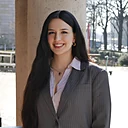
    • Fabienne Schäfer
    • Leen Alnajem

    BRICS+

    Intermediate · English · 15 countries

    Topic

    Establishing a Framework for Diplomatic Relations and Addressing the Increased Use of Autonomous Weapons

    About the committee

    The BRICS+ summit unites numerous states from all over the world to strengthen South-South cooperation. As a growing presence in international politics, BRICS+ debates a framework that challenges traditional power structures. This committee will discuss the new horizons of establishing a framework to expand its role in diplomatic relations globally. On another note, the increased use of autonomous weapons systems will constitute a second agenda item examining how BRICS+ can act in that regard.

    Chairs

    Countries

  • 20 countries
    1. Caesar at the Rubicon
    • Bénédict Tanner
    • Joshua Lane
    • Nicolas Drew

    Roman Senate

    Intermediate · English · 20 countries

    Topic

    Caesar at the Rubicon

    About the committee

    The year is 49BC. The Republic stands upon a fatal precipice. Caesar lurks with his battle hardened legions just beyond the Rubicon, eyeing Rome with hungry eyes. He has broken the laws of Rome and many in the Senate would see him stripped of his command and punished. But not all. At this moment of crisis you will sit in a Senate torn between the supporters of Caesar, his opponent Pompey and those with more complex loyalties. Through skilled oratory, secret understandings and unreliable alliances, you will have to come to an agreement, ensuring that you do not let slip the dogs of war and witness the Republic crumble over your heads.

    Chairs

    Countries

    How this committee type works
  • 17 countries
    1. The Situation in South Sudan
    • Jan Gehrmann
    • Daniel Henke
    • Sebastián Aguilar

    United Nations Security Council

    Expert · English · 17 countries

    Topic

    The Situation in South Sudan

    About the committee

    The world's most powerful deliberative body meets under the most realistic conditions possible in MUN to tackle the fragile situation in South Sudan. The Security Council at MDS delivers exceptional procedural realism in the MUN setting by using the presidency model, and its respective order & notice sessions. This revolutionary ROP originated at MDS and will be a staple for this year’s council, deploying it for the highest-stakes mandate debate in recent memory. South Sudan, the world's youngest nation, is on the brink of complete collapse. Government factions war openly in the streets. Ethnic violence has shattered the fragile 2020 ceasefire. And now, the UN peacekeeping mission UNMISS stands at its expiration date. We will conduct the most realistic UN mission evaluation ever attempted in Model UN: an actual mandate extension discussion where procedure and content matches the real Security Council. Fifteen member states, five with veto power, must navigate national interests, humanitarian imperatives, and the weight of precedent to determine the mission's future.

    Chairs

    Countries

    How this committee type works
  • 17 countries
    1. Ratification of the Treaty of Versailles (1919)

    • Rowan Crawford
    • Mihnea Pînzaru

    United States Senate Committee on Foreign Relations

    Expert · English · 17 countries

    Topic

    Ratification of the Treaty of Versailles (1919)

    About the committee

    The Great War has finally ended, and with it a new era emerges. In 1919, the United States Senate Committee on Foreign Relations finds itself as a stage for a political showdown that will decide the fate of world peace. The Treaty of Versailles and with it, the new League of Nations hang in an uneasy balance as the Wilsonian idealists clash with hard edged Reservationists and fiery Irreconcilables determined to keep America free from foreign entanglements. In a who’s who contest of 1910s American politics, diplomats and public figures will rise to testify as senators wage a battle of visions and principles. The rest of the world looks on as the Committee must choose: will America step boldly as the guardian of a brave new world, or slam the door shut on the league’s promise and chart its own course?

    Chairs

    Countries

  • 11 countries
    1. Reporting on the happenings at MDS 2026
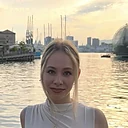
    • Antonia Katharina Steber
    • Sophie Henke

    International Press Corps

    English · 11 countries

    Topic

    Reporting on the happenings at MDS 2026

    About the committee

    In the International Press Corps (IPC), you will be able to support debates with your journalistic abilities by publishing various journalistic pieces, including featured articles, opinion articles, or interviews. Don’t forget that news outlets also use comedic columns or other creative media, such as memes and gossip, to cover the happenings outside of the debate! Your news will be published throughout the committee sessions and can lead to the uncovering of improper foreign policy or interesting alliances.

    Chairs

    Countries

    How this committee type works

Partner conferences

CBSMUN 2026
Copenhagen, Denmark

View conference
MUNSA 2025

Barcelona, Spain

View conference
SGMUN 2026

St.Gallen, Switzerland

View conference
KAMUN 2025

Karlsruhe, Germany

View conference
EuroMUN 2025

Maastricht, Netherlands

View conference
MAMUN 2025

Mannheim, Germany

View conference
CMS Model WHO 2025

Lisbon, Portugal

View conference
HDMUN 2026

Heidelberg, Germany

View conference
HamMUN 2026

Hamburg, Germany

View conference
AmsterMUN 2025

Amsterdam, Netherlands

View conference
LakeMUN 2026

Konstanz, Germany

View conference

Organizers

Abhinav Ajit
Under Secretary General of Socials
Amin Faouzi
Under Secretary General of Logistics
Ansh Mehta
Academic Director
David Holzwarth
Under Secretary General of Finance
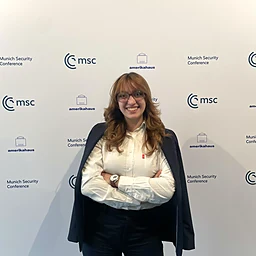
Jasmin Seitter
Under Secretary General of Administration
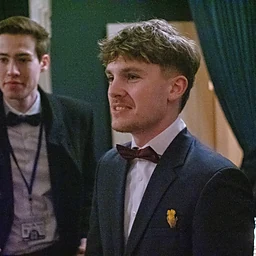
Julius Höflich
Under Secretary General of Administration
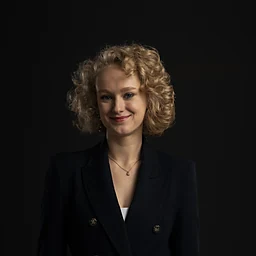
Katharina Haack
Deputy Secretary General
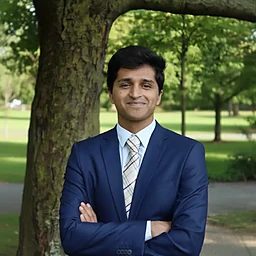
Kesav Menon
Under Secretary General of Academics
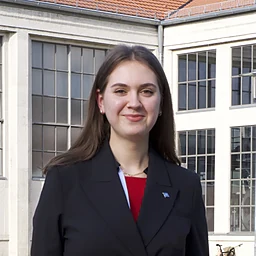
Lily Oehm
Under Secretary General of Publicity
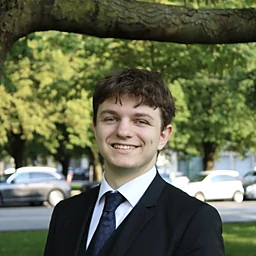
Mats Hagedorn
Secretary General
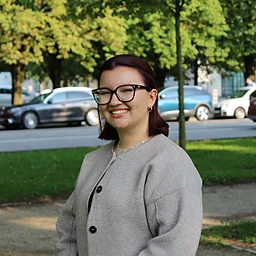
Myrto Nikolaou
Under Secretary General of Communications
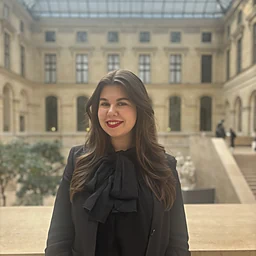
Nele Aulenbach
Academic Director
Nico Stein
Secretary General
Vishnu Nair
Academic Director

More MUN conferences

ConferencesGermanyMDS 2026