About
Engineering peace - debugging the past, building new systems.
After the success of our 2025 and 2026 editions, we are excited to welcome you to our third one as a full-fledged conference in 2027! MDS 2027 offers a remarkable Model United Nations experience in Munich, hosted by Germany's largest MUN society MUNTUM e.V., and under the prestigious Technical University of Munich. Between the 8th and 11th of April 2027, expect high-level debates, interactive committee sessions, and unmissable socials at the heart of Europe!
Our theme " Engineering peace - debugging the past, building new systems", inspired by the technical nature of our host university, represents two of our passions as MUN nerds (yes, you read that right): learning intensively about the past, and leveraging that knowledge to become the architects of better futures. We will address burning global issues together with an emphasis on collective sustainability, shared accountability, and creative solutions.
An All-Rounder MUN Experience
Accommodating up to 150 university delegates, MDS 2027 has a large range of committees to suit each level of experience. From first-timers to veterans.
Newcomers will address pressing climate issues at COP, and the fight against crime and drugs at UNODC.
Intermediate delegates can debate decolonization at SPECPOL. Chairs, and later delegates, can unwind their creativity through the Chair’s Choice. Hopefully a thrilling an innovative committee. Finally, experts can address urgent global conflicts in the UNSC or debate high-stakes ad-hoc policy in the Bicameral Crisis.
The International Press Corps welcomes students of all levels, offering a forum to report on and analyze trends across committees.
Munich at its Best
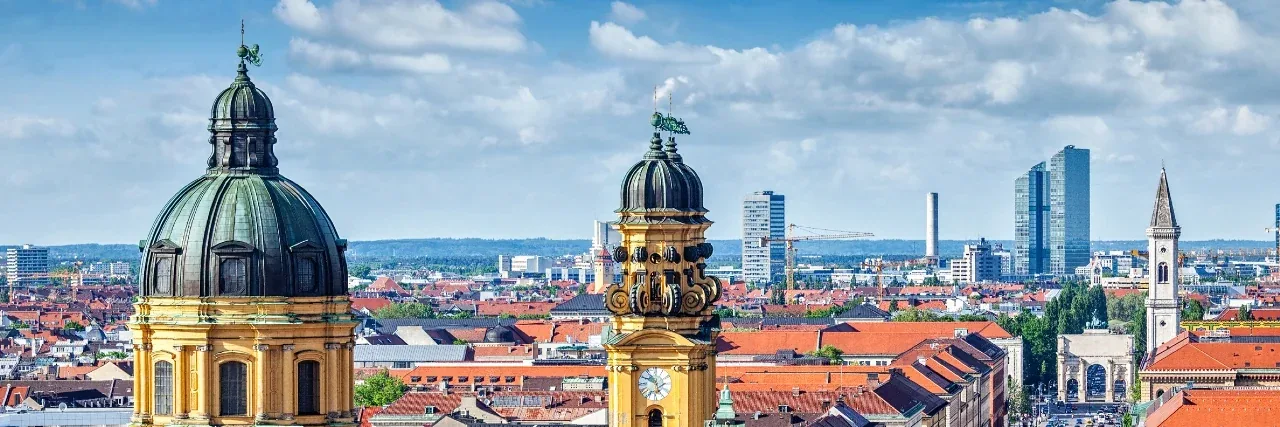
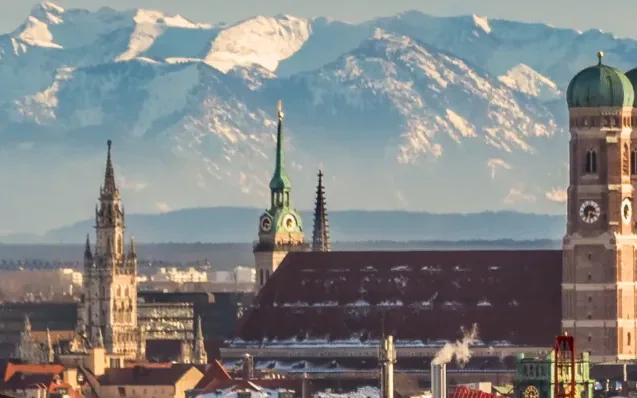
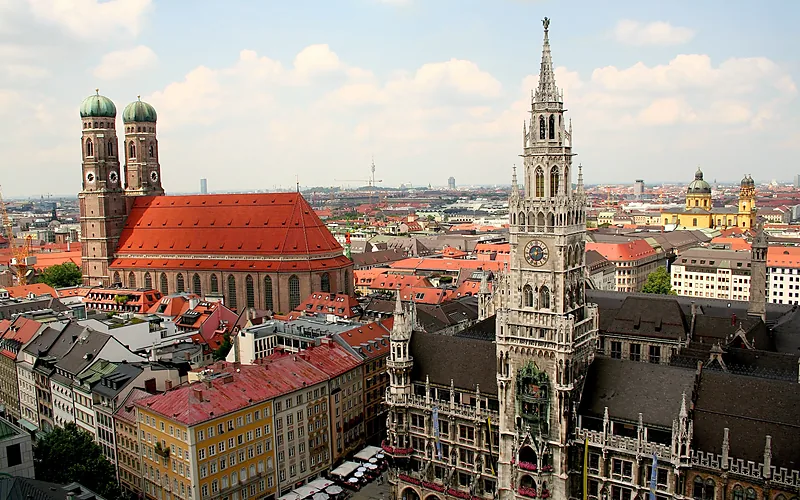
Our conference goes beyond committee sessions. With three exciting socials (including a spectacular Gala Night!) you’ll have the chance to network, relax, and experience the best of Munich. From the stunning TUM main campus to the city’s historic streets of the capital of Bavaria, our city, offers a beautiful backdrop for academic engagement and lasting friendships.
Mark your calendars, prepare your speeches, and pack your suits!
We look forward to seeing you at MDS 2027!
Committees
Climate change is one of the most severe global challenges of our time, but countries differ considerably in how they believe it should be addressed and how responsibilities should be shared. At the Conference of the Parties to the United Nations Framework Convention on Climate Change, delegates can negotiate questions such as emissions reductions, climate finance, adaptation, and support for countries particularly vulnerable to the effects of climate change. COP is particularly well suited for first or second-time delegates who want to improve their capabilities in public speaking and diplomacy through a topic of severe global importance.
The United Nations Office on Drugs and Crime addresses challenges including organized crime, drug trafficking, corruption, and human trafficking. As many of those issues frequently cross national borders, effective responses depend on international cooperation. At the same time, states often have differing opinions in their approaches to law enforcement, prevention, public health, and national sovereignty. These conflicts give delegates a broad range of positions and possible solutions to explore. UNODC at MDS wants to provide an accessible introduction into Model United Nations for first or second-time delegates who want to improve their capabilities in public speaking and diplomacy through a topic of severe global importance.
Has there ever been a committee you always wanted to do but no conference offered it yet? Chair’s Choice gives you as Chairs the freedom to develop a committee around a subject that you are particularly interested in. This may be an unusual political institution, a specific historical setting, or a format that falls outside the traditional Model United Nations framework. There are no boundaries to your imagination, and we are very excited to read your ideas!
The Fourth Committee of the UNGA, the Special Political and Decolonization Committee, addresses all questions concerning decolonization, self-determination, peacekeeping, and other unresolved international issues. Many of its topics are shaped by long and contested histories, requiring delegates to consider questions of sovereignty, international law, security, and historical responsibility alongside contemporary political interests. SPECPOL retains the familiar structure of a UN committee and is therefore particularly suited for intermediate delegates looking to build on previous MUN experience and engage with issues where national positions are often deeply rooted and compromise can be difficult to achieve.
The Bicameral Crisis places two opposing cabinets at the centre of a pivotal moment, either in history or present day. Both committees debate simultaneously, with decisions taken in one cabinet directly affecting developments faced by the other. Delegates assume individual political, diplomatic, or military roles and use directives, negotiations, intelligence, and other tools to pursue their objectives. Designed for experienced delegates, the Bicameral Crisis places particular emphasis on strategic thinking, flexibility, individual initiative, and decision-making under uncertainty.
The world's most powerful deliberative body meets under the most realistic conditions possible in MUN to tackle questions of global security. The Security Council at MDS delivers exceptional procedural realism in the MUN setting by using the presidency model, and its respective order & notice sessions. This revolutionary ROP originated at MDS and will be a staple for this year’s council, deploying it for the highest-stakes mandate debate in recent memory. Fifteen member states, five with veto power, must navigate national interests, humanitarian imperatives, and the weight of precedent to determine the world’s future.
The International Press Corps covers developments across MDS rather than participating in only one committee. Press delegates follow debates, conduct interviews with delegates, investigate emerging stories, and report on the decisions being made throughout the conference. Reporting can bring more depth to negotiations, draw attention to contradictions, and influence how developments are perceived across the conference. The International Press Corps offers an entirely different experience from regular MUN and is particularly suited for participants interested in journalism, photography, media, or political communication.

Organizers
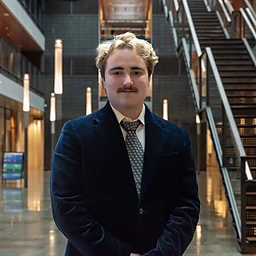
Benjamin Bjørn Lebeck
USG of Publicity
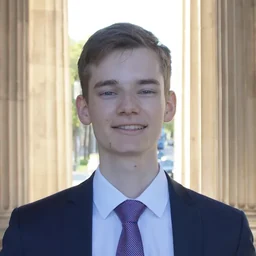
David Holzwarth
USG of Finance
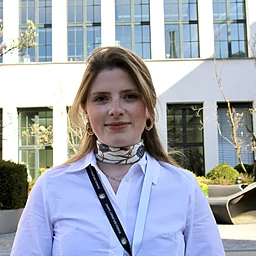
Elena Senn
Academic Director
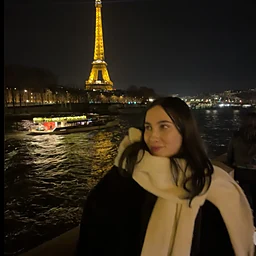
Emilia Zael
Secretary General
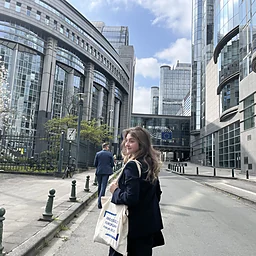
Isabell Walther
Deputy Secretary General
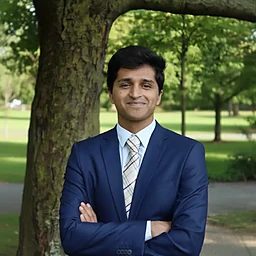
Kesav Menon
Academic Director
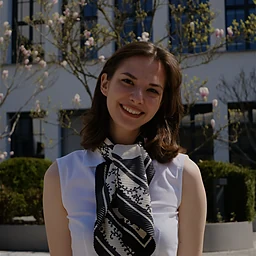
Laetitia Tranitz
USG of Administration
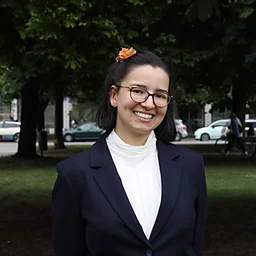
Laura Will
USG of Socials
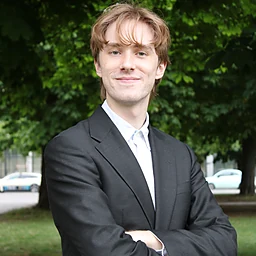
Leonard Asbahr Mitrik
USG of Communications
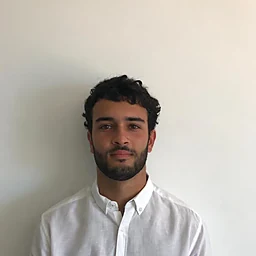
Martín Tabares de Nava Zárate
Secretary General
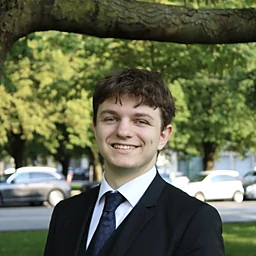

Michael Timothy
USG of Administration
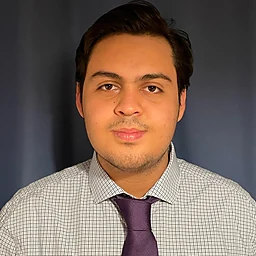
Miguel Madera Jimenez
USG of Logistics
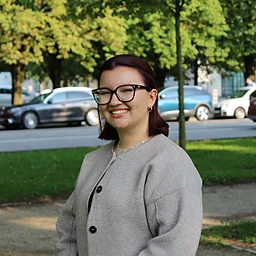
Myrto Nikolaou
Academic Director
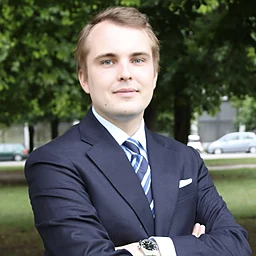
Nico Stein
USG of Academics

Yekta Can Tursun
Academic Director
More MUN conferences
GermanyMUN conferences in Germany EuropeMUN conferences in Europe April 2027MUN conferences in April 2027 University MUNMUN conferences for university students
ConferencesGermanyMDS 2027