
KAMUN 2022

KAMUN

Nov 18–20, 2022 Karlsruhe, Germany

KAMUN

Conference

Karlsruhe, Germany·Europe

Nov 18–20, 2022

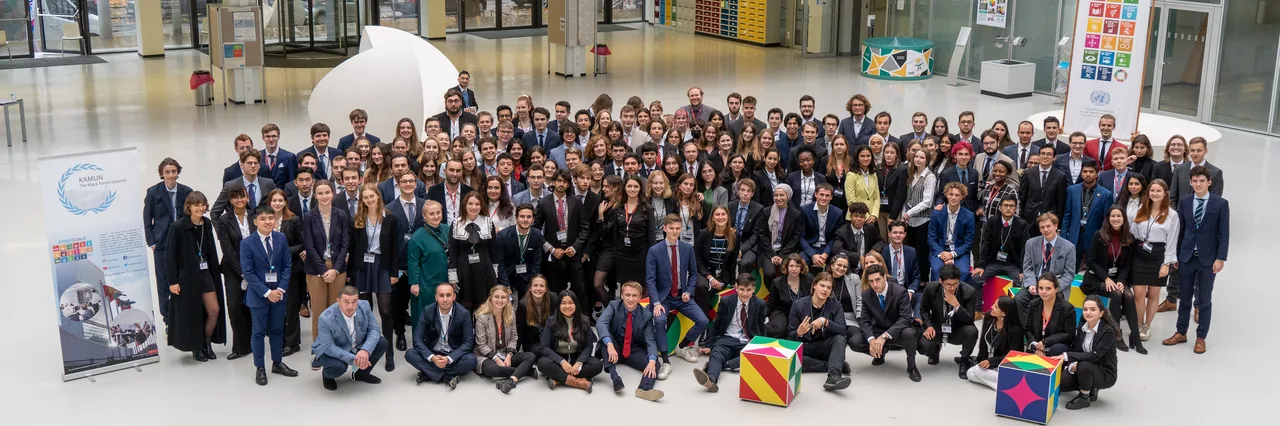
120 delegates expected

University students

In English

How it went

4.1687 ratings from delegates
Academics
4.28
Logistics
4.34
Socials
3.86

About

KAMUN 2022 - The Black Forest Summit

After the successful KAMUN 2021 we want to offer you an even richer experience of MUN.

KAMUN 2022 - The Black Forest Summit will not only be an academic challenge but also an intercultural experience. Come and join delegates from all over the world in fruitful debates - this year’s KAMUN will be all about past, present, and future controversies. Ranging from a beginner-friendly, over an intermediate, up to an advanced committee, we offer opportunities for every MUN enthusiast to debate. Highlight this year will surely be the historic Security Council (double-delegate committee).

Beyond debate, we warmly invite you to live the MUN culture with us - be excited for some extraordinary, cultural, and astonishing events including live music and a ball in the 16th century castle of Karlsruhe.

The Team of the KAMUN 2022 is looking forward to welcoming you in Karlsruhe this autumn! We assure you that you will not forget this conference!

Please note that only university students (and similar further education institutions) will be accepted for this conference.

Included in the delegate fee is not only the excellent food we will provide (2x breakfast, lunch, and dinner, as well as coffee, water and snacks during the whole conference; selected drinks for the socials) but also the entrance to the glamorous delegates ball. So be exited for this years KAMUN!

Committees

  • 36 countries
    1. MUN Refugee Challenge - Statelessness
    • Daria Kisseleva
    • Alex Dietz

    United Nations High Commissioner for Refugees Committee (UNHCR) - Beginner

    Beginner · English · 36 countries

    Topic

    MUN Refugee Challenge - Statelessness

    About the committee

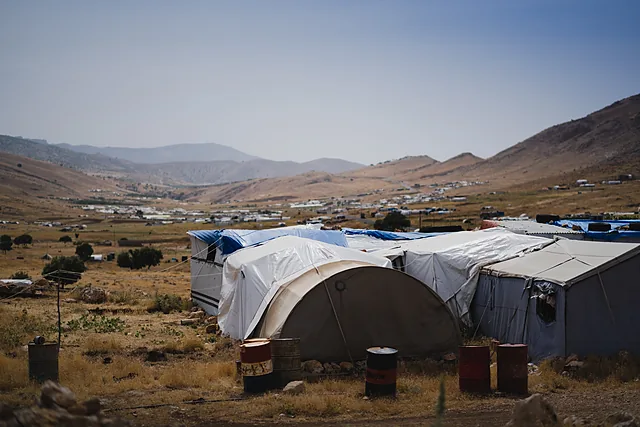
    United Nations High Commissioner for Refugees Committee (UNHCR) data suggests that 10 million people in the world today are stateless, meaning they do not hold the nationality of any country. Without a nationality, stateless people are often denied their fundamental rights, from access to education, health care, and economic opportunities, to freedom of movement and protection from abuse. The vulnerability created by these human rights violations can result in higher rates of exploitation and incarceration of stateless people, also putting them at greater risk of gender-based violence and mental health issues. These phenomena spread beyond the individual scale as they are often root causes of widespread poverty, social unrest, displacement and conflict, making statelessness a scourge on society as a whole.  The challenge awaiting UNHCR delegates will be twofold, as their mission will consist in finding solutions to both eradicate statelessness and protect the rights of stateless people in the process. In order to address those weighty issues, delegates will be expected to come up with innovative, long-lasting solutions, finding the right balance between creativity and viability. From changing laws that create statelessness in the first place to protecting the social and economic rights of stateless people, the challenges of this committee will be manifold and require the support of local and international actors. Hopefully, the delegates will be up to that daunting task!

    Chairs

    Countries

    How this committee type works
  • 23 countries
    1. Microfinance with a focus on women empowerment
    • Rezwan Ahmed
    • Tara Shokouhzadeh

    Economic and Financial Committee (ECOFIN) - Intermediate

    Intermediate · English · 23 countries

    Topic

    Microfinance with a focus on women empowerment

    About the committee

    The United Nations General Assembly Second Committee is one of the six main committees of the UNGA. It deals with global finance and economic matters. In this committee, the focus will be on investment in micro-finance programmes, which have increased in recent years. However, services such as loans, insurance, or savings are still considered to be biased when it comes to gender equality. The loans and savings facilities need improvement in order to empower women. Structural development should focus on the increasing benefits of women while ensuring effective strategies for diminishing poverty. To achieve financial sustainability, donors and NGOs should make the micro-finance process accessible for women. In this committee the delegates will have to bridge financial needs and differences between the global north and the global south, while at the same time focusing on gender discrimination and equality. Focusing on tackling the SDGs 5, 8, and 10 will for sure spark interesting debates for the ECOFIN delegates.

    Chairs

    Countries

    How this committee type works
  • 21 countries
    1. Use of the Arctic
    • Charlotte Stange
    • Leah Mathiesen

    Arctic Council - Specialised

    Expert · English · 21 countries

    Topic

    Use of the Arctic

    About the committee

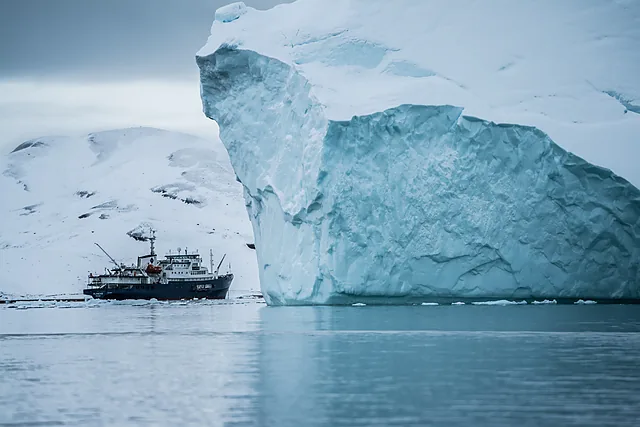
    The Arctic Council is an intergovernmental forum composed of Arctic bordering countries, (Canada, Denmark, Finland, Iceland, Norway, Russia, Sweden, and the United States), the Arctics indigenous peoples as permanent representatives as well as observer states (France, Germany, Italy, Japan, the Netherlands, China, Poland, India, Korea, Singapore, Spain, Switzerland, and the United Kingdom). Promoting cooperation and dialogue between member states is the Arctic Council’s main goal and has led to the negotiation of three legally binding agreements in the past (strengthening international cooperation on issues of search and rescue at sea, marine oil pollution, and scientific cooperation in the Arctic). At KAMUN, delegates will discuss ways to ensure a sustainable use of the Arctic Marine Environment, an urgent issue, as the region belongs to those most impacted by climate change. With the ice cover of the Arctic decreasing however, new trade routes are being revealed and offer new opportunities for commercial use and economic exploitation of the Arctic Sea, as well as the potential for a militarization of the Artic Zone. Beginning commercial usage of these new routes may well cause lasting damage to the fragile ecosystem as well as the inhabitants of the Arctic. While first steps towards a more sustainable use of the Arctic have been achieved through the Polar Code negotiated in working groups of the IMO, the need for more comprehensive and far-reaching legislation to protect the Arctic marine environment remains evident.

    Chairs

    Countries

  • 15 countries · 2 delegates each
    1. 1995 Dayton Agreement
    • Dahlia Arora
    • Manon Ponsolle

    Historic United Nations Security Council (UNSC) - Advanced

    Expert · English · 15 countries · 2 delegates each

    Topic

    1995 Dayton Agreement

    About the committee

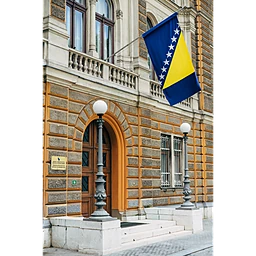
    “Those who cannot remember the past are condemned to repeat it.” As delegates of the Security Council, blessed with the knowledge of what has transpired while burdened by the present, you have the unique opportunity to change history. You will jump back in time and be given the responsibility of fulfilling your role in the peace process following the violent collapse of the Socialist Federal Republic of Yugoslavia. The horrific atrocities of 1995 and earlier will be as close to you as the year 2022, armed with this knowledge you may be able to strengthen accountability within the UN, associated Partners and service providers. Entrusted with the power to establish binding international law, through resolutions, it is up to the UNSC to answer the call of the Dayton Accords. You can rely on the extensive historic record, academic analysis after the fact and the original resolutions, but you must overcome the failures of 1995. As the Security Council you will be able to debate the harms of international assistance missions and will grapple with fundamental tenants of international law. You will have read, how Peacekeepers exploited their position, how UN Police Advisors failed the people they were supposed to protect and now you will try to prevent past mistakes. As Delegates you may create a better path forward…

    Chairs

    Countries

    How this committee type works
  • 8 countries

    In our International Press Corps, our delegates will have the opportunity to write editorials about the debates, to conduct interviews with the delegates, to lead press conferences and much more... The delegates will take up the role of one well-known international newspaper, hence representing their views and perspectives in their work! During the conference, the delegates will have the chance to influence the debates and collect high-level journalistic experience.
    • Jonas Pardamean Simorangkir
    • Manuela Ramos Barroso

    Press Corps

    Intermediate · English · 8 countries

    About the committee

    In our International Press Corps, our delegates will have the opportunity to write editorials about the debates, to conduct interviews with the delegates, to lead press conferences and much more... The delegates will take up the role of one well-known international newspaper, hence representing their views and perspectives in their work! During the conference, the delegates will have the chance to influence the debates and collect high-level journalistic experience.

    Chairs

    Countries

    How this committee type works

Partner conferences

MAMUN 2023

Mannheim, Germany

View conference

Organizers

Alex Dietz
Hausmeister

Ansh Mehta
USG Internal Relations

Aurel Steinert
Hausmeister
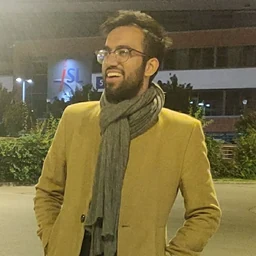
Hridey Batra
USG Delegates
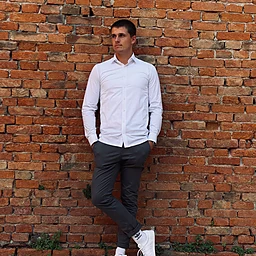
Jonas Bruns
Hausmeister

Julius Quandt
USG External Relations

Lia Iaora Endter
Arctic Council
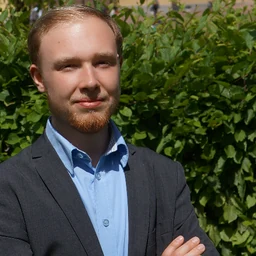
Luuk Simon
USG Delegates
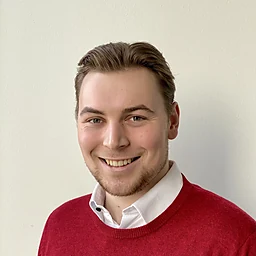
Maximilian von Linden
International Press Corps
Paul Mauersberg
USG Academics
More MUN conferences

ConferencesGermanyKAMUN 2022