MUNSA 2026

Model of United Nations Students Association Barcelona

Sep 17–20, 2026 Barcelona, Spain

Model of United Nations Students Association Barcelona

Conference

Barcelona, Spain·Europe

Sep 17–20, 2026

180 delegates expected

High school and university students

In English and Spanish

How it went

4.4483 ratings from delegates
Academics
4.49
Logistics
4.52
Socials
4.31

About

Audere est facere: To dare is to do


Honorable future MUNSA participants,

It is with great honor that we welcome you to the seventh edition of the Model of United Nations Student Association. On behalf of the United Nations Student Association of Barcelona (UNSA Barcelona) and the Secretariat Team, we are delighted to announce that MUNSA 2026 will take place in the beautiful city of Barcelona from September 17th to 20th, 2026. The countdown has officially begun!

Building upon the dedication and vision of past MUNSA Secretariats, this edition marks an important step forward in the evolution of our conference. For the first time in MUNSA’s history, delegates will experience a double delegation format, as well as committees conducted in multiple working languages, reflecting the linguistic and cultural diversity that defines international diplomacy. True to the global spirit of the MUN movement, MUNSA 2026 invites delegates on a diplomatic journey that travels from New York to Geneva, continues through Brussels and Vienna, crosses the halls of justice in The Hague, and reaches the regional forums of Cairo; all coming together in Barcelona. By gathering this rich mosaic of regional and international institutions in one city, we aim to turn MUNSA into a true crossroads of global dialogue, where different traditions of diplomacy meet, clash, and ultimately collaborate.

Indeed, this year’s edition will feature eight distinctive committees, thoughtfully crafted to promote in-depth debate and collaboration across four immersive days. MUNSA 2026 will offer its first High School Committee: the United Nations General Assembly (UNGA). In addition, university delegates will engage in the United Nations Office on Drugs and Crime (UNODC), addressing global challenges related to crime and justice; the United Nations High Commissioner for Refugees (UNHCR), focusing on humanitarian protection and displacement; the European Council (EUCO), shaping policy responses within the European Union; a Futuristic Arab League (FAL), envisioning innovative solutions for regional cooperation; the International Criminal Court (ICC), examining accountability and international law; the United Nations Security Council (UNSC), the central body for maintaining international peace and security; and the Bicameral Crisis, a fast-paced and dynamic setting designed to test delegates’ adaptability and strategic thinking.

Over the course of the conference, participants will sharpen their diplomatic, negotiation, and leadership abilities while forming meaningful connections with fellow delegates from a wide range of cultures and perspectives.

Finally, don’t forget to stay updated by following us on all our social media. You can find us on Instagram, LinkedIn, and TikTok at @munsaconference.

Fins aviat - Laister arte,

Elisenda Monjas and Maui Idiaquez,

Secretary General and Director General of MUNSA 2026.

Committees

  • 33 countries
    1. Addressing democracy and human rights in Venezuela
    • Martina Ramoneda
    • Daniel Aragón

    United Nations General Assembly (UNGA) - High Schooler

    English · 33 countries

    Topic

    Addressing democracy and human rights in Venezuela

    About the committee

    The United Nations General Assembly, also known as UNGA, is the principal policy-making body of the United Nations. Apart from approving budgets, electing non permanent members of the Security Council, or appointing the Secretary-General, it also serves as a uniquely composed forum for multilateral dialogue, bringing together all Member States and addressing the full spectrum of issues encompassed by the UN Charter. At MUNSA 2026, UNGA will offer delegates an expansive and engaging arena. Its broad mandate will encourage comprehensive debate, strategic coalition-building, and consensus-driven negotiation across a wide range of global concerns.

    Chairs

    Countries

    How this committee type works
  • 24 countries
    1. Fortalecer las acciones de la Oficina de Drogas y Crímenes de las Naciones Unidas contra las redes terroristas y el crimen organizado
    • Celia Sedano Rojo
    • Dimitry Fesenko Yaychenya

    Oficina de las Naciones Unidas contra la Droga y el Delito (UNODC) - in Spanish

    Beginner · Spanish · 24 countries

    Topic

    Fortalecer las acciones de la Oficina de Drogas y Crímenes de las Naciones Unidas contra las redes terroristas y el crimen organizado

    About the committee

    La Oficina de las Naciones Unidas contra la Droga y el Delito (UNODC) es la institución multilateral de las Naciones Unidas que trabaja para apoyar a los Estados miembros contra el uso de drogas ilícitas, la corrupción, el crimen transnacional y el terrorismo. Creada en 1997, y actualmente con más de 20 sedes en todo el mundo, tiene como objetivo principal promover seguridad, paz y justicia a través de la asistencia directa a Estados miembros con el refuerzo de capacidades técnicas y legales a nivel doméstico, así como la promoción de programas transnacionales. Los delegados de este comité tendrán la responsabilidad de trabajar en equipo para facilitar soluciones duraderas y eficaces en línea con el mandato central de UNODC.

    Chairs

    Countries

    How this committee type works
  • 19 countries · 2 delegates each
    1. Displaced Persons at Sea: Addressing Maritime Limbo Through Asylum Access and Responsibility Sharing for Migrants and Stateless Individuals
    • Karim Abou Alayoui
    • Leire Nieves Varela Bóo

    United Nations High Commissioner for Refugees (UNHCR) - Double Delegation

    Beginner · English · 19 countries · 2 delegates each

    Topic

    Displaced Persons at Sea: Addressing Maritime Limbo Through Asylum Access and Responsibility Sharing for Migrants and Stateless Individuals

    About the committee

    The United Nations High Commissioner for Refugees (UNHCR), also known as the UN Refugee Agency, is the UN body responsible for the protection, safety and support of refugees, stateless people and forcibly displaced communities. Established in 1950, its aim is to save lives, protect human rights and to build a better future for people forced to flee their homes because of conflict and persecution. Today, the UN Refugee Agency works in 136 countries and safeguards or assists 121 million refugees. In this edition of MUNSA, this committee will have the feature of being a double delegation. Focusing on aspects of teamwork, leadership and compromise in a context of humanitarian urgency, forced displacement and complex international coordination. Strengthening delegates’ essential skills to navigate today’s international environment.

    Chairs

    Countries

    How this committee type works
  • 26 countries
    1. Evaluating the Future of EU Enlargement: Balancing Integration, Security, and Economic Cohesion
    • Lito Daskalaki
    • Elsa Vinyals Solé

    European Council (EUCO)

    Intermediate · English · 26 countries

    Topic

    Evaluating the Future of EU Enlargement: Balancing Integration, Security, and Economic Cohesion

    About the committee

    The European Council, also known as EUCO, is the highest political body in the European Union (EU). It was informally created in 1974, but it was not until the Treaty of Lisbon in 2009, when it was formally established as an institutional body of the EU. As one of the seven formal institutions comprising the European Union, the European Council brings together the highest executive authority of each member state with the objective of providing the general guidelines and political impetus of the European Union. Thus, the European Council, it is not a legislative nor executive body, as the Council of the European Union, the European Parliament and the European Commission, but instead gathers the 27 elected heads of state or government with the aim of giving general guidelines, strategic directions and focuses notably, on crisis-solving, to the other institutional bodies that further execute and legislate policies. It is composed of the permanent president of the Council, 27 heads of government or state, and the President of the European Commission. This committee provides the unique experience for those delegates who aspire to shape European integration from the highest authority core of the European institutions.

    Chairs

    Countries

    How this committee type works
  • 20 countries
    1. Admission of the Central Arab Republic (CAR)
    • Laura Martín Ribas
    • Gerard Gríful Carbó

    Futuristic Arab League (FAL)

    Intermediate · English · 20 countries

    Topic

    Admission of the Central Arab Republic (CAR)

    About the committee

    The League of Arab States is a regional organization founded in 1945 to strengthen ties among Arab countries. It focuses on fostering cooperation across political, economic, social and cultural fields among its 22 members. Today it brings together its member states from North Africa to the Gulf and serves as a diplomatic forum for consultation, joint initiatives and mediation. In this edition, delegates will explore not the present but instead the future of these countries and organization. That is why MUNSA presents the Futuristic Arab League, focusing on long-term regional integration and imaginative measures. This committee best suits delegates who enjoy strategic debate, creative problem-solving and building ambitious visions through negotiation and coalition-building.

    Chairs

    Countries

    How this committee type works
  • 18 countries
    1. La Fiscalía contra Nayib Bukele: Deteniendo los crímenes contra la humanidad en el sistema penal salvadoreño
    • Anna Fernández Rivera
    • Carla Gonzalez De La Paz

    Corte Penal Internacional (CPI) - in Spanish

    Intermediate · Spanish · 18 countries

    Topic

    La Fiscalía contra Nayib Bukele: Deteniendo los crímenes contra la humanidad en el sistema penal salvadoreño

    About the committee

    Established in 2002, the International Criminal Court is an independent judicial institution responsible for prosecuting individuals for the most serious crimes of international concern, including genocide, crimes against humanity, war crimes, and the crime of aggression. Based in The Hague, the Court operates as a permanent body, seeking to ensure accountability when national jurisdictions are unwilling or unable to do so. By choosing this legal committee, the delegates are provided with a unique opportunity to explore the legal dimension of international relations, encouraging careful analysis, ethical decision-making, and debate on the balance between state sovereignty and international justice.

    Chairs

    Countries

    How this committee type works
  • 15 countries
    1. Strategic Competition and Climate Security in the Arctic: Militarization, Resource Governance, and Emerging Maritime Routes
    • Adrià Ramon Regidor
    • Alena Cooper

    United Nations Security Council (UNSC)

    Expert · English · 15 countries

    Topic

    Strategic Competition and Climate Security in the Arctic: Militarization, Resource Governance, and Emerging Maritime Routes

    About the committee

    Established in 1945, the United Nations Security Council is the UN body responsible for maintaining international peace and security. It is composed of 15 members, including five permanent members: the United States, Russia, China, the United Kingdom, and France, alongside ten non-permanent members elected for two-year terms. The Council plays a central role in addressing global conflicts, authorizing peacekeeping missions, and imposing sanctions when necessary. The UNSC has been chosen for MUNSA 2026 because it offers delegates a highly realistic and influential setting in which they can engage with some of the most pressing issues in international politics, encouraging strategic thinking, negotiation, and multilateral problem-solving.

    Chairs

    Countries

    How this committee type works
  • 13 countries
    1. The Year 2440: The Threat of the Past
    • Codrin Moisa
    • Anna Farré Pedrós

    Crisis - The High Council of the Federation

    Expert · English · 13 countries

    Topic

    The Year 2440: The Threat of the Past

    About the committee

    Building on the success of its stellar debut, the Crisis Committee returns to MUNSA 2026 for its second edition, more dynamic and challenging than ever. This fast-paced, bi-cameral committee remains the pinnacle of high-pressure decision-making, where delegates must combine diplomatic agility with a deep understanding of international relations to uncover shifting threats and navigate unforeseen political turns. As the conference unfolds, a relentless influx of real-time events will test participants' ability to think strategically and act decisively, demanding the rapid enactment of precise measures, statements, and directives. Designed for those who thrive in an ever-changing environment, the 2026 Crisis Committee offers an even more immersive experience for versatile leaders ready to shape history in the face of global emergencies.

    Chairs

    Countries

    How this committee type works
  • 11 countries
    1. The Year 2440: The Threat of the Past
    • Alejandro Barrientos Silvestre
    • Pedro Alejandro Fernandez Casart
    • Silvia Duque Rodriguez
    • Mihnea Pînzaru
    • Diego Benítez Jarque
    • Carla Gabarro

    Crisis - The Order of Summum Potestas

    Expert · English · 11 countries

    Topic

    The Year 2440: The Threat of the Past

    About the committee

    Building on the success of its stellar debut, the Crisis Committee returns to MUNSA 2026 for its second edition, more dynamic and challenging than ever. This fast-paced, bi-cameral committee remains the pinnacle of high-pressure decision-making, where delegates must combine diplomatic agility with a deep understanding of international relations to uncover shifting threats and navigate unforeseen political turns. As the conference unfolds, a relentless influx of real-time events will test participants' ability to think strategically and act decisively, demanding the rapid enactment of precise measures, statements, and directives. Designed for those who thrive in an ever-changing environment, the 2026 Crisis Committee offers an even more immersive experience for versatile leaders ready to shape history in the face of global emergencies.

    Chairs

    Countries

    How this committee type works

Partner conferences

SIMUN 2026
Paris, France

View conference
EuroMUN 2026

Maastricht, Netherlands

View conference
CGNMUN 2025

Cologne, Germany

View conference
MDS 2026

Munich, Germany

View conference
NEBRIJAMUN 2025

Madrid, Spain

View conference
IsarMUN 2025

Munich, Germany

View conference
UABMUN 2026

Cerdanyola del Vallès (Barcelona), Spain

View conference
PIMUN 2026

Paris, France

View conference
YESMUN 2026

Warsaw, Poland

View conference
ALMUN 2026

Alicante, Spain

View conference
AmsterMUN 2026

Amsterdam, Netherlands

View conference

Organizers

Àneu Casellas
USG Registrations

Ekiñe Ranedo García
Socials member
Elisenda Monjas Alberdi
Secretary General
Eulalia Pina Mondejar
Socials member
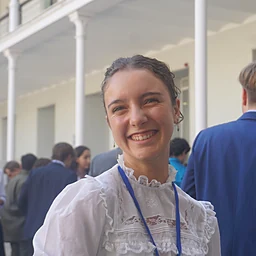
Fred Casadellà Vázquez
Academics member
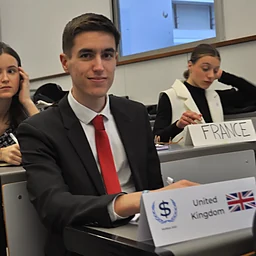
Gerard Olivon
Head of Finances
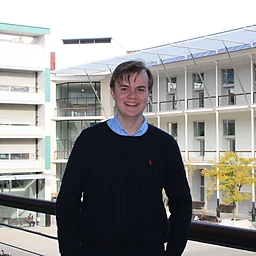
Ingrid Noelle
USG Socials and Partnerships
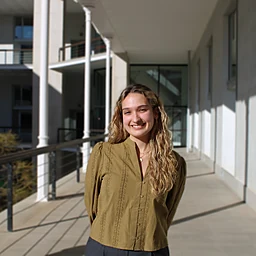
Judith Rodriguez Costas
USG Communications
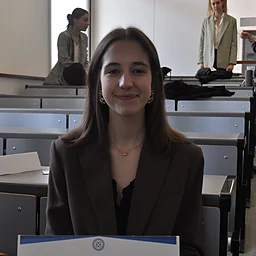
Laura Vilà
USG Socials and Partnerships
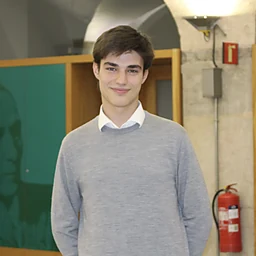
Marc Figueras Garcia
Registrations member
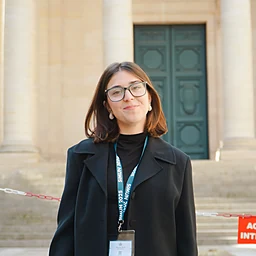
Marina Moll
Communications member

Mario Deler
USG Academics
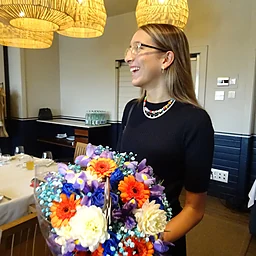
Mar Marti Adam
Head of Institutional Outreach
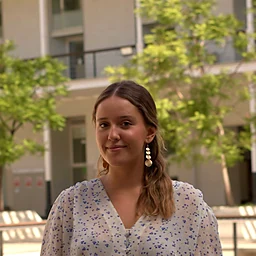
Maui Idiaquez
Director General
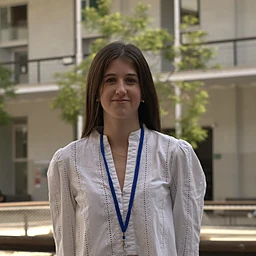
Meritxell Franquesa Sureda
Registrations member

Núria Palazón Blaya
Communications member
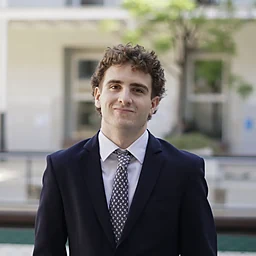
Oier Zapiain Aluztiza
USG Communications
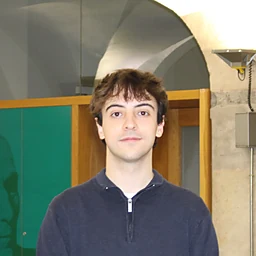
Oriol Espuga
USG Registrations

More MUN conferences

ConferencesSpainMUNSA 2026