
European Model United Nations
Chair applications close Nov 29, 2026
- University
- Rated 4.2 out of 5 from 1,750 reviews
- About 260 delegates expected
4 beginner committees
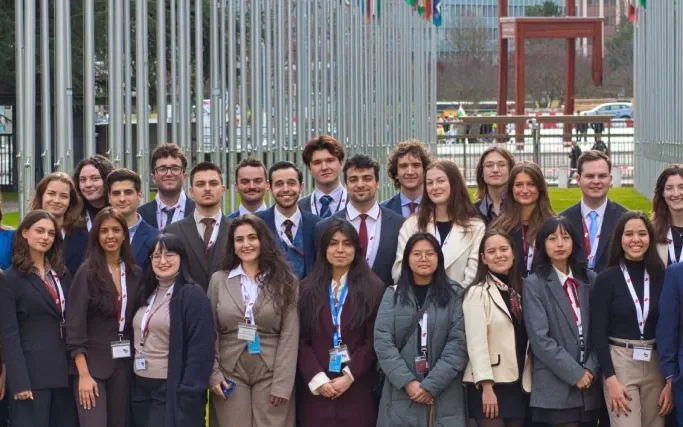
Apply now to European Model United Nations632 upcoming Model UN conferences take university and college students, 249 of them open now. Most delegates are 18 to 26.
Open for applications and running the most beginner committees.
Chair applications close Nov 29, 2026
4 beginner committees
Apply now to European Model United NationsApplications close Nov 14, 2026
3 beginner committees
Apply now to Malmö and Gothenburg MUNApplications close Nov 25, 2026
3 beginner committees
Apply now to University of Bath Model United NationsApplications close Jan 5, 2027
3 beginner committees
Apply now to Geneva International Model United NationsObserver applications close Jan 29, 2027
3 beginner committees
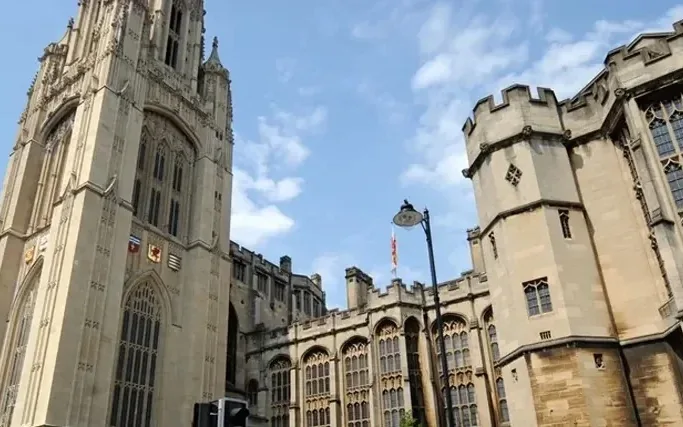
Apply now to University of Bristol Model United NationsApplications close Feb 7, 2027
3 beginner committees
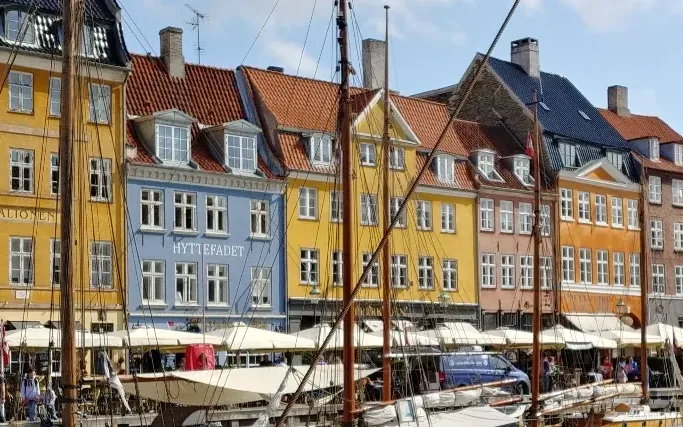
Apply now to Copenhagen Business School Model United NationsOpen for applications first, soonest first.
Showing 12 of 632
Not open yet
Not open yet
Not open yet
Not open yet
Not open yet
Applications open from Dec 7, 2026
Not open yet
Not open yet
Applications closed
Applications closed
Applications closed
Applications closed
The season peaks in March. 192 conferences are coming up in November 2026.
For the March peak, apply in January.
129 close in the next 30 daysChairs are typically 21. A typical delegation brings 7 students.
Committees debate in English. 7 conferences run one in Spanish. One conference runs one in Catalan. One conference runs one in Chinese.
University conferences draw delegates from more countries: 25 nationalities at a typical one, against 11.
| Level | Upcoming | Delegate ages | Typical fee | Rating | Busiest month |
|---|---|---|---|---|---|
| High schoolages 14–18 · €40–92 · 4.24 rating · busiest in November | 907 | 14–18 | €40–92 | 4.24 | November |
| Universityages 18–26 · €30–85 · 4.11 rating · busiest in March | 632 | 18–26 | €30–85 | 4.11 | March |
Short guides for the trip, the budget and the first day.
Yes. College and university count as one level on mymun, so every university conference is open to college students too. Right now 632 upcoming conferences on mymun take them.
Conferences draw delegates from more countries, more of them run four days or longer, and crisis committees and press corps are more common. The committees that university conferences on mymun run most often are UNSC (57%), UNHRC (29%) and crisis committees (25%).
Mostly undergraduate and graduate students. Most delegates at university conferences on mymun are 18 to 26, and 57% of the conferences taking delegate applications set no maximum age.
No. You can apply on your own, or go with the delegation your society registers. Of the university conferences taking applications on mymun, 91% accept students who apply on their own.
Yes, you can apply to chair, and some conferences interview their chair applicants first. Of the university conferences on mymun that take delegate applications, 42% also take chair applications.
You pay a delegate fee to the conference, plus travel and accommodation if it is away from home. The typical delegate fee at university conferences on mymun is €57. Some conferences charge nothing: choose Free in the Price filter to find them.
Apply as soon as you have picked a conference rather than in its last week. Applications usually close 6 days before the start, but 27% close two weeks or more ahead.
Most applicants do. At university conferences on mymun, 82% of individual applications that got an answer were accepted. Some conferences also ask about your earlier conferences or for a motivation letter, so have both ready.
General Assembly committees and councils run on the procedure you may know from school: the speakers' list, moderated and unmoderated caucuses, draft resolutions and a final vote.
In a crisis committee there is no fixed agenda: the crisis staff sends updates that change the situation, and you answer with directives the room votes on and with private crisis notes sent in your character's name.
The press corps is the conference's newsroom: you write for a named outlet in its style, sit in on other committees, interview delegates and publish articles to deadlines your editors set. In a court, such as a simulation of the International Court of Justice, you sit on the bench as a judge or argue a case as counsel, and the judges decide in a written judgment.
In crisis, know your portfolio powers. Research what your character's office can do, because your crisis notes draw on those powers. The crisis committee guide shows you how to prepare a character and when to send your first notes.
In press, study your outlet before you write. Read a week of your outlet's real coverage to learn its style and political line, then write every piece in that voice. Ask your editors early what they expect from you each day.
In court, prepare your case in writing. As counsel you usually file a written pleading, a memorial, before the conference, and then argue it in hearings; as a judge you read both sides' pleadings first. Read the real court's judgments on similar disputes, and learn how Model UN courts split the work between judges and counsel.
Learn the rules your conference uses. Conferences often publish their own rules of procedure, and a crisis room or a court runs differently from a General Assembly committee. Read yours before the first session, and look up any motion you do not know in the glossary .