CBSMUN 2027

Copenhagen Business School Model United Nations

Mar 11–14, 2027 Copenhagen, Denmark

Copenhagen Business School Model United Nations

Closes Feb 7, 2027

Conference

Copenhagen, Denmark·Europe

Mar 11–14, 2027

200 delegates expected

University students

In English

Applications

Open for some roles
  • Delegates, Head delegates, Faculty advisorsNov 1, 2026 – Feb 7, 2027Open
  • ChairsAug 16 – Sep 6, 2026Closed

About

Based in the heart of Copenhagen: Welcome back to THE Nordic University MUN!

After three highly successful editions, CBSMUN is back again for its fourth edition in March of 2027!

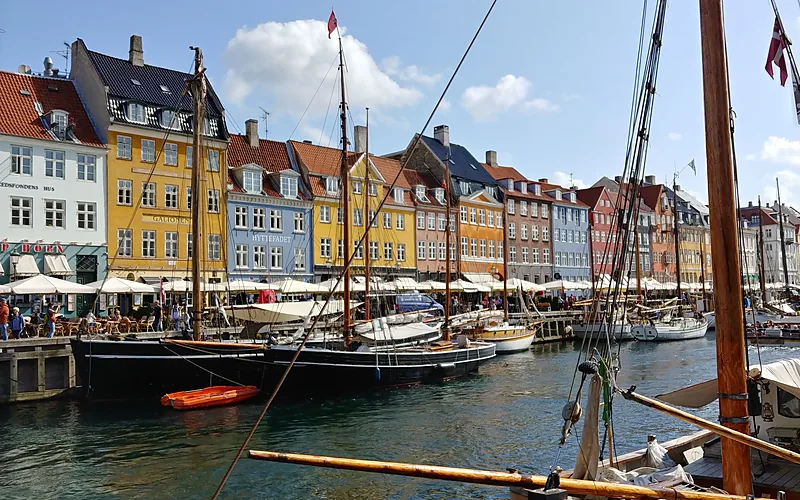
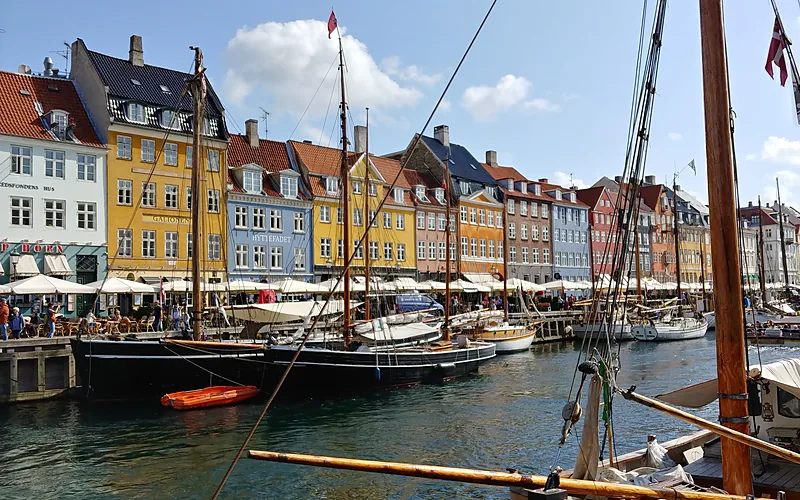
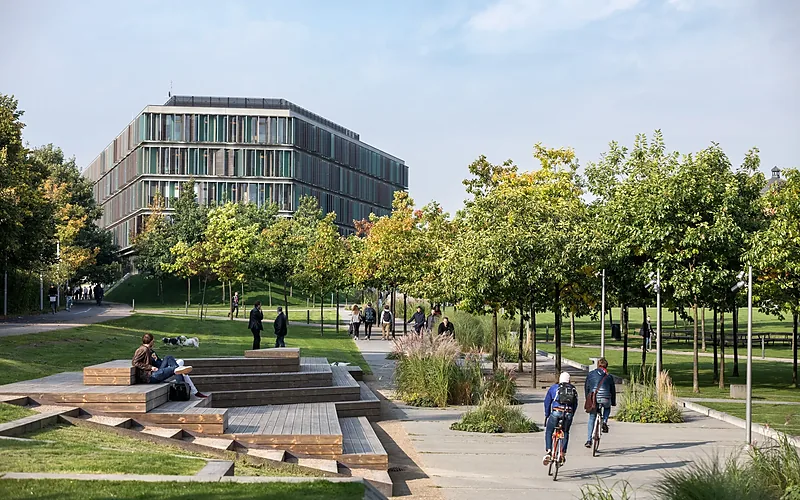
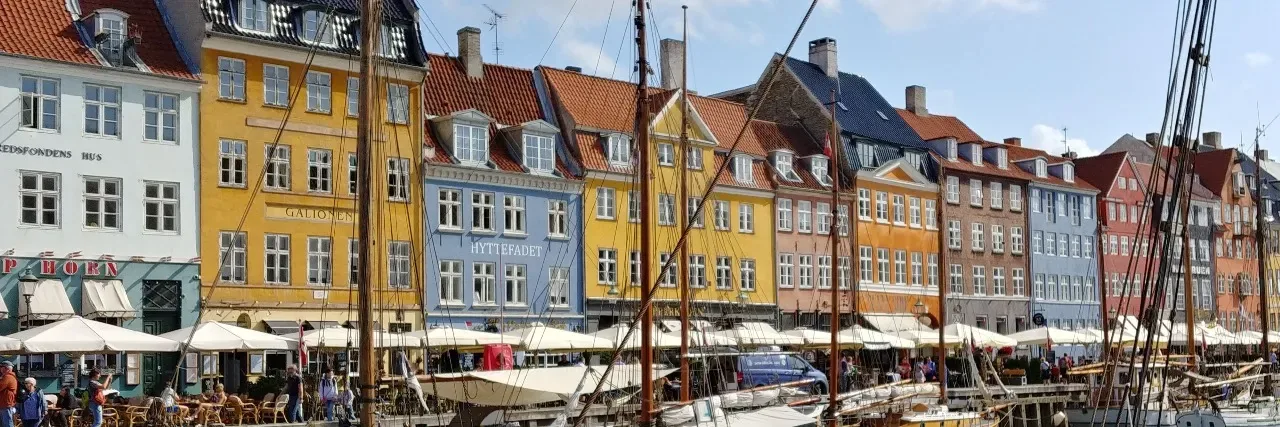
Set in the beautiful city of Copenhagen, and hosted by the internationally recognized Copenhagen Business School, the CBSMUN Secretariat is excited to welcome you to four days of fruitful debates and amazing socials! 

Nordic Excellence: Defining Diplomacy Through Sustainable Governance

In recent decades, the Nordics have shaped their diplomacy to make environmental, economic and social factors an integral part of their decision-making. This way of governance has cemented the Nordics as international leaders of sustainability. However, the Nordics do not aim towards just being green; the goal is to provide an environmentally, but also socially sustainable day-to-day basis for all. How does the Nordic way work on an international level, and how can diplomacy be approached with sustainable governance in mind?

At CBSMUN 2027, delegates are invited to explore, challenge and reinterpret the Nordic Governance style while experiencing committees that touch on a variety of international topics. The Nordics may be modest in scale, but expansive in vision through cooperation, trust, and long-term thinking. When the future must be built to last, they invite us to reimagine what political action demands.

Nordic Roots, Global Reach, Top-Notch Debate

As the premier Nordic MUN conference, CBSMUN is known for its high academic standards and quality of debate. Hosted at one of Europe's top ranked business schools, we specialize in debates focusing on global economics, diplomacy, and business. By maintaining a unique focus on values such as sustainability, equality, and community, we make sure to keep these Nordic values close to our hearts and in your debate sessions. With committees for all levels of experience and a diverse variety of topics, CBSMUN has something for all delegates, whether it is your first or twentieth conference

We’re excited to announce ten committees for CBSMUN 2027! Beginners will examine climate issues in UNEP, address social conflicts and labour rights in ILO, or dive into Security Policy and disarmament negotiations with DISEC. Intermediate delegates will enter the multi-layered world of the sea in IMO, explore Danish national politics (in English) with Folketing, or tackle economic challenges in ECOSOC. Advanced participants can navigate complex security conflicts in the UNSC, confront pressing global economic challenges and debt restructuring in the Paris Club committee or dive into legal affairs and prosecution of criminals with the ICC. Finally, for those with an investigative flair, the International Press Corps will be there to cover it all, reporting all the gossip as the debates unfold.

Dynamic Networking and “Hygge” Events - Experience the Best of Copenhagen 

CBSMUN is about more than just debate. We add fun to the program with a heavy dose of “hygge”; a key term of Danish culture that emphasizes coziness and wellbeing in life. There will be a wide array of social and networking opportunities, allowing delegates to build connections with like-minded future leaders from across the globe.

Through our carefully crafted socials we also ensure that delegates get to experience one of the greenest capitals in the world. Copenhagen is a city where the old meets the new, as technology is seamlessly integrated into the historic city. Participants have the opportunity to explore the city during the day and night, getting a taste of Danish culture in the process!

Discover all things CBSMUN on CBSMUN and visit our FAQ to learn more about applying, sending delegations, and more.

See you in Copenhagen!

Committees

  • 18 countries
    1. Conference Reporting
    • Mathea Martin
    • Elena Senn
    • Karoline Martinussen
    • Maria Federowicz

    International Press Corps (IPC)

    English · 18 countries

    Topic

    Conference Reporting

    About the committee

    As a delegate of the International Press Corps (IPC), you will be able to support debates with your journalistic abilities by publishing various journalistic pieces, including featured articles, opinion articles, or interviews. Listening attentively, thinking on your feet, and adapting to the flow of the debate are just some of the jobs of an IPC delegate. And don’t forget that news outlets use comedic columns or other creative media, such as memes and gossip, to cover the happenings outside of the debate! Your news will be published throughout the committee sessions and can lead to the uncovering of improper foreign policy or interesting alliances. Use this chance to unleash your inner creative writer and jump into the role of a journalist covering international diplomacy!

    Chairs

    Countries

    How this committee type works
  • 25 countries
    1. The Textile Waste Trade: Fast Fashion and the Export of Environmental Responsibility
    • Chibudom Ezedigboh
    • Emilia Zael

    United Nations Environmental Programme (UNEP)

    Beginner · English · 25 countries

    Topic

    The Textile Waste Trade: Fast Fashion and the Export of Environmental Responsibility

    About the committee

    The United Nations Environment Programme (UNEP) committee focuses on addressing critical global environmental challenges, including climate change, biodiversity loss, pollution, and sustainable development. Delegates will engage in discussions and negotiations to craft innovative and actionable solutions that balance environmental protection with economic development and national interests. This committee is ideal for beginners and welcomes participants with a passion for environmental protection, international cooperation, and sustainable business practices.

    Chairs

    Countries

    How this committee type works
  • 25 countries
    1. Addressing the Conditions of Forced Labour Amongst Minority Groups
    • Eliane Schatz
    • Velihan Gunduz

    International Labour Organization (ILO)

    Beginner · English · 25 countries

    Topic

    Addressing the Conditions of Forced Labour Amongst Minority Groups

    About the committee

    The International Labour Organization (ILO), founded in 1919, is one of the oldest specialized agencies under the United Nations umbrella. Originally a body of the League of Nations, it has since become and stayed a critical agency in the field of social and economic justice via the setting of international labour standards. The ILO is also one of the most unique UN agencies, as it not only takes into account the opinions and positions of the Member States, but also those of representatives from the worlds of capital (companies) and labour (workers). The ILO is a perfect committee either for delegates doing MUN for the first time or for delegates wishing to further introduce themselves into the world of MUN, as it not only covers a key field of economic and social progress, but also has a clear mandate that allows for structured research, debate, and resolution-writing!

    Chairs

    Countries

  • 25 countries
    1. Regulation in the Digital Age: Establishing International Norms for State Behaviour in Cyberspace
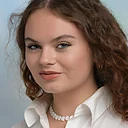
    • Venezia Benkert
    • Castille Brousse Beslay

    Disarmament and International Security Committee (DISEC)

    Beginner · English · 25 countries

    Topic

    Regulation in the Digital Age: Establishing International Norms for State Behaviour in Cyberspace

    About the committee

    The Disarmament and International Security (DISEC) Committee is the first of the six main committees of the UN General Assembly (UNGA). It focuses on international peace and security, specifically addressing disarmament, the regulation of new weapon technology, and challenges to global security. Established alongside the UN itself in 1945, DISEC has historically served as a key forum for negotiating global consensus on issues that individual nations cannot solve alone. From nuclear non-proliferation to the regulation of arms trade, this committee discusses some of the most pressing and relevant security issues currently facing the world, and its resolutions carry significant diplomatic weight and often shape the broader international conversation on security policy. This committee is perfect for new delegates looking to deepen their interest in international security, offering a blend of technical knowledge and geopolitical strategy in a balanced, accessible debate setting!

    Chairs

    Countries

    How this committee type works
  • 25 countries
    1. Book Burnings, Terrorist Threats, Aggression: Tackling Questions of Immigration, Integration and the Limits of Freedom of Speech (2023)
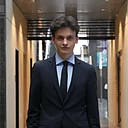
    • Ole Birnbaum
    • Leonard Hohnschild

    Folketinget

    Intermediate · English · 25 countries

    Topic

    Book Burnings, Terrorist Threats, Aggression: Tackling Questions of Immigration, Integration and the Limits of Freedom of Speech (2023)

    About the committee

    The Folketing, also known as the Parliament of Denmark or the Danish Parliament, is the unicameral national legislature of the Kingdom of Denmark, including Denmark, the Faroe Islands, and Greenland. Folketing’s 179 members' main tasks are to process proposed legislation and pass the nation's laws, to control the Government's use of power and to process and pass the state's yearly budget. Unlike other traditional UN committees, delegates will represent Danish politicians, requiring them to balance party ideology, coalition politics, public opinion, and practical policymaking. The Folketing committee offers an interactive, focused debate. Delegates will aim to turn proposals into legislation. This committee is ideal for intermediate delegates interested in domestic politics and in experiencing diplomacy from a Danish perspective. The committee will be conducted in English, even though the Folketing's working language is Danish. Therefore, Folketing is perfect for everyone who wants to debate in a national context and get their hands on negotiating concrete legislation, but also for unveiling or deepening their understanding of Danish politics.

    Chairs

    Countries

  • 25 countries
    1. Evidence Before Obligation: Shaping the MASS Experience-Building Phase and the Road to a Mandatory Code
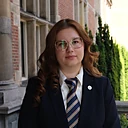
    • Matilde Minto
    • Ansh Mehta

    International Maritime Organization (IMO)

    Intermediate · English · 25 countries

    Topic

    Evidence Before Obligation: Shaping the MASS Experience-Building Phase and the Road to a Mandatory Code

    About the committee

    The International Maritime Organization (IMO) is the United Nations specialised agency for the safety and security of shipping and the prevention of marine and atmospheric pollution by ships. More than 80 per cent of global trade is transported through international shipping, creating a necessity for effective, fair, and, most importantly, universally implemented regulations. The IMO is both bound and authorised by the United Nations Convention for the Law of the Sea (UNCLOS) as the global standard-setting authority for international shipping and strives to establish and maintain such regulatory frameworks. With its multiple sub-committees, the IMO actively supports the United Nations Sustainable Development Goals by regulating matters regarding, inter alia, autonomous vessels, search and rescue, ship design and construction, manning, energy efficiency, and the protection of the marine environment. This committee serves as a perfect playground for delegates at an intermediate level who are interested in maritime policies and decision-making.

    Chairs

    Countries

  • 25 countries
    1. Promoting Ethical Trade and Economic Recovery to Eradicate "Blood Diamonds" in Conflict-Affected Africa (2000)
    • Simon Theis
    • Filippa Kuhnert

    Economic and Social Council (ECOSOC)

    Intermediate · English · 25 countries

    Topic

    Promoting Ethical Trade and Economic Recovery to Eradicate "Blood Diamonds" in Conflict-Affected Africa (2000)

    About the committee

    The Economic and Social Council (ECOSOC) addresses a wide range of global issues spanning economic, social, and environmental concerns. It fosters international cooperation and promotes development, ensuring that growth is inclusive while advancing the Sustainable Development Goals. ECOSOC offers participants the opportunity to develop a comprehensive understanding of the interconnected nature of global economics and social issues, encouraging practical and innovative ideas that can make a difference. This committee is well suited for delegates interested in the intersection of economic and social affairs. ECOSOC is an ideal destination for those delegates that find themselves between beginner and advanced levels: diplomatic skills may be refined and one’s understanding of global governance and development frameworks may be deepened. ECOSOC serves as an essential committee for any delegate wishing to enter or continue on their MUN journey!

    Chairs

    Countries

    How this committee type works
  • 21 countries
    1. Restructuring Sovereign Debt in Latin America

    • Sebastián Aguilar
    • Sophie King
    • Martín Tabares de Nava Zárate

    Paris Club

    Expert · English · 21 countries

    Topic

    Restructuring Sovereign Debt in Latin America

    About the committee

    Having restructured over 450 cases of sovereign debt since its inception in 1956, The Paris Club stands as one of the most powerful and influential economic committees in the world. Meeting 10 times a year, 22 of the world’s major creditor states meet to discuss the sustainability and potential restructuring of debt owed to them by struggling debtor nations. The Agreed Minutes of the Paris Club have included writing off 80% of Iraq’s national debt after the fall of the Hussein regime, as well as Russia joining the Club in 1997 despite still owing debts inherited from before the collapse of the Soviet Union. Not every case is the same, and the stakes differ for each member seeking to treat the debt. The Paris Club offers the perfect challenge for experienced delegates looking to expand their negotiation skills through exploring a niche area of geopolitics where security and development overlaps with economics and finance. Despite its little-known status in the world of geopolitics, delegates will have the chance to learn more about how politicians can reshape the livelihoods of millions in the space of a weekend.

    Chairs

    Countries

  • 18 countries
    1. Ad-hoc
    • Nico Stein
    • Alicja Kowalczyk
    • Carlos Kuban

    United Nations Security Council (UNSC)

    Expert · English · 18 countries

    Topic

    Ad-hoc

    About the committee

    The United Nations Security Council is the UN‘s highest and most important organ, and is responsible for maintaining international peace and security. It can proactively investigate conflicts and disputes, recommend resolution methods, deploy peacekeeping missions, and has the exclusive power of imposing sanctions. Its resolutions are binding on all member states, and involve intense and dynamic debates, thanks to the infamous veto powers of the five permanent members of the Council and intense topics at hand. The UNSC is therefore ideal for experienced delegates ready to engage in fast-paced discussions on high-stakes issues, requiring sharp negotiation skills and a deep understanding of diplomacy. From navigating geopolitical rivalries to responding to emerging crises, delegates in this committee will tackle some of the most urgent and complex challenges on the global agenda. Few other forums provide such a direct insight into the mechanics of power politics and international law. Jump into the most realistic UNSC simulation yet at CBSMUN, with a specialized Rulebook for Procedure that adheres more faithfully to the real procedure conducted at the real thing!

    Chairs

    Countries

    How this committee type works
  • 12 countries
    1. The Prosecutor vs Xi Jinping
    • Nyree Oman
    • Mihnea Pînzaru
    • Marlene Lack

    International Criminal Court (ICC)

    Expert · English · 12 countries

    Topic

    The Prosecutor vs Xi Jinping

    About the committee

    The International Criminal Court (ICC) was established under the 1998 Rome Statute and investigates and charges individuals with the gravest crimes of concern to the international community: genocide, war crimes, crimes against humanity and the crime of aggression. In a simulation of the judicial body, delegates will assume the role of the prosecution, the defence and third-party actors to a case at hand. The case, whether current or historical, will be presided over by the chairs, who will simultaneously serve as the honourable judges of the court and deliver their final ruling once proceedings have concluded. In a back-and-forth debate, the prosecution will be tasked with establishing the accused’s guilt with respect to the charges brought, while the defence will seek to refute those claims and argue for acquittal. Expect a vigorous legal discourse that will entail the presentation of evidence, the examination of witnesses, and, of course, numerous calls for an 'Objection!’. The ICC committee is best suited for experienced delegates with an interest in international criminal justice who are looking for a new challenge beyond the scope of regular MUN Rules of Procedure.

    Chairs

    Countries

    How this committee type works

Past editions

  • 4editions since 2024
  • 4.54 average of 280 ratings
  • 4+in every rated edition

Partner conferences
SGMUN 2026
St.Gallen, Switzerland

View conference
PIMUN 2026

Paris, France

View conference
MDS 2026

Munich, Germany

View conference
AmsterMUN 2026

Amsterdam, Netherlands

View conference
MaltMUN 2026

Valletta, Malta

View conference
LakeMUN 2026

Konstanz, Germany

View conference
GIMUN 2026

Geneva, Switzerland

View conference

Organizers

Adriana Lucero-Dorst
Academic Director

Benjamin Bjørn Lebeck
Director General
Bruce Wayne
Under Secretary General of Socials

Christine Langman
Under Secretary General of Marketing

Fabienne Schäfer
Academic Director

Heba Musawi
Under Secretary General of Delegate Affairs

Hubert Brzozowski
Under Secretary General of Finance

Julia Krzywicka
Under Secretary General of Organizational Affairs
Marc Zabel
Academic Director

Marie Matouchová
Academic Director
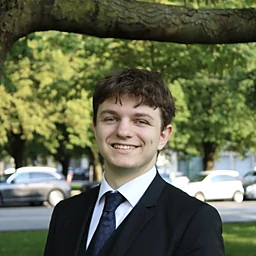
Mats Hagedorn
Under Secretary General of Academics
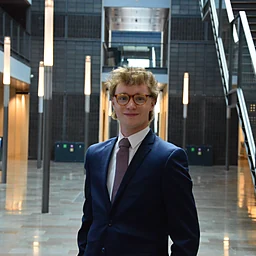
Matthew Davies
Academic Director

Nicholas Sandbrekke
Under Secretary General of Logistics

Stella Malmivaara
Secretary General

More MUN conferences

ConferencesDenmarkCBSMUN 2027