UABMUN 2027

Universitat Autònoma de Barcelona Model of United Nations

Apr 7–10, 2027 Barcelona, Spain

Universitat Autònoma de Barcelona Model of United Nations

Closes Nov 6 · 1 day left

Conference

Barcelona, Spain·Europe

Apr 7–10, 2027

180 delegates expected

University students

In English, Catalan and Spanish

Applications

1 day left
Oct 16 – Nov 6, 2026
  • Chairs

About

UABMUN 2027: The Solarpunk Summit

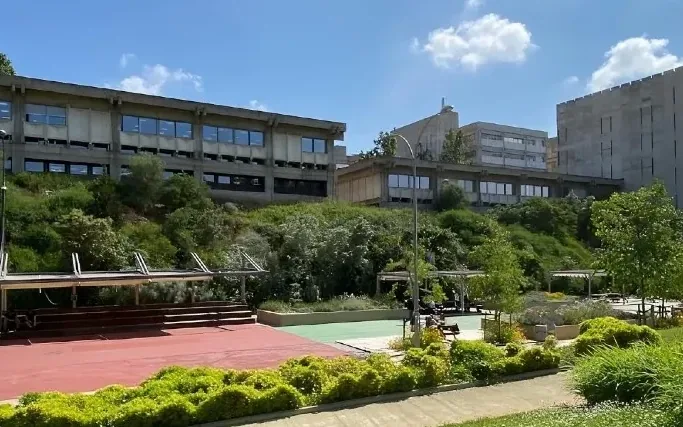
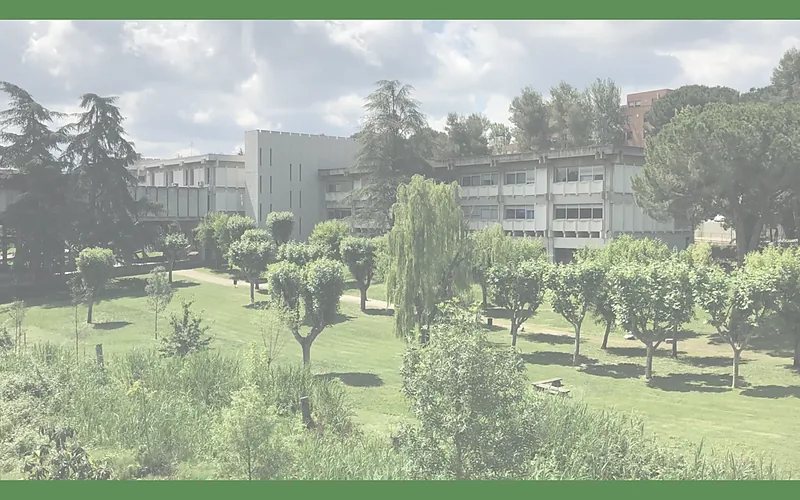
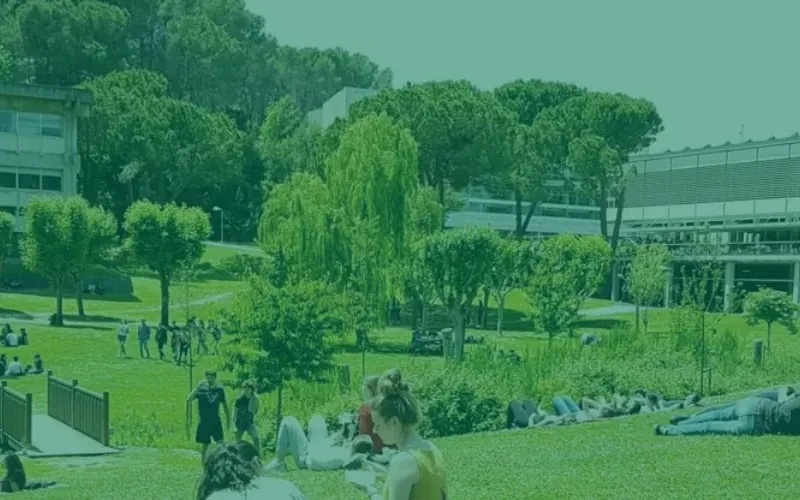
UABMUN is back for a new edition, with its usual academic excellence and familiar atmosphere; surrounded by nature in the Universitat Autònoma de Barcelona's campus.  

This year, the conference puts a focus on the Solarpunk social movement, with all committees being related to its values and goals. As described in the manifesto: “Solarpunk is at once a vision of the future, a thoughtful provocation, a way of living and a set of achievable proposals to get there”. In a context where dystopian visions of a future dominated by inequality and unchecked technological progress are increasingly shaping public debate, we adopt this central focus to advocate for alternatives founded on optimism, innovation and collective responsibility. 

We highlight the transformative potential of emerging technologies to drive sustainable development, protect the environment, and promote a more equitable distribution of wealth. Through this theme, we aim to provide a space for reflection on how technological progress can be governed responsibly so that its benefits are shared across society as a whole. 

(CAT) Enguany mantenim un dels nostres grans orgulls: el comitè en català –el primer, i de moment encara l'únic a nivell internacional. Et perdràs l'oportunitat de debatre en la teva llengua en un comitè tan rellevant com ho és la Conferència de les Nacions Unides per al Comerç i el Desenvolupament? 

(ESP) Nuestro comité en castellano será la OIT, centrada en el cambio climático y la transición ecológica. 

The rest of committees will take place in English. We will have for our first timers: IOM and UNPBC. For those looking for a bit more of a challenge (intermediate delegates): the League of Arab States and the Politburo of the Communist Party. Finally, our expert delegates will be able to attend UNSC, ECHR (our first juridic committee) or the CRISIS. 

The delegate fee includes a welcome pack, meals, coffee breaks and the Welcome Cocktail. Socials will be paid separately, and we recommend extensively that you come, that's where the memories are built! 

Hoping to see you there, 

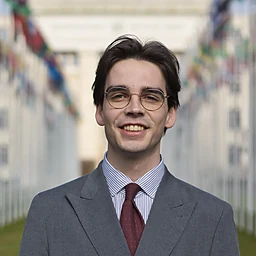
Martí Forch and Anna Farré, 

Secretaries General of UABMUN 2027

Committees

    1. Addressing Human Rights Violations amid Ongoing Conflict-related Violence and Denial of Humanitarian Assistance in Myanmar

    United Nations Peacebuilding Commission (UNPBC)

    Beginner · English

    Topic

    Addressing Human Rights Violations amid Ongoing Conflict-related Violence and Denial of Humanitarian Assistance in Myanmar

    About the committee

    The United Nations Peacebuilding Commission (UNPBC) is an intergovernmental advisory body established in 2005 by joint resolutions of the General Assembly and Security Council to support peace efforts and prevent countries from relapsing into conflict. Headquartered at UN Headquarters in New York, the Commission is composed of a 31-member Organizational Committee—representing the General Assembly, Security Council, ECOSOC, and top financial and troop contributors—and operates through country-specific configurations. Functioning as a strategic diplomatic bridge across the UN system, the UNPBC marshals international resources, advises principal organs, and convenes national governments, regional bodies, and financial institutions to foster integrated strategies for post-conflict recovery and sustaining peace.

    Countries

    1. Migrant Regularisation and Legal Pathways in Latin America and the Caribbean
    2. Migration, Gender, and Care: Addressing Exploitation in Global Care Chains

    International Organization for Migration (IOM)

    Beginner · English

    Topics

    1. Migrant Regularisation and Legal Pathways in Latin America and the Caribbean
    2. Migration, Gender, and Care: Addressing Exploitation in Global Care Chains

    About the committee

    The International Organization for Migration (IOM) is the principal intergovernmental organization in the field of migration, established in 1951 to assist displaced populations in post-World War II Europe and officially designated as a United Nations related agency in 2016. Headquartered in Geneva, Switzerland, the organization is composed of 174 member states and operates globally to ensure the orderly, safe, and humane management of international migration. Working directly with governments and civil society, the IOM provides policy advice, technical support, and operational assistance across key areas, including emergency response, refugee resettlement, counter-trafficking, and the protection of migrants' rights and dignity.

    Countries

    1. Protección de los trabajadores frente al calor extremo y otros riesgos climáticos
    2. Transición ecológica y trabajo infantil: consecuencias sociales y económicas de las cadenas de suministro “verde”

    Organización Internacional del Trabajo (OIT)

    Intermediate · Spanish

    Topics

    1. Protección de los trabajadores frente al calor extremo y otros riesgos climáticos
    2. Transición ecológica y trabajo infantil: consecuencias sociales y económicas de las cadenas de suministro “verde”

    About the committee

    La Organización Internacional del Trabajo (OIT) es una agencia especializada de las Naciones Unidas establecida en 1919 en virtud del Tratado de Versalles para promover la justicia social y los derechos humanos y laborales reconocidos internacionalmente. Con sede en Ginebra (Suiza), la organización reúne a representantes de gobiernos, empleadores y trabajadores de sus 187 Estados miembros a través de una estructura tripartita única. La OIT formula normas internacionales del trabajo mediante convenios y recomendaciones, con el objetivo de garantizar el trabajo decente, mejorar las condiciones laborales, extender la protección social y fomentar el diálogo sobre cuestiones relativas al empleo a escala global.

    Countries

    1. La maledicció dels recursos al continent africà: transformar la riquesa mineral en prosperitat econòmica a llarg termini
    2. Afrontar la bretxa digital: garantir un accés equitatiu a la innovació tecnològica i a l’educació STEM en comunitats marginades

    Conferència de les Nacions Unides sobre Comerç i Desenvolupament (UNCTAD)

    Intermediate · Catalan

    Topics

    1. La maledicció dels recursos al continent africà: transformar la riquesa mineral en prosperitat econòmica a llarg termini
    2. Afrontar la bretxa digital: garantir un accés equitatiu a la innovació tecnològica i a l’educació STEM en comunitats marginades

    About the committee

    La Conferència de les Nacions Unides sobre Comerç i Desenvolupament (UNCTAD) és un òrgan intergovernamental permanent de les Nacions Unides, creat el 1964 per promoure la integració dels països en desenvolupament en l'economia global. Amb seu a Ginebra (Suïssa), l'organització està formada per 195 Estats membres i actua com el principal organisme de l'ONU encarregat d'abordar les qüestions relacionades amb el comerç, la inversió, el finançament i el desenvolupament sostenible. Mitjançant la recerca d'anàlisi de polítiques, l'assistència tècnica i la facilitació del debat intergovernamental, la UNCTAD ajuda les nacions en desenvolupament a aprofitar les oportunitats del comerç internacional per assolir un creixement econòmic equitatiu i sostingut.

    Countries

    1. The Price of Modernisation: Technological Disruption, Industrial Labour, and the Limits of the Party’s Social Contract

    Politburo of the Chinese Communist Party (CCP)

    Intermediate · English

    Topic

    The Price of Modernisation: Technological Disruption, Industrial Labour, and the Limits of the Party’s Social Contract

    About the committee

    The Politburo of the Central Committee of the Communist Party of China (CCP) is the primary decision-making body of China’s ruling party, established in 1927 to direct the governance and political leadership of the nation. Based in Beijing, it is currently composed of 24 high-ranking party and state officials elected by the Central Committee, with ultimate executive power concentrated in an elite inner core known as the Politburo Standing Committee, headed by the party's General Secretary. Operating under the principle of democratic centralism, the Politburo determines national policy, economic strategy, military oversight, and senior leadership appointments across the country. Functioning as the effective ruling authority between plenary sessions of the broader Central Committee, the Politburo exercises supreme control over party affairs and directs the overall policy of the People’s Republic of China.

    Countries

    How this committee type works
    1. Organising a Regional Strategy to Reclaim and Reconstruct Palestinian, Syrian, and Lebanese Land under Israeli Occupation

    League of Arab States (LAS)

    Intermediate · English

    Topic

    Organising a Regional Strategy to Reclaim and Reconstruct Palestinian, Syrian, and Lebanese Land under Israeli Occupation

    About the committee

    The League of Arab States is a regional intergovernmental organization established in 1945 in Cairo to promote political, economic, cultural, and security cooperation among Arab nations. Headquartered in Cairo, Egypt, the League is composed of 22 member states spanning North Africa and Western Asia, united by shared linguistic, historical, and geographical ties. Operating primarily through the Council of the League, where each member holds a single vote, the organization serves as a diplomatic forum to coordinate common policy, mediate regional disputes, and safeguard national sovereignty. Under its founding 1945 Pact, decisions adopted by majority vote are binding only on those states that vote in favor of them, emphasizing state sovereignty and voluntary consensus over supranational authority.

    Countries

    How this committee type works
    1. Protection of Civilians in Afghanistan: Combatting Human Rights Violations and the Persecution of Women and Girls under Taliban Rule

    United Nations Security Council (UNSC)

    Expert · English

    Topic

    Protection of Civilians in Afghanistan: Combatting Human Rights Violations and the Persecution of Women and Girls under Taliban Rule

    About the committee

    The United Nations Security Council (UNSC) is one of the six principal organs of the United Nations, established in 1945 to maintain international peace and security. Composed of 15 members, including five permanent members (China, France, Russia, the United Kingdom, and the United States) with veto power and ten non-permanent members elected for two-year terms. The UNSC is the only UN body with the authority to issue binding resolutions on member states, according to Article 25 of the UN Charter.

    Countries

    How this committee type works
    1. Revolution in the 1930s: Universal Suffrage for Women

    Crisis

    Expert · English

    Topic

    Revolution in the 1930s: Universal Suffrage for Women

    About the committee

    Model United Nations Crisis Committee is a dynamic simulation that challenges delegates to address urgent global issues in real-time. This immersive experience places participants in the roles of key decision-makers, making them respond to rapidly evolving international scenarios. As events unfold, delegates must craft swift and effective directives, shaping the course of the crisis at hand. The fast-paced nature of the committee demands quick thinking, adaptability, and strategic planning.

    Countries

    How this committee type works
    1. Ireland v. the United Kingdom (1978)
    European Court of Human Rights (ECtHR)

    Expert · English

    Topic

    Ireland v. the United Kingdom (1978)
    About the committee

    The European Court of Human Rights (ECtHR) is an international judicial body established in 1959 under the Council of Europe to enforce and protect civil and political rights across its member states. Based in Strasbourg, France, the Court is composed of 46 judges—one for each member state—and adjudicates applications submitted by individuals, groups, or states alleging violations of the 1950 European Convention on Human Rights. As a supranational tribunal distinct from the judicial bodies of the European Union, the ECtHR issues legally binding judgments that require member states to compensate victims, rectify rights violations, and reform non-compliant domestic laws.

    Countries

    How this committee type works

Partner conferences

EuroMUN 2027
Maastricht, Netherlands

View conference
GIMUN 2027

Geneva, Switzerland

View conference
MainMUN 2027

Frankfurt am Main, Germany

View conference
LyonMUN 2027

Lyon, France

View conference

Organizers

More MUN conferences

ConferencesSpainUABMUN 2027