UABMUN 2025

Autonomous University of Barcelona's Model United Nations

Apr 3–6, 2025 Barcelona, Spain

Autonomous University of Barcelona's Model United Nations

Conference

Barcelona, Spain·Europe

Apr 3–6, 2025

160 delegates expected

University students

In English

How it went

4.1885 ratings from delegates
Academics
4.36
Logistics
4.13
Social programme
4.06

About

Unbuilding Walls Together - Deconstruint Murs Juntes

Dear future delegates,

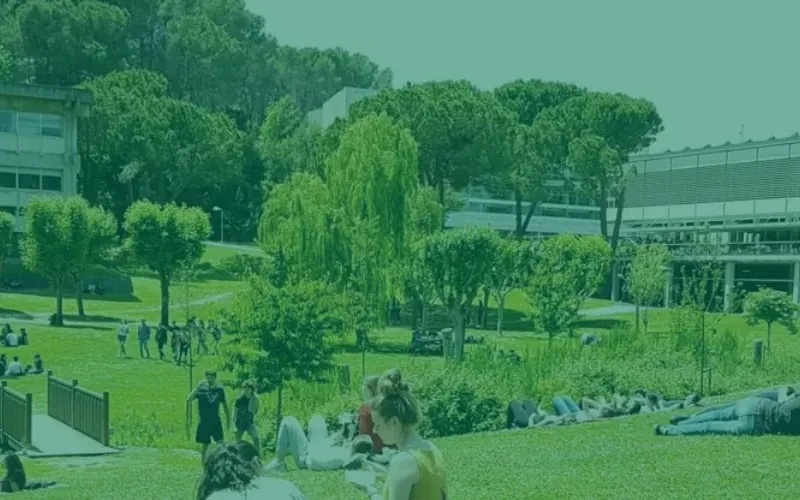
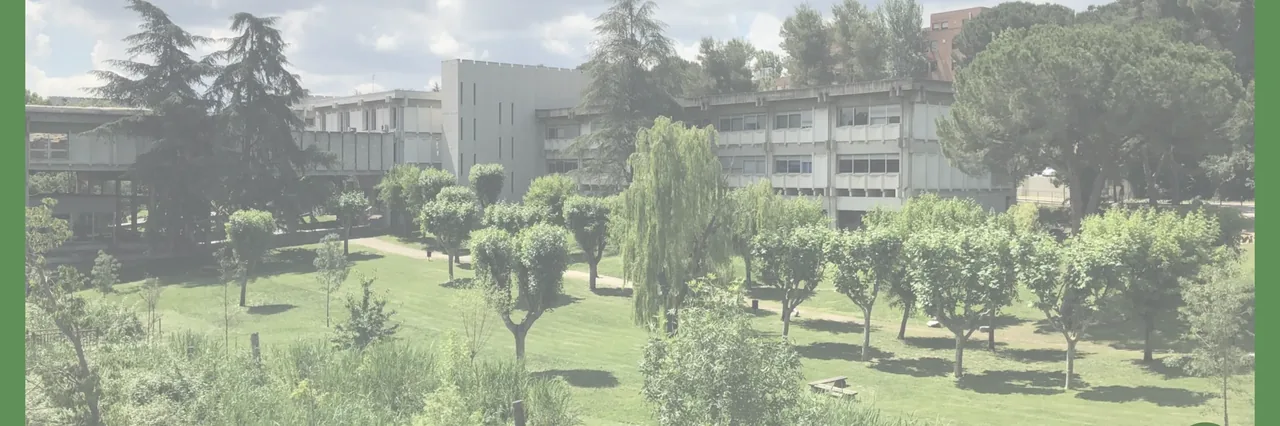
Welcome to the 5th edition of the Model United Nations of the Autonomous University of Barcelona - the greenest! This edition will take place from the 3rd to the 6th of April 2025 in our marvelous Bellaterra campus. 

The motto for this edition will be “Unbuilding Walls Together”. In a world where we seem to be increasingly divided, falling back into prejudices and distrust, the tendency to separate is as present as ever. We advocate for the opposite: a world for everybody, a celebration of humanity, and unbuilding the walls that keep us apart.

This year, we have the will to keep expanding our conference without losing the welcoming, familiar essence that previous editions have acted upon. That’s why this year’s Secretariat is the perfect mix between experience and ambition.

Our academics team has carefully analyzed the feedback given by last year delegates in order to set up eight completely new committees. As always, our conference will be multilingual, with six committees in English, one committee in Spanish and the only committee in Catalan in the world.

Lastly, UABMUN 2025 will not only focus on guaranteeing its academic excellence but ensuring that delegates will enjoy the experience in a safe and open environment. That’s why we provided our conference with a safety protocol, so everybody is welcome to enjoy the debating experience as well as our fantastic socials.

For more information, follow our Instagram page (@uabmun) and don’t forget to apply next January!

See you soon,

Natàlia Laborda and Roger Plans

Secretaries General of UABMUN 25

-----------------------------------------------------------------------------------------------------------------------------------------------------------------------------------------------------------------------

Estimades futures delegades,

Benvingudes a la cinquena edició del Model de les Nacions Unides de la Universitat Autònoma de Barcelona – el MUN més verd! Aquesta edició es durà a terme del 3 al 6 d’abril del 2025, en el nostre meravellós campus de Bellaterra.

El lema d’aquesta edició és “Deconstruint Murs Juntes”’. En un món on sembla que estem cada cop més dividides, retornant als prejudicis, desconfiances i amb la tendència a construir murs cada vegada més present. Nosaltres volem advocar pel contrari: un món per tothom, una celebració de la humanitat, mentre deconstruïm murs juntes.

Aquest any, tenim l’objectiu de continuar expandint la nostra conferència sense perdre el rigor que les nostres predecessores ens han transmès. Per aquesta raó, el secretariat d’enguany és la barreja perfecta entre l’experiència i l’ambició.

El nostre equip acadèmic ha analitzat atentament les recomanacions que ens van donar les delegades de l’edició anterior amb l’objectiu d’establir vuit nous comitès. Com ja és habitual, la nostra conferència serà multilingüe: sis comitès en anglès, un en castellà i el nostre estimat i exclusiu comitè en català.

Finalment, UABMUN 2025 no només es concentrarà en garantir una altíssima qualitat acadèmica, sinó que també vol assegurar-se que totes gaudim de l’experiència en un entorn obert i segur. És per aquest motiu que l’hem dotada d’un protocol per tal que totes les persones siguin benvingudes tant als debats com als nostres esdeveniments socials d’ensomni.

Si vols més informació segueix el nostre compte d’Instagram (@uabmun) i no t’oblidis d’aplicar durant el gener.

Ens veiem aviat,

Natàlia Laborda i Roger Plans

Secretàries Generals de UABMUN 25

Committees

  • 25 countries
    1. Fostering indigenous leadership in global governance at the United Nations
    2. Legal recognition and protection of indigenous land titles and traditional land-use practices
    • María Aroca Caballero
    • Edith Bosch Jordan

    UNPFII - United Nations Permanent Forum on Indigenous Issues

    Beginner · English · 25 countries

    Topics

    1. Fostering indigenous leadership in global governance at the United Nations
    2. Legal recognition and protection of indigenous land titles and traditional land-use practices

    About the committee

    The United Nations Permanent Forum on Indigenous Issues (UNPFII) is a key advisory body established by the UN Economic and Social Council (ECOSOC) on July 28, 2000, to address the rights and concerns of over 370 million indigenous peoples worldwide. Its work emphasizes the importance of self-determination for indigenous peoples, the protection of their cultures and knowledge, and their vital role in addressing global challenges.

    Chairs

    Countries

  • 22 countries
    1. Revising PAROS agreement and the placement of weapons in outer space
    2. Regulating Space Debris in Low Earth Orbits (LEOs)

    • Carla Gómez
    • Samayro Saif

    UNOOSA - United Nations Office for Outer Space Affairs

    Beginner · English · 22 countries

    Topics

    1. Revising PAROS agreement and the placement of weapons in outer space
    2. Regulating Space Debris in Low Earth Orbits (LEOs)

    About the committee

    The United Nations Office for Outer Space Affairs (UNOOSA) is a specialized UN agency responsible for promoting international cooperation in the peaceful uses of outer space. The office focuses on supporting intergovernmental discussions in COPUOS and its subcommittees while also assisting developing countries in utilizing space technology for sustainable development. This agency plays a crucial role in establishing legal and regulatory frameworks for space activities and helps developing nations access satellite imagery for addressing climate change-related issues.

    Chairs

    Countries

  • 20 countries
    1. Vaccine distribution equity in the global fight against emerging diseases
    2. From farm to pharmacy: ensuring quality and safety in medicinal plant use
    • Nael Joumni
    • Natalia Salamé-Córdova

    WHO - World Health Organization

    Intermediate · English · 20 countries

    Topics

    1. Vaccine distribution equity in the global fight against emerging diseases
    2. From farm to pharmacy: ensuring quality and safety in medicinal plant use

    About the committee

    The World Health Organization (WHO) is a specialized agency of the United Nations responsible for international public health. Established on April 7, 1948. WHO's core functions include providing leadership on critical health matters, shaping research agendas, setting norms and standards, articulating evidence-based policy options, providing technical support to countries, and monitoring health situations and trends.

    Chairs

    Countries

    How this committee type works
  • 20 countries
    1. Rehabilitació i Reintegració de Combatents Terroristes Retornats
    2. La guerra cibernètica com a component clau en els conflictes asimètrics al Pròxim Orient
    • Marc Joan Boix Rodríguez

    UNOCT - Oficina de les Nacions Unides Contra el Terrorisme

    Intermediate · English · 20 countries

    Topics

    1. Rehabilitació i Reintegració de Combatents Terroristes Retornats
    2. La guerra cibernètica com a component clau en els conflictes asimètrics al Pròxim Orient

    About the committee

    L'Oficina de les Nacions Unides contra el Terrorisme (UNOCT, per les seves sigles en anglès) es va establir el 2017 per liderar i coordinar els esforços antiterroristes de l'ONU. La UNOCT té com a objectiu principal enfortir la capacitat dels Estats Membres per prevenir i combatre el terrorisme. L'oficina treballa en estreta col·laboració amb el Comitè Contra el Terrorisme del Consell de Seguretat i altres entitats de l'ONU per implementar l'Estratègia Global de les Nacions Unides contra el Terrorisme. Les seves funcions clau inclouen la coordinació de projectes d'assistència tècnica, el foment de la cooperació internacional, i la promoció d'enfocaments preventius contra l'extremisme violent.

    Chair

    Countries

  • 15 countries
    1. Responding to the genocide in Rwanda (1994)
    • Àlex Font
    • Laia Marzá Ferreres

    UNHSC - United Nations Historical Security Council

    Expert · English · 15 countries

    Topic

    Responding to the genocide in Rwanda (1994)

    About the committee

    The United Nations Security Council (UNSC) is one of the six principal organs of the United Nations, established in 1945 to maintain international peace and security. Composed of 15 members, including five permanent members (China, France, Russia, the United Kingdom, and the United States) with veto power and ten non-permanent members elected for two-year terms. The UNSC is the only UN body with the authority to issue binding resolutions on member states, according to Article 25 of the UN Charter. In this edition of UABMUN, we will have a Historical Committee, which will simulate key moments in the UNSC's past, allowing participants to debate and navigate pivotal international crises with the context, constraints, and challenges faced by the Security Council at specific historical periods.

    Chairs

    Countries

    How this committee type works
  • 12 countries

    Model United Nations Crisis Committee is a dynamic simulation that challenges delegates to address urgent global issues in real-time. This immersive experience places participants in the roles of key decision-makers, making them respond to rapidly evolving international scenarios. As events unfold, delegates must craft swift and effective directives, shaping the course of the crisis at hand. The fast-paced nature of the committee demands quick thinking, adaptability, and strategic planning.
    • Miro Sviridoff

    Crisis

    Expert · English · 12 countries

    About the committee

    Model United Nations Crisis Committee is a dynamic simulation that challenges delegates to address urgent global issues in real-time. This immersive experience places participants in the roles of key decision-makers, making them respond to rapidly evolving international scenarios. As events unfold, delegates must craft swift and effective directives, shaping the course of the crisis at hand. The fast-paced nature of the committee demands quick thinking, adaptability, and strategic planning.

    Chair

    Countries

    How this committee type works
  • 22 countries
    1. Impulsando el acceso a las energías renovables en el sur global
    2. El impacto del turismo de masas en el lugar de destino
    • Laura Alpuente
    • David Monterrey

    Cumbre del Futuro

    Beginner · English · 22 countries

    Topics

    1. Impulsando el acceso a las energías renovables en el sur global
    2. El impacto del turismo de masas en el lugar de destino

    About the committee

    La Cumbre del Futuro es un evento de alto nivel organizado por las Naciones Unidas que tuvo lugar en Nueva York los días 22 y 23 de septiembre de 2024. Este encuentro reunió a líderes mundiales con el objetivo de forjar un nuevo consenso internacional para mejorar el presente y salvaguardar el futuro. La Cumbre tiene un doble propósito: acelerar los esfuerzos para cumplir los compromisos internacionales existentes y adoptar medidas concretas para enfrentar los nuevos desafíos y aprovechar las oportunidades emergentes. Este "Pacto por el futuro" ha sido dividido en cinco áreas clave: desarrollo sostenible y financiación para el desarrollo; paz y seguridad internacionales; ciencia, tecnología, innovación y cooperación digital; juventud y nuevas generaciones; y transformación de la gobernanza mundial.

    Chairs

    Countries

  • 22 countries
    1. Security management and marine traffic in the Red Sea
    2. The sustainable exploitation of natural resources in the Arctic
    • Gerard Gríful Carbó
    • Maria Fernanda Espino Hooker

    IMO - International Maritime Organization

    Intermediate · English · 22 countries

    Topics

    1. Security management and marine traffic in the Red Sea
    2. The sustainable exploitation of natural resources in the Arctic

    About the committee

    The International Maritime Organization (IMO) is a specialized agency of the United Nations responsible for regulating international shipping. Established in 1948 the IMO's primary objective is to promote safe, secure, and efficient shipping on a global scale while promoting a sustainable exploitation of maritime resources and preventing marine and atmospheric pollution by ships.

    Chairs

    Countries

Partner conferences

MUNSA 2024
Barcelona, Spain

View conference
ALMUN 2025

Alicante, Spain

View conference
EPFLMUN 2025

Lausanne, Switzerland

View conference
GIMUN 2025

Geneva, Switzerland

View conference
ESADE MUN 2025

Barcelona, Spain

View conference
FMUN 2025

Tours, France

View conference
COMPIMUN 2022

Madrid, Spain

View conference
LyonMUN 2025

Lyon, France

View conference

Organizers

Anna Farré Pedrós
Delegate Services Team
Arnau Peig
Director General
Franco Beramendi Assayag
Delegate Services Team
Griselda Subirachs Garcia
Communications Team
Guillem Carrillo
Academics Team

Hoda Chehab
Academics Team
Irene De la Torre
Delegate Services Team
Iris Barcons Cobero
Delegate Services Team
Natàlia Laborda
Secretary General
Roger Plans i Vilardell
Secretary General
Sara Tarragona Rodés
Communications Team
More MUN conferences

ConferencesSpainUABMUN 2025