About
(Re-) Uniting Nations for a Shared Future in Times of Polarization
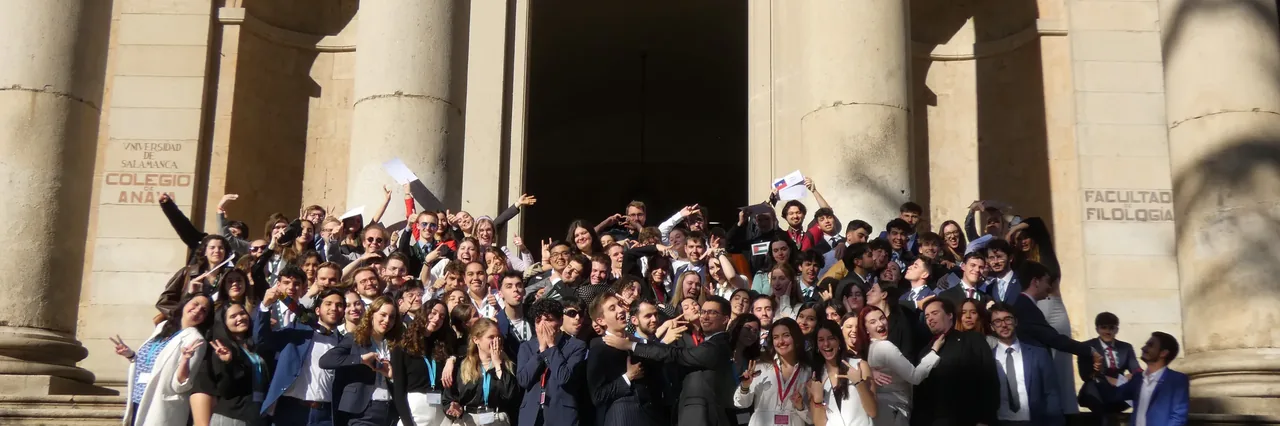
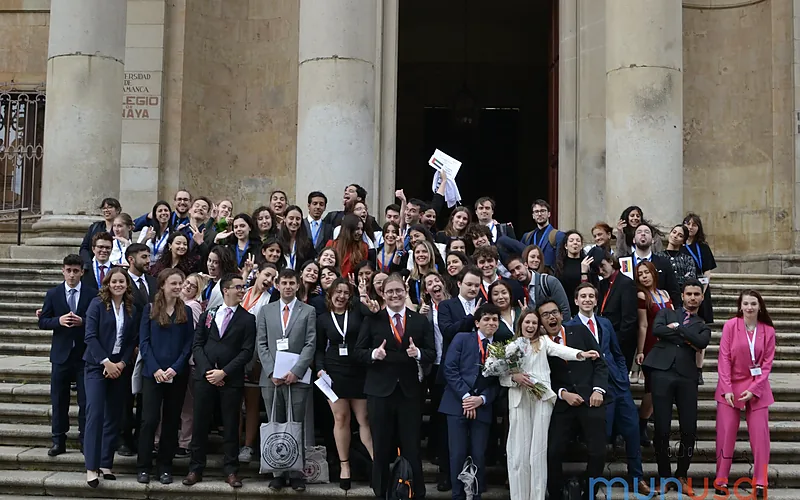
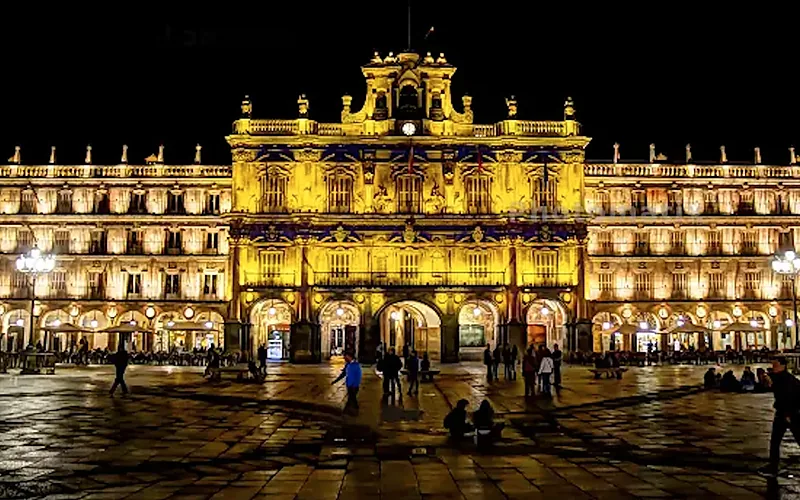
Welcome to the 17th edition of the Model United Nations of the University of Salamanca! The University of Salamanca is the oldest university in Spain, and the fourth oldest educational institution in Europe.
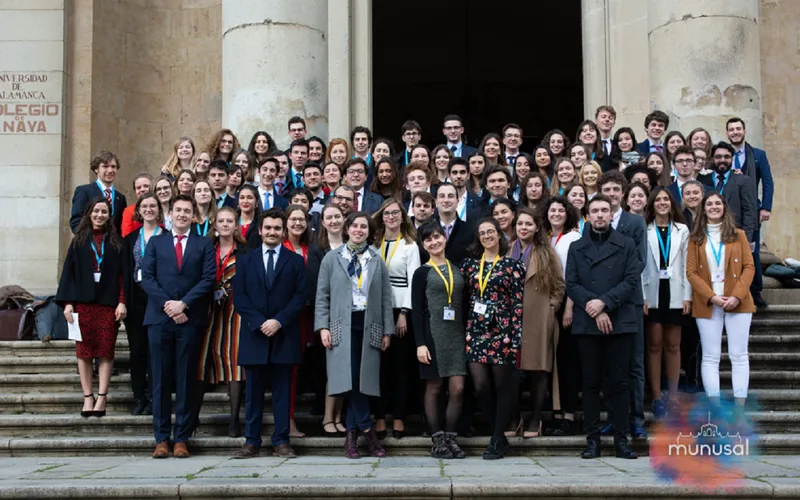
The Cultural and Youth Association Model United Nations, University of Salamanca (MUNUSAL) was created as a vehicle for the students of the USAL to interact with the world of diplomacy and the MUN community, in Spain and in other countries. Since its conception, the association has taken an active role in various prestigious models abroad. Over the years we have attended BerlinMUN (Germany), PoziMUN (Poland), MIMUN (Madrid), KULMUN (Belgium), LISBOMUN (Portugal), BIMUN (Germany), MALTMUN (Malta) among others and we are looking forward to attending many more.
Our theme this year is "(Re-) Uniting Nations for a Shared Future in Times of Polarization" plays on the name of the United Nations, questioning whether this cornerstone institution, originally designated to foster global unity, now has the need to be reunited in and of itself. In an era marked by deep political, social, and economic divide, this theme highlights the urgent need for a renewed commitment to collective action and mutual understanding.
Increasing polarization threatens the stability and progress of the global community, making it imperative to bridge gaps, foster inclusive dialogue, and work collaboratively on shared challenges like keeping the planet thriving for future generations, promoting global security, having a more globalised view on culture, among others. By prioritizing unity and shared goals, nations will build a resilient, prosperous future that benefits all, underscoring that despite differences, common ground and collective effort are vital for global harmony and progress.
This year, we are delighted to announce that we will have seven committees. For those who are just beginning their journey in the MUN world, we offer two committees: the OAS (Organization of American States), which will be conducted in Spanish, and the UNDP (United Nations Development Programme), which will be in English. For those with an intermediate level of experience, we have two additional committees: the EUCO (European Council), in English, and UNESCO (United Nations Educational, Scientific and Cultural Organization). For more advanced participants, we offer the NATO (North Atlantic Treaty Organization) committee, in English, providing a unique opportunity to understand NATO's crucial role in global affairs. Additionally, we have the Crisis Committee, in English, where participants can refine their crisis management skills. Finally, for those who prefer writing over debating, we have The Globe, our press committee, conducted in English.
As you can see, each committee offers a unique experience, ensuring that there is a perfect fit for everyone at MUNUSAL 2025.
We can't wait to see you in Salamanca!
Committees
The United Nations Development Programme (UNDP) is the UN's global development network, working in nearly 170 countries and territories to eradicate poverty, reduce inequalities, and build resilience. Through partnerships with governments, communities, and other organizations, the UNDP helps to create sustainable solutions to the world's toughest challenges. From promoting clean energy and gender equality to advancing inclusive economic growth and climate action, the UNDP strives to empower people and nations to achieve the Sustainable Development Goals (SDGs) and build a better future for all. For MUNUSAL 2025, the committee will be beginner-level, designed specifically for participants who are just starting out in the world of MUNs.
 Gaveshna Sarswat
 Qi Zhong Leong
La Organización de Estados Americanos, nació oficialmente en 1948 con la firma de su carta de fundación en Bogotá aunque sus orígenes se remontan a 1890. Integrada por 35 Estados miembros y 70 Estados observadores permanentes, entre ellos la Unión Europea, su misión es promover la paz, la justicia y los derechos humanos, así como fortalecer la cooperación continental y el diálogo en las Américas. Para alcanzar estos objetivos, la Organización basa su acción en 4 pilares: democracia, derechos humanos, seguridad y desarrollo. La OEA está compuesta por múltiples órganos, entre los que destacan la Comisión Interamericana de Derechos Humanos, la Corte Interamericana de Derechos Humanos y la Asamblea General. En MUNUSAL 2025, la OEA tendrá la distinción de ser el único comité cuyo único idioma oficial será el español. Asimismo, el comité será el diseñado para aquellos participantes que están empezando en el mundo de los MUN.
 Maximilian Arsenio Laub
 Nicolas Cruz Manzano
The European Council, as it stands today, was officially established by the Treaty of Lisbon in 2007, evolving from its informal origins in the 1970s. It is one of the 5 main bodies of the European Union and plays a crucial role in defining the general political direction and priorities of the Union. The European Council is comprised of the heads of state or government of the 27 EU member states, the President of the European Council, and the President of the European Commission. The President of the European Council, currently Charles Michel, is elected by the Council members. In MUNUSAL 2025, it will be an intermediate-level committee designed for those who already have some MUN experience. The committee is perfect for those interested in a unique debating experience and who want to put their debate skills into practice and further advance their knowledge of the inner workings of the European Union.
 Daniel Cortés Meléndez
 Marelaine Formosa
The North Atlantic Treaty Organization (NATO) was established on 4 April 1949, following World War II, with the mission to ensure the freedom and security of its members through political and military means. As a collective defense organization, NATO currently has 31 member countries. The organization is governed by the North Atlantic Council, which meets regularly to set policies, and the Military Committee, which oversees military operations. The current Secretary General, Jens Stoltenberg, leads the organization and is appointed by member states. In MUNUSAL 2025, NATO will be an expert-level committee, perfect for participants with extensive prior MUN experience. The committee will provide a unique platform to debate complex global security issues and the critical role of NATO in maintaining international peace. This is an exceptional opportunity to sharpen your debating skills and gain a profound understanding of NATO's influence in global affairs.
 Alp Özden
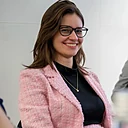 Monica Marie Bonilla
La Organización de las Naciones Unidas para la Educación, la Ciencia y la Cultura (UNESCO) fue establecida el 16 de noviembre de 1945, después de la Segunda Guerra Mundial, con la misión de promover la paz y la seguridad a través de la cooperación internacional en educación, ciencia y cultura. Como agencia especializada de las Naciones Unidas, la UNESCO cuenta actualmente con 195 Estados Miembros. La organización está gobernada por la Conferencia General, que se reúne cada dos años para establecer políticas, y por el Consejo Ejecutivo, que supervisa su implementación. La actual Directora General, Audrey Azoulay, dirige la organización y es designada por la Conferencia General. In MUNUSAL 2025, UNESCO will be an intermediate-level committee, perfect for participants with prior MUN experience. The committee will provide a unique platform to debate global issues related to education, science, culture, and communication. This is a great chance to enhance your debating skills and gain a deeper understanding of UNESCO's role in the international community.
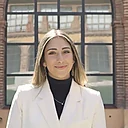 Carmen Durán Miranda
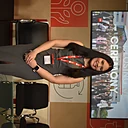 Sofia Espino
Love debating but get an even bigger kick out of writing? Then The Globe is the place for you! Keeping up with our awesome tradition, MUNUSAL's press coverage will be brought to you by our very own press agency simulation: The Globe. This crew of passionate journalists will be led by two Editors-In-Chief, making sure everything runs smoothly throughout the conference. From breaking news in MUNUSAL's world to fiery debates, plot twists, and surprises, this talented team of writers will keep you in the loop every step of the way.
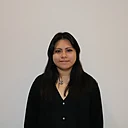 Valentina Cornejo
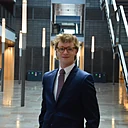 Matthew Davies
The Crisis of MUNUSAL is an intense and dynamic feature designed to challenge delegates with urgent scenarios that unfold parallel to regular debates. It engages participants from all committees, requiring quick thinking and collaboration. Crisis events are released by the Crisis Directors and come in various forms, including news articles, intelligence updates, and verbal or visual presentations. Delegates are responsible for managing both the conference-wide crisis, which involves coordination across committees, and individual committee crises that focus on intra-committee collaboration. This system ensures that every delegate must work together to address the unfolding events. In MUNUSAL 2025, the Crisis will test your ability to respond swiftly and strategically. It's an opportunity to hone your crisis management skills, navigate complex international scenarios, and demonstrate leadership under pressure. Be prepared for unexpected twists that will keep you on your toes!
 Ferdinand L. Von Lindeman
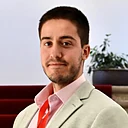 Pablo Timón Iglesias


Past editions
average of 100 ratings
4 editions since 2022
- Academics
- 4.7
- Logistics
- 4.5
- Socials
- 4.7
Partner conferences


 MiMUN UCJC 2023
 KULMUN 2025
 HamMUN 2023
 UABMUN 2024
 Salient 2024
 MUNISIT 2023
 LISBOMUN 2023
 MaltMUN 2024
 BIMUN/ SINUB 2024
 OxiMUN 2024
 KentMun 2024
Organizers
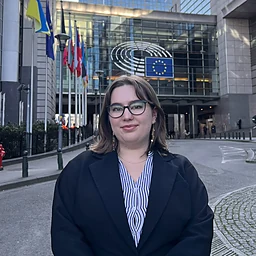
Adriana Lucero-Dorst
Deputy Secretary General
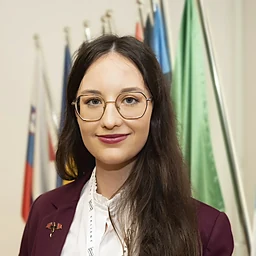
Viola Parma
Secretary General
More MUN conferences
SpainMUN conferences in Spain EuropeMUN conferences in Europe March 2025MUN conferences in March 2025 University MUNMUN conferences for university students
ConferencesSpainMUNUSAL 2025