CLVMUN 2027

Bohaterki Model United Nations

Jan 15–17, 2027 Warsaw, Poland

Bohaterki Model United Nations

Closes Dec 30

Conference

Warsaw, Poland·Europe

Jan 15–17, 2027

130 delegates expected

High school students

In English and Polish

Applications

Open for some roles
  • Delegates, Head delegatesNov 2 – Dec 30, 2026Open
  • ChairsJun 15 – Oct 12, 2026Closed

About

Helping the young generation hop into the Big World

Dear delegates and chairs

We are delighted to announce the first ever edition of the CLV Model United Nations initiated by students of the CLV LO im. Bohaterek Powstania Warszawskiego. Delegates will have the opportunity to enhance their diplomatic skills and experience a simulation of the United Nations.

As a newly established conference, we are committed to creating an environment that is both welcoming and engaging. Our goal is to ensure well-structured debates, relevant topics, and a supportive atmosphere for both first timers and experienced participants.

The conference will take place from the 15th to the 17th of January 2027.

We warmly invite you to take part in the first edition of CLVMUN and be part of building our conference from the ground up.

Contact: 

Instagram/TikTok: clvmun2027

Gmail address: clvmodelun@gmail.com

You must be at least 14 to attend the conference as a delegate

You must be at least 15 to attend the conference as a chair


**We do not offer refunds of the delegate fee** 

Committees

  • 18 countries
    1. Ensuring maritime security in the Strait of Bab Al-Mandab

    • Xawery Eichler
    • Anna Pokładek

    Security Council

    Expert · English · 18 countries

    Topic

    Ensuring maritime security in the Strait of Bab Al-Mandab

    About the committee

    With increasing military tensions surrounding the Bab el-Mandeb Strait, the security of one of the world's most strategically important maritime chokepoints has become a major international concern. The strait connects the Red Sea to the Gulf of Aden and serves as a crucial passage for commercial vessels travelling between Europe and Asia. Recent advances by the Houthis (Ansar Allah) towards strategic positions overlooking the strait, alongside attacks and threats against commercial shipping, have raised concerns about freedom of navigation and the possibility of further military escalation. The Security Council will seek to prevent armed groups from using control over the strait as political or military leverage, while discussing naval security operations, protection of civilian vessels, international maritime law, and diplomatic de-escalation.

    Chairs

    Countries

    How this committee type works
  • 18 countries
    1. Przyszłość Centralnego Portu Komunikacyjnego (Portu Polska): optymalizacja kosztów a strategia rozwoju infrastruktury
    • Stefan Sadkowski
    • Jakub Góralski
    • Pola Sadowska

    Sejm Polski

    Intermediate · Polish · 18 countries

    Topic

    Przyszłość Centralnego Portu Komunikacyjnego (Portu Polska): optymalizacja kosztów a strategia rozwoju infrastruktury

    About the committee

    Description: Centralny Port Komunikacyjny to jeden z najbardziej ambitnych i kontrowersyjnych projektów infrastrukturalnych w historii współczesnej Polski. Węzeł łączący centralne lotnisko, Kolej Dużych Prędkości oraz centrum logistyczne staje na styku geopolitycznych aspiracji i realiów budżetowych państwa. Z jednej strony podkreśla się kluczową rolę inwestycji dla bezpieczeństwa oraz potencjał przejęcia zyskownego rynku cargo. Z drugiej strony krytycy ostrzegają przed gigantycznym deficytem, ryzykiem powstania nierentownego obiektu, marginalizacją lotnisk regionalnych oraz napięciami społecznymi wokół wywłaszczeń. Zadaniem komisji będzie przeanalizowanie proponowanego Kompromisu Baranowskiego i wypracowanie równowagi między strategicznym rozwojem kraju, dyscypliną finansową a ochroną praw lokalnych społeczności.

    Chairs

    Countries

  • 18 countries
    1. The topic will be disclosed 24 hours before the conference
    • Antoni Metera
    • Jan Wojdyło
    • Barbara Serafin

    Historical Crisis

    Intermediate · English · 18 countries

    Topic

    The topic will be disclosed 24 hours before the conference

    Chairs

    Countries

    How this committee type works
  • 19 countries
    1. Standardizing EU-wide regulations for social media access, child digital safety and combatting targeted foreign disinformation campaigns.
    • Zuzanna Chilińska
    • Apolonia Dziwinska

    European Council

    Intermediate · English · 19 countries

    Topic

    Standardizing EU-wide regulations for social media access, child digital safety and combatting targeted foreign disinformation campaigns.

    About the committee

    As social media platforms become increasingly influential in shaping public opinion and the everyday lives of young people, the European Union faces growing challenges in ensuring online safety while protecting fundamental democratic values. The widespread exposure of minors to harmful content, online exploitation, cyberbullying and potentially addictive platform features has raised questions about whether existing regulations provide sufficient protection. At the same time, the increasing use of social media to spread targeted disinformation campaigns, particularly those orchestrated by foreign actors, poses a significant threat to democratic institutions, electoral processes and public trust. Delegates will debate the possibility of introducing standardized EU-wide regulations concerning minimum age requirements for social media access, parental consent, age verification systems and platform accountability. Additionally, they will explore strategies to combat foreign disinformation, improve digital literacy and strengthen cooperation between EU member states while ensuring that measures do not undermine freedom of expression, privacy or other fundamental rights.

    Chairs

    Countries

    How this committee type works
  • 19 countries
    1. Addressing the global spread of nitazenes and other synthetic opioids
    • Mikołaj Świętoń
    • Zofia Wiśniewska

    United Nations Office on Drugs and Crime

    Beginner · English · 19 countries

    Topic

    Addressing the global spread of nitazenes and other synthetic opioids

    About the committee

    Nitazenes are synthetic opioids, many far stronger than morphine and some stronger than fentanyl, which makes them extremely dangerous.A tiny dose of those drugs can stop a person’s breathing and they are often hidden in other drugs or fake pills, so people do not know what they are consuming. UNODC received its first report of one in 2019 and around 30 have appeared since, but only 12 are under international control. The World Drug Report 2025 notes that countries were reporting more new nitazenes than new fentanyl analogues, so the threat is spreading faster than the law can respond.

    Chairs

    Countries

    How this committee type works
  • 18 countries
    1. Examining the uncontested use of genetic data by states and corporations as a violation of privacy and individual personal sovereignty
    • Maja Malawko
    • Małgorzata Pompe

    Human Rights Council

    Beginner · English · 18 countries

    Topic

    Examining the uncontested use of genetic data by states and corporations as a violation of privacy and individual personal sovereignty

    About the committee

    In the age when acquiring our personal information is of great value to companies, and countries around the globe we must protect it. Genetic data is one of them- it can disclose our individual traits, genetic predispositions, ancestry, and many other deeply private details of our lives. Governments may store them to investigate criminal activities, or conduct medical research, but some of them may be subject to violations and uncontested usage.

    Chairs

    Countries

    How this committee type works
  • 18 countries
    1. Protecting women and girls displaced by climate change
    • Beata Błażowska
    • Klara Antolak

    United Nations Entity for Gender Equality and the Empowerment of Women

    Beginner · English · 18 countries

    Topic

    Protecting women and girls displaced by climate change

    About the committee

    The committee addresses the growing challenges faced by women and girls who are forced to leave their homes due to climate-related disasters and environmental changes. Climate change, including rising sea levels, droughts, floods and extreme weather events, increasingly threatens livelihoods, food security and access to essential services, contributing to displacement and migration. Women and girls are often disproportionately affected due to existing gender inequalities, limited access to resources and increased exposure to gender-based violence, exploitation and human trafficking during displacement. The topic focuses on ensuring their protection, safeguarding their human rights and addressing their specific needs in humanitarian responses. It also highlights the importance of gender-sensitive climate adaptation policies, access to education and healthcare, economic empowerment, and the inclusion of women in decision-making processes concerning climate change and displacement.

    Chairs

    Countries

    How this committee type works

Partner conferences

TARMUN 2026
Tarnów, Poland

View conference
KOSZMUN 2027

Koszalin, Poland

View conference
SOBMUN 2026

Warsaw, Poland

View conference
MarieMUN 2026

Warsaw, Poland

View conference
IASMUN 2026

Warsaw, Poland

View conference
IPSMUN 2027

Wrocław, Poland

View conference
KOCHMUN 2027

Warsaw, Poland

View conference

Organizers

Aleksandra Bronowska
President of the General Assembly
Julianna Góra
USG for Design
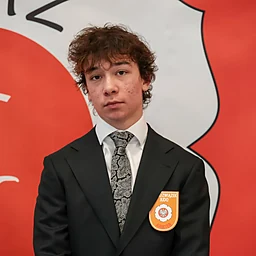
Kacper Pydzik
USG for Logistics

Matylda Szostek
USG for Media

Michał Godley
Secretary-General
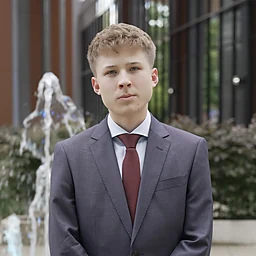
Michał Jakubowski
Deputy President of the General Assembly

Olga Kuzniecow
USG for Media

Quoc An Ly
USG for Finance & PR
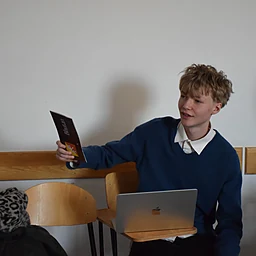
Robert Weston
Deputy Secretary-General

Sara Wysocka
Director-General

More MUN conferences

ConferencesPolandCLVMUN 2027