About
A World on Edge: Diplomacy and the Future of Global Security
In an era where alliances shift overnight, borders are tested, and the rules of global engagement are being rewritten in real time, our conference theme: “A World on Edge: Diplomacy and the Future of Global Security”, invites delegates to step into the shoes of the leaders shaping tomorrow. This theme explores the fragile balance between power and diplomacy, examining how nations navigate rising tensions, emerging threats, and the ever-evolving definition of security in a world where traditional alliances are no longer guaranteed. Delegates will be challenged to think critically, negotiate boldly, and craft solutions that address the complex, interconnected crises defining our modern age, because when the world stands on the edge, diplomacy is what keeps it from falling.
Conference Details
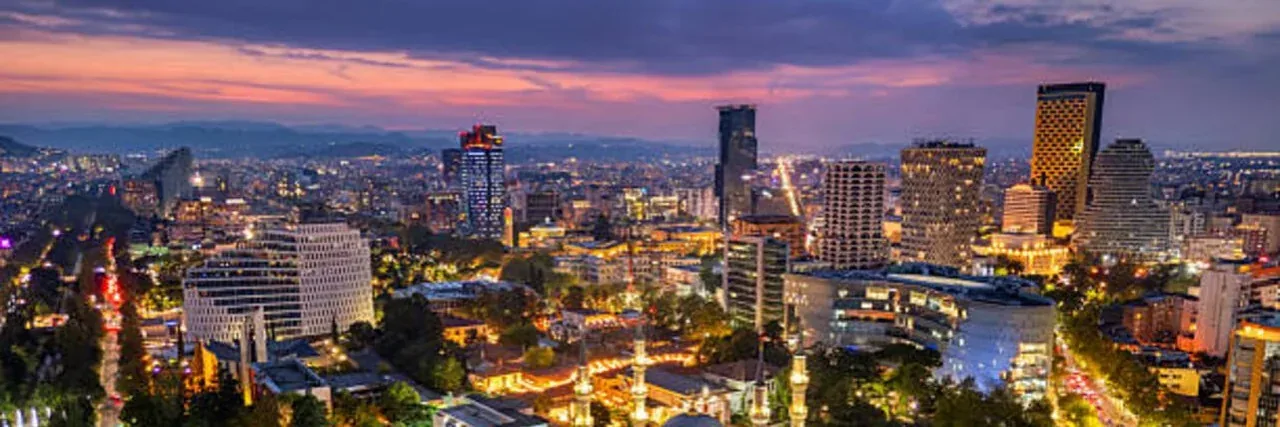
WIMUN will take place from April 8th to April 11th, 2027, at the prestigious Woodrow Wilson International School in Tirana, Albania. Tirana is a vibrant city where rich history meets a fast growing, youthful energy, offering delegates an unforgettable backdrop for four days of diplomacy, debate, and connection. Delegates can look forward to a stunning Opening Ceremony at an amazing venue, along with socials hosted in equally impressive and fitting locations, each one as photogenic as it is unforgettable, ensuring that every moment of WIMUN is one worth capturing.
Conference Schedule
- Day 1: Opening Ceremony, followed by committee debate and our first Social of the conference
- Day 2: A full day of committee debate, capped off with another Social to keep the energy going
- Day 3: A free day to explore the sights, culture, and charm of Tirana, wrapping up with an evening Social
- Day 4: Final round of committee debate, followed by the Closing Ceremony
Social Themes
Night 1 – 2000s Throwback Party: Get ready to travel back to the 2000s! Think low-rise jeans, butterfly clips, flip phones, pop anthems, and all the nostalgia that comes with them. Dress up in your favourite 2000s look and get ready for a night of throwback music, dancing, and plenty of memories.
Night 2 – Rock Night: Time to turn up the volume! Rock Night is all about great music, big energy, and letting loose after a day of committee sessions. A live rock band will be performing throughout the night, bringing your favourite rock anthems to life. Leather jackets, bold outfits, and your inner rockstar are more than welcome!
Night 3 – Gala Night: End the conference with a night to remember at our Gala Night. Put on your best formalwear and join us for an elegant evening celebrating the friendships, memories, and experiences we’ve shared throughout the conference. A live band will also take the stage, making our final night together even more special.
Delegate Package
Your delegate fee covers everything you need for an unforgettable four days: full meals and snacks throughout the conference, merchandise to take home as a keepsake, seamless transportation to the school, to the social venues, transportation for the free day, access to the socials, and delegate training to set you up for success on the committee floor.
For accommodation, we offer two options to suit every delegate. Stay right at the heart of the action with on-campus housing at the prestigious Woodrow Wilson International School, a stunning boarding facility that puts you steps away from the conference itself. Prefer to arrange your own lodging? Choose our non-accommodation package instead, and take advantage of exclusive discounted rates at our partner hotels nearby.
And for delegations bringing five or more delegates, we've got you covered with special group discounts available on both accommodation options, making it easier than ever to bring your whole team along for the experience.
Rounds of Allocation
To ensure the smooth organization of the conference and allow delegates to secure their preferred committee, allocations will take place in five rounds throughout the registration period:
- 1st Round: December 12
- 2nd Round: January 12
- 3rd Round: February 12
- 4th Round: March 12
- Final Round: March 31
Committee allocation is confirmed only after the delegate fee has been paid. Delegates are therefore encouraged to complete their payment as early as possible in order to be considered for their preferred committee and country allocation.
So this is it!
Mark your calendars. Polish your position papers. Get ready to take the floor.
Follow us on Instagram @wimun.al for more! For any delegate, sponsorship, partnership, logistic or any other organisational enquiries, contact us at wimun@wwi.edu.al.
We can't wait to welcome you to Tirana this upcoming April!
Committees
The United Nations Human Rights Council (UNHRC) is an inter-governmental body within the UN system responsible for promoting and protecting human rights around the world. Composed of 47 member states elected by the UN General Assembly, the Council addresses human rights violations, conducts Universal Periodic Reviews of all UN member states, and can appoint independent experts and commissions of inquiry to investigate specific crises. In this committee, delegates will represent their nations' positions on pressing human rights issues, negotiate resolutions, and work collaboratively to balance national interests with the global commitment to upholding fundamental freedoms and dignity for all people
The Disarmament and International Security Committee (DISEC), also known as the First Committee of the UN General Assembly, addresses global challenges related to disarmament, arms control, and international security. It brings together all 193 UN member states to discuss issues such as nuclear non-proliferation, the regulation of conventional and unconventional weapons, cybersecurity threats, and the prevention of an arms race in outer space. In this committee, delegates will negotiate resolutions aimed at reducing global military tensions, promoting collective security, and fostering cooperation between nations to prevent conflict and ensure a safer, more stable world.
The Economic and Social Council (ECOSOC) is one of the six principal organs of the United Nations, responsible for coordinating economic, social, and environmental efforts across the UN system. Composed of 54 member states, ECOSOC promotes sustainable development, addresses global challenges such as poverty, inequality, and public health, and works to advance international cooperation on trade, education, and human welfare. In this committee, delegates will collaborate on policy recommendations and resolutions that tackle pressing global issues, balancing economic growth with social progress and environmental sustainability to help achieve the UN's broader development goals.
INTERPOL, the International Criminal Police Organization, is the world's largest international police organization, facilitating cooperation between law enforcement agencies across 196 member countries. In Model UN, the INTERPOL committee simulates this collaborative approach to combating transnational crime, addressing issues such as cybercrime, human trafficking, terrorism, drug smuggling, and organized crime networks. Unlike traditional General Assembly committees, delegates in INTERPOL often represent law enforcement or investigative agencies rather than nations, working together to share intelligence, coordinate cross-border investigations, and draft actionable resolutions to strengthen global security and criminal justice cooperation.
The World Trade Organization (WTO) is the international body responsible for regulating and facilitating trade between nations, with 164 member countries working to ensure that trade flows as smoothly, predictably, and freely as possible. The WTO oversees global trade agreements, resolves trade disputes between member states, and monitors national trade policies to reduce barriers such as tariffs and quotas. In this committee, delegates will negotiate trade policies and resolutions addressing issues like fair trade practices, economic development, intellectual property rights, and the balance between free trade and protecting domestic industries.
The World Health Organization (WHO) is the United Nations' specialized agency responsible for international public health, working to promote health, keep the world safe, and serve vulnerable populations across its 194 member states. WHO addresses global health challenges such as infectious disease outbreaks, pandemic preparedness, access to healthcare and medicine, maternal and child health, and the social determinants of health. In this committee, delegates will collaborate on policy solutions and resolutions that strengthen health systems, promote equitable access to care, and coordinate international responses to emerging health crises and long-term wellness goals.
The United Nations Security Council (UNSC) is the UN's most powerful organ, primarily responsible for maintaining international peace and security. It consists of 15 member states: five permanent members (China, France, Russia, the United Kingdom, and the United States) who hold veto power, and ten non-permanent members elected for two year terms. The Council has the authority to impose sanctions, authorize peacekeeping missions, and even sanction the use of military force to address threats to global stability. In this committee, delegates will engage in high-stakes negotiations to address international crises, balancing national interests with the need for collective action to resolve conflicts and prevent threats to peace.
A Crisis Committee is a fast paced, dynamic Model UN format that departs from traditional debate by immersing delegates in a constantly evolving scenario that unfolds in real time. Rather than negotiating pre-set resolutions, delegates respond to unexpected "crisis updates" that force quick strategic decisions and adaptive problem-solving. Delegates often represent individuals with personal agendas and unique powers rather than entire nations, allowing for backroom dealing, covert actions, and creative solutions through personal crisis notes. This committee challenges delegates to think on their feet, collaborate under pressure, and navigate complex, ever-changing situations as the story develops throughout the conference.
The Press Corps is a unique committee within Model UN that simulates the role of international journalism rather than traditional diplomatic debate. Delegates take on the roles of reporters, photographers, and media correspondents tasked with covering the conference's committees, interviewing delegates, and reporting on key developments as they unfold. Throughout the conference, Press Corps members will write articles, conduct interviews, and produce media content that captures the drama, negotiations, and outcomes of the various committees, offering conference attendees an inside look at the stories behind the diplomacy.
Partner conferences
 LyonMUN 2027
 GSMUN Cyprus 2026
 AUMUN 2027
Organizers
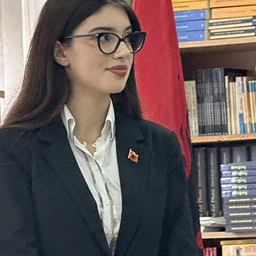
Grejsi Marku
USG of Academics
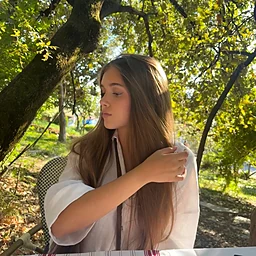
Iman Ismaili
USG of Marketing
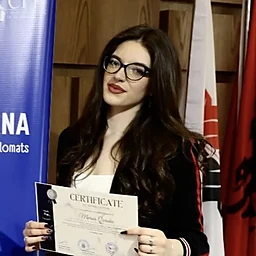
Marsia Qurku
Secretary General

Melina Qurku
USG of Communication
More MUN conferences
AlbaniaMUN conferences in Albania EuropeMUN conferences in Europe April 2027MUN conferences in April 2027 High school MUNMUN conferences for high school students University MUNMUN conferences for university students
ConferencesAlbaniaWIMUN 2027