
PLISMUN 2027

Parklane International School Model United Nations

Jan 28–31, 2027 Prague, Czech Republic

Parklane International School Model United Nations

Conference

Jan 28–31, 2027

220 delegates expected

High school students

In English

About

Navigating Global Stability in an Era of Transition

👉To apply, visit our website 👈

At PLISMUN — Park Lane International School Model United Nations — we believe in the power of dialogue, critical thinking, and global awareness. Founded with the goal of empowering students to engage with the most pressing international issues of our time, PLISMUN is more than a conference; it's a platform for young voices to shape the future. 

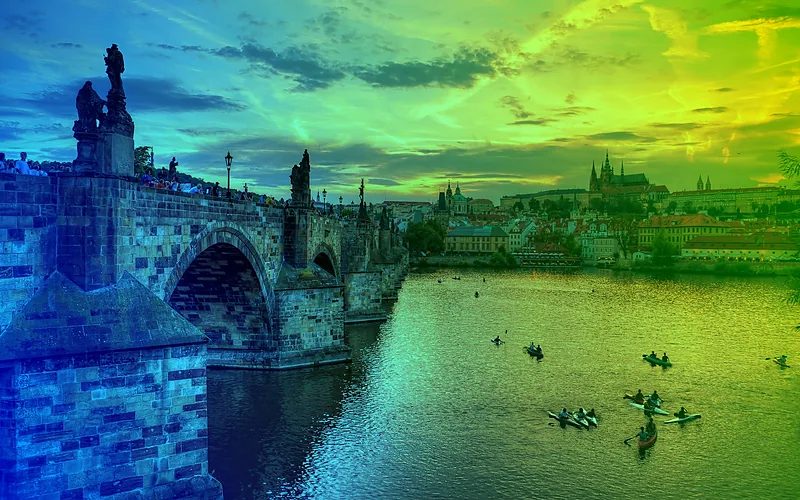
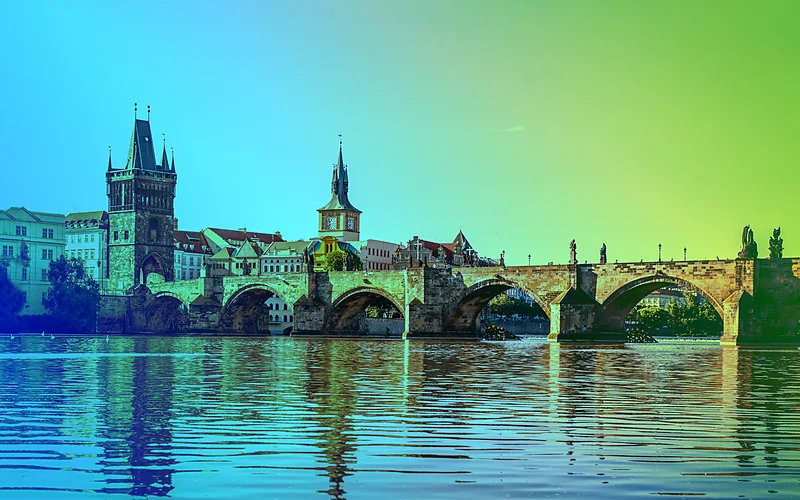
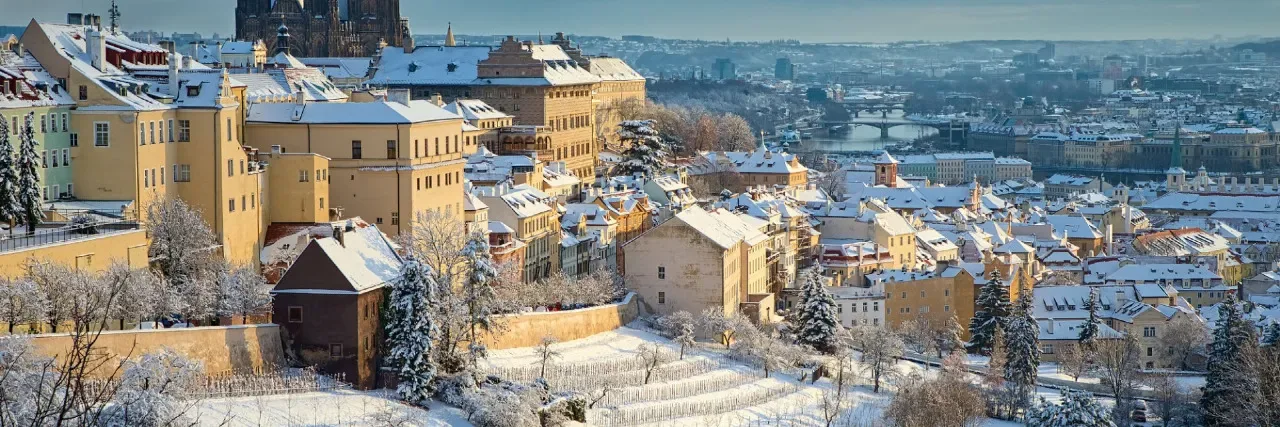
Held annually in the heart of Prague, PLISMUN brings together delegates from around the world for three days of passionate debate, collaborative problem-solving, and cultural exchange. With diverse committees reflecting the structure of the United Nations, participants are challenged to think globally, speak diplomatically, and act responsibly. 

Whether you're a first-time delegate or an experienced MUN veteran, PLISMUN provides an inclusive, academically rigorous, and inspiring environment to develop leadership skills and lifelong friendships.

This year's conference theme: Navigating Global Stability in an Era of Transition

To apply, visit our website 

CHAIR APPLICATIONS (1,000czk | €40): OPEN, APPLY ON WEBSITE 🟢
DELEGATE APPLICATIONS (1,700czk | €70): OPEN, APPLY ON WEBSITE 🟢

Committees

  • 30 countries
    1. Mitigating Economic Instability caused by the Recession of the Caspian Sea
    2. Managing the Economic Fallout of Glacial Melting in Central Asia

    Economic and Social Council

    Beginner · English · 30 countries

    Topics

    1. Mitigating Economic Instability caused by the Recession of the Caspian Sea
    2. Managing the Economic Fallout of Glacial Melting in Central Asia

    About the committee

    Topic 1: The Caspian Sea, the world’s largest inland body of water, is rapidly receding due to a combination of unsustainable maritime practices and evaporation caused by climate changes. This recession has intense implications for not just the five littoral states, namely Kazakhstan, Russia, Turkmenistan, Iran and Azerbaijan, but also all neighboring major trading powers, as the Trans-Caspian corridor presents one of the only trade routes between Europe and Asia which allows for sanction compliance against Iran and Russia. Economic fallout due to the Sea’s decreased presence may outweighs major power’s willingness to centralise trade within their own borders, as the Caspian provides a valuable source of energy through the oil extracted on its rigs. Fisheries in the area, too, are threatened by this recession, a factor highly relevant due to the fact that 90% of the world’s sturgeon population reside in the Caspian, meaning its preservation is essential in maintaining industries such as the caviar business. This produces a political climate where many different vested interests determine whether actions aimed at the Sea’s preservation are beneficial for neighbouring countries and one where decisions made through cooperation between nations may have impactful economic consequences. Topic 2: The water infrastructure of the various nations within the region of Central Asia, including Kyrgyzstan, Tajikistan and Kazakhstan, which is integral to sustenance of life within their borders, relies largely on glacial runoff. This increasingly relevant phenomenon poses detrimental implications for not just the nations’ populace as the glaciers serve as the primary source of freshwater but also for their economies as Tajikistan and Kyrgyzstan source around 93% of their energy from hydropower. The climate issue also has wider ranging effects on the globe as 2 billion people rely on meltwater from the glaciers for day-to-day freshwater use. Central Asian nations also act as large exporters of cotton and other water-reliant agricultural products meaning intense trade market repercussions if the issue is not countered swiftly. The Economic and Social Council is tasked with managing the increasingly unstable position glacial melt is placing concerned parties in, and setting out frameworks to continue this work henceforth.

    Countries

    How this committee type works
  • 25 countries
    1. Regulating the Synthetic Drug Trade
    2. Addressing Illicit Financial Flows in Migrant Smuggling

    United Nations Office on Drugs and Crime

    Beginner · English · 25 countries

    Topics

    1. Regulating the Synthetic Drug Trade
    2. Addressing Illicit Financial Flows in Migrant Smuggling

    About the committee

    Topic 1: In recent years, synthetic drugs have majorly reshaped the international drug market. These substances can be made practically anywhere without the need for large-scale cultivation, making them easier and cheaper for traffickers to produce and distribute. With synthetic drugs being fairly new, criminal groups are constantly adapting to legal enforcements, finding loopholes by developing new synthetic compounds as well as using different chemicals in production. Despite efforts to mitigate this issue, responses remain fragmented, allowing for drug traffickers to stay ahead. Currently, the yearly figure of global deaths caused by synthetic drugs is approximately 600,000, however, if this issue is not solved at a rapid pace, this number could rise significantly. The United Nations Office on Drugs and Crime is tasked with strengthening international collaboration in response to the synthetic drug trade, improving data sharing and expanding drug prevention and treatment services. Topic 2: Migrant smuggling is a highly profitable transnational crime in which criminal networks assist the illegal cross-border transport of people for financial gain. The money generated from these illicit activities, known as illicit financial flows, is often concealed through money laundering, informal transfer systems, sell companies, cryptocurrencies and offshore accounts. These illicit financial flows allow smugglers to expand, evade, and corrupt. Migrant smuggling generates billions of dollars every year, making it one of the world’s most profitable criminal industries. The United Nations Office on Drugs and Crime is empowered to train authorities on tracing illicit flows, analysis of digital evidence and improvement of cross-border cooperation, granting countries the means to be better equipped to dismantle migrant smuggling networks.

    Countries

    How this committee type works
  • 35 countries
    1. Combatting Acute Malnutrition in Conflict-Stricken Zones
    2. Containing the Global Spread of Dengue fever

    World Health Organisation

    Beginner · English · 35 countries

    Topics

    1. Combatting Acute Malnutrition in Conflict-Stricken Zones
    2. Containing the Global Spread of Dengue fever

    About the committee

    Topic 1: Malnutrition, or, more specifically, undernutrition, is a deficiency in essential nutrients resulting in adverse effects on the body’s composition and function. This can stem from a lack of stable access to food in adequate quantities, a challenge often faced by civilians in zones of war or conflict. Acute food insecurity is a common, and often scarcely avoidable, knock-on effect of warfare; populations are displaced from their existing communities and settlements and made to find food while travelling between unreliable accommodation, as agricultural production, aid networks and food supply chains are disrupted, oftentimes entirely, by the conflict being waged. Nutrient deficiency affects every organ system in the body, along with essential bodily functions, leaving millions of children stunted in global conflict zones, and risk of widespread hereditary disease is significantly increased, affecting these regions well past the cessation of armed dispute. The World Health Organisation has devoted countless hours of on-the-ground research and aid to the tackling of malnutrition, and is now tasked with implementing further measures for its minimisation. Topic 2: Dengue fever is a viral infection caused by the dengue virus (DENV), transmitted by mosquitoes in tropical and sub-tropical climates. Symptoms and severity vary case-by-case, ranging from virtually undetectable to fatal, and often rely on formal testing for accurate identification. Individuals with severe cases of dengue are advised to seek help immediately to mitigate the risks associated with the virus, but are often unable to access laboratories and hospitals equipped to deal with their condition, leaving them without necessary medical attention. Even with availability of the required equipment, many existing testing methods for dengue are largely unreliable. In recent decades, dengue’s worldwide incidence has grown drastically, surpassing 14 million cases in 2024, in contrast to a figure of just half a million in 2000. Various factors contribute to the ever-increasing transmission of the virus, including changes in climate, overburdening of national health systems, and high population movements. The World Health Organisation is tasked with containing an endemic now present in over 100 countries, and targeting the root causes of the spread of dengue fever.

    Countries

    How this committee type works
  • 25 countries
    1. Addressing Impacts of Chemical Contaminants and Undetonated Explosives in Mainland Southeast Asia
    2. Discussing the Restoration of Essential National Archives to Formerly Colonised Nations

    Special Political and Decolonisation Committee

    Intermediate · English · 25 countries

    Topics

    1. Addressing Impacts of Chemical Contaminants and Undetonated Explosives in Mainland Southeast Asia
    2. Discussing the Restoration of Essential National Archives to Formerly Colonised Nations

    About the committee

    Topic 1: Southeast Asia is a region which has long been defined by the lingering remnants of the large scale conflicts which were waged there in the latter 20th century, including the infamous Vietnam War, the Cambodian Civil War and the Sino-Vietnamese War, primarily conflicts where the intervening powers never faced retribution for the long-term consequences they caused in this region. These wars were orchestrated at the onset of an age where military strategies transcended traditional warfare with the advent of chemical defoliants to combat guerrilla tactics. The specific defoliant used in the Vietnam War, the controversial Agent Orange, has caused irreparable damage to both the region’s population and its ecosystem, with transgenerational exposure leaving large parts of the population at risk of diseases such as cancer and immune disorders. This wartime legacy has also sealed off large swathes of the region due to the unexploded ordnance, which has been found to litter them as a result of Cold War bombing. States of the Security Council must now cooperate to reverse the lingering effects of the ideological struggle tarnishing the region, and open an opportunity for perpetrators to reconcile through recognition of the detrimental impacts military campaigns have caused. Topic 2: In a post-colonial world, many nations formerly under the rule of European imperialist powers are seeking to have key colonial era documents returned to their governments due to their essentiality in settling many of the issues faced by exploited developing states. Key aspects of former colonies’ sovereignty such as archives defining their historical borders as well as papers covering invaluable statistics such as population records can be gained in this process. However many former imperial powers stand against this idea due to disparity in standards of preservation technology found in these developing states when compared to that of these previously colonial nations. This has brought about the idea of digital restoration of these archives which former colonisers see as a valid compromise to the issue however many former colonies view this as a breach of sovereignty as they believe that these archives are their rightful property. Former imperial powers being the holders of these documents also creates issues as it allows them to control the narrative of post-colonial states’ history and withhold any archives that draw attention to events they wish to limit discussion of. This is recognised as a key component of decolonisation by many and a compromise on the issue between coloniser and colonised may yield highly beneficial results. Note: Observers are excluded from substantive votes (votes on amendments, resolutions etc.)

    Countries

    How this committee type works
  • 25 countries
    1. Discussing the Russian-occupied territories in Georgia
    2. Protection of Seafarers and Port Workers in the Black Sea in Times of War

    Organisation for Security and Cooperation in Europe

    Intermediate · English · 25 countries

    Topics

    1. Discussing the Russian-occupied territories in Georgia
    2. Protection of Seafarers and Port Workers in the Black Sea in Times of War

    About the committee

    Topic 1: This committee will discuss the disputed territories of Abkhazia and South Ossetia, which, after conflicts against Georgia in the early 1990s, declared their independence from Georgia. After the 2008 Russo-Georgian war, Russia became the first country to recognise Abkhazia’s and South Ossetia’s independence. Since that war, Russia has exercised extensive control in the region. There are several thousand Russian troops currently in the region. The 4th Guards Military Base and 7th Military Base were established by Russia in 2009 in South Ossetia and Abkhazia and they remain operational to this day. Russia claims that its troops are legally there due to an agreement with the partially recognised governments, but Georgia has maintained that the Russian troops are an illegal presence on their territory. Now, only 5 countries recognise these territories as sovereign states: Russia, Venezuela, Syria, Nicaragua and Nauru. The majority of UN member states see these as part of Georgia. In this committee, delegates will decide the future of these territories. Topic 2: Seafarers are civilians that must be protected. At the moment, there is no international law targeted specifically at the Black Sea protecting seafarers and port workers, hence that is what will be created as an OSCE resolution. Civilian ships being targeted in war is illegal under international regulation; however, the ships are still under threat. The Black Sea is especially dangerous, due to the situation being escalated by the war in Ukraine. Seafarers and port workers are not safe, as they are threatened by drones, missiles and even mines that have been placed in the water. Shipping corridors have been blocked and it is increasingly dangerous to transport cargo in the Black Sea. Although seafarers are civilians and are not always involved in conflicts, they still face dangerous conditions. Port workers are also at threat, as the infrastructure is under threat from missiles. This committee should resolve the challenges faced by seafarers and port workers in the Black Sea.

    Countries

  • 20 countries
    1. Counteracting Extremist Groups in the Sahel Region
    2. Balancing National Security and Privacy in an Age of Cyber-Terrorism

    United Nations Office for Counter-Terrorism

    Intermediate · English · 20 countries

    Topics

    1. Counteracting Extremist Groups in the Sahel Region
    2. Balancing National Security and Privacy in an Age of Cyber-Terrorism

    About the committee

    Topic 1: Sahel is a region in sub-Saharan Africa. Since 2012, when the Mali Civil War started, there has been ongoing conflict between local governments and terrorist groups. There have also been attempted coups in these countries by military officers. Terrorist acts by islamist extremist groups, such as Jama'at Nusrat al-Islam wal-Muslimin and Islamic State Sahel Province, are frequent. These countries are already challenged by political instability and corruption; the increase in terrorist acts has only weakened the governments further. After a coup d-etat in Niger in 2023, the alliance of Sahel states was formed by Burkina Faso, Mali and Niger. It acts as a mutual defence pact among other things. Foreign nations, such as France, USA and Russia have also gotten involved to attempt to solve this issue. The fighting has led to a humanitarian crisis that must be solved. This committee must decide the most effective method of tackling terrorism in the region. Topic 2: Cyber-terrorism is a major issue that must be solved. In recent years, cyber-terrorism has increased, especially with the use of artificial intelligence. AI allows cyber attacks to happen at a much faster rate than before. The goal of the UNOCT is to counter terrorism including digital terrorism. Strong cyber-security laws are needed to prevent cyber-terrorism. However, on the other side of the argument, a country that has strong surveillance laws may infringe on data privacy. Some countries have a high amount of data privacy, with one example being the European Union with its GDPR law that protects privacy. An example of a country with high digital surveillance is China, which has increased cybersecurity with its Cybersecurity Law of the People's Republic of China, but the increased surveillance created concerns around freedom of speech. There is also a debate around encryption laws. This committee must balance national security and privacy to solve this issue.

    Countries

  • 20 countries
    1. Falklands War (1982)
    2. Gas Act (1986)

    Historical British Parliament

    Expert · English · 20 countries

    Topics

    1. Falklands War (1982)
    2. Gas Act (1986)

    About the committee

    Note: Dual positions (two titles split by forward slash) will require Delegates to assume two roles throughout debate (one per topic). As Observers, they will not be voting rights. Topic 1: The date is the 3rd of April, 1982, less than 24 hours following the Argentine Navy’s seizure and occupation of the Falkland Islands. This action constitutes an invasion of a crown colony, administered by an appointee of the United Kingdom’s government and monarch. A continued Argentine presence on the island of South Georgia, a territorial dependency of the Falkland Islands, has been noted since the 19th of March, with the raising of Argentina’s flag by a group placed on the islands by an Argentine Navy ship, though presumed to be civilian. Britain's HMS Endurance, previously stationed at Stanley, the capital city of the Falkland Islands, sailed for South Georgia on the 21st of March in response, further stoking tensions between the concerned nations, amid Argentina’s continued claims for both the Falkland Islands, and South Georgia and the South Sandwich Islands (SGSSI), which motivate its continued invasions and covert operations on the landmasses. At present, the House of Commons, Parliament of Britain, is faced with adequately responding to the invasion of a British territory, namely the Falkland Islands, and setting a course of action for the unfolding conflict. Topic 2: The year is 1986. For just under two decades, the United Kingdom’s gas industry has been monopolised by the British Gas Corporation, following the post-Second World War nationalisation of major British industries. The state has thus been heavily involved in the structure and progression of the gas industry, and has not allowed private companies a hand in the supply of gas to Britain’s populace. Prime Minister Margaret Thatcher, beginning with the 1984 privatisation of British Telecom, has set out to privatise Britain’s largest sectors and services, and her government has embarked on a major restructuring in their operations. The mid-1980s have seen a fall in prices of oil and gas, amid which the privatisation of British Gas appeals to the Conservative government ever more. Now, the House of Commons, Parliament of Britain, is faced with the latest Gas Act, and the question of the sector’s complete privatisation. Various schools of thought are represented by vocal MPs and Representatives of relevant parties, as they set about the task of shaping the British gas industry in its newest form.

    Countries

    How this committee type works
  • 15 countries
    1. Stabilising the Arctic Circle region

    Security Council

    Expert · English · 15 countries

    Topic

    Stabilising the Arctic Circle region

    About the committee

    The Arctic Circle is an unstable region in the far North of the globe which consists of land belonging to the United States of America, Canada, Russia, Denmark (Greenland) and Norway. During the Cold War, this region was particularly disputed as it acted as a shortcut for missile strikes between the two concerned superpowers: the Soviet Union and the United States of America. However, this region retains a high impact on global relations, as well as the nations directly surrounding it, in the modern day. With climate change, many new trade routes, such as the Northern Sea route, have been opened, which are in close proximity to Russia and similar stakeholder nations. Additionally, the region is rich in resources such as oil and gas, further bringing it into international focus. This committee, while centering demilitarisation, is also tasked with tackling the issues associated with these trade routes, the wider impacts of global warming on the area, and vested interests of nations holding territories within the Arctic Circle.

    Countries

    How this committee type works

Partner conferences

PerriMUN 2026

Prague, Czech Republic

View conference

Organizers

David Bouck
Secretary General

Elodie Wray
Chief of Staff

Lilly Ann Hohmann
Chief of Staff

Maria Tiskina
Head of Research

Mariya Krykhtina
Head of Social Media

Nina Marianna Gawlasova
Deputy Secretary General


Thomas Michael Hill
President of the General Assembly, Social Event

Tomáš Stoklásek
Head of Website & IT, Social Event

More MUN conferences

ConferencesCzech RepublicPLISMUN 2027