

PLISMUN 2024

Parklane International School Model United Nations

Feb 8–11, 2024 Prague, Czech Republic

Parklane International School Model United Nations

Conference

Feb 8–11, 2024

120 delegates expected

High school students

In English

About

Park Lane International School Model United Nations, or PLISMUN for short, is a conference where students aged 13 - 18 discuss topics of global importance by representing countries in a simulation of select committees of the United Nations.

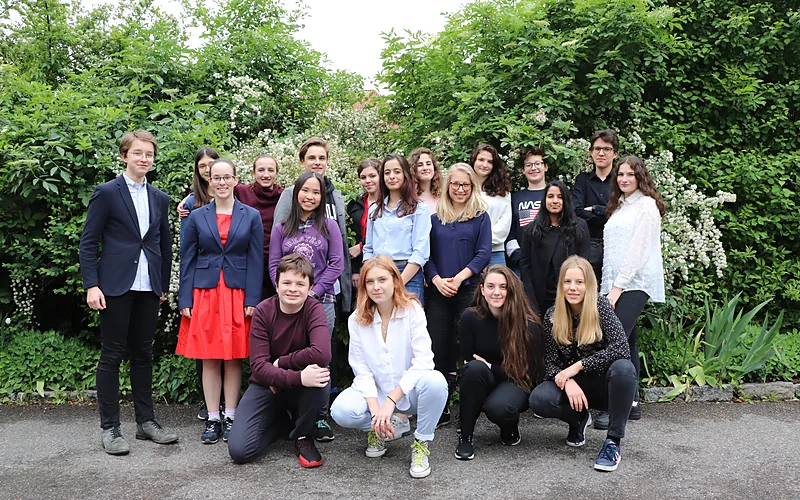
The conference is managed by a completely student-led team. February 2024 will mark the sixth annual edition of PLISMUN - and by no means the last!


ABOUT PLISMUN '24:

There are 6 committees in PLISMUN '24 means that first-time MUN debutants and seasoned debating veterans alike will find their place among the many different committees which all have different levels of difficulty.

APPLICATION STATUS:

Chair - 🔴 

Delegate - 🔴

Delegation - 🔴 (Contact via email - plismun@parklane-is.com or info on https://plismun.com/contact)

LINKS:

🔗 https://www.plismun.com/


Committees

  • 20 countries
    1. Addressing the disproportionate distribution of sanitary and medical equipment around the world
    2. Implementing regulations to limit the amount of carcinogenic air pollution that various factories can produce and release into the atmosphere

    (WHO) World Health Organisation

    Beginner · English · 20 countries

    Topics

    1. Addressing the disproportionate distribution of sanitary and medical equipment around the world
    2. Implementing regulations to limit the amount of carcinogenic air pollution that various factories can produce and release into the atmosphere

    About the committee

    Topic 1: The WHO (World health Organisation) is a committee adreasing healthcare and sanitary developments around the world in order to improve living conditions. This year's topic involves addressing the issue of essential medical equipment being unequally distributed between different areas, both on a local and global scale. Developing countries are witnessing rapid growth in their urban populations, and although cities are engines of economic development and bring significant improvements in urban residents’ health and living standards, the inequality between cities and rural areas are increasing, creating a gap in overall health and healthcare use that favours urban areas. This is visible in both lower income and higher income countries, yet those of higher income receive more aid in terms of providing sanitary and medical equipment for their populations. The lack of access to basic health equipment becomes detrimental to the health and livelihood of people living in developing and less developed countries. In this committee you will be discussing the problem of unequal distribution of female sanitary products and general medical equipment around the world and coming up with solutions to eliminate or mitigate the disparity between less and more developed countries. Topic 2: An estimated 265,000 lung cancer deaths worldwide are attributed to carcinogenic air pollution, which is 29% of all lung-cancer deaths. Air pollution in general is the cause of 7 million deaths per year. Carcinogenic air pollution comes from coal-fired power plants, industries, and refineries, as well as from various vehicles such as cars, trucks and buses. There has been a focus on the largest producers of carcinogens which are facilities in the primary metal and paper manufacturing sectors. Several of the largest polluter states have already pledged to get to net-zero emissions, but at the moment there is an absence of specific regulations to hold these countries accountable to complete their promise. In this committee delegates will agree upon a set of regulations that they deem to be in the best interest of their respective countries, while still regulating the amount of carcinogenic emissions produced.

    Countries

    How this committee type works
  • 20 countries
    1. Regulating the global exploitation of labour workers within the fashion and textile industry

    (HRC) Human Rights Council

    Beginner · English · 20 countries

    Topic

    Regulating the global exploitation of labour workers within the fashion and textile industry

    About the committee

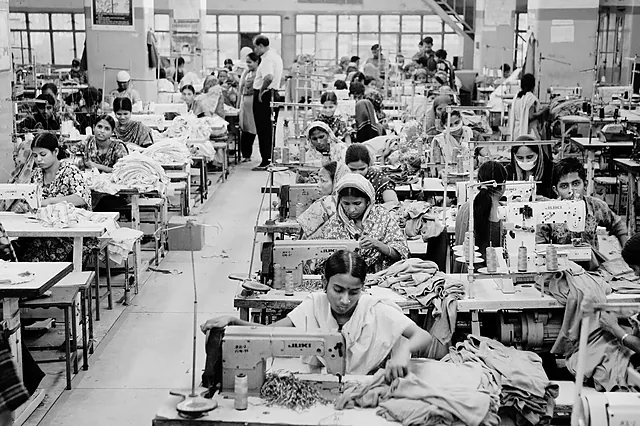
    The HRC (Human Rights Council) is the council that aims to ensure that UN determined human rights are met in all memeber states. The recently increasing issue to be addressed at this conference is the the fashion and textile industry, which has exploded in size since the 19th century, with factories currently being constructed in developing countries (though originially in the western world) in order to increase the effectivity of production. In the past few decades, high income country based TNCs (TransNational Corporations) have been being provided by textiles from so called "sweatshops" for cheaper production where laws for labourers are not in place, such as in South-East Asian countries of Bangladesh, India and Vietnam among others. Such labourers are being frequently forced to work in heat that is damaging to their health due to the lack of ventilation for long hours and for almost negligible pay. Their conditions to do not comply with basic human rights, and for the sake of economic benefit, no or very few measures have been out in place to improve these conditions and increase workers' rights. This could not only be considered as immoral, but is also a greatly unsustainbale way to provide the world with textiles and means that the fashion industry, today among the largest industries in the world, is fed by such sources purely to avoid regulations. If such regulations are decided up within the UN, the global fashion and textile industry will become more sustainable and will be able to continue whithout controversy. Therefore, it is by all means the responsibility of the Human Rights Council of the United Nations to come up with (a) solution(s), and hence to regulate the global exploitation of workers within the fashion and textile industry to improve labourers' rights and the sustainabiltity of the industries.

    Countries

    How this committee type works
  • 20 countries
    1. Solving the crisis of rising sea levels threatening island nations
    2. Providing aid to the Increasing number of climate refugees caused by environmental disasters

    (UNFCC) United Nations Framework Convention on Climate Change

    Intermediate · English · 20 countries

    Topics

    1. Solving the crisis of rising sea levels threatening island nations
    2. Providing aid to the Increasing number of climate refugees caused by environmental disasters

    About the committee

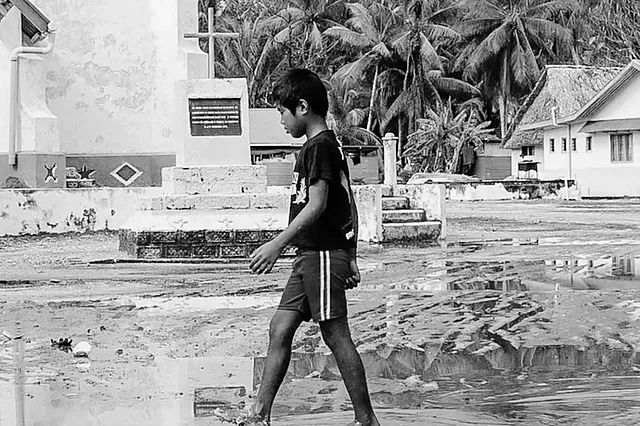
    Topic 1: The UNFCC (United Nations Framework Convention on Climbing Change) committee aims to adress the global catastrophe of climbing change, this year focusing particulary on the threat to small island nations and cities becoming flooded by rising sea levels, which is now slowly becoming a reality. With climate change the ice caps of the arctic have begun to melt, which results in rising sea levels and hence potentially catastrophic flooding. Many coastal regions/ islands, such as Tuvalu and Venice are projected to disappear entirely from world maps by the start of the next century, becoming practically uninhabitable decades before. Neither of these locations have a particulary large population, but absolute emigration will be difficult nonethelss. This applies especially for residents of Tuvalu, as it is a very isolated island in the Pacific ocean. Though not always the immediate loss of a country entirely is at risk, other regions such as the Bahamas, Malaysia and the Maldives could also lose the majority of land. This will force people to move to already overpopulated areas, causing a wide range of logistical issues, including the spread of disease, pollution and a higher crime rate, as well as a potential migration crisis due to insufficent housing and work opportunities for those incoming from flooded areas. If this scenario were to play out, centuries of rich history would be wiped out and eventually lost to time due to the native population being forced to move out to the mainland and the destruction of infrastructure on the island. There are many possible solutions to this crisis; both short term and long term. Both are necessary for a sustainable and effective solution in order to save island nations and coastal areas and their inhabitiants. The goal of the UNFCC is to find a way to save and protect the nations and areas which are at risk of sinking due to rising sea levels. Topic 2: To be added

    Countries

  • 20 countries
    1. Combatting modern colonialism within the African continent
    2. Setting standards for mining operating conducted by foreign nations in the region of south Africa

    (SPECPOL) Special Political and Decolonisation Committee

    Intermediate · English · 20 countries

    Topics

    1. Combatting modern colonialism within the African continent
    2. Setting standards for mining operating conducted by foreign nations in the region of south Africa

    About the committee

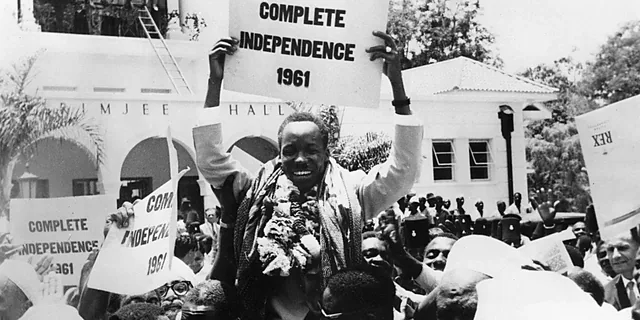
    Topic 1: With all of the territory in the mainland of the African continent being no longer under foreign control, South Sudan becoming an UN member on 14 July 2011, the past Impacts of colonialism primarily carried by the French, British and Italians can be seen in the African continent to this day. With prominent examples is the erasure of culture and language in regions which were previously controlled by foreign nations. Languages are one of the most crucial parts of one's cultural identity as some expressions, words and carrying out cultural customs and beliefs don’t have a direct translation and or adaptation to foreign languages. Erasure of customs is also very detrimental as the long history of these customs allows people to connect with their ancestors and learn about their region's history. With Europe at the time being a very catholic centric Continent they pushed these ideals onto the locals in Africa and they refused to even preach in their native languages this made most religions to be categorized a paganist by the catholic and looked down upon. This led to some of them not being practiced in large cities and only surviving in small rural communities today. This is also impacted by globalization's focus on the spread of western media. All of these are effects and consequences of modern colonialism within the African continent. It is aim of SPECPOL to atempt to miminamize the impacts of modern colonials and find ways that try to fix the underling issues within the African continent. Topic 2: The mining industry, especially in the south of Africa, is riddled with the exploitation of workers with them mainly being very overworked and getting paid below minimum wage. The most common mining operations are usually for precious metals and gemstones. With diamonds, emeralds and amethyst being one of the most common and for the most common precious metals are gold and platinum. With the gemstones and gold being used in jewelry making. platinum and gold are used in technology manufacturing and platinum is used as an industrial canalyst. This leads to many foreign nations having economical benefit from owning mines in the south african region so they can sell these goods at lower price. The working conditions in these mines are also very exploitative towards the workers. The mines have little to no evacuation plans and scaffolding to support the mine itself so if a collapse occurs the chance of the workers dying is very high. They also get paid very little for the amount of work they are expected to do. It is the job of SPECPOL to set mining standards for workers to have secure working conditions and to limit the exploitation by foreign business for the benefit of the workers.

    Countries

    How this committee type works
  • 25 countries
    1. Finding a resolution for the Chernobyl disaster. Part A (day 1): Dealing with the aftermath of the Chernobyl disaster 1 day after Sweden alerted the world of the event
    2. Part B (Day 2): Creating regulations for dealing with long term effects of radiation as a result of nuclear disasters

    (HC) Historical Council

    Expert · English · 25 countries

    Topics

    1. Finding a resolution for the Chernobyl disaster. Part A (day 1): Dealing with the aftermath of the Chernobyl disaster 1 day after Sweden alerted the world of the event
    2. Part B (Day 2): Creating regulations for dealing with long term effects of radiation as a result of nuclear disasters

    About the committee

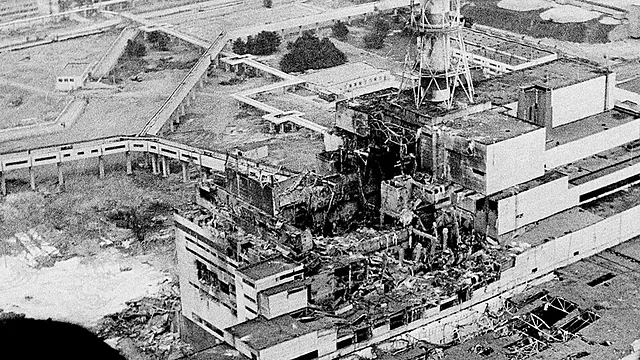
    Topic 1: As Cliff Robinson, an employee at the Swedish Forsmark Nuclear Power Plant, passed a radiation monitor on his way back from the restroom, the radiation monitor alerted him to a large amount of radiation coming off of his shoes. At first, the staff of the Forsmark worried an incident had occurred in their own power plant, yet after a thorough investigation was concluded, data revealed that the radiation was coming roughly 1100 km away from the Ukrainian plant, Chernobyl. The Forsmark found that the chemicals that were polluting the grass outside were specific to Soviet power plants. Due to the Forsmark’s discovery of heightened radiation levels in the region, the Swedish government pressed the Soviet government for an answer to their questions, and on the evening of the 28th of April, two days after the accident, the Soviet government was forced to disclose that there had been an incident at the Chernobyl plant in their Ukrainian territory. And when the news then reached major broadcasting stations worldwide, both the Soviet people and the global community were informed about the Chernobyl disaster. At this point, 150,000 square km were contaminated, mainly spreading across Belarus, Russia and Ukraine, and further radiation was spread all over Europe as far as the United Kingdom. In this committee you will be discussing ways to deal with the aftermath of the disaster, including radiation containment, the relocation or protection of citizens in high radiation zones, who to hold accountable -the government or the workers- and other related matters. Topic 2: The Chernobyl Nuclear Disaster is as infamous as it is today due for numerous reasons, most of which can be attributed back to the poor handling of the situation after its initial occurrence and the lack of adequate safety information in the Nuclear industry. The result of such wrong decisions caused immense nuclear fallout, which in turn resulted in health issues and food shortages across the continent of Europe and parts of Asia. In this committee you will be discussing and consolidating long-term safety regulations and protocols to put into place on ways to deal with nuclear accidents and nuclear waste.

    Countries

    How this committee type works
  • 15 countries
    1. Addressing rising tensions in regards to water supplies in the Middle East
    (SC) Security Council

    Expert · English · 15 countries

    Topic

    Addressing rising tensions in regards to water supplies in the Middle East
    About the committee

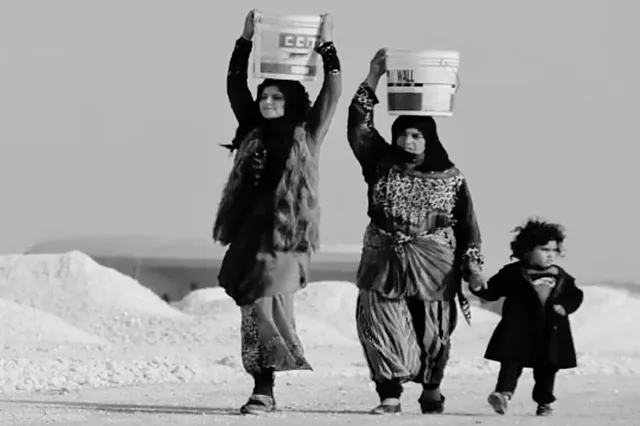
    Topic 1: As humanity develops, the human water consumption increases. It is now used for more than basic survival. We utilise it in refineries, power plants, chemical plants and, most crucially, agriculture. As water is required to sustain the life of plants, livestock and humans, areas in water deficit, such as deserts and other arid regions struggle to meet the needs of the population. This results in water and further essential resources having to be import from exterior sources, such as from neighbouring regions. However, in areas such as the Middle East, where the vast majority of the area is lacking fresh water supplies, conflicts may arise from the struggle for water, which is not in surplus anywhere in the region. Such events have occurred in the past, such as when Arab League nations attempted to diverge the river Jordan (approximately between the years of 1964-67) and hence to cut Israel off from its main fresh water supply. This plan was unsuccesful, but it was one of the first armed conflicts over water in the Middle Eastern region. Another conflict over water that is still ongoing is the dispute over the Euphrates-Tigris basin, which has the three countries of Iraq, Turkey and Syria arguing over how the water should be handled, and there is yet to be an agreement between all three countries. It is therefore the goal of the Security council to work on an effective and sustainable solution that will ensure safe and conflictless access to fresh water for the civilians in the middle east.

    Countries

    How this committee type works

More MUN conferences

ConferencesCzech RepublicPLISMUN 2024