UYLMUN 2023

United Young Leaders

Nov 4–5, 2023 Online

United Young Leaders

Latest edition: UYLMUN 2024Jun 28–30, 2024

Conference

Online

Nov 4–5, 2023

200 delegates expected

High school and university students

In English

How it went

3.9533 ratings from delegates
Academics
3.94
Logistics
3.94
Socials
3.97

About

Uniting Virtually for Global Solutions

Welcome to the Model United Nations (MUN) Conference, an engaging and dynamic forum where young leaders come together to discuss and debate pressing global issues. This conference offers participants an opportunity to step into the shoes of diplomats, representing different countries and working towards finding innovative and collaborative solutions to complex challenges. Throughout the conference, delegates will engage in lively debates, negotiations, and drafting of resolutions, mirroring the real-world proceedings of the United Nations. They will tackle a range of topics, from humanitarian crises to environmental sustainability, from social justice to economic development. This MUN conference provides a unique platform for delegates to enhance their skills in diplomacy, public speaking, research, critical thinking, and teamwork. They will have the chance to expand their knowledge of international relations, understand different perspectives, and develop a global mindset. In addition to the intellectual stimulation, the conference fosters an inclusive and supportive environment, encouraging delegates to build lasting connections, friendships, and networks with fellow participants from around the world. It promotes cultural exchange, celebrates diversity, and nurtures a sense of global citizenship. The conference will feature experienced chairs and moderators who will guide delegates through the proceedings, ensuring that everyone has an equal opportunity to contribute and learn. Workshops and training sessions will be conducted to provide delegates with valuable insights and tools to enhance their MUN experience. Whether you are a seasoned MUN participant or new to the world of Model United Nations, this conference offers an enriching and transformative experience. Join us as we come together to discuss, debate, and seek solutions to create a better future for all. Get ready to engage, inspire, and make a difference at the Model United Nations Conference. Together, let us strive to build a more peaceful, just, and sustainable world

Committees

  • 73 countries
    1. Addressing the Protection of Civilians in the Israeli-Palestinian Conflict: Ensuring Human Rights and Preventing Violence and Murders

    • Shreya Sharma
    • Samagra Thakur

    UNHRC

    Intermediate · English · 73 countries

    Topic

    Addressing the Protection of Civilians in the Israeli-Palestinian Conflict: Ensuring Human Rights and Preventing Violence and Murders

    About the committee

    The topic "Addressing the Protection of Civilians in the Israeli-Palestinian Conflict: Ensuring Human Rights and Preventing Violence and Murders" focuses on the urgent need to protect the rights and safety of civilians caught in the crossfire of the Israeli-Palestinian conflict. Delegates will discuss the violations of international humanitarian law, including attacks on civilians and civilian infrastructure. They will explore ways to ensure humanitarian access and assistance to those affected, as well as the role of mediation and conflict resolution in preventing further violence. Additionally, delegates will examine the international community's responsibility in responding to and preventing attacks on Palestinian civilians, with a focus on accountability and human rights.

    Chairs

    Countries

    How this committee type works
  • 28 countries
    1. Addressing the humanitarian crisis in conflict-affected regions

    • khadija Naveed

    UNSC

    Beginner · English · 28 countries

    Topic

    Addressing the humanitarian crisis in conflict-affected regions

    About the committee

    The humanitarian crisis in conflict-affected regions poses significant challenges and requires urgent attention from the international community. This topic focuses on exploring effective strategies and solutions to alleviate the suffering of those affected by conflict and to provide humanitarian assistance in a comprehensive and sustainable manner. Delegates in this committee will delve into the complexities of humanitarian crises in conflict-affected regions, analyzing the root causes, consequences, and impacts on vulnerable populations, including refugees, internally displaced persons (IDPs), and host communities. They will examine the multidimensional challenges, such as food insecurity, lack of access to healthcare, displacement, and human rights violations, that exacerbate the crisis and hinder effective response efforts. The committee will discuss and evaluate existing international legal frameworks, including the Geneva Conventions and human rights instruments, to assess their implementation and identify gaps in protecting the rights and well-being of affected populations. Delegates will explore ways to strengthen adherence to these frameworks and ensure accountability for violations. Delegates will also examine the role of humanitarian organizations, such as the United Nations agencies, non-governmental organizations (NGOs), and regional bodies, in coordinating and delivering humanitarian aid. They will discuss strategies to enhance coordination, cooperation, and resource mobilization among these actors to ensure that assistance reaches those in need promptly and efficiently. Furthermore, delegates will explore long-term solutions to address the root causes of conflicts and prevent future crises. They will discuss the importance of conflict resolution, peacebuilding, and sustainable development in achieving lasting peace and stability in conflict-affected regions. Through constructive debates and negotiations, delegates in this committee will work towards formulating comprehensive resolutions that outline strategies to address the humanitarian crisis in conflict-affected regions. These resolutions will emphasize the importance of ensuring the protection of civilians, access to essential services, and the provision of adequate resources for humanitarian response efforts. By addressing the humanitarian crisis in conflict-affected regions, delegates in this committee will contribute to alleviating human suffering, protecting human rights, and fostering stability and sustainable development in these vulnerable areas.

    Chair

    Countries

    How this committee type works
  • 44 countries
    1. Bridging the digital divide for equitable access to education and technology
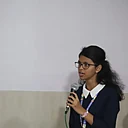
    • Ananya Chakraborty
    • Malini Srinivasan

    ECOSOC

    Expert · English · 44 countries

    Topic

    Bridging the digital divide for equitable access to education and technology

    About the committee

    In today's increasingly digital world, access to education and technology is crucial for individual empowerment, economic development, and social progress. However, a significant digital divide exists, particularly in developing countries and marginalized communities, limiting access to education and technology. This topic focuses on exploring strategies to bridge this gap and ensure equitable access for all. Delegates in this committee will examine the disparities in access to education and technology, analyzing the factors that contribute to the digital divide, such as infrastructure limitations, affordability, and lack of digital literacy. They will explore innovative approaches to overcome these barriers and promote inclusive access to education and technology for all individuals, regardless of their socioeconomic background. The committee will discuss the importance of digital literacy and capacity-building initiatives to empower individuals and communities to effectively use technology for educational purposes. They will explore strategies to enhance digital skills training, teacher training programs, and the development of educational resources that are accessible and relevant to diverse populations. Delegates will also examine the role of public-private partnerships and international cooperation in bridging the digital divide. They will discuss ways to leverage technological innovations, such as connectivity solutions, e-learning platforms, and low-cost devices, to expand access to education and technology in underserved areas. Furthermore, delegates will explore the potential of digital technologies in addressing other development challenges, such as improving healthcare delivery, promoting entrepreneurship, and enhancing governance. They will discuss strategies to harness the transformative power of technology to foster sustainable development and social inclusion. Through constructive debates and negotiations, delegates in this committee will work towards formulating comprehensive resolutions that outline policies and initiatives to bridge the digital divide for equitable access to education and technology. These resolutions will emphasize the importance of collaboration, capacity-building, and resource mobilization to ensure the effective implementation of these strategies. By addressing the digital divide, delegates in this committee will contribute to promoting inclusive and quality education, fostering digital literacy, and advancing socio-economic development for all individuals, regardless of their background or location.

    Chairs

    Countries

    How this committee type works
  • 38 countries
    1. Addressing the Needs of Children in Conflict Zones: Ensuring Aid, Protection, and Preventing Loss of Life"

    • Navya Pandey
    • Srisivakumar Ramakrishnan

    UNICEF

    Intermediate · English · 38 countries

    Topic

    Addressing the Needs of Children in Conflict Zones: Ensuring Aid, Protection, and Preventing Loss of Life"

    About the committee

    This topic focuses on the urgent need to address the specific needs and vulnerabilities of children living in conflict areas. Delegates will discuss strategies to ensure the provision of humanitarian aid, including access to basic necessities, healthcare, and education, for children affected by armed conflict. They will also explore ways to enhance the protection of children from violence, abuse, and exploitation, with a particular emphasis on preventing loss of life. Delegates will examine the role of international organizations, governments, and civil society in coordinating efforts to safeguard the well-being of children and discuss measures to strengthen accountability for those responsible for harming children in conflict zones.

    Chairs

    Countries

    How this committee type works
  • 156 countries
    1. Protecting cultural heritage sites in conflict-affected areas

    UNESCO

    Intermediate · English · 156 countries

    Topic

    Protecting cultural heritage sites in conflict-affected areas

    About the committee

    Cultural heritage sites, representing the collective identity and history of communities, are often at risk of damage, destruction, or looting during times of conflict. This topic focuses on the importance of preserving and protecting cultural heritage sites in conflict-affected areas and developing strategies to safeguard them for future generations. Delegates in this committee will explore the significance of cultural heritage sites and the impact of their destruction on communities, identity, and global cultural diversity. They will discuss the legal frameworks and international conventions, such as the UNESCO World Heritage Convention, that aim to protect and preserve cultural heritage, analyzing their effectiveness and identifying gaps in implementation. The committee will examine the specific challenges faced by cultural heritage sites in conflict-affected areas, such as deliberate attacks, looting, illicit trafficking, and the use of these sites for military purposes. Delegates will discuss strategies to prevent and mitigate these risks, including enhanced security measures, international cooperation, and raising awareness about the importance of protecting cultural heritage. Delegates will also explore the role of international organizations, governments, and local communities in preserving and restoring damaged cultural heritage sites. They will discuss ways to strengthen capacity-building, promote sustainable tourism, and support local communities in their efforts to preserve and manage these sites. Furthermore, delegates will discuss the importance of integrating cultural heritage protection into broader peacebuilding and reconciliation processes. They will explore strategies to promote dialogue, intercultural understanding, and respect for diversity through the preservation and restoration of cultural heritage sites. Through constructive debates and negotiations, delegates in this committee will work towards formulating comprehensive resolutions that outline policies and initiatives to protect cultural heritage sites in conflict-affected areas. These resolutions will emphasize the importance of international cooperation, capacity-building, and the integration of cultural heritage protection into broader peace and security agendas. By addressing the protection of cultural heritage sites in conflict-affected areas, delegates in this committee will contribute to preserving the world's cultural diversity, promoting peace and reconciliation, and ensuring that future generations can appreciate and learn from the rich heritage of all communities, even in the face of conflict.

    Countries

    How this committee type works
  • 25 countries
    1. Promoting women's economic empowerment and closing the gender pay gap

    • Azfar Zarif Khan

    UNCSW

    Beginner · English · 25 countries

    Topic

    Promoting women's economic empowerment and closing the gender pay gap

    About the committee

    Achieving gender equality in economic opportunities and closing the gender pay gap is crucial for creating inclusive and sustainable development. This topic focuses on exploring strategies to promote women's economic empowerment, ensure equal access to economic resources and opportunities, and address the persistent gender pay gap. Delegates in this committee will discuss the barriers and challenges that hinder women's economic empowerment, such as gender-based discrimination, limited access to education and skills training, stereotypes, and cultural norms. They will explore strategies to overcome these barriers and promote women's equal participation in the labor market, entrepreneurship, and leadership positions. The committee will discuss the importance of promoting equal pay for work of equal value and addressing the gender pay gap. Delegates will explore measures to ensure pay transparency, enforce equal pay legislation, and address discriminatory practices that contribute to wage disparities between men and women. Delegates will also discuss the role of education and skills training in promoting women's economic empowerment. They will explore strategies to enhance access to quality education and vocational training for women and girls, focusing on fields traditionally dominated by men, such as science, technology, engineering, and mathematics (STEM). Furthermore, delegates will examine the role of supportive policies and legislation in promoting women's economic empowerment. They will discuss measures to promote work-life balance, provide affordable childcare, and eliminate discriminatory practices in hiring, promotion, and access to credit and financial services. Through constructive debates and negotiations, delegates in this committee will work towards formulating comprehensive resolutions that outline policies and initiatives to promote women's economic empowerment and close the gender pay gap. These resolutions will emphasize the importance of collaboration, capacity-building, and the active involvement of governments, private sector, civil society, and international organizations. By addressing women's economic empowerment and the gender pay gap, delegates in this committee will contribute to creating a fair and inclusive society where women can fully participate and contribute to economic growth, social progress, and sustainable development. Main Avatar

    Chair

    Countries

    How this committee type works

Partner conferences

FDMUN-THE SEQUEL 2024
Dubai, United Arab Emirates

View conference
IPSMUN 2023

Jaipur, India

View conference

Organizers

More MUN conferences

ConferencesOnlineUYLMUN 2023