TIMUN 2025

Tilburg Model United Nations

Apr 11–13, 2025 Tilburg, Netherlands

Tilburg Model United Nations

Conference

Apr 11–13, 2025

120 delegates expected

University students

In English

How it went

4.5926 ratings from delegates
Academics
4.62
Logistics
4.54
Social programme
4.62

About

Debate the Sins, Shape the Solutions – Join TIMUN 2025 in Tilburg!

Welcome to the first-ever edition of the Tilburg Model United Nations (TIMUN)! 🙌

We are thrilled to invite you to join us from April 11 to 13th, 2025, in the vibrant city of Tilburg for an eventful debating experience.


TIMUN Conference 2025 is hosted by the Tilburg Model United Nations Society at Tilburg University. This event is the first step towards a long-lasting tradition. Whether you are an experienced delegate or just starting in the world of MUN, without a doubt, this conference will provide you with the opportunity to challenge your skills and connect with other like-minded individuals from around the world. 

The theme for TIMUN 2025 is “The Sins of Our World.”

This theme delves into the moral and ethical failings that fuel some of the world's most concerning issues, including climate change, wars, and genocides. It explores how actions driven by envy, greed, pride, sloth, gluttony, and wrath contribute to inequality, injustice, and global crises. The TΙMUN 2025 Conference challenges delegates to reflect on the underlying motivations behind these problems and to develop solutions that foster international cooperation, ethical responsibility, and sustainable peace.

Good to Know when Applying as a Delegate!

  1. Make sure you choose your preferred committee(s).
  2. Pay your delegate fee! This will secure your participation in the conference and receive more information regarding your assigned committee.
  3. Agree to our code of conduct.

It is important to know that the socials package IS now included in your delegate fees!

Good to Know when Applying as a Chair!

As a Chair, you’ll enjoy:

  1. Complimentary meals to keep you energised throughout the conference.
  2. Accommodation for a comfortable stay.
  3. Exclusive goodie bags filled with surprises!

Take advantage of this opportunity to not only lead inspiring debates but also explore the charming and picturesque city of Tilburg.


Social package

TIMUN 2025 will have two social events, both included in your Delegate Fee, one on the 11th of April and one on the 12th. The one on the 11th is still to be announced!

On the second day of the TIMUN 2025 conference, participants are invited to an evening of networking and celebration at Carpe Noctem, ESN’s club in Tilburg. Themed around the 90s and 00s, this party will offer the perfect opportunity to unwind, connect with fellow delegates, and enjoy a nostalgic atmosphere with music from these iconic decades.

📅 Date: April 12, 2025
📍 Location: Carpe Noctem, Tilburg

Join us for a memorable night of music, conversation, and camaraderie as we continue the TIMUN 2025 experience in a more relaxed and social setting. The social package for this event includes an entry fee, a free drink, and a night of discounted shots for the Delegates!


Delegate Fees 

  • General Fee: €30


We cannot wait to welcome you to our first-ever TIMUN Conference for an unforgettable weekend of debating, socialising, and sightseeing. Make sure you apply now and become a part of this eventful conference!


Committees

  • 20 countries
    1. Military-Industrial Complex as the Sole Profiter of Modern Warfare

    • Betty Keulards
    • Giorgos Demetriou

    General Assembly

    Beginner · English · 20 countries

    Topic

    Military-Industrial Complex as the Sole Profiter of Modern Warfare

    About the committee

    UNGA (Gluttony): Military-Industrial Complex as the Sole Profiter of Modern Warfare The UNGA will debate the role of the Military-industrial complex as the primary beneficiary of modern warfare. In this debate, emphasis will be put on the role of private companies in decision making during wartimes. Large defense companies manufacture weapons, technology, and equipment necessary for conflict, securing profitable government contracts. As a result, the military is incentivized to engage in or sustain wars to maintain the demand for these products. This massive economic boost can distort national priorities and neglect timely peaceful resolutions, creating a never ending cycle of profitable conflicts at the detriment of long-term peace and protection of human life. Delegates will examine the influence of the military-industrial complex on global conflicts, economic gains, and the ethical concerns of profiting from war. Discussions will focus on alternatives such as prioritizing diplomatic resolutions, emphasizing long-term peacebuilding, and limiting private interests in conflict.

    Chairs

    Countries

    How this committee type works
  • 20 countries
    1. Minimising Environmental and Social Harm in Resource Management: Addressing Modern Slavery
    • Yara Janssen
    • Michelle Groenenboom

    ECOSOC

    Beginner · English · 20 countries

    Topic

    Minimising Environmental and Social Harm in Resource Management: Addressing Modern Slavery

    About the committee

    ECOSOC (Greed) Minimizing Environmental and Social Harm in Resource Management: Addressing Modern Slavery Human consumption continues to outpace what ecosystems can provide: our ecological deficit is nearly twice the earth’s biocapacity. At the same time, resource extraction has detrimental effects on human rights, modern slavery being at an all time high accross many regions. Modern slavery encompasses human trafficking, forced labor, child labor, and debt bondage, all of which are often fueled by the exploitation of vulnerable populations within resource supply chains. Equitable resource management refers to the fair and ethical distribution of resources, ensuring that economic benefits are shared in ways that prevent exploitation and empower marginalized communities. ECOSOC operates at the centre of the UN system’s work on all three pillars of sustainable development—economic, social and environmental. In this committee, delegates will have the chance to consider the topic of resource exploitation from multiple points of view. Regarding assessments of environmental and social harm in resource management, there are many frameworks (international, regional and national) that help in identifying concerns. While there are tools that can help companies identify, classify, and manage resources and assess their environmental and social impacts; their application has to be harmonized to ensure transparency and traceability in the global supply chain. At the moment, there are countries with strict forced labour laws that penalise non-compliance, but there are also states which ignore modern slavery due to its economic advantage. Delegates will explore the effects of unsustainable practices on ecosystems, economies, and future generations. Topics include strategies for conserving natural resources and adopting circular economic models, as well as adopting policies that ensure transparency, traceability, and accountability in the sourcing of raw materials, labor, and services.

    Chairs

    Countries

    How this committee type works
  • 20 countries
    1. Resolving Disputed Territories: Tensions in the South China Sea
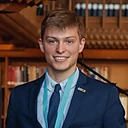
    • Sam Van Outrive
    • Carl Sjölin Fagerlind

    UNSC

    Expert · English · 20 countries

    Topic

    Resolving Disputed Territories: Tensions in the South China Sea

    About the committee

    UNSC (Pride) Resolving Disputed Territories: Tensions in the South China Sea Territorial disputes in the South and East China Seas center on competing claims to islands and maritime areas by multiple nations in the region. The group of islands and maritime areas are rich in natural resources like oil and gas. The region is also a vital international shipping route. China asserts extensive claims based on the "Nine-Dash Line," which overlaps with the claims of other nations. China finds itself in a dilemma with the United Nations Law of Sea (UNCLOS), particularly due to different interpretations related to maritime zones. China has repeatedly claimed the South China Sea as sovereign territory and has conducted intimidation attempts with military units on several islands, creating a hostile environment with neighbouring countries. The debate will focus on diplomatic approaches to resolving territorial disputes, encouraging negotiations, and adherence to international law, particularly the principles of territorial integrity and self-determination. Delegates will analyze the inherent tension between these principles, which often lie at the heart of such conflicts, and explore strategies to balance the sovereignty of multiple states with overlapping claims. Proposals may include international mediation, legal adjudication through international courts, or recognising self-determination where applicable, all aimed at promoting dialogue, stability, and lasting peace in disputed regions. IMPORTANT NOTE: Vietnam, Malaysia, Philippines, India and Japan are Observer states, meaning they can participate in the debate, but do not have voting rights!

    Chairs

    Countries

    How this committee type works

Partner conferences

TouMUN 2025
Tours, France

View conference
MUNROT 2025

Rotterdam, Netherlands

View conference
BayernMUN 2025

Nuremberg, Germany

View conference
USPN MUN 2025

Villetaneuse, France

View conference
PragueMUN 2025

Prague, Czech Republic

View conference
TEIMUN 2025

The Hague, Netherlands

View conference

Organizers

Csengele Kato
USG for Academic Affairs

Dule Vicovac
Assistant USG for Academic Affairs

Durga Rangan
Assistant USG for Conference Management
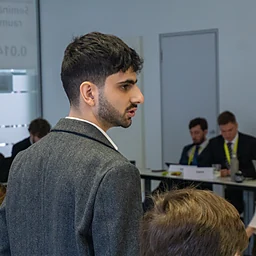
Fred Nagdalyan
Chief of Staff

Konstantina Kyriakidi
USG for Global Communications
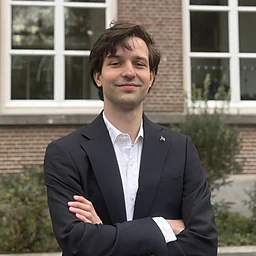
Maurycy Marmaj
Secretary General

Natalia Beboshvili
Deputy Secretary General

Onaopemipo Olabiyi
Staff Member

Raissa Sidat
Deputy Secretary General

Theo Billetter
USG for Conference Management

More MUN conferences

ConferencesNetherlandsTIMUN 2025