NAIMUN LXI 2024

North American Invitational Model United Nations

Feb 15–18, 2024 Washington D.C., United States

North American Invitational Model United Nations

Conference

Washington D.C., United States·North America

Feb 15–18, 2024

3,300 delegates expected

High school students

In English and Spanish

How it went

4.30281 ratings from delegates
Academics
4.46
Logistics
4.17
Socials
4.26

About

Registration Closed

Dear advisors, delegates, and friends of NAIMUN, 

Greetings from Washington, D.C.! As the Secretary-General and Executive Director of NAIMUN LXI, we cannot wait to welcome you to the 61st iteration of the North American Invitational Model United Nations, held at the Washington Hilton from February 15-18, 2024. For more information regarding this year's conference, please reference our website: naimun.modelun.org. 

At this time, NAIMUN LXI has reached its full conference capacity, and we are no longer accepting applications. 

If you have any questions, suggestions, or concerns regarding the upcoming conference, please do not hesitate to contact our Director of Registration, Roma Jha, at naimun@modelun.org. 

All the best, 

Romita Chattaraj and Daniel Wachman

Executive Director and Secretary-General, NAIMUN LXI

Committees

  • 140 countries
    1. Expanding Trade Capacity in Agriculture
    2. Pharmaceuticals & Intellectual Property Rights

    General Assemblies: World Trade Organization (WTO)

    English · 140 countries

    Topics

    1. Expanding Trade Capacity in Agriculture
    2. Pharmaceuticals & Intellectual Property Rights

    About the committee

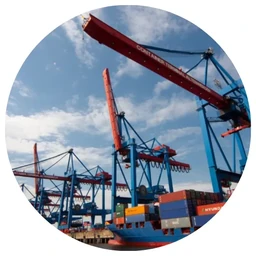
    The World Trade Organization (WTO) establishes the rules of global commerce. Its original mission was to promote trade liberalization by encouraging its member states to lower their import barriers and implement fair trade practices. The WTO now plays a crucial role in resolving trade disputes through its dynamic Dispute Settlement Understanding, which effectively acts as the judiciary for global trade disputes. In the WTO, delegates will need to navigate both political and economic voting blocs while weighing any gains to the global trade community against threats to their own country’s sovereignty.

    Countries

    How this committee type works
  • 160 countries · 2 delegates each
    1. Forced Migration
    2. Violence Against Migrant Women

    General Assemblies: International Organization for Migration (IOM), 1975 - Double Delegation

    English · 160 countries · 2 delegates each

    Topics

    1. Forced Migration
    2. Violence Against Migrant Women

    About the committee

    The International Organization for Migration (IOM) is a UN agency focused on issues concerning migration, including displaced people, refugees, and migrant workers. This committee, set in 1975, will be discussing conflicts stemming from post-colonial/recently independent states, including forced migration and violence against migrant women. Rather than evaluating migration issues from an economic perspective, this committee will focus on addressing migration through lenses of religio-ethnic conflict, violence and discrimination against marginalized communities, and a general human rights perspective.

    Countries

    How this committee type works
  • 90 countries · 2 delegates each
    1. The Feminization of Poverty
    2. Structural Violence and Femicide

    Economic & Social Councils: Commission on the Status of Women (CSW) - Double Delegation

    English · 90 countries · 2 delegates each

    Topics

    1. The Feminization of Poverty
    2. Structural Violence and Femicide

    About the committee

    The Commission on the Status of Women (CSW) is a functional commission of the UN Economic and Social Council (ECOSOC) with the purpose of promoting gender equality and women’s rights globally. Together, the member states of the CSW seek to resolve the most pressing issues facing women, such as economic empowerment, access to education and healthcare, and political representation.

    Countries

    How this committee type works
  • 53 countries · 2 delegates each
    1. Natural Disaster Resilience in the Pacific
    2. SIDS’ Right to Water

    Economic & Social Councils: Alliance of Small Island States (AOSIS) - Double Delegation

    English · 53 countries · 2 delegates each

    Topics

    1. Natural Disaster Resilience in the Pacific
    2. SIDS’ Right to Water

    About the committee

    The Alliance of Small Island States (AOSIS) is a coalition of coastal states that are particularly vulnerable to the consequences of climate change while contributing the least to global greenhouse gas emissions. AOSIS thus aims to promote sustainable development and advocate for the interests of small island developing states (SIDS) in international forums, particularly in the context of climate change negotiations. This committee will debate the rise in sea levels that threatens the very existence of island states, ocean acidification, and the loss of biodiversity, all of which disproportionately affect SIDS.

    Countries

  • 46 countries · 2 delegates each
    1. Improving Health Equity for Indigenous People
    2. Erosion of Election Security

    Economic & Social Councils: Economic Commission for Latin America and the Caribbean (ECLAC) - Double Delegation

    English · 46 countries · 2 delegates each

    Topics

    1. Improving Health Equity for Indigenous People
    2. Erosion of Election Security

    About the committee

    The Economic Commission for Latin America and the Caribbean (ECLAC) is a UN regional commission established in 1984 to promote the economic ideas of liberalization. In addition to collaborating with one another to further their collective economic goals, ECLAC member states frequently work in cooperation with international economic institutions and nonprofit organizations. In recent years, the commission has expanded its work to include social development alongside its traditional focus on reinforcing economic ties and regional cooperation.

    Countries

  • 120 countries
    1. The STEM Gap: Bridging Gender Discrepancies
    2. The Role of AI in Sustainable Development

    Economic & Social Councils: United Nations Commission on Science and Technology for Development (CSTD)

    English · 120 countries

    Topics

    1. The STEM Gap: Bridging Gender Discrepancies
    2. The Role of AI in Sustainable Development

    About the committee

    The United Nations Commission on Science and Technology for Development (CSTD) is a body under the UN Economic and Social Council which debates issues related to science, technology, and development. While CSTD is made up of nation members, advocacy groups in civil society often contribute to the committee’s annual forum. This committee advises other UN bodies, such as the UN General Assembly, on science and technology issues, and conducts analyses on policies relating to these issues.

    Countries

    How this committee type works
  • 55 countries · 2 delegates each
    1. The Natural Resource Curse in Africa
    2. The Democratization of Africa

    Economic & Social Councils: African Union (AU) - Double Delegation

    English · 55 countries · 2 delegates each

    Topics

    1. The Natural Resource Curse in Africa
    2. The Democratization of Africa

    About the committee

    The African Union (AU) is a continental organization founded in 2002 to promote unity, cooperation, and development among African nations. The mission of the AU, whose 55 member states cover the entire continent of Africa, is to enhance economic growth and political stability, eradicate poverty, and promote democratic principles and rights. The body also plays a key role in resolving conflicts and maintaining peace and security on the continent through peacekeeping missions and mediation efforts.

    Countries

    How this committee type works
  • 63 countries · 2 delegates each
    1. Technical Development of Employment Opportunities
    2. Resource Mobilization for Emergency Relief in Yemen

    Economic & Social Councils: Islamic Development Bank (IsDB) - Double Delegation

    English · 63 countries · 2 delegates each

    Topics

    1. Technical Development of Employment Opportunities
    2. Resource Mobilization for Emergency Relief in Yemen

    About the committee

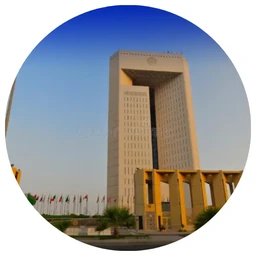
    The Islamic Development Bank (IsDB) is a multilateral development financial institution established in 1975 to foster economic development and social progress in its member countries. With headquarters in Jeddah, Saudi Arabia, the IsDB has 57 member states from across the globe, including both Islamic and non-Islamic countries. The bank provides funding and technical assistance to support development projects in member countries, with a focus on infrastructure, education, poverty reduction, and Islamic finance.

    Countries

  • 49 countries · 2 delegates each
    1. The Blue Economy: Balancing Trade and the Environment
    2. The Mediterranean as a Gateway for Refugees

    Economic & Social Councils: Union for the Mediterranean (UfM) - Double Delegation

    English · 49 countries · 2 delegates each

    Topics

    1. The Blue Economy: Balancing Trade and the Environment
    2. The Mediterranean as a Gateway for Refugees

    Countries

  • 25 countries
    1. Future of the Qing Dynasty
    2. Providing Support to the Boxer Movement
    3. Pushing Back Against Foreign Influence

    Historical Crisis: JCC: Boxer Rebellion, 1899: Chinese Court

    English · 25 countries

    Topics

    1. Future of the Qing Dynasty
    2. Providing Support to the Boxer Movement
    3. Pushing Back Against Foreign Influence

    About the committee

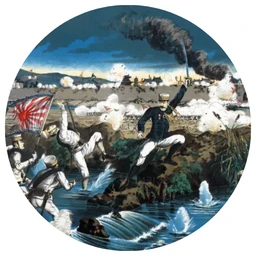
    Due to a series of unequal treaties, China was essentially divided into areas of influence between various European nations, wherein these states conducted trade and various missionary activities. Following the Sino-Japanese War in 1894, the Chinese people were becoming increasingly skeptical of outside influence. In Shandong, a prolonged drought following a period of flooding was blamed on Christian missionaries, and martial arts and kung fu groups began to push back against and attack missionaries. They fought with their hands and feet, leading the uprisings to be known as the Boxer Rebellion. Eventually, the Eight Nation Alliance decided to invade Beijing, forcing the Imperial Court to relocate to Xi’an, a city in the center of China. The rebellion was exacerbated by internal divides within the Chinese court, with Southern leaders being more supportive of foreign powers, while Northern leaders openly supported the rebellion. The Boxer rebellion culminated in the signing of the Boxer Protocols by the Qing dynasty and the Eight Nation Alliance. In this Joint Crisis Committee, delegates of the Chinese Court must work to overcome internal factions in order to address the international imperial influence being imposed onto them, whereas delegates of the Eight Nation Alliance must chart a path forward in China beyond imperialism. The two sides of this dynamic committee will affect one another through their decisions, meaning delegates should consider how each of their actions will affect their own committee and the Joint Crisis as a whole.

    Countries

    How this committee type works
  • 25 countries
    1. Rethinking Missionary Efforts
    2. Economic Responses to the Boxer Movement
    3. Political Responses to the Boxer Movement

    Historical Crisis: JCC: Boxer Rebellion, 1899: Eight-Nation Alliance

    English · 25 countries

    Topics

    1. Rethinking Missionary Efforts
    2. Economic Responses to the Boxer Movement
    3. Political Responses to the Boxer Movement

    About the committee

    Due to a series of unequal treaties, China was essentially divided into areas of influence between various European nations, wherein these states conducted trade and various missionary activities. Following the Sino-Japanese War in 1894, the Chinese people were becoming increasingly skeptical of outside influence. In Shandong, a prolonged drought following a period of flooding was blamed on Christian missionaries, and martial arts and kung fu groups began to push back against and attack missionaries. They fought with their hands and feet, leading the uprisings to be known as the Boxer Rebellion. Eventually, the Eight Nation Alliance decided to invade Beijing, forcing the Imperial Court to relocate to Xi’an, a city in the center of China. The rebellion was exacerbated by internal divides within the Chinese court, with Southern leaders being more supportive of foreign powers, while Northern leaders openly supported the rebellion. The Boxer rebellion culminated in the signing of the Boxer Protocols by the Qing dynasty and the Eight Nation Alliance. In this Joint Crisis Committee, delegates of the Chinese Court must work to overcome internal factions in order to address the international imperial influence being imposed onto them, whereas delegates of the Eight Nation Alliance must chart a path forward in China beyond imperialism. The two sides of this dynamic committee will affect one another through their decisions, meaning delegates should consider how each of their actions will affect their own committee and the Joint Crisis as a whole.

    Countries

    How this committee type works
  • 25 countries
    1. Gaining Independence from Great Britain
    2. Achieving International Recognition and Building An Irish State
    3. Averting Civil War

    Historical Crisis: “Ireland, Unfree, Shall Never Be at Peace": The First Dáil Éireann, 1919

    English · 25 countries

    Topics

    1. Gaining Independence from Great Britain
    2. Achieving International Recognition and Building An Irish State
    3. Averting Civil War

    About the committee

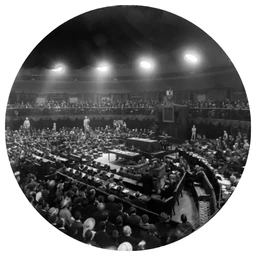
    In 1918, following the end of World War I, Ireland was granted an election with greatly expanded suffrage by the British government. The result: overwhelming defeat for the moderate Irish Parliamentary Party (IPP) and a landslide victory for the radical republican party Sinn Féin. In accordance with their manifesto, the Sinn Féin delegates opted not to take their seats in Westminster, choosing instead to form their own parliament in Dublin. The first Dáil Éireann, the first iteration of the modern parliament of the Republic of Ireland, met for the first time in 1919. Yet this was far from a normal parliament. Unionists (in favor of remaining within Great Britain) and the IPP refused to attend. Within days of its establishment, the Dáil was outlawed by the British government, which still largely controlled Ireland through political and military force. More importantly, 33 of the 69 elected Sinn Féin representatives - including its President, Eamon de Valera - could not even attend the first meeting of the Dáil due to being elected while in prison, most without trial since 1918. These members of the first Dáil Éireann in 1919 faced two unprecedented and simultaneous tasks: 1) establishing an Irish state with international recognition, functioning institutions, and governing ability; and 2) achieving Irish independence from Great Britain and its military. Yet, questions about the future remained unaddressed, and a Civil War that would turn Dáil members against each other grew likelier by the day.

    Countries

    How this committee type works
  • 25 countries
    1. Prioritizing Local Needs in the National Debate on Partition
    2. Overcoming British Interference in Indian Politics
    3. Sindh’s Future: Autonomy or Integration?

    Historical Crisis: Retracting Radcliffe: Sindh Partition, 1947

    English · 25 countries

    Topics

    1. Prioritizing Local Needs in the National Debate on Partition
    2. Overcoming British Interference in Indian Politics
    3. Sindh’s Future: Autonomy or Integration?

    About the committee

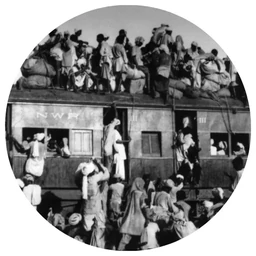
    In British India, the Sindh province was majority Muslim, with the Muslim League winning provincial representation in the final Indian elections under British colonial rule in 1946. As the movement for Indian independence reached a pivotal point in the early 1940s, the people in Sindh faced the reality that Pakistan, the proposed Muslim state, would be awarded majority Muslim districts, meaning that Hindus living in Sindh would have to leave their homes for India. The prospect of partition created a problem for many, especially the Hindus in Sindh, who particularly felt that their voices were not being heard in the broader discussions around Indian independence. This committee will thus focus on the larger issues of independence and partition in the province of Sindh, exploring both local challenges of migration, security, and religious tensions, as well as broader questions of statehood and autonomy. Delegates will represent various stakeholders in the region, including leaders of the Muslim community, leaders of the Hindu community, British colonial authorities, and Indian nationalist leaders. Ultimately, the committee will be tasked with finding a solution to the contentious issue of Sindh’s future in the context of the larger Indian independence movement, considering the concerns of all communities involved.

    Countries

    How this committee type works
  • 25 countries
    1. The Emperor of Perpetual Happiness and The Tributary System
    2. Politics on the Maritime Silk Road
    3. Legacy of the Treasure Voyages

    Historical Crisis: X Marks the Spot: Ming Treasure Voyages, 1403

    English · 25 countries

    Topics

    1. The Emperor of Perpetual Happiness and The Tributary System
    2. Politics on the Maritime Silk Road
    3. Legacy of the Treasure Voyages

    About the committee

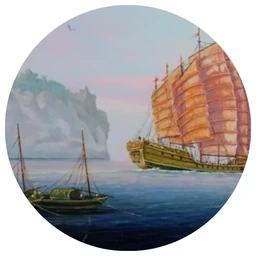
    In 1403, at the height of the Ming Dynasty's power, Emperor Yongle ordered the construction of a grand treasure fleet. This fleet was intended to project Chinese power, strength, and wealth to the known world and establish diplomatic relations through a tributary system. From 1405 to 1433, a total of seven voyages were sent out to explore Southeast Asia, South India, and even as far as the West African coast. Commanded by Admiral Zheng He, these voyages played a key role in influencing the geopolitics of Asia. The voyagers destroyed notorious Chinese pirate Chen Zuyi’s pirate fleet, captured the Kotte kingdom in modern-day Sri Lanka, and defeated Semudera pretenders in Sumatra, an island in modern-day Indonesia. These maritime exploits brought many countries under Ming’s tributary system and incorporated most of the known world under China’s sphere of influence. The voyages also established an expansive maritime network which made the region more integrated and interconnected on an economic and political level. In this committee, each delegate will take on the role of one of Zheng He’s diverse crew members, including eunuchs, brigadiers, doctors, finance ministers, astrologers, judges, and religious leaders from Buddhism, Hinduism and Islam. Through control of Zheng He’s fleet, delegates will respond to crises on land and on the sea, guiding the future of the voyage and determining its success (or failure).

    Countries

    How this committee type works
  • 25 countries
    1. Gendered Violence and Exploitation
    2. Securing Labor and Political Rights
    3. Women’s Post-Conflict Representation and Leadership

    Historical Crisis: Las Soldaderas: Heroines of the Mexican Revolution, 1910

    English · 25 countries

    Topics

    1. Gendered Violence and Exploitation
    2. Securing Labor and Political Rights
    3. Women’s Post-Conflict Representation and Leadership

    About the committee

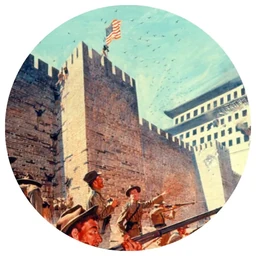
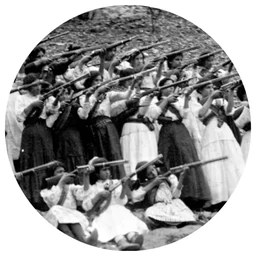
    In 1910, Mexico was plunged into an almost decade-long war that was ignited by popular discontent with dictator Porfirio Díaz’s elitist policies. The conflict brought together distinct revolutionary factions who fought to dismantle the outdated class system put in place during Spanish colonial rule and support the working classes. Despite their previous seclusion from public life, Mexican women took an active role in the struggle by caring for the wounded, acting as spies, supplying food, and bravely raising their firearms and intellectual weapons against the injustices that laborers faced. Soldaderas, as they came to be known, fought both on the revolutionary and political fronts, and used the disorder caused by the conflict to challenge existing gender norms and assert their place as indispensable members of society. Despite gaining new freedoms and opportunities from the war, these women still faced oppression, abuse, and violence. Moreover, men in power refused to acknowledge women’s role in the revolution. Delegates in this committee will represent women from all walks of life, ranging from feminist journalists and wives of prominent men to armed combatants. From their distinct positions, they will work together to ensure that women’s rights and a more egalitarian Mexico are protected long after the conflict ends. This all-women committee will focus on the unique role that women played in the Mexican Revolution, highlighting their important but often overlooked contributions. ""All women"": NAIMUN LXI will continue our three-year-long tradition of running an ""all women"" crisis committee. NAIMUN's ""all women"" committee includes an entirely female crisis matrix and a commitee premise that centers the experiences of women. Delegates of all genders are welcome to participate in NAIMUN's ""all women"" committee, though it is designed to amplify and empower the voices of women in a unique crisis committee setting.

    Countries

    How this committee type works
  • 25 countries
    1. Coordinating the Resistance
    2. Governing After Liberation and Republic or Monarchy?
    3. Italy on the World Stage

    Historical Crisis: Giustizia e Libertà: Italian National Liberation Committee, 1943

    English · 25 countries

    Topics

    1. Coordinating the Resistance
    2. Governing After Liberation and Republic or Monarchy?
    3. Italy on the World Stage

    About the committee

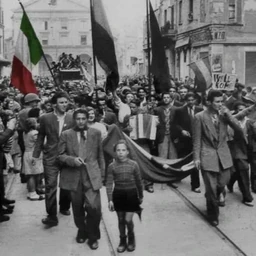
    After the fall of Mussolini in summer of 1943, an ideologically diverse coalition of Christian democrats, liberals, socialists, and communists joined together to form the Comitato di Liberazione Nazionale (CLN)—the Italian National Liberation Committee. Through strategizing with allies, organizing uprisings, and electing new officials, the CLN worked across deep partisan divides to lead the Italian Resistance movement during World War II, establishing itself as a symbol of unity and hope in the wake of such a violent political scene. The policies developed under the CLN guided the formation of Italy’s post-war governance as the group managed to remain together for two years afterward. The strong influence of the CLN on Italian political development comes from years of careful coordination, strategic compromise, clear plans, and ambitious goals. Navigating through the end of World War II starts as the CLN’s primary goal, but that goal later develops into figuring out the most successful way to shift from an emergency wartime movement to the basis of a strong and successful peacetime governance. In this committee, delegates will jump into roles as part of this high-pressure movement as they join together to ensure Italy escapes the grips of their previous fascist government forever.

    Countries

    How this committee type works
  • 15 countries · 2 delegates each
    1. Addressing Economic Devastation and Funding State-Sponsored Reimbursements
    2. Preventing the Spread of Unrest Beyond Albania’s Borders
    3. Restoring the Rule of Law and Providing Humanitarian Aid

    Contemporary Crisis: United Nations Security Council: Albanian Civil War, 1997 - Double Delegation

    English · 15 countries · 2 delegates each

    Topics

    1. Addressing Economic Devastation and Funding State-Sponsored Reimbursements
    2. Preventing the Spread of Unrest Beyond Albania’s Borders
    3. Restoring the Rule of Law and Providing Humanitarian Aid

    About the committee

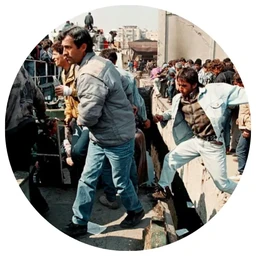
    In 1992, Albania, a former state in the USSR, conducted their first free elections and began the transition to a market economy. It wasn’t long, though, before the rudimentary financial system became overrun with Ponzi schemes and pyramid investment funds, most of which were fronts for money laundering and arms trafficking that even the government endorsed. In January 1997, many of the schemes collapsed upon investigations by the IMF, and Albanian citizens––who had lost over $1.2 billion––initiated daily protests demanding reimbursement from the government. The Prime Minister resigned, the President declared a state of emergency, and revolts in northern and southern Albania consumed all major population centers, becoming so severe that the leader of the party in power was held hostage. The government made attempts to issue reimbursements, but these only further enraged protesters. What followed suit was the opening of weapon depots in northern Albania to protect the citizenry from the south. Clearly marking a conflict between the government and its people, several thieves robbed the Northern State Treasury. As foreign countries began to evacuate their citizens and southern Albania fell under the control of criminal gangs, the crisis in Albania began to pose a tremendous threat not just domestically, but across the European continent.

    Countries

    How this committee type works
  • 25 countries
    1. Repairing the Global Public Image of JBS S.A. and Addressing the Collusion of Board Members with Brazilian Legislators
    2. Responding to “Operation Bullish” and Investigating Illegal Financing
    3. Moving Forward: Internal Restructuring and Building Ethical Supply Chains Internationally

    Contemporary Crisis: The Highest of "Steaks": JBS S.A. Board of Directors, 2017

    English · 25 countries

    Topics

    1. Repairing the Global Public Image of JBS S.A. and Addressing the Collusion of Board Members with Brazilian Legislators
    2. Responding to “Operation Bullish” and Investigating Illegal Financing
    3. Moving Forward: Internal Restructuring and Building Ethical Supply Chains Internationally

    About the committee

    Initially established in 1953 as a slaughtering business, the Brazilian company of JBS SA has grown to be the largest supplier of animal protein in the world and the second-largest producer of beef and pork in the United States. However, in 2017, a series of crises rocked the company. First, in February, they were accused of wrongdoing in compliance issues in Brazil, and then in early March, they were accused of buying cattle raised on illegally deforested Amazon land. Later, on March 17, 2017, allegations that JBS SA had bribed food sanitation inspectors in the meat-packing industry led to a ten percent drop in shares, and China, the European Union, and twenty other countries banned Brazilian beef imports. Unfortunately, things only got worse; on May 12, authorities in “Operation Bullish” began investigating whether or not JBS SA had received illegal financing advantages from the Brazilian Development Bank and lost $385 million in public funds. A series of questionings, leaked recordings, protests, stock market drops, bribe allegations, plea deals, insider trading allegations, and fine payments followed, leading the JBS SA Board of Directors to discuss whether or not it will delay its planned Initial Public Offering because of the legal scandals in which it is embroiled. As the foremost executives of the company, the directors of JBS SA must respond to past crises and repair their reputation on the public stage, while also deftly navigating any future crises that will inevitably occur, if the past few months have established any precedent.

    Countries

    How this committee type works
  • 25 countries
    1. Coordinating the Rescue of Trafficked Animals
    2. Decreasing Global Demand for Illegally Derived Animal Products
    3. Promoting International Awareness of Animal Conservation

    Contemporary Crisis: "Fowl" Weather: Operation Thunderball, 2019

    English · 25 countries

    Topics

    1. Coordinating the Rescue of Trafficked Animals
    2. Decreasing Global Demand for Illegally Derived Animal Products
    3. Promoting International Awareness of Animal Conservation

    About the committee

    Operation Thunderball was a series of global missions in 2019 to free both poached animals and illegally trafficked products. Coming after Operation Thunderbird in 2017, Thunderball operated out of Singapore and was coordinated by INTERPOL and the World Customs Organization. With the digital revolution increasing transnational crime, the goal of the operation was to bring together wildlife experts and local authorities in over 109 countries to rescue over 2,000 animals and plants. Animal trafficking is often fueled by a global demand for their derived products, like medicine, clothing, and food, which is part of a million dollar industry. Most often trafficked are rhinos for their horns which are valuable in traditional medicine, elephants for their tusks made of sought-after ivory, and tigers for their skin and bones. In Africa specifically, Operation Thunderball attempted to coordinate the interception of trafficked pangolins in Namibia that were to be sent to Asia, and Kenyan authorities successfully seized elephant tusks. The Operation constituted the detection of trafficking hotspots, coordination of seizure, and ensuring proper persecution by respective governments. With environmental crime expected to increase 5-7% annually, it will be necessary to build upon the successes of previous operations while also finding permanent solutions to curtail the illegal trade of animals.

    Countries

    How this committee type works
  • 25 countries
    1. Expanding the Impact and Scale of the Protests and Improving Nuclear Impacts in French Polynesia
    2. Determining the Status of Foreign Travelers and the International Airport
    3. Determining the Future of French Presence & Coordinating with International Allies

    Contemporary Crisis: Fission Française: Tahiti Antinuclear Movement, 1995

    English · 25 countries

    Topics

    1. Expanding the Impact and Scale of the Protests and Improving Nuclear Impacts in French Polynesia
    2. Determining the Status of Foreign Travelers and the International Airport
    3. Determining the Future of French Presence & Coordinating with International Allies

    About the committee

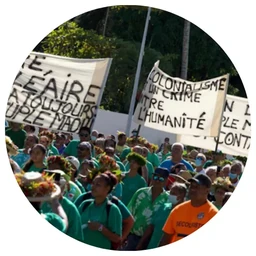
    Between 1966 and 1996, France conducted 193 nuclear tests in French Polynesia. One of these tests, codenamed “Centaure,” was intended to be launched on the uninhabited atoll of Mururoa in 1974, roughly 700 miles southeast of Tahiti. Instead, the atomic cloud and fallout went in an entirely unplanned direction, reaching Tahiti and its surrounding islands and exposing as many as 111,000 people to extreme levels of plutonium––up to 500 times the maximum allowed level. French Polynesian people had peacefully protested the nuclear testing for years. However, in 1995, when French President Jacques Chirac approved atomic bomb tests to take place once again at Mururoa, hundreds of Tahitian demonstrators took to the streets. Throughout Papeete, the capital of French Polynesia, protestors set parts of the city on fire and gutted parts of the international airport. The antinuclear furor gave new visibility to leaders of the Polynesian independence movement, who fought for an end to the status of Tahiti and French Polynesia as an overseas territory of France, or Territoire d’outre-mer. However, the French used riot gas canisters and stun grenades to counter the demonstrators and ensure the safety of foreign travelers, which injured dozens. At their core, these demonstrations make up both an antinuclear and independence movement.

    Countries

    How this committee type works
  • 28 countries
    1. Labor Camps and Working Conditions
    2. Migrant Worker Protections & Unionization
    3. FIFA and Foreign Relations

    Contemporary Crisis: The Fall of Kafala: Global Union Federation on Qatari Labor Rights, 2018

    English · 28 countries

    Topics

    1. Labor Camps and Working Conditions
    2. Migrant Worker Protections & Unionization
    3. FIFA and Foreign Relations

    About the committee

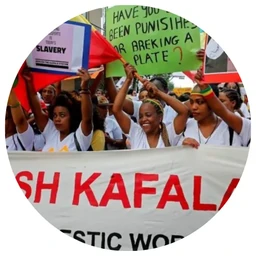
    In November of 2017, the Qatar government signed an agreement with the International Labor Organization (ILO) to address labor exploitation within the country and conform to global labor standards. There are currently about 2 million migrant workers in Qatar, and migrant workers compose nearly 95% of the workforce in the private sector. The Kafala system of employment in Qatar legally binds foreign workers to their employers, preventing workers from leaving the country or from changing jobs with permission from their employer. Many workers have reported illegal recruitment practices, delayed or canceled wage payment, and an inability to obtain justice when their rights were violated. Additionally, because Qatar’s labor law does not allow foreign workers to form or join trade unions, migrant employees are rendered particularly vulnerable. With an office in Qatar, the ILO is currently working with the government on a five-pronged reform process relating to the Kafala system, access to justice, worker advocacy, health and safety, and pay and recruitment. However, despite the new legislation that has been introduced, and the human rights treaties that have been ratified, weak implementation and enforcement has failed to change the reality for many migrant workers in Qatar. With the clock ticking on the 2022 World Cup, it is up to the Global Union Federations, working alongside the International Trade Unions Council (ITUC), the Ministry of Labor, and the ILO to advocate for workers rights and implement permanent, lasting labor protections in Qatar.

    Countries

    How this committee type works
  • 28 countries
    1. Bringing Charges Against Implicated Individuals and Corporations
    2. Addressing Unrest within Malaysia

    Contemporary Crisis: From 1MDB to IMDb: 1Malaysia Development Berhad Scandal, 2015

    English · 28 countries

    Topics

    1. Bringing Charges Against Implicated Individuals and Corporations
    2. Addressing Unrest within Malaysia

    About the committee

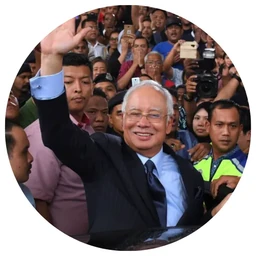
    In 2009, after Najib Rasak became Prime Minister of Malaysia, the 1Malaysia Development Berhad Fund was set up to promote economic development within the country. Over the next few years, the fund invested in a Saudi-backed oil and gas company, helped build a new financial district in the capital of Kuala Lumpur, and worked with Goldman Sachs to raise money and purchase assets. By this point, Najib embezzled over $700 billion from 1MDB into his own personal bank account, which was masterminded by businessman Low Taek Jho. Through a series of offshore bank accounts, shell companies, and conspirators in Malaysia, Saudi Arabia, and the UAE, the money was used to purchase luxury goods—like a superyacht and artwork by Picasso and Monet. Low’s lavish tendencies went to the point that at his birthday in 2012, pop singer Britney Spears popped out of his cake. Further, 1MDB even financed Red Granite Company (which was cofounded by Najib’s stepson) in the production of the critically acclaimed movie, The Wolf of Wall Street. Finally, there were attempts to use the money for lobbying within the US. In 2015, over 227,000 documents were leaked to the Wall Street Journal, leading to a series of investigations by the US, Australia, and Singapore (among others) and police raids of the 1MDB office. Triggering protests and riots by the Malaysian people, who called for Najib’s resignation, the 1MDB scandal is marked by the global scope of its corruption and bribery.

    Countries

    How this committee type works
  • 25 countries
    1. Ending the Presidential Vacuum and Ameliorating Sectarian and Political Divisions
    2. Addressing the Political, Economic, and Humanitarian Consequences of the Influx of Syrian and Palestinian Refugees
    3. Maintaining the Stability of the Democratic Electoral System and Preventing Future Political Crises

    Contemporary Crisis: Dangerous Precedent, No President: Lebanese Cabinet, 2014

    English · 25 countries

    Topics

    1. Ending the Presidential Vacuum and Ameliorating Sectarian and Political Divisions
    2. Addressing the Political, Economic, and Humanitarian Consequences of the Influx of Syrian and Palestinian Refugees
    3. Maintaining the Stability of the Democratic Electoral System and Preventing Future Political Crises

    About the committee

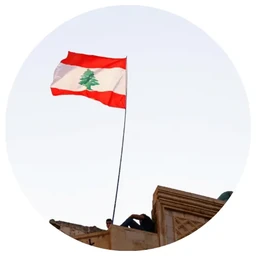
    In May 2014, a fifth failed attempt to elect a successor to Lebanese President Michel Suleiman before his term expired left a national political vacuum. Merely 48 hours before Suleiman was expected to leave the presidential palace, a political deadlock in Parliament led deputies to entirely abandon their vote for a new president. The conflict is the result of divisions between Lebanon’s two main political parties, as well as worsening tensions stemming from the Syrian Civil War which has resulted in over one million refugees fleeing to Lebanon and forming 25% of the population. With the highest office in the state vacant, the powers of the presidency have now been transferred to the cabinet, in accordance with Article 62 of the Lebanese constitution. While the power to elect a new president remains in the hands of Parliament, it is now up to the cabinet members of the former president to maintain the viability of the political institutions in Lebanon, ameliorate political polarization, and address the outstanding refugee crises—both with the influx of Syrian refugees as well as the increasing number of Palestinian refugees as a result of the Israeli-Palestinian conflict. The members of Suleiman’s cabinet must prevent the paralysis of the institutions of the state, and they must prevent a political and security collapse that might accompany this period of instability. Additionally, the cabinet is responsible for ensuring that the upcoming parliamentary elections are not delayed, which would further undermine the legitimacy of the democratic system in Lebanon.

    Countries

    How this committee type works
  • 28 countries
    1. To Be Released at the Start of Session I

    Non-Traditionals: Ad hoc Committee of the Secretary-General

    English · 28 countries

    Topic

    To Be Released at the Start of Session I

    About the committee

    The Ad-Hoc Committee of the Secretary-General at NAIMUN brings the most competitive crisis delegates from around the world to compete in a specially-designed simulation that combines fast-paced and exciting crises with the added element of a surprise topic. While education remains one of the central components of NAIMUN, we believe that education goes beyond research, so the topic will be withheld until the start of the first committee session. Will you accept the challenge of the Ad-Hoc and come compete at the highest stage in North America? The world is waiting — what will you do? *NOTE: The Ad-Hoc Committee is a fast-paced crisis committee that attracts competitive delegates, and it is recommended that all delegates have previous experience in crisis committees.

    Countries

  • 17 countries
    1. Lindke v. Freed
    2. Loper Bright Enterprises v. Raimondo
    3. Acheson Hotels LLC v. Laufer

    Non-Traditionals: Supreme Court of the United States (SCOTUS), 2024

    English · 17 countries

    Topics

    1. Lindke v. Freed
    2. Loper Bright Enterprises v. Raimondo
    3. Acheson Hotels LLC v. Laufer

    About the committee

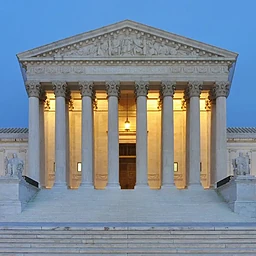
    Carrying on one of NAIMUN’s well-valued traditions, the Supreme Court of the United States committee places delegates in the positions of the justices and advocates as they discuss the year’s most pressing constitutional issues. This committee serves as a live simulation of SCOTUS’s proceedings as they debate and decide cases actually on the current docket, released three months before the date of the conference. When delegates arrive at the Washington Hilton in February, they will deliberate on cases argued at the real Supreme Court fewer than four miles away. Stay tuned for more information about the topics as the conference date approaches!

    Countries

    How this committee type works
  • 15 countries
    1. Legality of the Threat or Use of Nuclear Weapons (1995)
    2. Application of the Convention on the Prevention and Punishment of the Crime of Genocide

    Non-Traditionals: International Court of Justice (ICJ)

    English · 15 countries

    Topics

    1. Legality of the Threat or Use of Nuclear Weapons (1995)
    2. Application of the Convention on the Prevention and Punishment of the Crime of Genocide

    About the committee

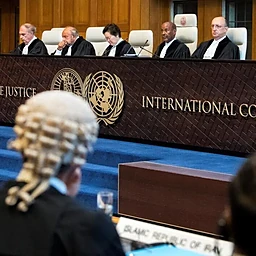
    The United Nations is the foremost institution in the world for securing and maintaining international peace. It was created to protect nations, groups, and individuals from persecution and human rights abuses, and has undoubtedly made the world a better place. But what happens when states violate the norms of this world order? What happens to those who commit human rights violations and perpetrate war crimes? To these rogue states, the international community has only one message: “We’ll see you in court.” Housed in the Hague, for the last seventy-five years the International Court of Justice (ICJ) has served as the highest tribunal for the prosecution of an array of international offenses. The ICJ will bring together fifteen of the world’s brightest students of international law to debate historical and contemporary legal disputes, and resolve them in a thoughtful and faithful manner. This committee will function in accordance with international legal precedent and procedure, and will pose a challenge and opportunity for all delegates: come join us in the Netherlands, we can’t wait to see you at NAIMUN LXI!

    Countries

    How this committee type works
  • 30 countries

    Press Corps allows delegates to obtain first-hand experience reporting on committees and writing hard news and feature pieces as the stories break. Each delegate will assume the position of a unique media outlet and will need to reflect the perspective and viewpoint of their publications (i.e. BBC, the New York Times, Al Jazeera). Delegates will employ multimedia tools including social media to broadcast their journalism to the public. Throughout the weekend, delegates will follow leads, gather sources, and synthesize information into articles that will be released as part of the NAIMUN Daily. As reporters, each individual will be held to high journalistic and professional standards to bridge the gap between those in power and the public. In the event of a press conference, delegates will be challenged to produce relevant and concise questions to ask within committees to craft the best report. Being in Press Corps is fast-paced and demanding, but demonstrates that the media is essential to chronicling and influencing the news as we know it.

    Non-Traditionals: Press Corps

    English · 30 countries

    About the committee

    Press Corps allows delegates to obtain first-hand experience reporting on committees and writing hard news and feature pieces as the stories break. Each delegate will assume the position of a unique media outlet and will need to reflect the perspective and viewpoint of their publications (i.e. BBC, the New York Times, Al Jazeera). Delegates will employ multimedia tools including social media to broadcast their journalism to the public. Throughout the weekend, delegates will follow leads, gather sources, and synthesize information into articles that will be released as part of the NAIMUN Daily. As reporters, each individual will be held to high journalistic and professional standards to bridge the gap between those in power and the public. In the event of a press conference, delegates will be challenged to produce relevant and concise questions to ask within committees to craft the best report. Being in Press Corps is fast-paced and demanding, but demonstrates that the media is essential to chronicling and influencing the news as we know it.

    Countries

    How this committee type works
  • 25 countries
    1. The Modern Indian Music Industry and the Role of Independent Studios
    2. Crackdowns on Freedom of Speech in Modern India
    3. Leveraging Music as a Means of Political Expression

    Non-Traditionals: Apna Time Aayega: Azadi Records, 2022

    English · 25 countries

    Topics

    1. The Modern Indian Music Industry and the Role of Independent Studios
    2. Crackdowns on Freedom of Speech in Modern India
    3. Leveraging Music as a Means of Political Expression

    About the committee

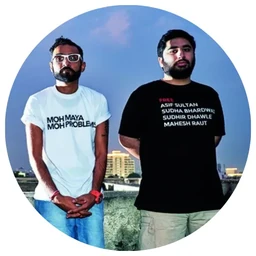
    This committee focuses on Azadi Records, a record label founded in 2019 that features a slate of new, up-and-coming rappers and hip hop artists. Created to provide a space for artists to produce intensely personal and politically-charged music, Azadi Records produces a flavor of music fundamentally linked to social movements and political activism. Headquartered in Mumbai, and with many of their founding rappers having started their careers in the city’s slums, they remain in touch with the grassroots of Indian society, and intensely passionate about preserving the diverse identities that continue to exist in India amidst a prolonged effort from the central Indian government to homogenize the nation and language. In 2022, delegates representing the major artists of Azadi Records will have to navigate how to maintain their edge as the pandemic ebbs and competition in the music industry grows ever fiercer. In addition, they will have to consider their social mission and discover how to have the biggest impact on the numerous social issues facing modern Indian society. Delegates will consider these issues while utilizing a new procedure unique to this committee: as musical artists, delegates will be incorporating poetry, music and verse into their speeches, directives and crisis notes. While delegates will not be evaluated as artists, this will give the opportunity for them to engage with the classic Model UN procedures in a new and exciting manner, one that befits this equally unique committee premise.

    Countries

  • 25 countries
    1. Rehabilitating and Reinforcing Iceland’s Banking System
    2. Addressing Political Unrest and Reactionary Movements
    3. Reconsidering and Restoring Iceland’s Place in the World

    Non-Traditionals: Freezing Cold Assets: The Icelandic Financial Collapse, 2008

    English · 25 countries

    Topics

    1. Rehabilitating and Reinforcing Iceland’s Banking System
    2. Addressing Political Unrest and Reactionary Movements
    3. Reconsidering and Restoring Iceland’s Place in the World

    About the committee

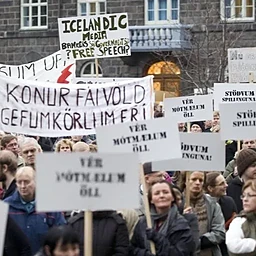
    Iceland’s 2008 banking collapse was the largest experienced by any country in history, relative to the size of its economy. As the rest of the world neared the end of the 2007-2008 global financial crisis, the worst was yet to come for Iceland. After years of economic growth due to Iceland’s status as an international investment hub, all three of the country’s major privately owned banks — Kaupthing, Landsbanki, and Glitnir — defaulted near the end of 2008. The resulting economic disaster lasted until 2010 and saw violent political unrest and a volcano-sized eruption in Iceland’s national debt, while the Central bank of Iceland and the emergence of successful reactionary anarchist and surrealist political parties, like Besti Flokkurinn (The Best Party) and Pirate Party Iceland. Delegates will take on the roles of important figures within the Icelandic political and economic systems as they respond to these crises. Delegates will also have to confront a nontraditional committee setup that will test their ability to change tack on a dime: each committee session will deal with a substantially distinct crisis facing Iceland at the time, with the format of sessions and style of debate adjusting to fit the crisis at hand. Delegates will receive live updates on the economic status of Iceland from stock tickers and news reports, rewarding quick reactions and initiative. Drawing from crisis, GA and other unique forms of debate, nothing will be predictable in this committee as delegates confront one of the greatest calamities facing the people of Iceland.

    Countries

  • 25 countries
    1. Breaking the ETA’s Support Network in France
    2. Addressing Discontent Over ETA Attacks and the Amnesty Declaration
    3. Legitimizing the Spanish Government in Light of Franco’s Legacy

    Non-Traditionals: JCC: Basque Independence, 1981: Gabinete del Primer Ministro Leopoldo Calvo-Sotelo

    Spanish · 25 countries

    Topics

    1. Breaking the ETA’s Support Network in France
    2. Addressing Discontent Over ETA Attacks and the Amnesty Declaration
    3. Legitimizing the Spanish Government in Light of Franco’s Legacy

    About the committee

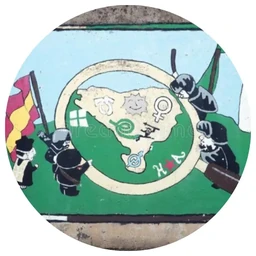
    Blurb on the concept of Trilingual JCC: NAIMUN traditionally runs a Spanish/English bilingual committee in the Non-Traditionals organ, providing an innovative and uniquely accessible committee experience for international and multilingual delegates. This year, NAIMUN LXI is excited to offer a first-of-its-kind trilingual Joint Crisis Committee (English, French, and Spanish). One side will be a Spanish/English bilingual committee and the other will be a French/English bilingual committee. In this JCC, Spanish- and French-speaking delegates will find an added layer of linguistic realism as they debate in the languages of the actual cabinets they are simulating. Delegates should be proficient in the two languages of their committee to participate; proficiency in all three languages is not required. Actual substantive blurb: Following the 1959 attacks of separatist organization Euskadi Ta Askatasuna (ETA) against the Spain administration, the movement that came to be known as the Basque conflict dominated Spanish national politics. Despite the historical roots of the Basque, a strong sense of political minimization was felt across the region, sparking a desire for independence and resistance against governmental forces. The Basque Nationalist Party was originally created in 1894. While not favored by the Spanish government, the party managed to survive under the fascist regime of Francisco Franco. But in 1959, members of the group disapproved of the party’s persistent rejection of armed struggle. They split to form the ETA whose mission was founded originally in Marxist ideals and revolutionary socialism. But in subsequent years, ETA committed numerous terrorist attacks that primarily impacted Spain, including the attempted assassination of Francisco Franco, and a series of bombings that killed 12 people in 1980. Under Franco, the government took an aggressive approach towards the Basque Independence Movement, refusing to recognize the legitimacy of the nonterrorist arm of the organization. In February 1981, a coup d’etat was launched against the Spanish government by a military general, and while unsuccessful, it highlighted the weak Spanish democratic institutions as a result of Franco’s rule. At the same time, in May of the same year, France elected its first socialist president, François Mitterrand, which would transform France’s domestic and international politics for over a decade. It is in the confluence of these events that this crisis takes place.

    Countries

    How this committee type works
  • 25 countries
    1. Addressing Discontent over ETA Attacks and the French Response
    2. Disagreements Between the French and Spanish Governments
    3. Implementing the Policy Goals of the New Socialist Government

    Non-Traditionals: JCC: Basque Independence, 1981: Cabinet du Président François Mitterrand

    English · 25 countries

    Topics

    1. Addressing Discontent over ETA Attacks and the French Response
    2. Disagreements Between the French and Spanish Governments
    3. Implementing the Policy Goals of the New Socialist Government

    About the committee

    Blurb on the concept of Trilingual JCC: NAIMUN traditionally runs a Spanish/English bilingual committee in the Non-Traditionals organ, providing an innovative and uniquely accessible committee experience for international and multilingual delegates. This year, NAIMUN LXI is excited to offer a first-of-its-kind trilingual Joint Crisis Committee (English, French, and Spanish). One side will be a Spanish/English bilingual committee and the other will be a French/English bilingual committee. In this JCC, Spanish- and French-speaking delegates will find an added layer of linguistic realism as they debate in the languages of the actual cabinets they are simulating. Delegates should be proficient in the two languages of their committee to participate; proficiency in all three languages is not required. Actual substantive blurb: Following the 1959 attacks of separatist organization Euskadi Ta Askatasuna (ETA) against the Spain administration, the movement that came to be known as the Basque conflict dominated Spanish national politics. Despite the historical roots of the Basque, a strong sense of political minimization was felt across the region, sparking a desire for independence and resistance against governmental forces. The Basque Nationalist Party was originally created in 1894. While not favored by the Spanish government, the party managed to survive under the fascist regime of Francisco Franco. But in 1959, members of the group disapproved of the party’s persistent rejection of armed struggle. They split to form the ETA whose mission was founded originally in Marxist ideals and revolutionary socialism. But in subsequent years, ETA committed numerous terrorist attacks that primarily impacted Spain, including the attempted assassination of Francisco Franco, and a series of bombings that killed 12 people in 1980. Under Franco, the government took an aggressive approach towards the Basque Independence Movement, refusing to recognize the legitimacy of the nonterrorist arm of the organization. In February 1981, a coup d’etat was launched against the Spanish government by a military general, and while unsuccessful, it highlighted the weak Spanish democratic institutions as a result of Franco’s rule. At the same time, in May of the same year, France elected its first socialist president, François Mitterrand, which would transform France’s domestic and international politics for over a decade. It is in the confluence of these events that this crisis takes place.

    Countries

    How this committee type works
  • 25 countries
    1. US Policy in the Asia-Pacific Region and Global Democratization and Alliance-Building
    2. Economic Recovery After 1990-1991 Recession
    3. Presidential Perception in Light of the Upcoming Election

    National Security Apparatus: The Third Taiwan Strait Crisis, 1993: United States National Security Council

    English · 25 countries

    Topics

    1. US Policy in the Asia-Pacific Region and Global Democratization and Alliance-Building
    2. Economic Recovery After 1990-1991 Recession
    3. Presidential Perception in Light of the Upcoming Election

    About the committee

    President Clinton’s National Security Council (NSC), like all those before it, suffered from issues in policy coordination and bureaucratic obstacles. Domestic politics, now dominated by a Republican Congress, complicated the administration’s courses of action. After just recovering from the 1990-1991 recession, the economic health of the US was at the top of minds for the members of the NSC. Among the administration’s priorities were welfare reform, spending cuts to ease the federal deficit, reducing teen pregnancy and gun violence, and reinforcing public education. Concerned with the President’s public image, the NSC was very cognizant of how their actions will impact the upcoming 1996 U.S. presidential election. Moreover, having severed official diplomatic relations with Taiwan, the NSC was functionally limited from influencing the Taiwanese government. With this lack of high-level communication, as well as a fledgeling foreign policy in the Asia-Pacific, the NSC must balance the mission of democratization globally with concerns at home.

    Countries

    How this committee type works
  • 25 countries
    1. Role of the Military in a Post-Cold War Order
    2. 1996 Fiscal Year Budgeting
    3. Redefining How the Resources of the Military Can be Used During Peacetime

    National Security Apparatus: The Third Taiwan Strait Crisis, 1993: United States Defense Policy Board

    English · 25 countries

    Topics

    1. Role of the Military in a Post-Cold War Order
    2. 1996 Fiscal Year Budgeting
    3. Redefining How the Resources of the Military Can be Used During Peacetime

    About the committee

    Established in 1972, the Defense Policy Board serves to provide the Secretary of Defense independent, informed advice on American defense policy. The Board is oriented towards planning the DoD’s strategic planning, which includes long-term goals and nuclear policy, the implications and objectives for modernization of the military, and other issues prevalent to the Secretary of Defense. The Board’s members, each having helped America “win” the Cold War in their own professional careers, now must work together to shape the role of U.S. armed forces in a world without a major international competitor. Having inherited a military infrastructure aggressively aimed at taking on the USSR in an all-out nuclear war, and a slew of advanced technologies yet unveiled to the rest of the world, the Board must determine how to reorganize America’s military to better align with new foreign policy objectives. The Board must also devise ways of using the military to aid in peacemaking, conflict resolution, humanitarian assistance, and strengthening democracy worldwide. Moreover, the Board must craft strategies for addressing emerging challenges, such as the U.S. relationship with China, former Eastern Bloc nations, and internal disputes between different branches of the military vying for funding. If successful, this committee may yet create a safer world and allow the U.S. to do more while using less.

    Countries

    How this committee type works
  • 25 countries
    1. Independence vs. The One China Policy
    2. Navigating the Possibility of Full Democratic Transition
    3. Security Relationship with the United States

    National Security Apparatus: The Third Taiwan Strait Crisis, 1993: Taiwan National Development Conference

    English · 25 countries

    Topics

    1. Independence vs. The One China Policy
    2. Navigating the Possibility of Full Democratic Transition
    3. Security Relationship with the United States

    About the committee

    Taiwan, officially the Republic of China, is in a pivotal moment in its history. With its first direct presidential election coming up in 1996, the Kuomintang (KMT) is under its first real threat of losing power. The KMT must deliberate whether to stoke the flames of Chinese rhetoric to appease the voter base, or play the long game and act quietly to demonstrate their maturity compared to their rivals. The opposition party, ​​the Democratic Progressive Party (DPP), has the most to gain, domestically, from the PRC’s escalating rhetoric and actions against Taiwan, but they must also reckon with whether their actions might play directly into the PRC’s hands, at best leading to a landslide victory for the “safer” candidate, and at worst providing the PRC with a convenient excuse to pursue reunification immediately. Both factions of the National Development Conference convened by the Office of the President must balance their internal strife with the realities of the threats posed by the PRC.

    Countries

    How this committee type works
  • 25 countries
    1. Defining Chinese Communism Post-1989 and Navigating Economic Transition
    2. Addressing Corruption within the Party Apparatus and the Government
    3. National Security and Espionage

    National Security Apparatus: The Third Taiwan Strait Crisis, 1993: Politburo of the Chinese Communist Party

    English · 25 countries

    Topics

    1. Defining Chinese Communism Post-1989 and Navigating Economic Transition
    2. Addressing Corruption within the Party Apparatus and the Government
    3. National Security and Espionage

    About the committee

    The Politburo, the principal decision-making body for the Chinese Communist Party, consists of 24 officials who oversee party and central government affairs. Though its authority has been challenged by the Secretariat, the Politburo has wrestled back political control with the election of Jiang Zemin as both President and General Secretary of the CCP. Nevertheless, the Politburo in 1995 was not a cohesive decision-making organ like that of today. By 1995, the party-state apparatus that had allowed the CCP to maintain control of all aspects of government had become severely weakened. A system of severe triangular debt amongst state-owned enterprises, a struggle to sustain food production for China’s massive population, and corruption have plagued the CCP’s domestic approval. Moreover, Zemin, an advocate of continued economic reform, was considered weak by hardliners who looked favorably upon greater stifling of domestic dissent and military action against a democratizing Taiwan. Different leading party members within the Politburo also clashed on the degree to which China should maintain high-level communications with the US, sowing doubt as to whether this organ could believably restrain the PLA while also representing China on the world stage.

    Countries

    How this committee type works
  • 25 countries
    1. Eliminating Corruption in Government
    2. Democracy Movements within China
    3. Territorial Security in the First Island Chain

    National Security Apparatus: The Third Taiwan Strait Crisis, 1993: People's Liberation Army

    English · 25 countries

    Topics

    1. Eliminating Corruption in Government
    2. Democracy Movements within China
    3. Territorial Security in the First Island Chain

    About the committee

    The People’s Liberation Army (PLA) is the principal military force of the People's Republic of China (PRC). Historically, the PLA has suffered from fundamental problems in its power projection and capabilities, severely limiting the scope of the PRC’s conventional armed forces. However, after the 1991 Gulf War, Chinese leadership quickly realized that the PLA was an almost obsolete force and decided to change course. Since then, the military budget has increased at a rate significantly outpacing national economic growth, and intentional accounting choices likely make official figures at least 50% lower than the “true” extent of military spending. In 1993, Chairman Jiang Zemin made a "Revolution in Military Affairs" (RMA) part of the official national military strategy in order to modernize the body. In addition to increasing its own power and capabilities, the PLA was concerned with corruption within the government, pro-democracy movements within China, and securing the First Island Chain area. The PLA plays a pivotal role in both increasing Chinese credibility on the world stage and protecting Chinese sovereignty. As it gains legitimacy and authoritative power in China, the PLA is the only other body in China that can challenge the Politburo. Only one question remains: will it?

    Countries

    How this committee type works
  • 178 countries · 2 delegates each
    1. Deep Sea Mining & Biodiversity of the Sea Floor
    2. Governance of Online Misinformation

    General Assemblies: United Nations Educational, Scientific, and Cultural Organization (UNESCO) - Double Delegation

    English · 178 countries · 2 delegates each

    Topics

    1. Deep Sea Mining & Biodiversity of the Sea Floor
    2. Governance of Online Misinformation

    About the committee

    The United Nations Educational, Scientific and Cultural Organization (UNESCO) is a specialized agency of the United Nations that promotes international cooperation in education, science, culture, and communication. Its main objective is to contribute to peace and security by promoting collaboration among nations and creative policymaking in these critical areas.

    Countries

    How this committee type works
  • 160 countries
    1. Water Weaponization
    2. Addressing Remnants and Effects of Armed Conflicts

    General Assemblies: First Committee: Disarmament and International Security (DISEC)

    English · 160 countries

    Topics

    1. Water Weaponization
    2. Addressing Remnants and Effects of Armed Conflicts

    About the committee

    The First Committee of the United Nations General Assembly: Disarmament and International Security Committee (DISEC) convenes every year to discuss issues related to nuclear weapons, weapons of mass destruction, regional disarmament and other security issues.

    Countries

    How this committee type works
  • 160 countries
    1. Impact of Drug Trafficking in Latin America and the Caribbean
    2. Arbitrary Deprivation of Civil Liberties

    General Assemblies: Third Committee: Social, Cultural, and Humanitarian (SOCHUM)

    English · 160 countries

    Topics

    1. Impact of Drug Trafficking in Latin America and the Caribbean
    2. Arbitrary Deprivation of Civil Liberties

    About the committee

    The Third Committee of the United Nations General Assembly: Social, Humanitarian, and Cultural Committee (SOCHUM) discusses issues regarding human rights and other humanitarian problems. Its primary role is to address social issues at the individual level, particularly through the protection of marginalized or threatened groups, including indigenous people, women and children, and members of the press.

    Countries

    How this committee type works
  • 160 countries
    1. Neocolonialism in Development Loan Programs
    2. Evaluating Special Political Missions in the Middle East

    General Assemblies: Fourth Committee: Special Political and Decolonization (SPECPOL)

    English · 160 countries

    Topics

    1. Neocolonialism in Development Loan Programs
    2. Evaluating Special Political Missions in the Middle East

    About the committee

    The Fourth Committee of the United Nations General Assembly: Special Political Decolonization Committee (SPECPOL) targets various political issues, including decolonization and its effects, as well as the protection and deployment of effective peace-keeping forces.

    Countries

    How this committee type works
  • 160 countries
    1. Modern Reparations in Caribbean States
    2. Rising Childcare Costs and Maternal Stigmas

    Economic & Social Councils: British House of Commons (BHOC)

    English · 160 countries

    Topics

    1. Modern Reparations in Caribbean States
    2. Rising Childcare Costs and Maternal Stigmas

    About the committee

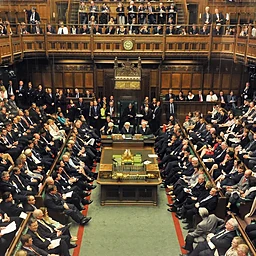
    The British House of Commons is a chamber of the UK Parliament where 650 elected Members of Parliament (MPs) gather to debate and pass laws, scrutinize government policies, and overall, represent the interests of their constituents. Members will encounter issues such as national security, economic crisis, and international alliance structures. As the lower house of Parliament, its responsibilities also include holding the government accountable through democratic processes and addressing a diverse range of issues such as healthcare, education, foreign policy, economic growth, and social justice.

    Countries

  • 170 countries · 2 delegates each
    1. Protecting Children from Harm and Exploitation
    2. Advancing Comprehensive Development for Every Child
    General Assemblies: 27th Special Session of the General Assembly, 2002: World Summit for Children - Double Delegation

    English · 170 countries · 2 delegates each

    Topics

    1. Protecting Children from Harm and Exploitation
    2. Advancing Comprehensive Development for Every Child

    About the committee

    In May 2002, a special session of the General Assembly convened, serving as a follow-up to the 1990 World Summit for Children, which adopted the Declaration on the Survival, Protection, and Development of Children. This 2002 special session was the first time the UN General Assembly held a meeting entirely dedicated to children’s rights, providing governments with the chance to renew their commitment to children's rights; specifically, child health, nutrition, education, literacy, protection of children during conflicts, and poverty. The 2002 special session represents an opportunity to review the successes and failures of achieving the goals of the World Summit and further protect the rights of all children.
    Countries

    How this committee type works

Organizers

More MUN conferences

ConferencesUnited StatesNAIMUN LXI 2024