ESPOMUN 2027

ESPOL MODEL UNITED NATIONS

Mar 12–14, 2027 Lille, France

ESPOL MODEL UNITED NATIONS

Next deadline Jan 1, 2027 for chairs

Conference

Lille, France·Europe

Mar 12–14, 2027

117 delegates expected

High school and university students

In English and French

Position papers due Mar 11

Applications

Open
  • ChairsNov 20, 2026 – Jan 1, 2027Open
  • Delegates, Head delegates, Faculty advisorsNov 21, 2026 – Mar 11, 2027Open

About

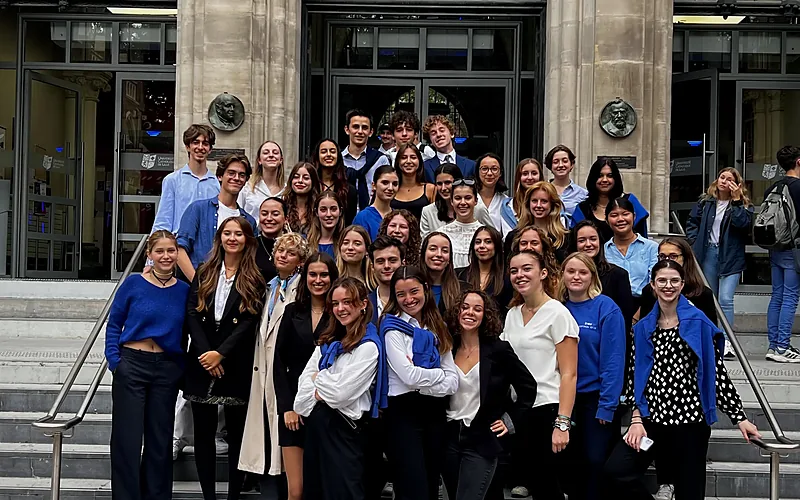
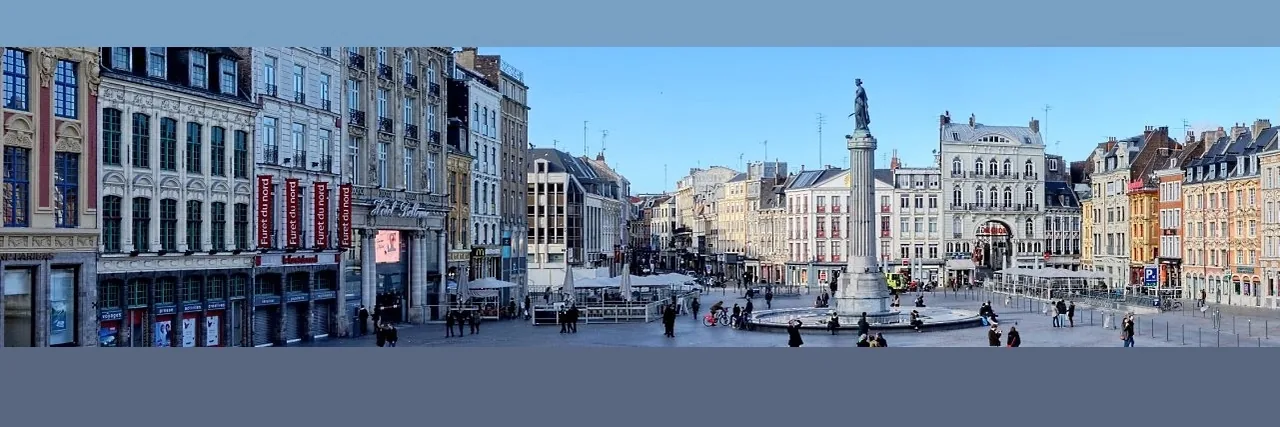
The European School of Political and Social Sciences (ESPOL) is proud to host the 6th edition of ESPOMUN, a dynamic and immersive Model United Nations conference, at the Catholic Univeristy of Lille which will take place from the 12th to the 14th of March 2027 in the beautiful northern French city of Lille. 

ESPOMUN’s 2026 theme, “Building a New Type of International Relations : Security and Solidarity by All, of All, and for All,” calls upon a renewed sense of collective responsibility that transcends scale: extending from the actions of a single citizen to the decisions of our largest institutions. Inspiring a world of global harmony needless of uniformity; a reshaped and reinvented multipolar order. 

Applications are now open till the 11nd of March 2027, which means you have until the 11/03/2027 to join this incredible journey, with which the delegate fee will provide you with qualitative debate sessions, goodies and gifts, food and drinks, exceptional guest-speakers, festive parties and elegant galas, an incredible opening ceremony at the beautiful Prefecture de Lille, and the opportunity to meet some new extraordinay people. 

Whether you're passionate about international relations, law, politics, humanitarian action or contemporary global crises, ESPOMUN is the MUN conference for you! We bring together high school and university students alike from across the world to participate and experience firsthand in the world of international diplomacy, negotiation, and multilateral cooperation. Thus, over three unforgettable days, you can step into the role of delegates, ministers, and representatives of the countries and organizations that they embody. You’ll debate pressing global issues, defend national interests and draft resolutions in a realistic and truly authentic United Nations setting.

This year’s anniversary edition will feature committees in both French and English, expert-led conferences, and interactive simulations designed to enhance delegates’ understanding of global governance and worldwide dynamics. Guided by experienced chairs and guest speakers from academic and professional backgrounds; participants will be able to build a community of common destiny for mankind upheld by equality and pursuing common prosperity. 

And of course, we can't have all business and no pleasure! ESPOMUN extends beyond committee rooms and takes life completely differently within our exceptional as much as memorable socials which are all included in the standard delegate fee! From a glamorous gala to a lively casino night, together we celebrate our teamwork and achievments in our vibrant city of Lille. It’s here that lasting friendships are forged, where you, participants, can unwind, and enjoy the unique international community that forms each year: here in the heart of ESPOMUN!

As ESPOMUN marks its 6th conference and 11 years of existence, this edition stands as both a celebration of our journey and a promise for the decade ahead — six conferences, eleven years, countless participants and yet one single community united by dialogue, diplomacy, and the desire to make a difference: this is ESPOMUN. 

And we're just getting started. 

Committees

  • 15 countries
    1. Addressing Armed Conflict, Peacekeeping Mandates, and Illicit Resource Exploitation in the Democratic Republic of the Congo

    United Nations Security Council (UNSC)

    English · 15 countries

    Topic

    Addressing Armed Conflict, Peacekeeping Mandates, and Illicit Resource Exploitation in the Democratic Republic of the Congo

    About the committee

    The United Nations Security Council is the primary body responsible for maintaining international peace and security. In recent years, the Council has confronted a worsening crisis in the eastern Democratic Republic of the Congo as armed groups, regional rivalries, and competition over mineral wealth fuel ongoing violence. The collapse of ceasefires, the expansion of the March 23 Movement and allied coalitions, and the limits facing the United Nations Organization Stabilization Mission in the Democratic Republic of the Congo have displaced millions of civilians and strained regional stability. In other words; the protection of civilians, the future of peacekeeping mandates, the enforcement of sanctions against armed actors, and the prevention of regional escalation in the Great Lakes region. Some Council members call for stronger peacekeeping authority, targeted sanctions, and stricter oversight of illicit mineral supply chains, while others emphasize state sovereignty, regional mediation, and limits on external military intervention. Delegates within this committee must craft a resolution that addresses this conflict all the whilst upholding the principles of civilian protection, territorial integrity, and lasting peace.

    Countries

    How this committee type works
  • 17 countries
    1. Negotiating the South China Sea Code of Conduct (COC) under UNCLOS

    Association of Southeast Asian Nations (ASEAN)

    English · 17 countries

    Topic

    Negotiating the South China Sea Code of Conduct (COC) under UNCLOS

    About the committee

    For regional peace, for maritime order, for the stability Southeast Asia deserves. If this cause is to your calling we introduce to you this committee. The Association of Southeast Asian Nations is a regional organisation encompassing the nations of Southeast Asia. Over the years, ASEAN, alongside its partners, has confronted rising tensions as competing claims collide in the South China Sea. These disputes over territory, shipping lanes, and marine resources are reshaping regional relations and raising questions about the future of maritime law. In other words; the protection of sovereignty, freedom of navigation, the prevention of conflict, and respect for the United Nations Convention on the Law of the Sea. Some states favor closer bilateral ties and economic cooperation with China, while others call for firm rules and a unified regional stance to protect their rights. Delegates within this committee must craft a Code of Conduct that responds to these challenges all the whilst upholding the principles of ASEAN centrality, cooperation, and peace in the region. *note that only the 11 member countries of ASEAN and China will have voting rights.

    Countries

  • 22 countries
    1. Encadrer le transfert de technologies et l'accès libre aux brevets vaccinaux afin de renforcer la production locale lors des urgences sanitaires

    Organization Mondial de la Santé (OMS)

    French · 22 countries

    Topic

    Encadrer le transfert de technologies et l'accès libre aux brevets vaccinaux afin de renforcer la production locale lors des urgences sanitaires

    About the committee

    L'Organisation mondiale de la Santé est l'institution spécialisée des Nations Unies chargée de coordonner la santé publique internationale. Ces dernières années, l'organisation a fait face à de profondes fractures entre les pays du Nord et les pays du Sud concernant l'accès inégal aux vaccins et aux technologies médicales lors des crises sanitaires. La concentration de la production pharmaceutique et la protection stricte des brevets limitent la capacité des régions en développement à fabriquer leurs propres traitements. Autrement dit ; le transfert de technologies, la mise en commun des savoir-faire scientifiques, le développement de capacités de production locales et la garantie d'une riposte rapide face aux épidémies. Certains États membres réclament l'ouverture des licences et le partage obligatoire des connaissances médicales comme biens publics mondiaux, tandis que d'autres défendent la propriété intellectuelle et les mécanismes volontaires afin de préserver le financement de la recherche. Les délégués de ce comité devront élaborer un cadre de coopération qui favorise une production sanitaire locale et efficace tout en respectant les principes de solidarité, d'innovation et d'équité mondiale.

    Countries

    How this committee type works
  • 22 countries
    1. The Question of Western Sahara : Decolonization and Self-Determination

    Special Political and Decolonisation Committee (SPECPOL)

    English · 22 countries

    Topic

    The Question of Western Sahara : Decolonization and Self-Determination

    About the committee

    The Special Political and Decolonization Committee is a main body of the United Nations General Assembly addressing decolonization and non-self-governing territories. For decades, the committee has confronted ongoing disputes over the status of Western Sahara following the withdrawal of Spain and the competing claims of Morocco and the Polisario Front. These divisions have stalled the peace process and raised questions about the future of decolonization, especially after the termination of the United Nations Mission for the Referendum in Western Sahara. In other words; the right to self-determination, the resolution of territorial status, the protection of human rights, and the pursuit of stability in North Africa. Some member states support an autonomy framework under Moroccan sovereignty as a path to regional development, while others insist on an independence referendum for the Sahrawi people in accordance with United Nations principles. Delegates within this committee must craft a resolution that addresses this impasse all the whilst upholding the principles of international law, human dignity, and peaceful diplomacy.

    Countries

    How this committee type works
  • 21 countries
    1. Evaluating the Decriminalization and Legalization of Recreational Drugs

    United Nations Office on Drugs and Crimes (UNODC)

    English · 21 countries

    Topic

    Evaluating the Decriminalization and Legalization of Recreational Drugs

    About the committee

    The United Nations Office on Drugs and Crime is the global leader in the fight against illicit drugs and international crime. In recent years, the office has confronted growing divisions as several member states move away from strict prohibition toward the decriminalization and legal regulation of certain controlled substances. These domestic policy shifts are testing the international drug control treaties and raising questions about the future of global drug enforcement. In other words; the balance between criminal justice and public health, the reduction of prison overcrowding, the disruption of illicit cartels, and compliance with United Nations conventions. Some member states argue that legal regulation and harm reduction protect human rights and weaken organized crime, while others warn that legalization increases addiction and undermines international legal obligations. Delegates within this committee must craft a balanced framework that addresses these policy shifts all the whilst upholding the principles of public health, state sovereignty, and international cooperation.

    Countries

    How this committee type works
  • 20 countries
    1. Climate Displacement and the Protection of Human Rights
    United Nations Human Rights Council (UNHRC)

    English · 20 countries

    Topic

    Climate Displacement and the Protection of Human Rights
    About the committee

    The United Nations Human Rights Council is an intergovernmental body responsible for strengthening the promotion and protection of human rights around the globe. In recent years, the council has confronted growing challenges as environmental degradation, rising sea levels, and weather disasters force millions of people to flee their homes. These movements are creating a gap in international law and raising questions about the protection of displaced populations. In other words; the lack of formal legal recognition under the 1951 Refugee Convention, access to shelter and healthcare, the prevention of statelessness, and the duty of states to provide protection. Some member states favor expanding legal definitions and establishing binding resettlement and funding commitments, while others resist altering existing refugee treaties and prioritize national border control and voluntary aid. Delegates within this committee must craft a framework that protects the rights of climate displaced persons all the whilst upholding the principles of human dignity, shared responsibility, and international cooperation.

    Countries

    How this committee type works

More MUN conferences

ConferencesFranceESPOMUN 2027