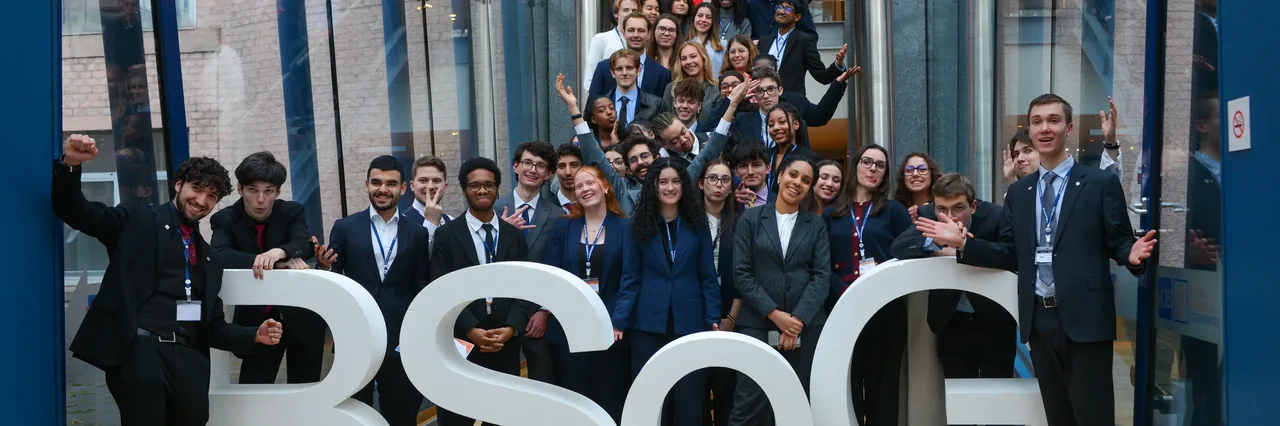
BrusselsMUN BE 2025

BrusselsMUN Belgium Edition

Sep 26–28, 2025 Brussels, Belgium

BrusselsMUN Belgium Edition

Latest edition: BrusselsMUN Jr 2026Apr 24–26, 2026

Conference

Brussels, Belgium·Europe

Sep 26–28, 2025

70 delegates expected

University students

In English

How it went

4.1954 ratings from delegates
Academics
4.13
Logistics
4.46
Socials
3.98

About

Uniting Belgium Through Debate & Diplomacy

Belgium has seen a stark void in cooperation amongst its many active MUN societies.

While political, geographic, and linguistic divide plays a part in this, BrusselsMUN aims to build bridges across the country for a new era of Belgium MUNs.


Join the first ever Belgium-focused MUN conference, and meet your counter parts across the country!

BrusselsMUN Partner Societies:

ULBMUN - LouvainMUN - GIMUN - LeiMUN - MUNTO - FMUN - FDNU - AmsterMUN


Conference Schedule

Friday 26th September

07:00 – 12:15 | Visit to NATO Headquarters 
09:00 – 10:30 | Visit to the European Parliament


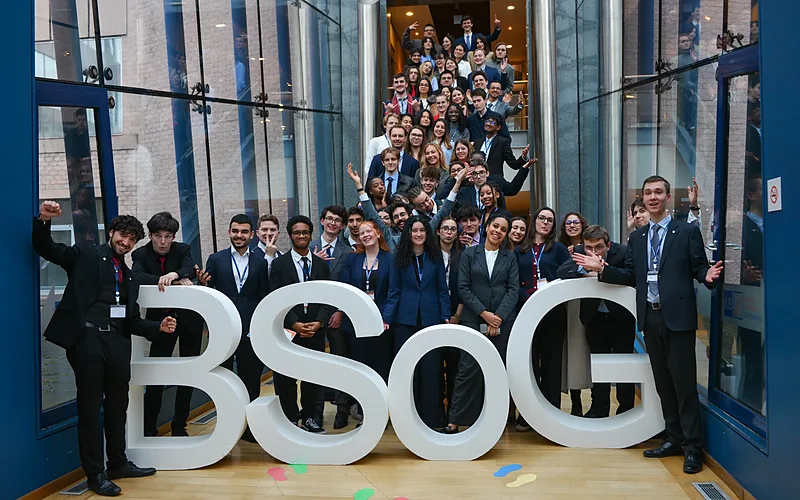
13:00 – 14:30 | Registration & Reception – Brussels School of Governance (Pleinlaan 5)
14:30 – 15:45 | Opening Ceremony & Panel Discussion – BSoG
16:00 – 18:30 | Networking Reception – BSoG
18:30 – 22:00 | Informal networking – Bar Pilar 

 ⸻

Saturday 27th September

09:00 – 09:30 | Morning Coffee
09:30 – 10:45 | Committee Session I
10:45 – 11:15 | Coffee Break
11:15 – 13:00 | Committee Session II
13:00 – 14:30 | Lunch Break
14:30 – 16:00 | Committee Session III
16:00 – 16:30 | Coffee Break
16:30 – 18:00 | Committee Session IV
20:00 – 02:00 | Gala Night – Teatro (Chau. de la Hulpe 182, 1170 Watermael-Boitsfort)

⸻

Sunday 28th September

09:30 – 10:00 | Morning Coffee
10:00 – 11:45 | Committee Session V
11:45 – 12:15 | Coffee Break
12:15 – 14:00 | Committee Session VI (Final)
14:00 – 14:30 | Lunch Break
14:30 – 15:30 | FunMUN
15:45 – 17:00 | Closing Ceremony

Committees

  • 15 countries
    1. Addressing the issues surrounding Lethal Autonomous Weapons Systems (LAWS)
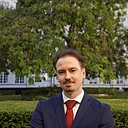
    • Philippe Hreich
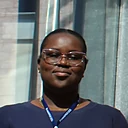
    • Leen Alnajem

    United Nations Security Council

    Expert · English · 15 countries

    Topic

    Addressing the issues surrounding Lethal Autonomous Weapons Systems (LAWS)

    About the committee

    The United Nations Security Council (UNSC) holds primary responsibility for maintaining international peace and security. The rapid development of artificial intelligence–powered lethal autonomous weapons systems (LAWS) poses a new and potentially destabilizing threat to global stability. These systems — capable of selecting and engaging targets without direct human intervention — are being developed or deployed by multiple states, raising concerns over accountability, compliance with international humanitarian law, and the risk of uncontrolled escalation in armed conflicts. The integration of advanced AI into military decision-making also increases the potential for unpredictable or unintended engagements, cyber vulnerabilities, and proliferation to non-state actors. This committee will examine whether and how the UNSC should address the regulation, limitation, or prohibition of AI-driven autonomous weapons. Delegates will need to consider the balance between state sovereignty and collective security, the military advantages of such systems versus their ethical and legal risks, and the feasibility of verification and enforcement in a high-tech arms control regime. The challenge will be to bridge the divide between states calling for a complete ban, those advocating for regulated development, and those opposing restrictions altogether, while ensuring that any outcome contributes meaningfully to international peace and security.

    Chairs

    Countries

    How this committee type works
  • 32 countries
    1. Safeguarding Multilingual and Cultural Heritage Across Nation States
    • Elise Harinandansingh
    • Jesse Blykers

    UNESCO

    Beginner · English · 32 countries

    Topic

    Safeguarding Multilingual and Cultural Heritage Across Nation States

    About the committee

    The United Nations Educational, Scientific and Cultural Organization (UNESCO) works to promote education, cultural diversity, and the preservation of linguistic heritage worldwide. Across many nation states, the coexistence of multiple languages reflects rich cultural diversity, but it also presents challenges for social cohesion, equality in education, and equitable access to public services. In some cases, linguistic divides contribute to marginalization, discrimination, and reduced opportunities for minority language communities. These divides can also fuel social tension and, in extreme cases, political instability. Safeguarding multilingualism requires policies that both protect minority languages and promote inclusive communication at the national level. This involves ensuring access to quality education in native languages, fostering media and cultural production in diverse languages, and creating fair language policies in governance and public life. As the UN agency tasked with promoting linguistic and cultural rights, UNESCO seeks to help states bridge divides by balancing national unity with respect for linguistic diversity. Delegates will be tasked with proposing measures to protect endangered languages, strengthen inclusive multilingual education, and encourage intercultural dialogue, while addressing the political and practical challenges that come with managing multilingual societies.

    Chairs

    Countries

    How this committee type works
  • 20 countries
    1. Combating Transnational Call Center Scams in Cambodia
    • Alexia Pascut
    • Hripsimé Simonyan

    UNODC

    Intermediate · English · 20 countries

    Topic

    Combating Transnational Call Center Scams in Cambodia

    About the committee

    The United Nations Office on Drugs and Crime (UNODC) works to combat international crime, illicit trafficking, and emerging security threats. In recent years, Cambodia has become a major hub for transnational call center scams, with criminal syndicates running large-scale fraud operations targeting victims across Asia, Oceania, Europe, and beyond. These scams — which include fraudulent investment schemes, romance scams, and impersonation of authorities — generate billions in illicit profits each year. Many of the people operating the scams are themselves victims of human trafficking, lured by false job offers from countries such as China, Thailand, Malaysia, and Indonesia, and forced into criminal activity under threat of violence. Addressing this problem requires coordinated international action. Jurisdictional barriers, the use of advanced technology, and the laundering of profits through global financial systems make enforcement extremely challenging. As the UN body mandated to tackle such issues, the UNODC seeks to develop strategies for enhanced cross-border cooperation, strengthen Cambodian and regional law enforcement capacity, disrupt financial flows linked to scams, and protect and repatriate trafficking victims. Delegates will need to balance respect for national sovereignty with the urgent need for joint measures to dismantle criminal networks and safeguard vulnerable individuals.

    Chairs

    Countries

    How this committee type works
  • 12 countries
    1. Ad-hoc Committee: Belgium’s Response to a Cyber Virus
    • Tumelo Chilimboyi
    • Christine Moturi

    National Crisis Centre of Belgium

    Expert · English · 12 countries

    Topic

    Ad-hoc Committee: Belgium’s Response to a Cyber Virus

    About the committee

    The National Crisis Centre of Belgium (Centre de Crise National / Nationaal Crisiscentrum – NCCN) is the federal authority responsible for coordinating the country’s response to national emergencies. In this scenario, Belgium faces an unprecedented crisis: an artificially engineered computer virus, created through advanced artificial intelligence tools, has been released, triggering a rapidly spreading “digital super-pandemic.” Government systems, telenet structures, social media, and websites are all seeing a rampant influx of AI-generated attacks and crashes. The digital virus threatens to overwhelm Belgium’s internet infrastructure, economy, and social stability within weeks. The suspected origin is an AI-assisted cyber engineering process, raising national security concerns. The NCCN must work with federal ministries, regional governments, law enforcement, and international partners to contain the digital outbreak and prevent societal collapse. Key challenges include implementing emergency virtual measures, managing supply chain disruptions, countering public misinformation, and investigating the origins of the digital virus to prevent further attacks. Delegates will be tasked with balancing decisive containment strategies with the protection of civil liberties, ensuring public trust, coordinating with the EU, and making rapid, high-stakes decisions in an environment of uncertainty and escalating public pressure.

    Chairs

    Countries

    How this committee type works

Partner conferences

FMUN 2025

Tours, France

View conference
TouMUN 2025

Tours, France

View conference
GIMUN 2025

Geneva, Switzerland

View conference
AmsterMUN 2025

Amsterdam, Netherlands

View conference
LeiMUN 2025

Leiden, Netherlands

View conference

Organizers

Elisa Cabrera-Clerget
USG of Internal Affairs

Evangelia Eleni Karageorgi
USG of Social Media
Faris Zebib
Secretary General
Jacopo Mattiello
USG of Partnerships
Laura Ciotola
USG of Social Media
Matthew Jones
USG of External Relations
Sara Bordigato
USG of Academics
Taras Golokoz
Directorate General

More MUN conferences

ConferencesBelgiumBrusselsMUN BE 2025