BrusselsMUN 2025

Brussels Model United Nations

Feb 7–9, 2025 Brussels, Belgium

Brussels Model United Nations

Latest edition: BrusselsMUN Jr 2026Apr 24–26, 2026

Conference

Brussels, Belgium·Europe

Feb 7–9, 2025

90 delegates expected

University students

In English

How it went

4.6247 ratings from delegates
Academics
4.62
Logistics
4.79
Socials
4.47

About

Brussels' 1st Edition Model United Nations Event

Brussels' first-ever official Model United Nations organization!

High-level committees, international delegates, lunch & coffee included, this conference in Brussels will bring you an action-packed but genuine MUN experience as you know and love


Keep an eye out for a visit to the EU Commission, a classy black-tie Gala 🥂, and outings across Brussels' classiest areas!

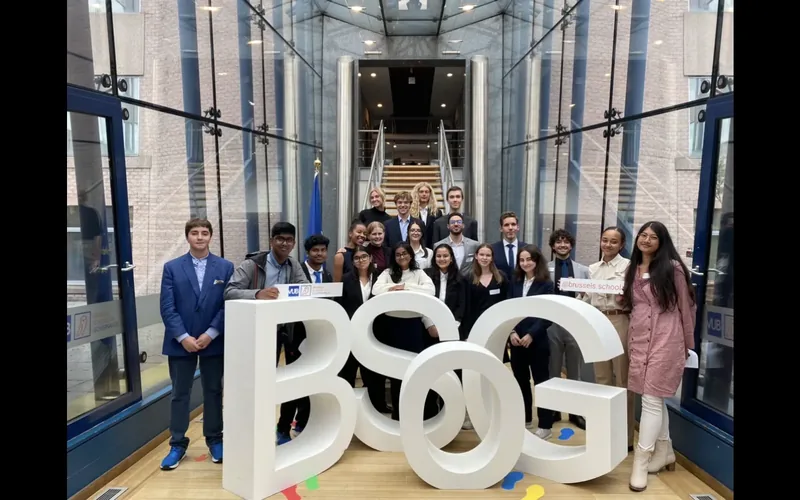
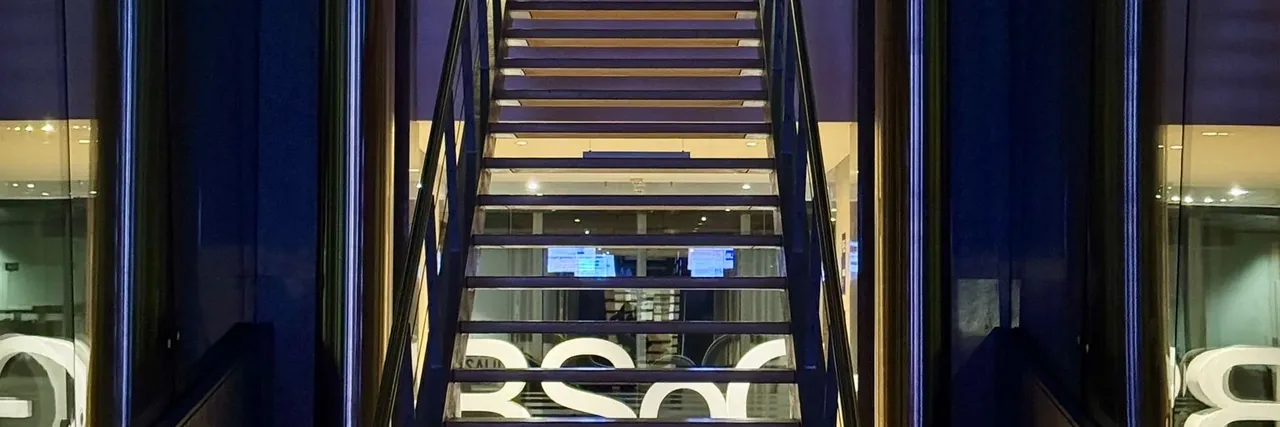
Location: Brussels School of Governance (Pleinlaan 5, 1050 Ixelles)


Schedule:

Friday (February 7th)

8:45 - 12:00 - Visit to EU Commission

14:00 - 15:00 - Registration @ BSoG & Reception

15:00 - 15:30 - ROP revision

15:45 - 16:15 - Crisis ROP revision

16:30 - 18:00 - Opening ceremony

18:00 - 19:00 - Networking event

21:00 - Optional Pub Crawl


Saturday (February 8th)

9:30 - 10:45 - 1st Session

10:45 - 11:15 - Coffee break

11:15 - 13:00 - 2nd Session

13:00 - 14:30 - Lunch Break

14:30 - 16:00 - 3rd Session 

16:00 - 16:30 - Coffee break

16:30 - 18:00 - 4th session

20:00 - 02:00 - Gala Night


Sunday (February 9th)

9:30 - 10:00 - Coffee 

10:00 - 11:45 - 5th Session 

11:45 - 12:15 Coffee break

12:15 - 14:00 - 6th Session (final)

14:00 - 14:30 -  Lunch

14:30 - 15:30 - funMUN

15:45 - 17:00 Closing ceremony


Committees

  • 20 countries
    1. The Question of Ensuring Practical and Effective LGBTQ+ Rights

    • Zoë Allen
    • Esmeralda Dueñas Marmolejo

    United Nations Human Rights Council

    Intermediate · English · 20 countries

    Topic

    The Question of Ensuring Practical and Effective LGBTQ+ Rights

    About the committee

    The UNHRC has been a critical platform for advancing global human rights. In this committee, delegates will address the rights of LGBTQ+ individuals across the globe, focusing on practical and effective measures to combat discrimination, violence, and legal inequalities. The committee’s efforts are vital in ensuring that LGBTQ+ individuals everywhere can live with dignity, equality, and safety. Despite significant progress in many countries, LGBTQ+ individuals still face widespread discrimination and violence, particularly in parts of Africa, the Middle East, and Eastern Europe. In 2023, the UN’s Human Rights Council renewed its call for global efforts to improve the safety and rights of LGBTQ+ individuals. Delegates in this committee will address the challenges of legal recognition, equal access to healthcare, and the eradication of harmful cultural practices. They will also consider the role of international treaties, the protection of LGBTQ+ refugees, and the challenges posed by conservative governments.

    Chairs

    Countries

    How this committee type works
  • 20 countries
    1. The Question of Air Pollution
    • Adèle Gougaut
    • Quentin Anderson

    World Health Organization

    Beginner · English · 20 countries

    Topic

    The Question of Air Pollution

    About the committee

    The World Health Organization is at the forefront of global health diplomacy, aiming to improve health outcomes across nations. At BrusselsMUN 2025, delegates in the WHO will confront one of the world’s most pressing health crises — air pollution. This issue has widespread implications for public health, climate change, and sustainable development, demanding urgent attention from global policymakers. Air pollution is a growing health threat, responsible for millions of premature deaths each year, particularly in urban areas. The World Health Organization has identified air pollution as a leading cause of respiratory diseases, cardiovascular diseases, and even cancer. In 2023, the WHO called for stronger international collaboration and policies to tackle this issue head-on, with the aim of improving air quality and protecting global health. Delegates will be tasked with formulating strategies to reduce air pollution, promote clean energy, and enhance international cooperation, especially in the face of rapid industrialization and urbanization.

    Chairs

    Countries

    How this committee type works
  • 11 countries
    1. Russo-Japanese War 1904-1905
    • Mohamed Nhili
    • Hendrik van Klinken

    Bicameral Crisis: Japanese Imperial Cabinet

    Expert · English · 11 countries

    Topic

    Russo-Japanese War 1904-1905

    About the committee

    In this exciting and fast-paced crisis committee, delegates will step into the shoes of key decision-makers during the Russo-Japanese War, one of the most significant conflicts in early 20th-century history. With its ground-breaking naval battles and the rise of Japan as a global power, the Russo-Japanese War shaped the future of East Asia and the world. Delegates will face real-time crises that challenge their diplomatic and military strategies. The Russo-Japanese War is a defining moment in world history, as it marked the first time an Asian nation defeated a European power in modern warfare. In 2023, historians continued to debate the long-lasting effects of this conflict, particularly its impact on the balance of power in Asia and its influence on World War I. This crisis committee will ask delegates to analyze strategic military decisions, handle diplomatic tensions, and navigate the geopolitical landscape of the time. Participants will simulate both the Russian and Japanese imperial cabinets, each with distinct goals and internal pressures, in a thrilling test of historical diplomacy

    Chairs

    Countries

    How this committee type works
  • 15 countries
    1. The Militarization of Outer Space
    • Kara Djakou
    • Matthew Jones

    United Nations Security Council

    Expert · English · 15 countries

    Topic

    The Militarization of Outer Space

    About the committee

    The UNSC plays a pivotal role in maintaining international peace and security, including ensuring the peaceful use of outer space. As more nations and private companies develop space capabilities, the risk of space becoming a domain of conflict grows. In this committee, delegates will engage in critical discussions on the militarization of space and the establishment of international frameworks to ensure space remains a peaceful arena. With the recent launch of military satellites and the increasing capabilities of space-faring nations, concerns over space becoming a new frontier for warfare are intensifying. In 2023, the UN’s Office for Disarmament Affairs warned that space-based weapons could trigger a new arms race. Delegates in this committee will examine the implications of space militarization, including the threat of satellite warfare, weaponizing orbital technologies, and establishing legal frameworks to prevent space from becoming a battleground. This topic is highly relevant as nations like the U.S., China, and Russia continue to expand their space-related defense technologies.

    Chairs

    Countries

    How this committee type works
  • 10 countries
    1. Russo-Japanese War 1904-1905
    • Andrew Eugenicos
    • Vlad Iliescu

    Bicameral Crisis: Russian Imperial Cabinet

    Expert · English · 10 countries

    Topic

    Russo-Japanese War 1904-1905

    About the committee

    In this exciting and fast-paced crisis committee, delegates will step into the shoes of key decision-makers during the Russo-Japanese War, one of the most significant conflicts in early 20th-century history. With its ground-breaking naval battles and the rise of Japan as a global power, the Russo-Japanese War shaped the future of East Asia and the world. Delegates will face real-time crises that challenge their diplomatic and military strategies. The Russo-Japanese War is a defining moment in world history, as it marked the first time an Asian nation defeated a European power in modern warfare. In 2023, historians continued to debate the long-lasting effects of this conflict, particularly its impact on the balance of power in Asia and its influence on World War I. This crisis committee will ask delegates to analyze strategic military decisions, handle diplomatic tensions, and navigate the geopolitical landscape of the time. Participants will simulate both the Russian and Japanese imperial cabinets, each with distinct goals and internal pressures, in a thrilling test of historical diplomacy.

    Chairs

    Countries

    How this committee type works

Partner conferences

BSoG MiniMUN 2024
Brussels, Belgium

View conference
FMUN 2025

Tours, France

View conference

Organizers

Alix Ramadier
USG of Communications and Marketing
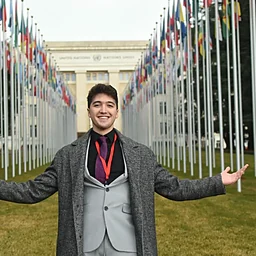
Faris Zebib
Secretary-General

Francesco Manfrin
USG of Events
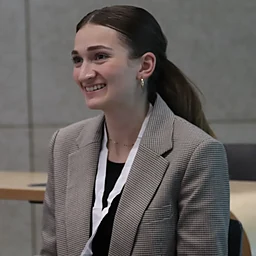
Laura Ciotola
USG of Communications and Marketing
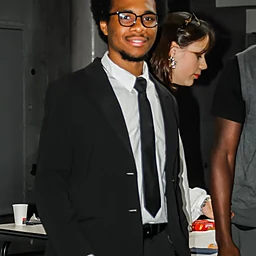
Quentin Anderson
USG of External Affairs
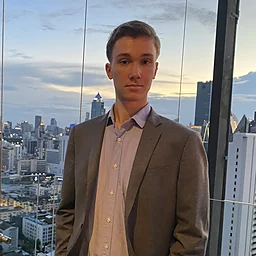
Taras Golokoz
Vice-Secretary-General

More MUN conferences

ConferencesBelgiumBrusselsMUN 2025