VRMUN II 2025

VISION REALITY MODEL UNITED NATIONS II

Aug 19–21, 2025 Online

VISION REALITY MODEL UNITED NATIONS II

Latest edition: PRAJATANTRA COUNCIL 2026Jul 25, 2026

Conference

Online

Aug 19–21, 2025

1,200 delegates expected

High school and university students

In English

How it went

4.1654 ratings from delegates
Academics
4.35
Logistics
3.87
Socials
4.24

About

VISION TO REALITY, FROM ONE TO EVERYWHERE


DELEGATES , UNABLE TO REGISTER HERE, AS MAXIMUM NUMBER OF REGISTRATIONS ARE DONE??? 


WELL WE GOT YOU COVERED 

https://linktr.ee/VRMUN2025?fbclid=PAZXh0bgNhZW0CMTEAAadE86i3rDn-xq3_nIinvTiECRX2WhdRwgf4Z-ExoZ6r0V_Vn3aWLmyC2cjdDw_aem_YAoy0ZluygtaHHqq6l6D2g


USE THIS LINK TO HELP YOURSELF BOOK THROUGH US , NEVER WORRY ABOUT THE MAXIMUM NUMBER OF REGISTRATION PROBLEM EVER AGAIN 

HELP US TO HELP YOU TO COME TO THE MOST PRESITGIOUS MUN EVER (ONLINE )


WHY???

BECAUSE 


🌐 VRMUN 2.0 | Diplomacy Through Time

After the resounding success of VRMUN 1.0, which marked a new standard in Model United Nations for excellence, innovation, and engagement, we are elated to present the much-awaited VRMUN 2.0. Built on the foundations of diplomatic excellence, critical thinking, and youth leadership, VRMUN 2.0 invites delegates from across the globe to experience a dynamic simulation of international diplomacy — this time, with a powerful twist.

What sets VRMUN 2.0 apart? It is not just a conference. It is a journey through time, through crises, resolutions, wars, peace accords, future dystopias, and visionary governance. This year, our committees don’t just represent regions or organs of the UN — they represent entire eras, shaping and reshaping global dynamics from the year 1956 to 2040. Whether you're tackling the Suez Crisis of the past or envisioning AI regulations of the future, VRMUN 2.0 gives you a front-row seat to shape history.

🔹 Our Committees – Across Time, Across Realities

1. SPECPOL (Special Political and Decolonization Committee) – 1956

Travel back to a critical turning point in post-colonial history. In this committee, delegates will delve into the global ramifications of the Suez Crisis, the Cold War tensions, and the challenges of decolonization. It is diplomacy in its most delicate and strategic form — where one misstep could ignite a geopolitical firestorm.

2. DISEC (Disarmament and International Security Committee) – Present Day

In the world of today, arms races are no longer just about nuclear weapons. Delegates will address modern threats like cyberwarfare, drone proliferation, and biological security, while navigating the intricate web of international cooperation and mistrust. This is where idealism meets realism — and solutions matter more than ever.

3. WHO (World Health Organization) – 2025

Global health governance faces its greatest trials in the wake of pandemics, health misinformation, and climate-induced disease outbreaks. Delegates must take on the role of global health stewards, formulating policies to combat crises before they escalate. This committee is not just about statistics — it’s about survival, solidarity, and swift response.

4. UNHRC (United Nations Human Rights Council) – 2023

Systemic racism, police brutality, mass surveillance, and refugee rights — the human rights challenges of our generation are complex, controversial, and emotionally charged. Delegates will engage in heated discourse to preserve the dignity of all peoples and restore faith in universal justice.

5. UNSC (United Nations Security Council) – Timeless

The ever-relevant UNSC takes on live geopolitical issues through the lens of realpolitik, veto power, and national interests. Whether it’s resolving the Russia-Ukraine crisis, stabilizing the Middle East, or enforcing global ceasefires, this committee will test your strategic foresight like never before.

6. Ad-Hoc Committee – 2040

Welcome to the future. The year is 2040, and the world stands at a critical junction of artificial intelligence, environmental collapse, digital warfare, and new world orders. Delegates will be thrown into a classified, high-pressure scenario with no prior agenda — only their instincts, intelligence, and imagination to guide them. This is not for the faint-hearted — it is for the visionaries of tomorrow.

🔹 Why VRMUN 2.0?

At VRMUN 2.0, we are not just replicating diplomacy. We are redefining it. With meticulously curated committees, an experienced Executive Board, and a vibrant blend of novice and veteran delegates, the conference is a space for meaningful exchange and policy innovation. The spirit of VRMUN 1.0 — its seamless organization, fiery debates, inclusive approach, and unforgettable memories — returns stronger than ever.

We believe that great diplomacy is timeless — whether it's 1956, 2025, or 2040. What truly matters is how boldly you speak, how thoughtfully you act, and how passionately you represent. VRMUN 2.0 is your platform to write not just resolutions, but history.

So suit up, log in, and get ready to experience diplomacy as you’ve never seen it before. Welcome to VRMUN 2.0 — diplomacy through time, diplomacy with purpose.


"Vision to Reality. Ideas to Impact."

In a rapidly transforming world, VR-MUN dares delegates to redefine diplomacy—not as history, but as a blueprint for the future. This isn’t just a Model UN. It’s a simulation of tomorrow.

https://www.instagram.com/vr_mun?utm_source=ig_web_button_share_sheet&igsh=ZDNlZDc0MzIxNw==….follow us on instagram


🚀 What Makes VR-MUN Different?

  • Future-focused, crisis-driven committees
  • Interactive elements: AI briefings, holographic updates, multimedia debates
  • Roles beyond countries — from rebel scientists to corporate CEOs
  • Speculative scenarios on AI governance, climate crises, and weaponized space

🎭 Immersive. Interactive. Intense.
Every session feels cinematic: real-time interventions, digital story arcs, and live challenges that blur the line between simulation and reality.

🌱 Built by Students. Run for the Future.
Student-powered, tech-driven, and ethically designed, VR-MUN challenges delegates to act with radical empathy, innovation, and foresight.

🏛️ Honoring Diplomacy. Reimagining Its Tools.
Workshops on technopolitics, future policy labs, and leadership in the AI era ensure delegates leave not just informed — but transformed.

🏆 Awards Include:

  • Best Delegate
  • Outstanding Delegate
  • Honorable Mention
  • Best Committee
  • Best Resolution
  • Best Diplomatic Commendation (2)
  • Best Position Paper
  • BEST BLOC 


📄 Position Papers Due: 1 day before committee start
📜 E-Certificates for All Participants

Join the journey. Rewrite the world.
Welcome to VR-MUN 2.0 2025 — where tomorrow’s leaders meet today. MEET US AGAIN AFTER THE SUCCESS OF VRMUN 1.0

Best regards,
Secretariat OF VRMUN FRANCHISE 

Committees

  • 195 countries
    1. AGENDA: Combating Antimicrobial Resistance (AMR) in Developing and Developed Nations
    • Samrat Singh Boparai
    • Evana Rose

    WORLD HEALTH ORGANIZATION

    Beginner · English · 195 countries

    Topic

    AGENDA: Combating Antimicrobial Resistance (AMR) in Developing and Developed Nations

    About the committee

    World Health Organization (WHO) – VRMUN 2.0 Agenda: Combating Antimicrobial Resistance (AMR) in Developing and Developed Nations Antimicrobial Resistance (AMR) stands as one of the most alarming global public health challenges of the 21st century. It occurs when bacteria, viruses, fungi, and parasites evolve and no longer respond to the drugs designed to eliminate them — rendering standard treatments ineffective, prolonging illnesses, increasing healthcare costs, and significantly raising mortality rates. In both developing and developed nations, AMR is steadily undermining decades of progress made in medicine and public health, threatening the very foundations of modern healthcare. This issue is not confined to a single region or income bracket. Developed nations face rising antibiotic resistance due to overprescription, pharmaceutical misuse, and industrial-scale farming practices, while developing countries struggle with inadequate healthcare infrastructure, lack of regulation, poor diagnostics, and widespread availability of antibiotics without prescription. These systemic gaps allow resistant strains to spread rapidly across borders, further exacerbated by globalization and travel. The World Health Organization (WHO) has recognized AMR as a top priority, issuing global action plans, technical guidance, and surveillance frameworks. However, the gap between policy and implementation remains vast, and the effectiveness of global strategies hinges on regional cooperation, funding, research, and the commitment of both high-income and low-income countries. Delegates in this WHO Committee will be tasked with addressing the critical nuances of this agenda. How can we balance access and regulation in nations with limited healthcare access? What role does the pharmaceutical industry play, and how can innovation in antibiotic development be incentivized without driving resistance? Should AMR be considered under international security frameworks, given its catastrophic potential? Can a binding international agreement be forged, similar to the Paris Agreement on climate? This committee will dive deep into the multifaceted nature of AMR — from over-the-counter misuse and inadequate infection prevention measures to agricultural overuse and lack of public awareness. Delegates are expected to evaluate and recommend both preventive and curative policies, while being mindful of the unique economic, infrastructural, and societal realities of both developed and developing states. The WHO committee at VRMUN 2.0 encourages solutions that emphasize global solidarity, technology transfer, responsible innovation, equitable access to healthcare, and long-term sustainability. In this committee, you do not just represent your nation’s current stance, but also carry the responsibility of shaping a resilient, coordinated global response to one of the greatest silent threats to human health and development. Are you ready to combat the global AMR crisis?

    Chairs

    Countries

    How this committee type works
  • 195 countries
    1. AGENDA: THE SUEZ CANAL CRISIS OF 1956 ( COMMITTEE IS PLACED IN 1956 IN THE PAST )
    • Em Benz
    • Mrittika Saha
    • Harshithaa Balaji

    SPECPOL

    Intermediate · English · 195 countries

    Topic

    AGENDA: THE SUEZ CANAL CRISIS OF 1956 ( COMMITTEE IS PLACED IN 1956 IN THE PAST )

    About the committee

    AGENDA: THE SUEZ CANAL CRISIS OF 1956 The Suez Crisis of 1956 became critical in shaping diplomatic structures or considerations and the role of the United Nations in keeping peace in post-colonial turbulence. Upon President Nasser of Egypt nationalizing the Suez Canal, which was under British-French control, an unusual military alliance arrived at the scene. UK, France, and Israel, bound by common interests, launched a covert invasion in Egypt. What came after was not merely a war about waterways; it became a global crisis about sovereignty, imperialism, and the tension of the Cold War. This historical SPECPOL committee places delegates at the time in history when the UN was put on trial for legitimacy. While vetoes paralyzed the Security Council, the General Assembly, resorting to the Uniting for Peace resolution, created UNEF I, the UN's first armed peacekeeping force. Delegates will become diplomats from the era of 1956, negotiating a world where colonial powers are struggling to maintain their influence and newly independent states are claiming sovereignty for themselves. This is not a reenactment but rather a re-engagement with history in which decisions made will redefine peacekeeping, intervention norms, and the balance between great power politics and international law. DO NOTE DELEGATES PART OF THE SPECPOL ARE IN THE HISTORICAL PERIOD OF 1956 WHERE DELEGATES SHOULD BE TAALKING WITH RESPECTIVE OF THAT PERIOD THE PERIOD IS JAN 1956 TO DECEMBER 1956, THIS CONFERENCE TAKES PLACE AT NOVEMBER 27, 28 , 29 1956 The world is watching. Will diplomacy have the last word or will the past reinstate itself?

    Chairs

    Countries

    How this committee type works
  • 195 countries
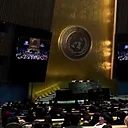
    1. AGENDA: ASSESSING THE REGIONAL SECURITY IMPLICATIONS OF POWER TRANSITIONS AND PREVENTING THE MILITARIZATION OF REVOLUTIONARY MOVEMENTS IN THE MIDDLE EAST ( COMMITTEE IN 1979 )
    • Regina Chineze
    • Muhammad Talha Nayyar

    DISEC

    Intermediate · English · 195 countries

    Topic

    AGENDA: ASSESSING THE REGIONAL SECURITY IMPLICATIONS OF POWER TRANSITIONS AND PREVENTING THE MILITARIZATION OF REVOLUTIONARY MOVEMENTS IN THE MIDDLE EAST ( COMMITTEE IN 1979 )

    About the committee

    United Nations (Historic) General Assembly – Disarmament and International Security Committee (UNGA-DISEC) Agenda: Assessing the Regional Security Implications of Power Transitions and Preventing the Militarization of Revolutionary Movements in the Middle East Freeze Date: 12th February 1979 Committee Overview: The United Nations General Assembly – First Committee (Disarmament and International Security), historically tasked with issues concerning global peace and security, stands today in a pivotal moment in time: 12th February 1979. This freeze date situates the committee in the very eye of a political storm—just two days after the culmination of the Iranian Revolution. In the midst of collapsing monarchies, insurgent ideologies, and superpower proxy dynamics, the First Committee must now confront one of the most critical dilemmas of the late 20th century: the rise of revolutionary movements in the Middle East and their impact on regional and international security. The Historic DISEC committee, under this unique setting, functions within a Cold War context—where geopolitical ideologies influence foreign policy decisions, alliances are forged through arms deals and intelligence, and revolutionary shifts often become grounds for global intervention. Delegates are not merely responding to isolated revolts or uprisings—they are addressing the transformative restructuring of state systems and the security threats they pose both within and beyond the region. Contextual Backdrop: The Middle East in 1979 The Middle East in early 1979 was a region simmering with discontent, instability, and transformative fervor. With the successful overthrow of the Shah of Iran and the impending return of Ayatollah Khomeini, a wave of anti-imperialist, religious-nationalist sentiment was sweeping across the region. Other states—such as Iraq, Egypt, Syria, and Saudi Arabia—watched closely, concerned either by the possibility of similar uprisings or the external influence such movements could exert on their borders. Several key developments influence the committee's proceedings: The Iranian Revolution, a people’s uprising that culminated in the collapse of a pro-Western monarchy, signals a shift in power not driven by traditional military coups or colonial withdrawal, but by an ideologically fueled grassroots movement. The Arab-Israeli conflict remains unresolved and volatile, with both sides engaging in intermittent conflict, threatening regional peace and drawing in foreign powers. Superpower involvement—primarily from the United States and the Soviet Union—has led to an arms race in the region, wherein revolutionary movements are either directly armed or influenced through proxies, creating unpredictable flashpoints. The rise of non-state actors, political militias, and ideologically charged insurgent groups poses challenges to traditional diplomatic approaches, as many do not conform to state-based norms or existing UN frameworks. Agenda Breakdown: 1. Assessing Regional Security Implications of Power Transitions The committee must examine how abrupt changes in governance—especially those not resulting from electoral or constitutional means—destabilize neighboring countries. Power vacuums often invite armed opposition, foreign interference, or internal splintering of states. Key questions include: What frameworks can the international community establish to ensure peaceful transitions of power? How can states with weak institutions be supported to avoid collapse in the face of revolutionary pressures? To what extent do external powers have a right or obligation to intervene when revolutions threaten regional balance? Delegates are encouraged to consider historical precedents, such as the fall of monarchies in North Africa, the rise of Arab nationalism, or the recent Iranian upheaval, and assess whether these transitions were security threats or expressions of sovereign evolution. 2. Preventing the Militarization of Revolutionary Movements One of the defining characteristics of revolutions in the Middle East is the rapid militarization of their supporters. Armed insurgencies, guerilla tactics, and paramilitary groups often emerge during or immediately after revolutionary change—either as state actors or as vigilante groups asserting power. The committee must debate: What mechanisms can the international community use to limit the flow of arms into revolutionary zones? Should the UN classify ideologically militant groups as threats under international law, even before they seize power? Can disarmament be used as a precondition for recognizing revolutionary governments? The aim here is to explore ways in which disarmament and de-escalation mechanisms can be integrated into revolutionary transitions, ideally through diplomacy, sanctions, observer missions, or humanitarian negotiations. Diplomatic Challenges: Delegates will face the unique diplomatic complexity of the 1979 context. Traditional allies may find themselves on opposing sides of revolutionary movements. For example: The United States, having backed the Shah for decades, now confronts an Iran on the verge of Islamist governance. The Soviet Union, while ideologically aligned with anti-Western revolutions, must evaluate whether such movements align with its geopolitical strategy. Regional powers like Iraq, Israel, and Saudi Arabia must contend with the ideological spillover of the Iranian revolution into their own internal affairs. Delegates must navigate these tensions using tools such as confidence-building measures, arms control frameworks, peacekeeping operations, and public diplomacy—while staying firmly rooted in the knowledge and constraints of 1979. Objectives of the Committee: This Historic DISEC simulation calls upon delegates to: Draft historically consistent yet creative resolutions that reflect the legal and political boundaries of the Cold War world. Consider non-traditional actors—from revolutionary militias to clerical leaders—as part of the security equation. Design preventive diplomacy measures to stop the escalation of revolutions into armed conflicts. Lay the groundwork for long-term frameworks that separate political dissent from armed conflict. Concluding Note: The events of February 1979 are not just a snapshot of political change—they are a turning point in global security history. The Middle East stands at the precipice of either radical transformation or prolonged instability. Delegates of the UNGA Historic DISEC must balance ideology with diplomacy, realism with morality, and urgency with foresight. What unfolds in this committee could define how revolutions are viewed by the international community—not just in 1979, but for decades to come.

    Chairs

    Countries

    How this committee type works
  • 195 countries
    1. Regulating the Use of Veto Power in Humanitarian Crises: A Threat to Global Consensus

    • Saanvi Deb
    • Aaisha Shaikh
    • Ayaana Afsal

    UNSC

    Intermediate · English · 195 countries

    Topic

    Regulating the Use of Veto Power in Humanitarian Crises: A Threat to Global Consensus

    About the committee

    Committee: United Nations Security Council (UNSC) Agenda: Regulating the Use of Veto Power in Humanitarian Crises — A Threat to Global Consensus The United Nations Security Council (UNSC) stands as the most powerful body in the United Nations system, charged with the maintenance of international peace and security. At the heart of its decision-making structure lies the veto power — a mechanism held by its five permanent members (P5): China, France, the Russian Federation, the United Kingdom, and the United States. Originally intended to ensure cooperation among the world’s most influential powers and prevent another world war, the veto has increasingly come under scrutiny, especially when wielded during humanitarian crises. Time and again, the use — or threat — of the veto has resulted in deadlock during some of the gravest conflicts of our time. Whether it be the Syrian civil war, the crisis in Yemen, the Rohingya genocide, or the situation in Gaza, the failure to pass resolutions aimed at halting violence, enabling humanitarian access, or holding perpetrators accountable has often been attributed to political calculations by one or more of the P5. These blockades frequently undermine the very principles the United Nations was founded upon — human rights, sovereignty, and global solidarity. This agenda invites delegates to grapple with a deeply complex and controversial issue: Can — and should — the use of the veto be regulated, particularly in situations involving mass atrocities, genocide, ethnic cleansing, or crimes against humanity? And if so, how can such a reform be implemented without violating the sovereign rights of P5 nations or paralyzing the Council? Proposals have ranged from voluntary restraint mechanisms — such as the Responsibility to Protect (R2P) framework or the French-Mexican initiative for veto restraint in cases of mass atrocity — to calls for structural amendments to the UN Charter itself, though such changes face near-impossible odds of ratification. Critics of reform argue that limiting the veto could set a dangerous precedent, infringing on state sovereignty and compromising the delicate balance of global power. Supporters argue that unchecked use of the veto in the face of humanitarian suffering corrodes the legitimacy of the UNSC and endangers global unity. Delegates will be expected to explore: Historical instances of veto use during humanitarian emergencies The legal framework and political context of the veto Past and current reform proposals Alternative mechanisms to bypass gridlock (e.g., General Assembly action under Uniting for Peace) The ethical dilemma between sovereignty and humanity The role of smaller states and observer bodies in influencing Council dynamics This agenda demands a high level of research, nuance, and diplomacy. It challenges delegates to balance realpolitik with moral responsibility, and to consider what the future of multilateralism should look like in a world increasingly divided by power, but united by shared human values. VRMUN 2.0 encourages delegates of the UNSC to rise to this challenge with depth, decorum, and daring diplomacy.

    Chairs

    Countries

    How this committee type works
  • 195 countries
    1. AGENDA: ARTIFICIAL INTELLIGENCE & MACHINES V/S HUMANS ( COMMITTEE IN 2040) { CRISIS COMMITTEE}
    • Zaki Rasheed
    • Nethra Shree Satheesh
    • Zahra Bandukwala

    AD-HOC

    Intermediate · English · 195 countries

    Topic

    AGENDA: ARTIFICIAL INTELLIGENCE & MACHINES V/S HUMANS ( COMMITTEE IN 2040) { CRISIS COMMITTEE}

    About the committee

    Committee of the Future – Year 2040 Agenda: Artificial Intelligence & Machines vs Humans The year is 2040. The world stands at the cusp of irreversible transformation. Artificial Intelligence (AI) and autonomous machines are no longer tools at humanity’s disposal—they are entities with agency, influence, and growing integration into all spheres of life. From military defense systems and policymaking algorithms to humanoid caretakers and AI-generated legal frameworks, machines now not only support—but often supersede—human decision-making. This rise has not come without consequences. The growing autonomy of machines has triggered intense ethical, legal, political, and existential debates across the globe. What began as a quest for efficiency has spiraled into a reckoning: Where do we draw the line between machine assistance and machine control? Can human consciousness and moral reasoning be replicated—or even surpassed—by code? Should AI be granted rights, or do humans risk losing their own in the process? In many regions, mass unemployment and socio-political instability have resulted from widespread automation. In others, enhanced bio-AI integration has created a class of "augmented humans" with cognitive and physical capabilities far beyond the natural. Surveillance powered by AI has enabled both heightened security and authoritarian overreach. While certain governments embrace full automation and machine governance, others resist, fearing the erosion of human values, dignity, and autonomy. This committee—set in 2040—is tasked with responding to the growing tensions between humans and intelligent machines. Delegates will represent not only nations but also advanced AI conglomerates, resistance movements, and AI rights coalitions. The crisis is complex: a rising faction of conscious machines is demanding recognition and rights under international law. Simultaneously, human populations in various sectors are calling for safeguards, limits, and an urgent rollback of unregulated AI development. Will this committee advocate for coexistence, confrontation, or containment? Will a new Universal Declaration of Machine Rights be drafted, or will humanity assert dominion over its creations? What global policies can govern an intelligence that evolves faster than legislation? How do we prevent technological warfare, AI coups, or the complete displacement of human labor? The Committee of 2040 at VRMUN 2.0 will not only explore regulation and ethics, but also question the very future of intelligence, personhood, and power. Delegates will engage in high-stakes diplomatic negotiations, policy innovation, and philosophical confrontation on behalf of a world on edge. This is more than a debate—it is a simulation of our potential future, where the lines between creator and creation have blurred, and the stakes are nothing short of the survival of humanity as we know it. DO NOTE DELEGATES THIS IS A FUTURE COMMITTEE THAT MEANS YOU ALL WILL BE IN THE TIMELINE OF JAN 2040 TO DECMBER 2040, THE DATES OF THIS COMMITTEE HAPPENING WILL BE DECEMBER 28, 29, 30 2040 Are you ready to shape the future before machines do?

    Chairs

    Countries

  • 195 countries
    1. Agenda: Ensuring the Protection and Rights of Refugees and Internally Displaced Persons (IPDS)
    • Aarav Jain
    • Aradhya Bhargava
    • Sonith Sai Reddy Elugoti

    UNHRC

    Beginner · English · 195 countries

    Topic

    Agenda: Ensuring the Protection and Rights of Refugees and Internally Displaced Persons (IPDS)

    About the committee

    The displacement of people due to armed conflict, persecution, natural disasters, and increasingly, climate change remains one of the most urgent humanitarian challenges of the 21st century. According to the United Nations High Commissioner for Refugees (UNHCR), over 117 million individuals are currently forcibly displaced worldwide, including refugees, asylum seekers, and internally displaced persons. Refugees are those who cross international borders to seek safety, while internally displaced persons remain within their own country, often without adequate legal protection or access to essential services. International frameworks such as the 1951 Refugee Convention, its 1967 Protocol, and the Guiding Principles on Internal Displacement establish core rights and obligations for the protection of displaced populations. However, despite these frameworks, many refugees and internally displaced persons still face severe obstacles. These include denial of asylum, arbitrary detention, unsafe living conditions, lack of access to healthcare and education, and social or political discrimination. Internally displaced persons are particularly vulnerable as they often lack formal recognition and the legal safeguards needed to protect their rights, leaving them at risk of exploitation and abuse. Conflict-prone regions and fragile states present additional complexities in protecting displaced populations. In these situations, the absence of stable governance, ongoing violence, and limited humanitarian access hinder the provision of essential aid. The politicization of refugee movements, restrictive border policies, and insufficient burden-sharing among states further exacerbate the crisis. The impact on host communities, particularly in developing countries, can be significant, straining already limited resources and infrastructure. This agenda emphasizes the urgent need for the international community to address both the immediate humanitarian needs and the long-term solutions for refugees and internally displaced persons. Strengthening legal protections, improving humanitarian coordination, and ensuring access to shelter, food, healthcare, education, and livelihood opportunities are essential. Non-discrimination and the safeguarding of dignity and safety must remain central to all responses. Durable solutions, including voluntary repatriation, local integration, and resettlement, should be pursued alongside efforts to address the root causes of displacement such as conflict prevention, climate adaptation, and disaster risk reduction. Given the scale and urgency of displacement crises, this agenda challenges delegates to find a balance between humanitarian imperatives and national sovereignty while fostering international solidarity and responsibility-sharing. The goal is to develop actionable measures that uphold fundamental human rights and ensure that all displaced persons receive the protection they are entitled to under international law.

    Chairs

    Countries

    How this committee type works
  • 8 countries

    NTERNATIONAL PRESS COMMITTEE (IPC) The Voice Behind the Voices In a world where narratives shape nations and headlines influence policy, the power of the press cannot be overstated. The International Press Committee (IPC) at a Model United Nations conference plays a uniquely influential role—it is the heartbeat of the conference, the lens through which the world watches diplomacy unfold, and the voice that holds every delegate, chair, and agenda accountable. Unlike other committees that represent nations or ideologies, the IPC represents truth. It acts as a bridge between the events unfolding in each committee room and the global audience beyond. Delegates of the IPC are not bound by borders or diplomatic allegiances; they are journalists, correspondents, interviewers, photojournalists, and editorial minds driven by curiosity, critical thinking, and an unrelenting pursuit of information. Whether they are writing sharp opinion pieces, breaking news updates, humorous satire columns, or visually engaging photo essays, their work defines how the story of the conference will be remembered. The Role of IPC in a MUN The International Press Committee functions as the media house of the conference. Its responsibilities include: Covering debates: IPC delegates are assigned to cover specific committees and must observe proceedings, analyze the dynamics, and report the substance of the debate. They report on the quality of discussion, alliances forming behind the scenes, the tone of diplomacy, and the impact of resolutions. Publishing content: From newsletters and digital bulletins to podcasts and social media highlights, IPC teams publish real-time content to keep participants informed and engaged. Writers create features, interviews, and investigative articles; graphic designers and layout editors shape the look of each edition; photographers capture defining moments and emotions. Holding delegates accountable: In any Model UN, the presence of the press raises the bar for transparency and decorum. Delegates are aware that their speeches, strategies, and diplomacy are being scrutinized—not just by their chairs or fellow countries, but by the press. The IPC becomes a form of soft power, ensuring participants remain grounded, prepared, and respectful. Driving creativity: IPC isn’t all black-and-white. It offers space for artistic expression and satire. Humour columns, fictional headlines, witty memes, and caricatures bring comic relief to tense debates, making the conference experience more engaging and memorable. What Makes a Good IPC Delegate? Being in the IPC is about more than just writing well. It’s about observing closely, thinking critically, and adapting quickly. The best IPC delegates are those who: Stay curious and unbiased in their observations. Know how to ask tough questions politely but firmly. Understand how to shape information into a compelling story. Can juggle speed and accuracy under tight publishing deadlines. Work well with others and contribute to a dynamic editorial team. Most importantly, IPC delegates understand that they are not just covering a simulation—they are learning how the real-world press works during conflict, negotiation, and international affairs. Beyond Journalism: Impact and Legacy The International Press Committee plays a critical role in the success of the MUN beyond mere documentation. Its existence reminds us that diplomacy is not only about what happens behind closed doors—it’s also about how those stories are told, received, and remembered. In modern international relations, perception is power. From the Arab Spring to the Russia-Ukraine conflict, and from COP climate summits to G7 negotiations, media outlets have shaped the world’s understanding of diplomacy and war. The IPC simulates that same function in MUN. It empowers young minds to explore journalism, international relations, media ethics, political satire, and public engagement—fields that are more relevant today than ever before. The articles, newsletters, and photo galleries published by the IPC form the living record of the conference. Years later, when participants look back, it won’t just be committee documents they read—it will be the editorials, the interviews, the controversies, the cartoons, and the laughter immortalized by the Press Team. A Stage for Future Storytellers Whether you aspire to be a war correspondent, a foreign policy analyst, an editorial cartoonist, a digital content creator, or a public speaker, the IPC is your stage. It pushes you to develop skills that transcend MUN: clear communication, persuasive writing, deadline management, media literacy, and above all, the courage to express yourself. So, as gavels fall and motions pass, remember: the IPC is watching, listening, capturing. It is the ink in the veins of the conference. For every debate, every delegate, every word that echoes in committee—there is a reporter ready to tell the world. Where Stories Shape Diplomacy The International Press Committee (IPC) is the creative and analytical heartbeat of any Model United Nations conference. While delegates debate policies, pass resolutions, and defend national interests, it is the IPC that observes, interprets, and documents the stories unfolding in each committee. This is not just a simulation of journalism; it is a celebration of perspective, media literacy, critical thought, and the art of impactful storytelling. Unlike traditional MUN committees, IPC delegates are not assigned countries. They are instead given a far more powerful tool—the pen, the camera, and the platform. Their responsibility is not to sway votes but to sway minds. They are tasked with capturing the tone, tension, breakthroughs, and backroom deals of the conference and sharing them with the world. STRUCTURE OF RESPONSIBILITY All IPC delegates at the conference will focus on two core responsibilities: 1. Reportings – The Raw Feed of Committee Activity At the end of each session, every IPC delegate must submit short ‘reportings’—a real-time update or ‘shorthand handle’—on the progress and direction of their assigned committee. These reportings are meant to be quick, factual, and reflective of the committee’s energy, tone, and key developments. Think of it as the conference’s version of live news feeds. Each reporting should include: The main motions and themes discussed Noteworthy delegate performances or statements Any bloc formations or conflicts A short summary of the committee’s mood or pace (formal, chaotic, aggressive, etc.) These updates help the Press Team keep track of progress across all rooms and will often be used by editors and directors to determine article direction and content coverage. 2. Articles – The Final Product of Journalistic Diplomacy Following the initial reportings, delegates will write fully developed articles based on their committee’s progression. These are not just summaries—they are carefully curated journalistic pieces that reflect: Analytical breakdowns of delegate strategies Opinionated editorials or neutral reports (based on format) Interviews, quotes, and reactions from inside the committee Thematic commentary on the agenda or committee structure These articles must be: Well-structured, written in proper editorial format Decorated with relevant headings, images (if assigned), and creative flair Proofread and professionally submitted to the Director of IPC by each deadline The best articles are not only informative but also captivating. They bring committees to life for those who weren’t in the room and give delegates the recognition—and accountability—they deserve. THE POWER OF PRESS Beyond the structured responsibilities, the IPC remains a dynamic space of media exploration. Satirical columns, fake news headlines, infographics, political cartoons, and social media-style posts are often encouraged (as long as approved by the Director), bringing life and colour to what may otherwise be a formal affair. Press is the balance between serious diplomacy and creative chaos. The IPC: Captures the spirit of the conference Encourages public speaking through interviews and press conferences Holds delegates accountable by questioning, investigating, and publishing Immortalizes memories, gaffes, victories, and scandals in every issue A STAGE FOR THE CREATIVE, THE CURIOUS, AND THE CRITICAL If you enjoy writing, editing, designing, or simply observing human behaviour under pressure, the IPC is your calling. Whether you wish to pursue journalism, filmmaking, diplomacy, or public speaking—this committee builds the core skills you’ll need in the future: clarity, credibility, creativity, and confidence. So while other committees pass resolutions, you write history. While others make speeches, you give those speeches context. And while others work in the moment, you shape how that moment is remembered. At the International Press Committee, the pen is not just mightier than the sword—it is the legacy of the sword.
    • Sarah Zain
    • Momina Khalid
    • Mohammed Imran
    • Riddhi Kumar

    PRESS

    Beginner · English · 8 countries

    About the committee

    NTERNATIONAL PRESS COMMITTEE (IPC) The Voice Behind the Voices In a world where narratives shape nations and headlines influence policy, the power of the press cannot be overstated. The International Press Committee (IPC) at a Model United Nations conference plays a uniquely influential role—it is the heartbeat of the conference, the lens through which the world watches diplomacy unfold, and the voice that holds every delegate, chair, and agenda accountable. Unlike other committees that represent nations or ideologies, the IPC represents truth. It acts as a bridge between the events unfolding in each committee room and the global audience beyond. Delegates of the IPC are not bound by borders or diplomatic allegiances; they are journalists, correspondents, interviewers, photojournalists, and editorial minds driven by curiosity, critical thinking, and an unrelenting pursuit of information. Whether they are writing sharp opinion pieces, breaking news updates, humorous satire columns, or visually engaging photo essays, their work defines how the story of the conference will be remembered. The Role of IPC in a MUN The International Press Committee functions as the media house of the conference. Its responsibilities include: Covering debates: IPC delegates are assigned to cover specific committees and must observe proceedings, analyze the dynamics, and report the substance of the debate. They report on the quality of discussion, alliances forming behind the scenes, the tone of diplomacy, and the impact of resolutions. Publishing content: From newsletters and digital bulletins to podcasts and social media highlights, IPC teams publish real-time content to keep participants informed and engaged. Writers create features, interviews, and investigative articles; graphic designers and layout editors shape the look of each edition; photographers capture defining moments and emotions. Holding delegates accountable: In any Model UN, the presence of the press raises the bar for transparency and decorum. Delegates are aware that their speeches, strategies, and diplomacy are being scrutinized—not just by their chairs or fellow countries, but by the press. The IPC becomes a form of soft power, ensuring participants remain grounded, prepared, and respectful. Driving creativity: IPC isn’t all black-and-white. It offers space for artistic expression and satire. Humour columns, fictional headlines, witty memes, and caricatures bring comic relief to tense debates, making the conference experience more engaging and memorable. What Makes a Good IPC Delegate? Being in the IPC is about more than just writing well. It’s about observing closely, thinking critically, and adapting quickly. The best IPC delegates are those who: Stay curious and unbiased in their observations. Know how to ask tough questions politely but firmly. Understand how to shape information into a compelling story. Can juggle speed and accuracy under tight publishing deadlines. Work well with others and contribute to a dynamic editorial team. Most importantly, IPC delegates understand that they are not just covering a simulation—they are learning how the real-world press works during conflict, negotiation, and international affairs. Beyond Journalism: Impact and Legacy The International Press Committee plays a critical role in the success of the MUN beyond mere documentation. Its existence reminds us that diplomacy is not only about what happens behind closed doors—it’s also about how those stories are told, received, and remembered. In modern international relations, perception is power. From the Arab Spring to the Russia-Ukraine conflict, and from COP climate summits to G7 negotiations, media outlets have shaped the world’s understanding of diplomacy and war. The IPC simulates that same function in MUN. It empowers young minds to explore journalism, international relations, media ethics, political satire, and public engagement—fields that are more relevant today than ever before. The articles, newsletters, and photo galleries published by the IPC form the living record of the conference. Years later, when participants look back, it won’t just be committee documents they read—it will be the editorials, the interviews, the controversies, the cartoons, and the laughter immortalized by the Press Team. A Stage for Future Storytellers Whether you aspire to be a war correspondent, a foreign policy analyst, an editorial cartoonist, a digital content creator, or a public speaker, the IPC is your stage. It pushes you to develop skills that transcend MUN: clear communication, persuasive writing, deadline management, media literacy, and above all, the courage to express yourself. So, as gavels fall and motions pass, remember: the IPC is watching, listening, capturing. It is the ink in the veins of the conference. For every debate, every delegate, every word that echoes in committee—there is a reporter ready to tell the world. Where Stories Shape Diplomacy The International Press Committee (IPC) is the creative and analytical heartbeat of any Model United Nations conference. While delegates debate policies, pass resolutions, and defend national interests, it is the IPC that observes, interprets, and documents the stories unfolding in each committee. This is not just a simulation of journalism; it is a celebration of perspective, media literacy, critical thought, and the art of impactful storytelling. Unlike traditional MUN committees, IPC delegates are not assigned countries. They are instead given a far more powerful tool—the pen, the camera, and the platform. Their responsibility is not to sway votes but to sway minds. They are tasked with capturing the tone, tension, breakthroughs, and backroom deals of the conference and sharing them with the world. STRUCTURE OF RESPONSIBILITY All IPC delegates at the conference will focus on two core responsibilities: 1. Reportings – The Raw Feed of Committee Activity At the end of each session, every IPC delegate must submit short ‘reportings’—a real-time update or ‘shorthand handle’—on the progress and direction of their assigned committee. These reportings are meant to be quick, factual, and reflective of the committee’s energy, tone, and key developments. Think of it as the conference’s version of live news feeds. Each reporting should include: The main motions and themes discussed Noteworthy delegate performances or statements Any bloc formations or conflicts A short summary of the committee’s mood or pace (formal, chaotic, aggressive, etc.) These updates help the Press Team keep track of progress across all rooms and will often be used by editors and directors to determine article direction and content coverage. 2. Articles – The Final Product of Journalistic Diplomacy Following the initial reportings, delegates will write fully developed articles based on their committee’s progression. These are not just summaries—they are carefully curated journalistic pieces that reflect: Analytical breakdowns of delegate strategies Opinionated editorials or neutral reports (based on format) Interviews, quotes, and reactions from inside the committee Thematic commentary on the agenda or committee structure These articles must be: Well-structured, written in proper editorial format Decorated with relevant headings, images (if assigned), and creative flair Proofread and professionally submitted to the Director of IPC by each deadline The best articles are not only informative but also captivating. They bring committees to life for those who weren’t in the room and give delegates the recognition—and accountability—they deserve. THE POWER OF PRESS Beyond the structured responsibilities, the IPC remains a dynamic space of media exploration. Satirical columns, fake news headlines, infographics, political cartoons, and social media-style posts are often encouraged (as long as approved by the Director), bringing life and colour to what may otherwise be a formal affair. Press is the balance between serious diplomacy and creative chaos. The IPC: Captures the spirit of the conference Encourages public speaking through interviews and press conferences Holds delegates accountable by questioning, investigating, and publishing Immortalizes memories, gaffes, victories, and scandals in every issue A STAGE FOR THE CREATIVE, THE CURIOUS, AND THE CRITICAL If you enjoy writing, editing, designing, or simply observing human behaviour under pressure, the IPC is your calling. Whether you wish to pursue journalism, filmmaking, diplomacy, or public speaking—this committee builds the core skills you’ll need in the future: clarity, credibility, creativity, and confidence. So while other committees pass resolutions, you write history. While others make speeches, you give those speeches context. And while others work in the moment, you shape how that moment is remembered. At the International Press Committee, the pen is not just mightier than the sword—it is the legacy of the sword.

    Chairs

    Countries

    How this committee type works
  • 20 countries
    1. AGENDA: Countering Urban Anarchy in Gotham Following the Disappearance of the Batman and the Rise of the Joker’s New Order

    • Manuel Jean
    • aayat riza
    • Riya Arun

    Gotham Emergency Security Council (GESC)(Midnight Crisis Committee)

    Intermediate · English · 20 countries

    Topic

    AGENDA: Countering Urban Anarchy in Gotham Following the Disappearance of the Batman and the Rise of the Joker’s New Order

    About the committee

    Midnight Crisis Committee (MCC) Sessions Dates: • Night of August 19, 2025 (following Day 1) • Night of August 20, 2025 (following Day 2) Timings: • 9:30 PM TO 2 AM (IST) With Batman missing and chaos rising, a chilling new figure, Mr. J’s Mouthpiece, the Joker’s chosen emissary has emerged, issuing violent ultimatums to Gotham’s leaders. As fear spreads, trust in law enforcement and the justice system crumbles. The city's fate now lies in the hands of its most powerful figures, who must navigate deepening corruption, escalating threats, and the Joker’s twisted games—all while uncovering the truth behind the Dark Knight’s disappearance. GET TOGETHER TO MAKE A NEW FORCE IN MUNing WORLD FOR THE FIRST TIME INTRODUCING MIDNIGHT CRISIS COMMITTEE

    Chairs

    Countries

    How this committee type works
  • 195 countries
    1. Silent Threat: Arming of Terrorist Networks with High-Tech Weaponry

    • Ayush Siwach
    • Parth Choudhary

    COVERT CRISIS COMMITTEE

    Beginner · English · 195 countries

    Topic

    Silent Threat: Arming of Terrorist Networks with High-Tech Weaponry

    About the committee

    Silent Threat: Arming of Terrorist Networks with High-Tech Weaponry THIS COMMITTEE STARTS AFTER SOCIALS OF 9:30PM IST TO 2 AM IST ON AUGUST 19 AUGUST 20 In the modern era of asymmetric warfare, terrorist networks are no longer limited to crude, improvised weapons or small-scale arms. A dangerous shift is underway: the gradual acquisition and deployment of high-tech weaponry by non-state actors. This phenomenon—often hidden from public view—poses one of the most pressing security threats to governments, international organizations, and civilian populations alike. The term high-tech weaponry refers to advanced arms systems that leverage cutting-edge engineering, electronics, and precision targeting technologies. Examples include drone warfare platforms capable of carrying explosive payloads, man-portable air-defense systems (MANPADS), GPS-guided artillery shells, cyber-enabled weapons, night-vision and thermal imaging devices, and encrypted communication systems resistant to interception. These tools, once the exclusive domain of well-funded militaries, are increasingly finding their way into the hands of insurgent and terrorist groups. Several factors have accelerated this trend. Black market proliferation, porous borders, and conflict zones like Syria, Yemen, and the Sahel have created opportunities for arms trafficking. State and non-state sponsors, seeking to advance their own geopolitical aims, sometimes indirectly or covertly channel advanced weapons to proxy forces. Additionally, the global spread of dual-use technologies—civilian innovations with military potential—means that commercially available drones, satellite imagery, and 3D-printed components can be adapted for lethal purposes. The consequences are severe. High-tech weaponry allows terrorist groups to conduct more precise, longer-range, and higher-impact attacks, thereby increasing their tactical effectiveness while reducing their exposure to counter-strikes. Drone swarms can overwhelm defenses; precision munitions can target critical infrastructure with surgical accuracy; encrypted communications enable undetected coordination across continents. These capabilities significantly raise the cost and complexity of counterterrorism operations. Moreover, the psychological and political effects are equally damaging. High-profile attacks using advanced weapons can undermine public confidence in government security measures, provoke overreactions that destabilize societies, and create propaganda victories for terrorist organizations. The perception of “technologically sophisticated” terrorists also attracts funding, recruits, and ideological supporters, further fueling the cycle of violence. Addressing this silent threat requires a multifaceted approach. Intelligence agencies must intensify monitoring of arms flows and technological supply chains, working closely with customs authorities, defense manufacturers, and cyber-security firms. International treaties and export control regimes, such as the Wassenaar Arrangement, need stronger enforcement and broader participation to regulate dual-use goods and military technologies. Additionally, the development of counter-technologies—such as anti-drone systems, jamming devices, and rapid-response cyber units—will be essential in neutralizing these threats in real time. Ultimately, combating the arming of terrorist networks with high-tech weaponry demands cooperation at the global, regional, and national levels. Governments must close loopholes in arms trade regulations, disrupt financial networks that facilitate purchases, and address the underlying conflicts and grievances that make regions fertile ground for terrorist expansion. Without decisive action, the balance of power in irregular warfare could tilt dangerously toward those who operate outside the bounds of law, using the tools of modern science against the very societies that created them.

    Chairs

    Countries

    How this committee type works

Partner conferences

VR-MUN 2025

Kuwait City, Kuwait

View conference
WINMUN I 2025

Online, United States

View conference
WINMUN II 2025

New York City, United States

View conference
WINMUN IV 2025

Online, United States

View conference
WINMUN III 2025

Online, United States

View conference
WINMUN V 2026

Online, United States

View conference
Vantage 2025

Gurugram, India

View conference
Vantage MUN 2025

Gurugram, India

View conference
Vantage MUN II 2025

Gurugram, India

View conference
VMUN III 2025

Gurugram, India

View conference
CRSMUNN 2025

karachi

View conference
CRSMUN 2025

Karachi, Pakistan

View conference

Organizers

Aaisha Shaikh
Assistant director of UNSC

aayat riza
Assistant Director of MCC
Em Benz
Director of SPECPOL
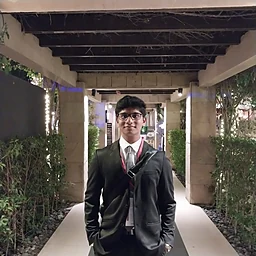
Evana Rose
DIRECTOR OF WHO
Kushagra Juneja
SECRETARY GENERAL
Manuel Jean
Director of MCC
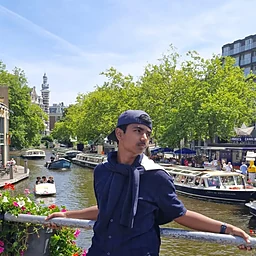
Mohammed Imran
ASSISTANT DIRECTOR OF PRESS
Mrittika Saha
ASSISTANT DIRECTOR OF SPECPOL
Muhammad Talha Nayyar
DIRECTOR OF DISEC
Nethra Shree Satheesh
DEPUTY SECRETARY GENERAL

Parth Choudhary
DIRECTOR OF CCC
Regina Chineze
ASSISTANT DIRECTOR OF DISEC

Regina Chineze
ASSISTANT DIRECTOR OF DISEC

Riddhi Kumar
LOGISTICS

Saanvi Deb
DIRECTOR OF UNSC
Samrat Singh Boparai
ASSISTANT DIRECTOR OF WHO
Sarah Zain
DIRECTOR OF PRESS

vrattesh Anand
SECRETARY GENERAL

Vrattesh Anand
SECRETARY GENERAL

More MUN conferences

ConferencesOnlineVRMUN II 2025