STRMUN 2025

Stratos Model United Nations

Jun 7–8, 2025 Online

Stratos Model United Nations

Latest edition: STRMUN II 2025Sep 6–7, 2025

Conference

Online

Jun 7–8, 2025

152 delegates expected

High school and university students

In English

How it went

4.2621 ratings from delegates
Academics
4.29
Logistics
4.19
Socials
4.29

About

🌐 StratosMUN – Diplomacy Above Boundaries

Welcome to StratosMUN, a Model United Nations conference where ideas rise above limits and diplomacy reaches new heights. Named after the stratosphere, the layer of our atmosphere that symbolizes elevation, clarity, and vision, StratosMUN is where the global leaders of tomorrow come together to tackle the world's most pressing challenges with intellect, empathy, and strategic foresight.

At StratosMUN, we believe diplomacy is not confined to borders — it's a bold journey upward. Through immersive debate, realistic simulations, and thought-provoking agendas, delegates will explore the complexities of international relations while developing critical skills in negotiation, public speaking, and collaborative problem-solving.

Join us for a transformative experience that goes beyond resolutions — where innovation meets tradition, and ambition meets action.

Primary Language of the conference: English

Awards:
🏆 Best Delegate

🏆 Best Position Paper

🏆 Best Speaker

🏆 Outstanding Delegation

🏆 Best Chairs

Rise with us. Debate above boundaries. Welcome to StratosMUN

Committees

  • 17 countries
    1. Addressing first contact scenarios with alien civilizations and planets.
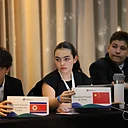
    • Isabella Nóbrega
    • Rümeysa Hifa Çetintürk

    United Nations Bureau for Extraterrestrial Affairs

    English · 17 countries

    Topic

    Addressing first contact scenarios with alien civilizations and planets.

    About the committee

    As humanity reaches beyond Earth, the United Nations Bureau for Extraterrestrial Affairs (UNBEA) stands as the world’s foremost diplomatic and security body for interstellar relations. Tasked with addressing extraterrestrial contact, space diplomacy, and interplanetary governance, UNBEA is at the forefront of humanity’s expansion into the cosmos.

    Chairs

    Countries

  • 12 countries
    1. Negotiations between USSR, USA, and Cuba to address the nuclear missile instalations being constructed in Cuba

    • Arnav Srivastava
    • Anant Raj Dixit

    The Cuban Missile Crisis of 1962

    English · 12 countries

    Topic

    Negotiations between USSR, USA, and Cuba to address the nuclear missile instalations being constructed in Cuba

    About the committee

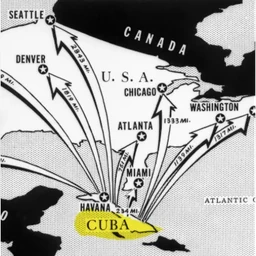
    In October 1962, the world stood on the brink of nuclear annihilation. American reconnaissance flights had revealed Soviet nuclear missile installations being constructed in Cuba—just 90 miles off the coast of Florida. Tensions between the United States and the Soviet Union reached an unprecedented peak, launching a thirteen-day standoff that would define the Cold War. This committee places delegates in the shoes of the key decision-makers from the United States, the USSR, Cuba, and select international observers. With communication lines strained and mistrust at an all-time high, the world holds its breath as two superpowers—and a defiant Caribbean nation—wrestle with diplomacy, deterrence, and the threat of total war.

    Chairs

    Countries

    How this committee type works
  • 26 countries
    1. Crisis in the Taiwan Strait
    • Aarav Verma
    • Luke Doherty

    Security Council

    English · 26 countries

    Topic

    Crisis in the Taiwan Strait

    About the committee

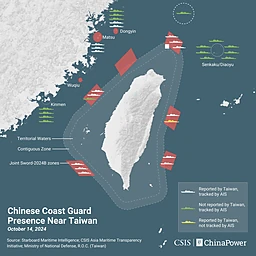
    Tensions in the Taiwan Strait have reached a critical threshold. A series of military escalations, political provocations, and cyber operations have pushed the region into a volatile state. The People's Republic of China has increased its military presence near Taiwan, conducting unprecedented air and naval exercises, while Taiwan continues to assert its democratic governance and international presence. The United States and regional allies have issued strong responses, raising the specter of a broader regional conflict with global consequences. Delegates must grapple with questions of sovereignty, regional security, the role of external actors, and the limits of international law in a rapidly evolving crisis. This committee will simulate real-time developments and require delegates to respond dynamically, balancing diplomacy with the need for decisive action. The fate of peace in the Indo-Pacific—and the stability of the global order—hangs in the balance.

    Chairs

    Countries

    How this committee type works
  • 195 countries
    1. The Militarization of Artificial Intelligence

    • Ananya P Kumar
    • Darsheel Umare

    General Assembly

    English · 195 countries

    Topic

    The Militarization of Artificial Intelligence

    About the committee

    As artificial intelligence evolves at breakneck speed, the global arms race is no longer limited to physical weapons. Nations are developing AI-powered systems capable of autonomous decision-making in surveillance, combat, and cyberwarfare. From unmanned drones to predictive warfare algorithms, the integration of AI into military frameworks poses profound questions about accountability, ethics, and global security. This committee will examine the implications of AI in defense technologies, the risks of autonomous weapons systems (AWS), and the potential for an AI-driven escalation of conflict. Delegates will be tasked with navigating the legal gray areas of current international frameworks, proposing safeguards, and building consensus toward transparency, regulation, and possibly disarmament. The challenge lies not only in managing existing threats—but in preventing a future where war is waged by machines without human control

    Chairs

    Countries

    How this committee type works
  • 47 countries
    1. Protecting the Rights of Environmental Refugees
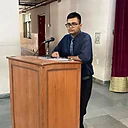
    • Raghav
    • Ayşe Sevde Işık

    Human Rights Council

    English · 47 countries

    Topic

    Protecting the Rights of Environmental Refugees

    About the committee

    As climate change accelerates, rising sea levels, desertification, extreme weather events, and resource scarcity are displacing millions of people worldwide. These individuals—commonly referred to as environmental refugees—often flee their homes not because of conflict or persecution, but due to uninhabitable conditions caused by environmental degradation. Yet, under current international law, they do not qualify for protection as refugees under the 1951 Refugee Convention. This legal gap has left environmentally displaced populations in a state of vulnerability, often lacking access to basic rights such as shelter, healthcare, and legal status. Small island nations, drought-stricken regions, and coastal communities are among the most severely affected, but the crisis is global—and growing. In this session, the Human Rights Council must confront one of the most pressing humanitarian issues of the 21st century. Delegates will be challenged to define the legal status of environmental refugees, explore international frameworks for protection, and develop human rights-based policies that address both immediate needs and long-term climate displacement.

    Chairs

    Countries

    How this committee type works

Partner conferences

PLMUN 2025

Recife, Brazil

View conference

Organizers

Leticia Pinto
Secretary General

More MUN conferences

ConferencesOnlineSTRMUN 2025