
About
The Universal Right to Truth
Thessaloniki — ancient crossroads of ideas and empires — beckons the next wave of young diplomats to ignite bold solutions, fuse tradition with technology, and chart a resilient future.
🌟 Why Here? From the White Tower to the waterfront, history's lessons fuel your vision.
⚡ Why Now? In an era of digital shadows, you are the architects of transparency and the guardians of fact.
🎯 Your Mission: Unite, debate, draft — and defend the integrity of the global narrative.
PyleaMUN is honored to return for its second conference, building upon the vibrant energy and meaningful traditions established during our inaugural session. This gathering continues our commitment to providing a premier platform for students and young thinkers eager to explore diplomacy and the power of collaboration within the Greek MUN community and beyond.
Throughout this second edition, participants will engage in rigorous discussions centered on our 2027 theme, "The Universal Right to Truth." From the Security Council to the Special Tribunal, delegates will confront the weaponization of disinformation, the ethics of AI, and the protection of human rights in the digital frontier, all while honing their critical thinking and public speaking skills in a supportive, professional setting.
At its core, PyleaMUN remains a steadfast advocate for the values of cooperation, respect, and open dialogue. Delegates will have the unique opportunity to meet peers from diverse backgrounds, bridge divergent perspectives, and gain a profound understanding of the complex global affairs that shape our modern world.
Guided by a distinguished panel of chairs and expert advisors, our participants will be challenged to craft innovative resolutions that address both historical lessons and future threats, embodying the highest standards of diplomatic conduct.
As we look toward 2027, we aim to solidify PyleaMUN as a welcoming space for high-level debate and lasting collaboration. Together, we continue a journey not merely of debate, but of shared purpose: to empower the leaders of tomorrow to confront global challenges with courage, creativity, and an unwavering commitment to the truth.
Committees
- The Weaponization of Synthetic Media: Addressing the Threat of Deepfakes to Global Security. Addressing "epistemic threats" and how deepfakes of world leaders could trigger wars, destabilize markets, or incite violence, focusing on how the SC can respond to non-physical threats.
- The Security Implications of Autonomous Weapon Systems and AI-Driven Decision Making. Examining the threat of "flash wars" caused by AI algorithms and establishing international protocols to maintain human control over lethal autonomous systems.
- Drafting the "Digital Geneva Convention": Regulating Tech Giants and Defining Cyber-Sovereignty. A hybrid committee of States and Tech Representatives (e.g., Meta, TikTok) attempting to create binding rules for algorithmic transparency, data ownership, and the prevention of digital warfare.
- The Governance of Satellite Internet Constellations and Space-Based Data Privacy. Addressing the environmental and security risks of private satellite networks and ensuring that orbital internet providers respect the digital sovereignty of the nations they cover.
- The "Truth Economy": Mitigating the Impact of Generative AI on Labour Markets and Intellectual Property. Debating how to protect human jobs from AI displacement and regulating AI-generated content that scrapes human data.
- The Rise of Decentralized Finance (DeFi) and its Threat to Global Financial Stability. Investigating the risks of unregulated crypto-assets and shadow banking systems that bypass traditional oversight and threaten the economic security of developing nations.
- Safeguarding History: Combating Digital Revisionism and Preserving Cultural Heritage in the Metaverse. Ensuring history and culture are not rewritten or gamified inaccurately in VR/AR environments, while addressing AI impact on academic integrity.
- Protection of Indigenous Languages and Oral Histories from AI Data Harvesting. Ensuring that large language models do not exploit indigenous knowledge and developing frameworks to preserve endangered languages in the digital sphere.
- Combating "Greenwashing" and Climate Disinformation: Enforcing Transparency in Corporate Sustainability Reporting. Addressing the manipulation of data by corporations or states that use misleading info to appear eco-friendly while continuing to pollute.
- The Ecological Cost of the Digital Frontier: Regulating the Energy Consumption of AI and Crypto-Mining. Addressing the massive carbon footprint of data centers and formulating international standards for sustainable digital infrastructure.
 Lonneke Peters
- The Impact of Social Media on Youth Health: Addressing Body Dysmorphia and Dangerous Diet Trends. This committee focuses on the medical and psychological outcomes of social media. It will formulate guidelines for schools, parents, and healthcare providers to identify early signs of body image disorders and combat the spread of harmful diet fads.
- Combating Medical Populism and the Global Spread of Anti-Science Misinformation. Formulating a unified response to the erosion of public trust in healthcare providers and the impact of health-related "fake news" on pandemic preparedness.
- Safety of Journalists and the Freedom of the Press: Protecting Truth-Tellers in the Era of Digital Authoritarianism. This committee addresses the protection of journalists as the guardians of factual information. It examines ways to prevent the use of "fake news" laws to silence dissent, combat internet shutdowns, and ensure physical safety for reporters in conflict zones.
- The Right to be Forgotten: Balancing Privacy with the Public’s Right to Historical Truth. Debating the human right to erase one's digital past versus the importance of maintaining an accurate and transparent historical record.
- Digital Gender-Based Violence: Addressing Non-Consensual Deepfakes and Online Misogyny. Targeting the rise of AI-generated non-consensual pornography and the use of technology to stalk or harass women.
- The Gendered Impact of AI Recruitment Bias and Digital Financial Exclusion. Examining how automated hiring systems and financial algorithms reinforce gender discrimination and creating guidelines for ethical AI in the workforce.
 Zoë Kamphuis
- The Ethics of Digital Identity: Addressing the Human Rights of Stateless Persons in the Virtual World. This committee examines the impact of biometric identification and digital citizenship on refugees and stateless populations, ensuring that technology serves as a tool for inclusion rather than surveillance.
- Digital Colonialism and the Protection of Indigenous Knowledge in the AI Era. Debating the ethics of mass-scraping cultural data for AI training without consent and formulating rights-based frameworks for the social and cultural protection of indigenous communities.
- Dark-Web Marketplaces: Combatting the Digital Trade of Synthetic Narcotics and Illicit Small Arms. Addressing the rise of anonymous digital bazaars that facilitate transnational crime and formulating international strategies to track and dismantle illegal cyber-syndicates.
- The Rise of Ransomware as a Tool for Transnational Extortion: Protecting Global Civic Infrastructure. Examining international legal frameworks to prosecute cyber-ransom groups and developing shared protocols to protect public hospitals and utilities from digital hostage-taking.
- The Chernobyl Disaster (1986): The Cost of Lies. This committee serves as the ultimate "Epistemic Security" historical crisis. Delegates must navigate the containment of both radiation and information, addressing the Soviet Union's initial attempt to hide the truth from the world and its own people.
- The 1962 Cuban Missile Crisis: Information Brinkmanship and the Management of Signal Intelligence. A fast-paced crisis environment where delegates must manage conflicting reports and hidden agendas to prevent global nuclear war in a world of imperfect information.
- The Impiety Trial of Aspasia of Miletus: Character Assassination as a Political Weapon. Navigating the thin line between personal freedom and state-mandated morality, delegates will litigate the charges against one of Athens' greatest minds in a trial exploring gendered disinformation.
- The Defense of Hypatia of Alexandria: Scientific Truth vs. Religious Populism. Simulating the judicial defense of Hypatia against charges of sorcery and political subversion, addressing the historical cost of suppressing intellectual truth in the name of political stability.
- Cognitive Warfare: Countering Hybrid Threats and Disinformation campaigns Targeting Alliance Unity. Strategies to defend against adversaries using social media bots and information warfare to erode public trust in democratic institutions.
- Securing Undersea Communications infrastructure and Protecting Transatlantic Data Cables. Defending the physical backbone of the global internet from state-sponsored sabotage and ensuring the continuity of intelligence sharing during cyber-crises.
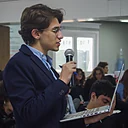 Ioannis Dimitriadis

Past editions

Organizers
More MUN conferences
GreeceMUN conferences in Greece EuropeMUN conferences in Europe February 2027MUN conferences in February 2027 High school MUNMUN conferences for high school students
ConferencesGreecePyleaMUN 2027