OxfordMUN Canada 2025

OxfordMUN Canada

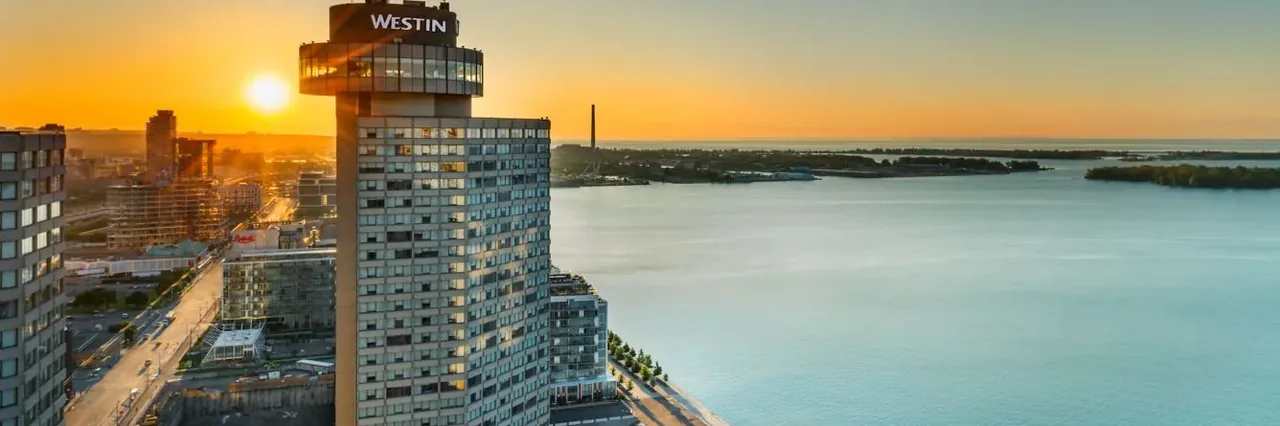
Apr 18–20, 2025 Toronto, Canada

OxfordMUN Canada

Conference

Apr 18–20, 2025

1,200 delegates expected

High school students

In English

About

OxfordMUN's First Conference in North America

Join us from Friday April 18 to Sunday April 20, 2025 for OxfordMUN’s first Canadian conference taking place in Toronto, Ontario. A truly groundbreaking conference for the Canadian Model UN circuit, OxfordMUN Canada invites delegates from across the world to participate in sharing unique perspectives, solving challenging multilateral issues, and raising innovative solutions.

OxfordMUN is one of the world’s most famous and established MUN conferences, and is renowned for its deep commitment to academic excellence. Through OxfordMUN Canada, we bring not only rich diplomatic traditions from Oxford University’s best students, graduates, and Model UN experts, but invaluable experience, institutional knowledge, and prestige. 

Delegates at OxfordMUN Canada can expect to receive high-quality educational and competitive experiences through a broad selection of committees, ranging from tackling systemic and global environmental challenges under the UNEP, regional disputes within the African Union, to high-stress and high-risk conflicts in the large-scale military crisis. Join us for Canada’s most ambitious Model UN conference, and cement your legacy in our tournament of champions.

Committees

    1. Topic A: Deep Sea Mining: Balancing Resource Extraction and Marine Ecosystem Protection
    2. Topic B: Geoengineering: Balancing Climate Innovation with Global Risks

    United Nations Environment Programme

    English

    Topics

    1. Topic A: Deep Sea Mining: Balancing Resource Extraction and Marine Ecosystem Protection
    2. Topic B: Geoengineering: Balancing Climate Innovation with Global Risks

    About the committee

    Founded in 1972, The United Nations Environment Programme (UNEP) is the leading global authority on the environment, with a focus on issues of sustainable development. UNEP works on global tracking of ecosystems, conveys information on environmental challenges, and makes treaties on the environment, such as the Paris Agreement. This committee will focus on deep sea mining and geoengineering; two incredibly relevant topics in today’s political landscape. Deep sea mining, or DSM, is incredibly controversial among environmental scientists and policymakers. It involves mining the deep sea for the minerals necessary to power decarbonization. This mining also has the potential to damage ecosystems and become a regulatory nightmare, leading to conflict between developing and developed nations. Delegates must balance the positives and negatives of DSM in order to ensure a secure and sustainable future for all. Meanwhile, geoengineering involves the scientific manipulation of Earth’s natural systems in order to fight climate change. Unfortunately, geoengineering may also threaten natural weather patterns in the process, leading to mass drought in certain areas of the globe. The UNEP at OxfordMUN 2025 will follow the standard Rules of Procedure for General Assemblies. It is expected that delegates accurately represent their nation’s foreign policy.

    Countries

    How this committee type works
    1. Topic A: Natural Disaster Responsiveness and Efficiency
    2. Topic B: Global Infrastructure Development and Trade Routes

    United Nations Development Programme

    English

    Topics

    1. Topic A: Natural Disaster Responsiveness and Efficiency
    2. Topic B: Global Infrastructure Development and Trade Routes

    About the committee

    Established in 1965, the United Nations Development Programme includes 170 member states in the battle against growing wealth inequality and eradicating poverty worldwide. There are a multitude of factors that have to be accounted for to help a country develop, from economic policy to environmental sustainability, the UNDP has many different problems to address. In this committee, delegates will solve 2 pressing issues. First, Natural Disaster Responsiveness and Efficiency, and second, Global Infrastructure Development and Trade Routes. Natural disasters are extremely common for certain countries, with developing countries facing most of the burden. Earthquakes, droughts, and other natural disasters create many climate refugees. Delegates are expected to address the root causes, as well as the outcomes of these main issues. Global trade routes connect continents and help countries expand their markets. Global trade routes can be innovated to aid landlocked countries with little access to trade heavily, and lack structures of loans. Main trade corridors like the Strait of Malacca, the Suez Canal, and the Belt and Road Initiative are crucial in ensuring supply chains work well. On the contrary, geopolitical instability, piracy, deficiencies in physical infrastructure, and environmental degradation confront their stability. Climate change also impacts trade routes with severe weather and sea level rise over time. At OxfordMUN 2025, UNDP will follow the standard Rules of Procedure. Delegates will have to make creative solutions to combat these topics, and collaboration will be key to the success of robust policy.

    Countries

    How this committee type works
    1. Topic A: The Role of Alternative Medicine in the Advancing International Healthcare System
    2. Topic B: Addressing Involuntary Treatment in Global Healthcare

    World Health Organization

    English

    Topics

    1. Topic A: The Role of Alternative Medicine in the Advancing International Healthcare System
    2. Topic B: Addressing Involuntary Treatment in Global Healthcare

    Countries

    How this committee type works
    1. Topic A: Combating the Illegal Arms Industry in the Sahel Region
    2. Topic B: Revitalizing UN Peacekeeping Operations

    Disarmament and International Security Committee

    English

    Topics

    1. Topic A: Combating the Illegal Arms Industry in the Sahel Region
    2. Topic B: Revitalizing UN Peacekeeping Operations

    About the committee

    Established in 1945, DISEC mainly establishes principles of cooperation in the maintenance of international peace and security. DISEC was also considered to be the first established committee in the UN to respond to the need for an international forum to discuss peace and security issues among the international community. This year, the committee will focus on two troubling topics; Combating the Illegal Arms Industry in the Sahel Region, and Revitalizing UN Peacekeeping Operations. These two topics are extremely prevalent and will have a detrimental impact on a global scale if not addressed effectively and efficiently. The illegal arms trade in the Sahel region fuels instability, perpetuates armed conflict, and undermines development. Issues such as weak governance and ongoing insurgencies enable the proliferation of illegal weapons, which empower extremist groups and criminal networks. These arms exacerbate violence, making peacekeeping and humanitarian efforts increasingly challenging. The revitalization of UN peacekeeping operations is necessary for the evolving complexities of conflicts happening around the world. It has been a common issue that UN peacekeepers have failed to follow their policy, and even abused human rights. Innovation and adaptation are some of the ways the UN peacekeeping force can be better positioned to maintain physical international peace and security in an increasingly interconnected world. At OxfordMUN 2025, The Disarmament and International Security Committee (DISEC) will utilize the standard General Assembly rules of procedure. Delegates are expected to follow foreign policy when creating solutions.

    Countries

    How this committee type works
    1. Topic A: African Currency Reform
    2. Topic B: The GMO Debate

    African Union

    English

    Topics

    1. Topic A: African Currency Reform
    2. Topic B: The GMO Debate

    About the committee

    The African Union stands as an organization of 55 member states, founded on July 9th, 2002, as the successor to the Organization of African Unity. It stands as a bulwark of Pan-Africanism and fosters continental unity between African States. The African Union is an administrative behemoth, with many different committees, subcommittees, and affiliated organizations, such as the Executive Council, Peace and Security Council, and the Pan-African Parliament. Currently, the African Union is in an uneasy position, with deep divisions between member states. Several states have been suspended due to issues on which governments are legitimate, and which ones are not. Now, 2 major divisions stem from the issues the African Union will be discussing today. The first is the debate surrounding the economic integration of states. For years, it has been proposed that Africa united under one currency- the Afriq/Afro. Proponents of the currency state that it will greatly boost inter-continental trade, however not all member states are as enthusiastic, citing fears of prioritizing some nations over others, and restrictions on the ability to modify interest rates during economic crises. The second is the role of Genetically Modified Organisms (GMOs). While many countries have begun to embrace GMOs in the name of greater crop yields and financial benefits, some nations hold concerns regarding seed sovereignty and fears of health issues. Thus, it will be up to delegates to aim to unify policies from currencies to crops for a better future across the continent.

    Countries

    How this committee type works
    1. Topic A: Revisiting Climate Financing
    2. Topic B: Reforming Long Term Care for Seniors

    Economic and Financial Committee

    English

    Topics

    1. Topic A: Revisiting Climate Financing
    2. Topic B: Reforming Long Term Care for Seniors

    About the committee

    Established in 1945, the Economic and Financial Committee (ECOFIN) stands strong as one of the 5 major pillars of the United Nations General Assembly. It is the committee responsible for the promotion of economic growth and proposes ideas to combat complex issues like inflation, economic growth and development, along with other components of global macroeconomic policy. Delegates will participate in a simulation of the 80th session of ECOFIN, with 2 primary topics that need to be addressed. The first is the contentious issue of climate financing. As climate change begins to ravage several nations, with economic impacts starting to show, many developing countries have called for support financially to mitigate these effects. Given the failure of COP 29 negotiations, delegates must re-evaluate climate financing models and amounts, and navigate the constraints of developed nations and demands from developing ones. Meanwhile, in the Asia-Pacific, demographic issues have begun to pile up, causing great harm to the economies of many nations. Elderly care costs are expected to rise exponentially, as more and more nations' birthrates go down, as a large portion of the population ages. Delegates need to consider proper financing models for Long Term Care facilities, and how to improve elderly care for the future, in preparation for the demographic storm that is to come.

    Countries

    How this committee type works
    1. Topic A: UK-India FTA Negotiations post-Brexit
    2. Topic B: Reformation of United Kingdom's Law Enforcement System

    UK Parliament

    English

    Topics

    1. Topic A: UK-India FTA Negotiations post-Brexit
    2. Topic B: Reformation of United Kingdom's Law Enforcement System

    About the committee

    For over half a century, the Parliament of the United Kingdom has stood as one of the pillars of England, and later, Britain's political system. Once a mere advisory body for the monarch, it has grown to become the de facto decision making body inside the UK. Representatives from all across the isles, England, Wales, Scotland and Northern Ireland gather to make decisions that will shape the entire nation, with around 650 representatives in total. Traditionally, the House of Commons writes bills, or legislation that is able to be enforced by the government. They set the budget and can impose taxes across the nation, being the only Specialized Agency to be able to enforce its own legislation. The House of Commons also has extremely unique rules of procedure, known as the "Westminster system”. Delegates will be able to heckle during question periods, participate in multiple readings of bills and experience the unique procedure of Parliament. Now, it is up to delegates to resolve 2 new issues that are plaguing the United Kingdom. If delegates aren’t able to solve these issues, there will be great social and economic implications for the nation moving forward, and it is imperative to resolve these problems. The first is the Free-Trade deal planned between the UK and India. The United Kingdom and India have strong economic ties, with India being one of the main investors into the UK. The finalization of the Free-Trade deal would greatly increase economic activity between the two nations, however, disputes on the specific details of the deal, from farming tariffs to laws on investment keep the deal from being finalized. The other pressing issue that the UK is facing is the degradation of the law enforcement. From overcrowding in prisons, staffing inadequacies and debates on the power of police after response to the August 2024 riots, the law enforcement system has come under harsh scrutiny. It is up to delegates to decide what the best path forward for the UK is in order to address these pressing issues, lest great consequences will land upon the nation’s shoulders.

    Countries

    1. Topic A: Net Neutrality
    2. Topic B: Regulating E-Health Services

    International Telecommunication Union

    English

    Topics

    1. Topic A: Net Neutrality
    2. Topic B: Regulating E-Health Services

    About the committee

    With the rise of computers and the digital age, telecommunications has never been more advanced, with billions of messages and emails sent across the world in a matter of mere seconds. However, with the rapid development of internet services across the globe, regulation has failed to catch up. The International Telecommunication Union is the primary regulatory agency for telecommunications services around the world, with a history even older than the United Nations itself. The committee normally deals with the global radio spectrum regulations, satellite communications and access to broadband across the world. With thousands of companies and hundreds of nations involved in the ITU, each actor has a different view of what progress on the internet should look like, and a different agenda to push. This committee will challenge delegates to think about the future of a free and open internet; the topic of net neutrality, and whether Internet service providers are obligated to treat this policy as sacrosanct. Another issue is also brewing in regards to digital health after the Covid-19 pandemic. Even though the Covid-19 pandemic has faded away from the present, e-health services have not, which comes with issues like lack of accessibility to certain technologies, and rampant online health misinformation. The decisions that nations make in the conference room will ripple out across the stage that is broadband for decades to come, and will either propel the internet and healthcare to a new age of prosperity, or will lead to the erosion of systems and weaken the worldwide web as a whole.

    Countries

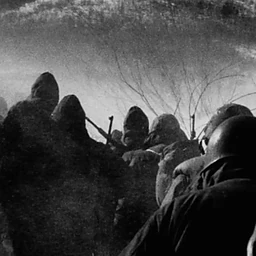
  • Darkness looms above in the skies. Has it already become night? Only a scant few months ago, the sky was blue, full of beauty, and birds. Birds. Birds! One cannot imagine birds today nor can one imagine beauty, for they have long forsaken these lands, and in their absence, only horror remains. I thought we, the people of Korea, could possess joy, freedom, liberty! I wish for those days back, the days of my naivete, the days when I dreamed. For dreams no longer wish to abide in me, as they too have fled. I cannot blame them, I am but a hollow shell of what I used to be. I remember, as a kid, seeing the roll of the T-34s. I had never seen such a thing, the shock on my face, for our liberation was at hand. At least, that is what I thought. Look at me now, fighting the very thing that was my supposed savior. How ironic. Chairman Kim, supported by the Soviet Union and the People’s Republic of China, invaded our homeland. They did this under the flag of “democracy”, under the flag of the “Democratic People's Republic of Korea,” which soon adopted the ideology of totalitarianism and the purging of democracy seen in their allies. As with everything in that “democratic republic,” it reeked of hypocrisy and irony. Yet, I suppose not all hope is yet lost. The United Nations Security Council recently condemned the absurd invasion - and may I say, rightfully so, as so would any with principles. So here I am, fighting, desperately attempting to survive. Maybe this is the last I will write, maybe all of this is for naught, maybe I am a fool for fighting as so many have said, I do not know. Yet, I continue to resist, I continue to fight, I hope—no pray that our salvation shall soon be upon us. The year is 1950, and North Korea’s brutal surprise invasion of South Korea has absolutely decimated us. Hundreds of thousands of citizens were left dead or displaced as North Korea fought through people and buildings alike in their conquest for a united Korean Peninsula under their rule. The United Nations has been called in to assist the Republic of Korea — or at least what’s left of it. You, delegates, will be in charge of defending democracy in Korea and preventing the spread of communism in Asia. This often overlooked conflict led to the first ever UN military intervention force as major powers quickly took action to support each side. This began as a battle of ideologies between socialist and democratic nations, which is now spiraling into a conflict which will lead to the deaths of millions, as the most powerful nations in the world seek to spread their influence in the region. Delegates in this committee will be tested through their ability to take the initiative, proficiency with military and operational strategy, and critical thinking as they overcome numerous challenges in an attempt to reunite the Korean peninsula once and for all. OxfordMUN Canada is also proud to announce that this committee will be the most hyper-realistic Model UN military crisis simulation ever created. In this committee, real-life military personnel or professionals will be present in both the front room and backroom, providing insight, commentary, and realism that would otherwise be inaccessible for a standard dias. As delegates engage and debate in a hyper realistic war simulation, an expert on the matter will be giving his insight and feedback on the content discussed. At the same time, another expert will be overlooking all crisis events in the backroom, to truly provide an experience which may have actually occurred in real life. Beware, delegates, as the fate of the Korean peninsula now lies in your hands. Whether the peninsula falls into the hands of communist rule, or prevails in the face of war is now in your hands… Welcome to OxfordMUN’s most immersive crisis experience ever.

    Korean War

    English

    About the committee

    Darkness looms above in the skies. Has it already become night? Only a scant few months ago, the sky was blue, full of beauty, and birds. Birds. Birds! One cannot imagine birds today nor can one imagine beauty, for they have long forsaken these lands, and in their absence, only horror remains. I thought we, the people of Korea, could possess joy, freedom, liberty! I wish for those days back, the days of my naivete, the days when I dreamed. For dreams no longer wish to abide in me, as they too have fled. I cannot blame them, I am but a hollow shell of what I used to be. I remember, as a kid, seeing the roll of the T-34s. I had never seen such a thing, the shock on my face, for our liberation was at hand. At least, that is what I thought. Look at me now, fighting the very thing that was my supposed savior. How ironic. Chairman Kim, supported by the Soviet Union and the People’s Republic of China, invaded our homeland. They did this under the flag of “democracy”, under the flag of the “Democratic People's Republic of Korea,” which soon adopted the ideology of totalitarianism and the purging of democracy seen in their allies. As with everything in that “democratic republic,” it reeked of hypocrisy and irony. Yet, I suppose not all hope is yet lost. The United Nations Security Council recently condemned the absurd invasion - and may I say, rightfully so, as so would any with principles. So here I am, fighting, desperately attempting to survive. Maybe this is the last I will write, maybe all of this is for naught, maybe I am a fool for fighting as so many have said, I do not know. Yet, I continue to resist, I continue to fight, I hope—no pray that our salvation shall soon be upon us. The year is 1950, and North Korea’s brutal surprise invasion of South Korea has absolutely decimated us. Hundreds of thousands of citizens were left dead or displaced as North Korea fought through people and buildings alike in their conquest for a united Korean Peninsula under their rule. The United Nations has been called in to assist the Republic of Korea — or at least what’s left of it. You, delegates, will be in charge of defending democracy in Korea and preventing the spread of communism in Asia. This often overlooked conflict led to the first ever UN military intervention force as major powers quickly took action to support each side. This began as a battle of ideologies between socialist and democratic nations, which is now spiraling into a conflict which will lead to the deaths of millions, as the most powerful nations in the world seek to spread their influence in the region. Delegates in this committee will be tested through their ability to take the initiative, proficiency with military and operational strategy, and critical thinking as they overcome numerous challenges in an attempt to reunite the Korean peninsula once and for all. OxfordMUN Canada is also proud to announce that this committee will be the most hyper-realistic Model UN military crisis simulation ever created. In this committee, real-life military personnel or professionals will be present in both the front room and backroom, providing insight, commentary, and realism that would otherwise be inaccessible for a standard dias. As delegates engage and debate in a hyper realistic war simulation, an expert on the matter will be giving his insight and feedback on the content discussed. At the same time, another expert will be overlooking all crisis events in the backroom, to truly provide an experience which may have actually occurred in real life. Beware, delegates, as the fate of the Korean peninsula now lies in your hands. Whether the peninsula falls into the hands of communist rule, or prevails in the face of war is now in your hands… Welcome to OxfordMUN’s most immersive crisis experience ever.

    Countries

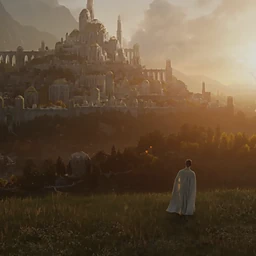
  • Mountains rise, ever reaching towards the clouds. In the skies, birds, eagles, and nature itself sings, unaware of the coming dusk. Thunder roars in the distance, the movement of horses, hooves, ever becoming more clear, and yet the melodic tune of nature remains unbroken. Alas, these are no mere hooves, for they are hooves of war, the march of the horsemen of the coming apocalypse. The harmonious tune is replaced by a deafening silence. Darkness extinguishes the sun across all of Middle-earth, the respite of the shining sun, reduced to a faint memory. For these are no mere horsemen, they are the Nine, the Nine Black Riders. Once great kings of Men, now merely servants of the One, the Nazgûl. For they were deceived, deceived like the razed Elves of Eregion, deceived like ruins of the Dwarvish Kingdom of Dwarrowdelf. They were promised glory, riches, and eternal life, promised Nine Rings, Nine Rings of Power, and yet they have been reduced to wraiths of the Dark Lord, Sauron, Sauron the Deceiver. For in secret, the Dark Lord forged a master-ring, a Ring of Power which could control all the others. One Ring to rule them all. The Dark Lord has marshaled his forces, prepared for his final assault on Middle-earth. Harad, Rhûn, Khand - one cannot count all which has fallen to darkness. Númenor, the shining kingdom of Man, is all but forgotten, its legacy, the Kingdoms of Gondor and Arnor, a shadow of their former selves. Shadows engulf the sky, yet one more star continues to radiate. Imladris. For the last of the Free Peoples of Middle Earth have gathered, and with it, hope is not yet lost. Yet, upon the eve of the Last Days of Middle-earth, as the sky further darkens, all can hear it. The slow, ever increasing, ticks of the clock. Time inches towards midnight, tick after tick, and soon, only darkness will remain. Shall the Sun arise from its slumber, or will it be snuffed out, leaving only darkness behind? Will it ever be morning again, or shall the night reign eternally? That, my dear friend, is up to you.
    Lord of the Rings

    English

    About the committee

    Mountains rise, ever reaching towards the clouds. In the skies, birds, eagles, and nature itself sings, unaware of the coming dusk. Thunder roars in the distance, the movement of horses, hooves, ever becoming more clear, and yet the melodic tune of nature remains unbroken. Alas, these are no mere hooves, for they are hooves of war, the march of the horsemen of the coming apocalypse. The harmonious tune is replaced by a deafening silence. Darkness extinguishes the sun across all of Middle-earth, the respite of the shining sun, reduced to a faint memory. For these are no mere horsemen, they are the Nine, the Nine Black Riders. Once great kings of Men, now merely servants of the One, the Nazgûl. For they were deceived, deceived like the razed Elves of Eregion, deceived like ruins of the Dwarvish Kingdom of Dwarrowdelf. They were promised glory, riches, and eternal life, promised Nine Rings, Nine Rings of Power, and yet they have been reduced to wraiths of the Dark Lord, Sauron, Sauron the Deceiver. For in secret, the Dark Lord forged a master-ring, a Ring of Power which could control all the others. One Ring to rule them all. The Dark Lord has marshaled his forces, prepared for his final assault on Middle-earth. Harad, Rhûn, Khand - one cannot count all which has fallen to darkness. Númenor, the shining kingdom of Man, is all but forgotten, its legacy, the Kingdoms of Gondor and Arnor, a shadow of their former selves. Shadows engulf the sky, yet one more star continues to radiate. Imladris. For the last of the Free Peoples of Middle Earth have gathered, and with it, hope is not yet lost. Yet, upon the eve of the Last Days of Middle-earth, as the sky further darkens, all can hear it. The slow, ever increasing, ticks of the clock. Time inches towards midnight, tick after tick, and soon, only darkness will remain. Shall the Sun arise from its slumber, or will it be snuffed out, leaving only darkness behind? Will it ever be morning again, or shall the night reign eternally? That, my dear friend, is up to you.
    Countries

    How this committee type works

More MUN conferences

ConferencesCanadaOxfordMUN Canada 2025