NORMUN 2027 banner

NORMUN 2027

Nordic Model United Nations

May 6–8, 2027 Ystad, Sweden

Nordic Model United Nations

Next deadline Apr 1, 2027 for chairs

Conference

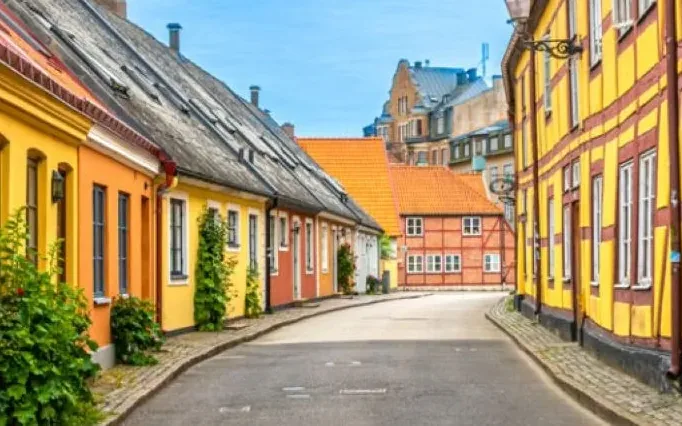
Ystad, Sweden·Europe

May 6–8, 2027

200 delegates expected

High school students

In English

Applications

Open
  • ChairsNov 19, 2026 – Apr 1, 2027Open
  • Delegates, Head delegatesNov 20, 2026 – Apr 29, 2027Open
  • Faculty advisors, ObserversNov 19, 2026 – Apr 29, 2027Open

About

Diplomacy over Division

NORMUN 2027 – Bigger Ideas. Smaller Committees. Stronger Diplomacy.

6–8 May 2027 | Ystad, Sweden

Building on experience. Raising the standard.

Following the success of our inaugural conference in 2026, Nordic Model United Nations (NORMUN) is returning 6–8 May 2027 with a renewed vision and an even stronger commitment to delivering an exceptional Model UN experience.

Our first conference taught us valuable lessons, and we are putting those lessons into action. For NORMUN 2027, we are prioritizing quality over quantity.

This year, we are introducing a more focused conference structure, with fewer committees and approximately 15–20 delegates per committee. Smaller committees will allow for more meaningful participation, stronger debate, closer collaboration, and greater opportunities for every delegate to make their voice heard.

Our committees will be led by experienced chairs, with carefully selected, thought-provoking topics designed to challenge delegates, encourage critical thinking, and inspire genuine diplomatic negotiation.

Above all, we believe that academic rigor and enjoyment should go hand in hand. Whether you are attending your very first MUN conference or are an experienced delegate looking for your next challenge, NORMUN 2027 will offer an inclusive, supportive, and intellectually stimulating environment where delegates of different experience levels and abilities can thrive.

NORMUN follows Harvard-style Model United Nations rules of procedure, emphasizing dynamic debate, moderated and unmoderated caucuses, strategic negotiation, and delegate-driven resolution writing. This format encourages active participation, critical thinking, and diplomacy while providing delegates with a challenging and rewarding conference experience.


And the experience doesn't end when committee sessions finish!


Following the excitement of last year's social events, our delegate dance is making a comeback—and we're planning an even bigger, more energetic celebration than before! Expect an unforgettable evening of music, dancing, and opportunities to make new friends from across the international MUN community.

We are also excited to announce that our closing ceremony will feature special guest speakers with real-world United Nations experience! Delegates will have the unique opportunity to hear from individuals who have experienced international diplomacy firsthand, gaining valuable insights into the work of the UN and the challenges of global cooperation.

From engaging debates and meaningful diplomacy to inspiring speakers and an unforgettable delegate dance, NORMUN 2027 promises to be an experience you won't want to miss.

Fewer committees. Deeper debates. Greater opportunities. Unforgettable memories.

Join us 6–8 May 2027 in beautiful Ystad, Sweden, as we take NORMUN to the next level!


Committees

  • 25 countries
    1. The Death Penalty and National Judicial Sovereignty
    2. Protecting Journalists and Press Freedom in Conflict and Authoritarian Contexts

    Human Rights Council (HRC)

    Intermediate · English · 25 countries

    Topics

    1. The Death Penalty and National Judicial Sovereignty
    2. Protecting Journalists and Press Freedom in Conflict and Authoritarian Contexts

    About the committee

    Topic A: The Death Penalty and National Judicial Sovereignty Capital punishment remains one of the most deeply contested issues in international human rights law. While a growing majority of states have abolished the death penalty, others maintain its use for serious offenses, citing deterrence, public safety, and domestic legal sovereignty. Delegates must debate international moratoriums, procedural safeguards, transparency in executions, and the balance between universal human rights treaties and national justice systems. Topic B: Protecting Journalists and Press Freedom in Conflict and Authoritarian Contexts Journalists and media workers face unprecedented threats worldwide, including targeted violence in war zones, arbitrary detention, transnational repression, and digital spyware surveillance. Attacks on press freedom directly undermine accountability and the public’s right to information. Delegates must establish stronger international protection mechanisms, combat impunity for crimes against journalists, and safeguard independent reporting both offline and online.

    Countries

    How this committee type works
  • 25 countries
    1. Eliminating Female Genital Mutilation Through International Cooperation and Legal Reform
    2. Ensuring Access to Safe Abortion: Reproductive Rights and National Sovereignty

    Committee on the Status of Women

    Intermediate · English · 25 countries

    Topics

    1. Eliminating Female Genital Mutilation Through International Cooperation and Legal Reform
    2. Ensuring Access to Safe Abortion: Reproductive Rights and National Sovereignty

    About the committee

    Topic A: Eliminating Female Genital Mutilation Through International Cooperation and Legal Reform Female Genital Mutilation (FGM) remains a severe violation of the human rights, health, and bodily integrity of millions of women and girls globally. Despite international commitments—including Sustainable Development Goal 5.3 calling for the elimination of all harmful practices by 2030—enforcement gaps, cross-border circumvention of national bans, and deeply rooted social norms continue to hinder eradication efforts. Delegates in the Commission on the Status of Women must examine how Member States can strengthen domestic legislation, expand access to survivor-centered healthcare and psychosocial support, and empower community-led education initiatives. Furthermore, the committee will explore frameworks for cross-border legal and law enforcement cooperation to protect at-risk girls and accelerate lasting cultural change. Topic B: Ensuring Access to Safe Abortion: Reproductive Rights and National Sovereignty Access to safe abortion and comprehensive reproductive healthcare remains one of the most complex and debated issues in global health and human rights policy. Disparities in national legislation, healthcare infrastructure, and socioeconomic access directly affect maternal mortality rates, bodily autonomy, and gender equality worldwide. While international human rights frameworks and public health bodies emphasize the link between reproductive healthcare and fundamental rights, Member States hold varying legal, constitutional, cultural, and ethical perspectives regarding state sovereignty and domestic regulation. Delegates must navigate these differing national positions to establish practical recommendations on maternal healthcare standards, emergency medical access, family planning education, and international cooperation while respecting the mandate of the Commission.

    Countries

    How this committee type works
  • 20 countries
    1. Dismantling Organized Crime Syndicates Behind Transnational Sex Trafficking
    2. Stemming the Global Synthetic Drug Crisis and Precursor Chemical Trafficking

    United Nations Office on Drugs and Crime (UNODC)

    English · 20 countries

    Topics

    1. Dismantling Organized Crime Syndicates Behind Transnational Sex Trafficking
    2. Stemming the Global Synthetic Drug Crisis and Precursor Chemical Trafficking

    About the committee

    Topic A: Dismantling Organized Crime Syndicates Behind Transnational Sex Trafficking Transnational sex trafficking remains one of the fastest-growing and most profitable illicit industries worldwide. Organized criminal networks exploit weak border controls, corruption, and economic vulnerability to traffic victims across international borders. Delegates must strengthen cross-border police task forces, disrupt illicit financial flows, prosecute corrupt officials, and expand legal and humanitarian protections for survivors. Topic B: Stemming the Global Synthetic Drug Crisis and Precursor Chemical Trafficking Unlike traditional plant-based narcotics, synthetic drugs such as fentanyl, captagon, and nitazenes can be manufactured rapidly in hidden laboratories using easily transported chemical ingredients. This shift has fueled deadly public health emergencies while empowering agile transnational cartels. Delegates must negotiate stricter international controls on precursor chemicals, improve border detection, and coordinate global law enforcement to dismantle synthetic drug supply chains.

    Countries

    How this committee type works
  • 45 countries
    1. Regulating Private Military Companies (PMCs) and Mercenary Forces in Modern Conflicts
    2. Preventing a New Nuclear Arms Race After the Collapse of Cold War Treaties

    General Assembly (GA1)

    English · 45 countries

    Topics

    1. Regulating Private Military Companies (PMCs) and Mercenary Forces in Modern Conflicts
    2. Preventing a New Nuclear Arms Race After the Collapse of Cold War Treaties

    About the committee

    Topic A: Regulating Private Military Companies (PMCs) and Mercenary Forces in Modern Conflicts The growing use of private military companies and mercenary networks has transformed modern warfare, allowing states and non-state actors to wage proxy conflicts with limited legal accountability. Operating in legal gray zones, these forces have been linked to human rights abuses, resource exploitation, and prolonged instability across multiple regions. Delegates must establish clearer international definitions, strengthen oversight and accountability mechanisms, and regulate the cross-border deployment of private armed forces. Topic B: Preventing a New Nuclear Arms Race After the Collapse of Cold War Treaties With landmark bilateral arms control agreements expiring or suspended, the world faces the risk of an unconstrained nuclear arms race. Rapid advancements in hypersonic missiles, tactical nuclear weapons, and multi-domain deterrence have heightened mistrust among major powers while undermining global non-proliferation norms. Delegates must negotiate transparency measures, missile testing restrictions, and renewed multilateral dialogue to reduce nuclear risks and prevent strategic escalation.

    Countries

    How this committee type works
  • 15 countries
    1. Post-Revolution Syria & Regional Stability
    2. Maritime Sovereignty in the South China Sea

    Security Council

    Expert · English · 15 countries

    Topics

    1. Post-Revolution Syria & Regional Stability
    2. Maritime Sovereignty in the South China Sea

    About the committee

    Topic A: Post-Conflict Stabilization and Regional Security in Syria Following over a decade of devastating civil war and profound political shifts, Syria stands at a critical crossroads between fragile transition and renewed fragmentation. While major hostilities have reshaped the territorial landscape, the country continues to face severe humanitarian crises, economic collapse, fragmented security control, and the persistent threat of extremist resurgence. Competing regional and international interests—spanning border security, foreign military presences, sanctions relief, and the safe return of millions of refugees—complicate efforts toward lasting peace. Delegates in the Security Council must balance Syrian sovereignty with international oversight, determining how to support inclusive governance, coordinate humanitarian reconstruction, and prevent regional spillover into the broader Middle East. Topic B: Maritime Sovereignty and Freedom of Navigation in the South China Sea As one of the world’s most vital maritime trade corridors and a region rich in natural resources, the South China Sea has become a focal point of intense geopolitical rivalry. Overlapping territorial claims, island-building, gray-zone maritime tactics, and contested interpretations of the United Nations Convention on the Law of the Sea (UNCLOS) have led to escalating naval and coast guard standoffs. These tensions directly impact regional ASEAN claimant states while drawing in major global powers over issues of freedom of navigation and overflight. Delegates must work to establish crisis de-escalation mechanisms, uphold international maritime law, and prevent localized incidents from spiraling into broader military conflict in the Indo-Pacific.

    Countries

    How this committee type works
  • 20 countries
    1. Strengthening Global Pandemic Preparedness and Ensuring Equitable Access to Vaccines
    2. Protecting Adolescent Mental Health in the Digital Age: Social Media Regulation and Government Responsibility
    World Health Organization (WHO)

    Intermediate · English · 20 countries

    Topics

    1. Strengthening Global Pandemic Preparedness and Ensuring Equitable Access to Vaccines
    2. Protecting Adolescent Mental Health in the Digital Age: Social Media Regulation and Government Responsibility
    About the committee

    Topic A: Combating Organ Trafficking and Ensuring Ethical Access to Transplantation The global shortage of organs available for transplantation has created profound inequalities in access to life-saving medical treatment while contributing to the emergence of illegal organ markets and exploitative transplant practices. Vulnerable populations, particularly those facing poverty, displacement, or inadequate healthcare protections, are at increased risk of exploitation. At the same time, disagreements over organ donation systems, financial compensation, medical tourism, and patient consent raise difficult ethical and legal questions. Delegates in the World Health Organization must examine how Member States can strengthen international oversight of transplantation systems, prevent organ trafficking, expand ethical organ donation, and ensure equitable access to life-saving procedures while respecting national healthcare policies and fundamental human rights. Topic B: Protecting Adolescent Mental Health in the Digital Age: Social Media Regulation and Government Responsibility As social media platforms, artificial intelligence, and digital technologies become increasingly integrated into young people's lives, concerns about their effects on adolescent mental health have become a growing international public health priority. Cyberbullying, exposure to harmful content, problematic social media use, and algorithm-driven engagement have intensified calls for stronger government intervention. However, proposed measures such as mandatory age restrictions, digital surveillance, and platform regulation raise concerns about privacy, freedom of expression, and young people's autonomy. Delegates must negotiate international recommendations on digital safety, corporate accountability, mental health education, and equitable access to psychological support while balancing government responsibility with individual rights.
    Countries

    How this committee type works

More MUN conferences

ConferencesSwedenNORMUN 2027