MEDMUN 2027

Mediterranean Model United Nations

Apr 9–11, 2027 Menton, France

Mediterranean Model United Nations

Next deadline Dec 29 for chairs

Conference

Menton, France·Europe

Apr 9–11, 2027

400 delegates expected

High school and university students

In English, Arabic, French, Greek, Italian and Spanish

Applications

Open
  • ChairsOct 27 – Dec 29, 2026Open
  • Delegates, Head delegates, Faculty advisorsOct 27, 2026 – Mar 14, 2027Open

About

Justice for All

In a world marked by conflict, inequality, displacement, and growing divisions, the pursuit of justice has never been more important. From ensuring equal rights and opportunities to holding institutions accountable and protecting those whose voices go too often unheard, building a more just world requires both courage and collective action.

Under this year’s theme, “Justice for All”, MEDMUN 2027 invites young leaders to question what justice means in an increasingly complex world. Delegates will explore how societies can respond to crises while protecting human dignity and ensuring that no voice is overlooked.

The theme places young people at the heart of this reflection. As future decision-makers, diplomats, and citizens, they have the opportunity to challenge systems that perpetuate injustice and imagine new approaches to the global issues of their time. Through debate and exchange, MEDMUN aims to create a space where different perspectives on justice can meet, confront one another, and ultimately contribute to a more equitable future.

What is MEDMUN? 

The Mediterranean Model United Nations (MEDMUN) is a student-led international conference bringing together ambitious and engaged students from every corner of the world. Each year, MEDMUN creates a unique space for young people to engage in meaningful debate and work collectively towards solutions to some of the most pressing challenges facing our societies.

We are pleased to announce that applications for the 15th edition of MEDMUN are officially open!

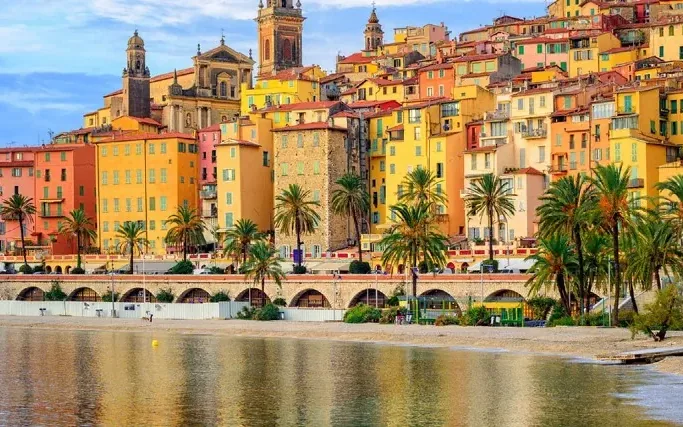
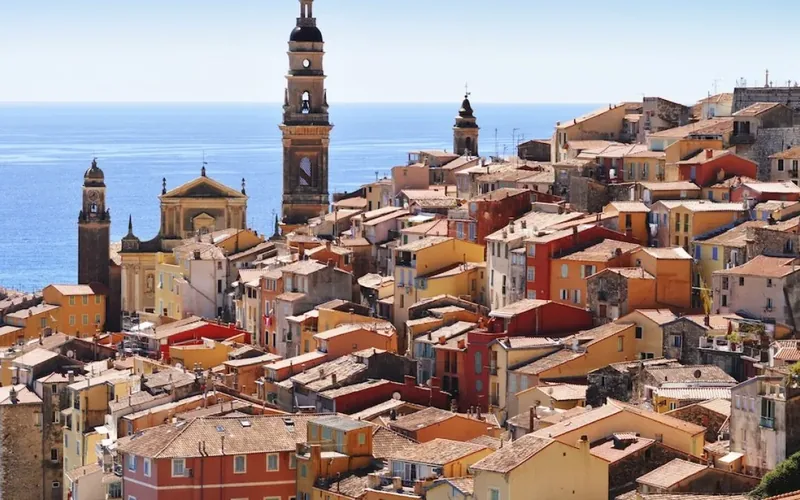
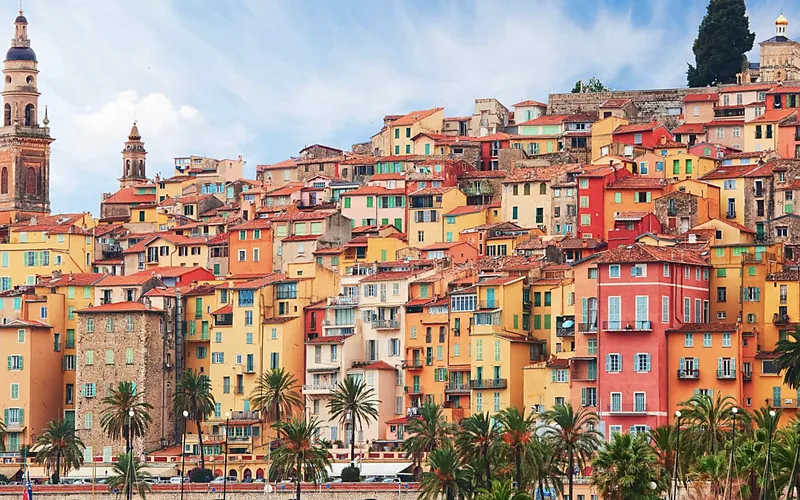
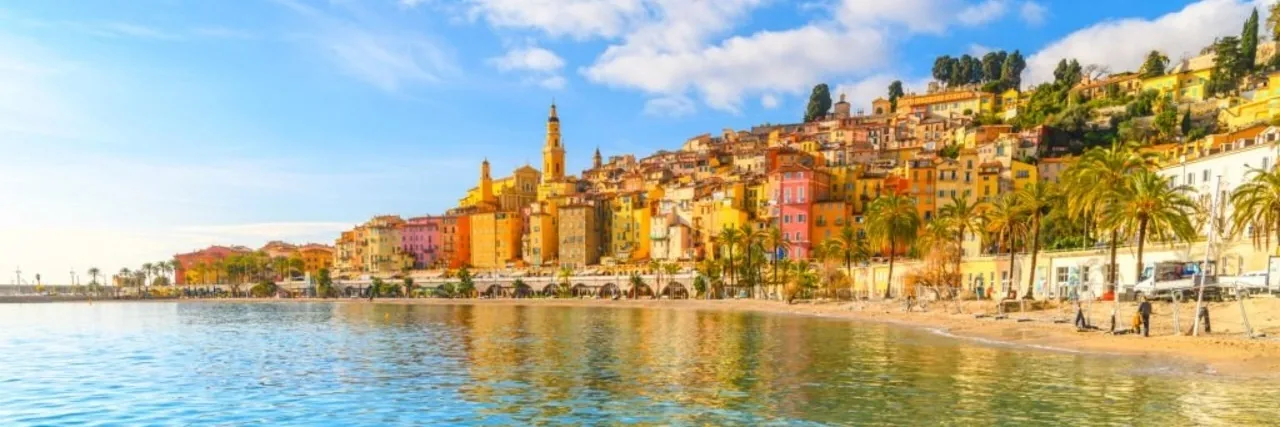
Taking place from April 9 to 11, 2027, MEDMUN will be hosted at Sciences Po Paris’ Mediterranean and Middle Eastern campus in Menton. Set against the sun-kissed shores of the French Riviera, the conference provides an exciting chance for its attendees to delve into globally emergent issues within the framework of the Mediterranean and Middle East regions, and well beyond. The conference offers delegates the opportunity to experience the academic excellence and international environment of Sciences Po while discovering Menton, the charming seaside town located at the heart of the Mediterranean, the “Pearl of France.”

This year’s conference will feature 21 committees, including 5 crisis committees, 2 courts, the International Press Forum, and the Conseil MUNicipal. Across these committees, delegates will have the opportunity to debate and negotiate in the six languages of the Mediterranean region: French, English, Arabic, Italian, Spanish, and Greek.

The conference will also provide delegates with the opportunity to learn directly from experts in the fields explored throughout the weekend. Professionals will contribute to the opening ceremony as well as to various committees, sharing their expertise and offering a broader perspective on the issues at the heart of MEDMUN 2027.

Beyond its academic component, MEDMUN offers delegates the chance to immerse themselves in a multicultural atmosphere, where meaningful encounters extend well beyond the committee room. Delegates will be welcomed at the conference’s annual Opening Ceremony at Monaco’s Oceanographic Museum, before enjoying a complimentary drink to mark the start of the conference. The event will also feature cultural workshops and convivial apéro evenings to round off the day.

We warmly invite students, delegations, universities, high schools, and all members of the MUN community to join us for MEDMUN 2027.

Come meet the next generation of global leaders, exchange ideas across borders, and contribute to building collective responses to the challenges of our time!

Join us in Menton for MEDMUN 2027, where every voice can tip the scales for a peaceful tomorrow.

Please note that conference fees are payable only after acceptance. Once payment has been completed, delegates will be assigned to their respective committees. The maximum number of delegates per delegation is 15. 


Delegate Fees and Waves 

  • 1st wave : October 27, 2026 to December 28, 2026
18+ Delegate fee€93.00
Minors Delegate Fee€83.00
Sciences Po student fee€59.00
Online Committees Delegate fee€20.00
Chairs€51.00
  • 2st wave: December 29, 2026 until February 8, 2027
18+ Delegate fee€96.00
Minor delegate fee€86.00
Sciences Po student fee€63.00
Online Committees Delegate fee€20.00
  • 3rd wave: February 9, 2027 until  March 13, 2027
18+ Delegate fee€99.00
Minor delegate fee€89.00
Sciences Po student fee€65.00
Online Committees Delegate fee€20.00


About MEDMUN's Crisis Committees

MEDMUN's Crisis committees put delegates at the centre of rapidly unfolding events, where every decision can shift the course of a crisis. Predominantly set within the Mediterranean context, these committees bring a dynamic twist to the traditional MUN format. Each committee can be divided into one or two cabinets, each with its own chair, with delegates navigating a constantly changing relationship between cooperation and competition.

As the session unfolds, the backroom staff introduces new developments that delegates must respond to in real time. Plans can change in an instant, forcing delegates to adapt, think creatively, and make decisions under pressure. With the situation evolving throughout the committee, delegates have the freedom to shape events through their actions and strategies, making every crisis committee at MEDMUN an unpredictable and highly engaging experience.

What are MEDMUN's Online Committees?

MEDMUN's online committees provide students with the opportunity to participate in the conference remotely through MEDMUN Online, allowing delegates to take part in the debate sessions regardless of their ability to travel. Priority will be given to students who are unable to travel due to ongoing political and regional conflicts. By offering this online format, MEDMUN seeks to make participation accessible for students who may otherwise face barriers to attending in person.

(EN) MEDMUN 2027 OPENING CEREMONY POLICY

To guarantee a seat at the Opening Ceremony, participants must complete their registration by paying the full participation fee within 20 days of receiving their acceptance. Participants who complete their payment after this deadline may still attend the conference, but their attendance at the beginning of the Opening Cremony cannot be guaranteed.

(FR) MEDMUN 2027 POLITIQUE CÉRÉMONIE D’OUVERTURE 

Afin de guarantir une place lors de la cérémonie d’ouverture, les participants doivent finaliser leur inscription en réglant l’intégralité des frais de participation dans un délai de 20 jours suivant leur acceptation. Les participants effectuant leur paiement après ce délai pourront tout de même participer à la conférence, mais leur présence au début de la cérémonie d’ouverture ne pourra être garantie.

Committees

  • 19 countries
    1. Reforming Athenian institutions after the death of Pericles to counter rising populism and put citizens at the center of political life
    2. Voting on Athens’ budget for the coming year to fight poverty, combat the plague, restore moral order, and allocate the Delian League’s treasury in the context of the Peloponnesian War

    Ancient Athens, 429 BC: The Future of the Polis

    Intermediate · English · 19 countries

    Topics

    1. Reforming Athenian institutions after the death of Pericles to counter rising populism and put citizens at the center of political life
    2. Voting on Athens’ budget for the coming year to fight poverty, combat the plague, restore moral order, and allocate the Delian League’s treasury in the context of the Peloponnesian War

    About the committee

    Would you rather stand alongside Socrates to defend reason and civic virtue, challenge Cleon in the Assembly, or represent an ally questioning Athens’ imperial ambitions? Step into the shoes of an Athenian citizen in 429 BC, at a turning point in the history of democracy. After the death of Pericles, Athens is facing an unprecedented crisis. The Peloponnesian War against Sparta is raging, a devastating plague has shaken the city, and the political consensus that once held the democracy together is crumbling. With the future of Athens at stake, its citizens must decide what kind of city they want to rebuild. In this committee, delegates will confront two major challenges. First, they will have to reform Athenian institutions to fight the rise of populism and restore citizens’ trust in political life. Who deserves a voice in democracy? How should power be shared between the Assembly and its leaders? And what place should women, foreigners and other excluded groups have in the city? Second, delegates will have to vote on Athens’ budget for the year ahead. Between financing the war, combating the plague, fighting poverty and restoring civic and moral order through education, every decision will have consequences. Meanwhile, the members of the Delian League are questioning Athens’ leadership: should their contributions fund a common defense, or are they becoming the price of an Athenian empire? From political rivalry and philosophical debate to public health and financial dilemmas, every delegate will have a role to play in shaping the future of Athens. Will you defend tradition or demand reform? Prioritize victory or peace? Protect the interests of the powerful or put the poorest citizens first? To answer those thrilling questions, join the Conseil MUNicipal of MEDMUN 2027!

    Countries

  • 20 countries
    1. Gardez l’œil ouvert. D’ici la conférence, des indices seront glissés ici et là, pour qui saura les repérer

    Ad Hoc : L’Aube d’une nouvelle ère

    Intermediate · French · 20 countries

    Topic

    Gardez l’œil ouvert. D’ici la conférence, des indices seront glissés ici et là, pour qui saura les repérer

    About the committee

    La fin des années 70. Le monde semble figé dans l’équilibre fragile de la guerre froide, mais sous la surface, tout est sur le point de céder. En quelques mois à peine, une région entière va changer de visage, et ses répercussions se feront sentir pendant des décennies. À propos du sujet, vous ne saurez rien pour l’instant. Une chose est sûre, pourtant. Derrière des portes closes, des dirigeants que tout oppose s’apprêtent à se faire face, et de leurs discussions pourrait naître la paix comme une nouvelle guerre. Au même moment, la colère monte dans les rues, un pouvoir que l’on pensait inébranlable commence à se fissurer, et personne ne sait encore jusqu’où ira la tempête. Deux crises, une même région, une seule époque. Le voile sera levé le moment venu. Dans ce comité, vous ne représenterez pas un État. Vous incarnerez un personnage, avec ses ambitions, ses loyautés et ses secrets. Vos alliés d’hier pourraient devenir vos adversaires de demain, et chaque décision prise dans cette salle pèsera sur le cours de l’Histoire. Rien n’est écrit d’avance. Le destin d’une région entière reposera entre vos mains. Le sujet sera dévoilé quelques semaines avant la conférence. D’ici là, plongez dans le Moyen-Orient de la fin des années 70, la guerre froide et les grands équilibres diplomatiques de l’époque. Ceux qui sauront lire entre les lignes auront une longueur d’avance.

    Countries

  • 15 countries
    1. La restitution du patrimoine culturel et la reconnaissance du droit des peuples à leur héritage
    2. La protection des journalistes en zones de conflit et la préservation de la liberté d’informer

    UNESCO (Organisation pour éducation, science et culture)

    Beginner · French · 15 countries

    Topics

    1. La restitution du patrimoine culturel et la reconnaissance du droit des peuples à leur héritage
    2. La protection des journalistes en zones de conflit et la préservation de la liberté d’informer

    About the committee

    L'UNESCO, l'Organisation des Nations Unies pour l'éducation, la science et la culture, a été créée en 1945 par un acte constitutif signé à Londres. Institution spécialisée de l'ONU, elle a pour mission de construire la paix par la coopération entre les peuples dans les domaines de l'éducation, de la science, de la culture et de la communication. Elle ne peut pas contraindre les États, mais elle fixe des normes mondiales : les conventions, comme celle de 1972 sur le patrimoine mondial, engagent les pays qui les ratifient, tandis que les recommandations, comme celle de 2021 sur l'éthique de l'intelligence artificielle, tirent leur force de leur autorité morale et politique. Les 194 États membres disposent chacun d'une voix à la Conférence générale, qui se réunit tous les deux ans. Entre deux sessions, le Conseil exécutif, composé de 58 États, veille à l'application de ses décisions. À la tête du Secrétariat, basé à Paris, se trouve le Directeur général, élu pour quatre ans. Les textes sont négociés en comité, où les délégations cherchent d'abord le consensus. Une recommandation est adoptée à la majorité simple, une convention à la majorité des deux tiers. 1. La restitution du patrimoine culturel , acquis pendant les périodes coloniales , constitue aujourd’hui un enjeu diplomatique, juridique et identitaire majeur. De nombreux objets archéologiques retirés durant la période coloniale sont exposés dans des musées occidentaux, souvent dans un contexte marqué par la domination politique et des accords historiquement inégaux. 2. Dans les zones de conflit, les journalistes documentent les événements, révèlent les violations des droits humains et donnent aux populations comme à la communauté internationale accès à une information indépendante. Pourtant, ils sont de plus en plus exposés. La liberté d'expression et la sécurité des journalistes relèvent directement du mandat de l'UNESCO en matière de communication et d'information, et l'Organisation a développé plusieurs mécanismes pour y répondre.

    Countries

    How this committee type works
  • 15 countries
    1. L’Iran au cœur des tensions géopolitiques: enjeux de sécurité internationale et risques d’escalade régionale
    2. L’Afghanistan sous le régime taliban: la préservation de la paix et de la sécurité face aux crises politique et humanitaire

    Le Conseil de Sécurité des Nations Unies

    Expert · French · 15 countries

    Topics

    1. L’Iran au cœur des tensions géopolitiques: enjeux de sécurité internationale et risques d’escalade régionale
    2. L’Afghanistan sous le régime taliban: la préservation de la paix et de la sécurité face aux crises politique et humanitaire

    About the committee

    Souvent critiqué pour ses blocages récurrents qui mène certains à remettre en cause son efficacité, le Conseil de sécurité des Nations Unies n’en demeure pas moins le seul et unique organe exécutif des Nations Unies. S’il s’avère souvent être le comité le plus complexe dans le cadre de MUNs, il n’en est pas moins dans la pratique réelle de ce comité onueee sien : chargé de constater les menaces contre la paix, est aussi et surtout confiée au CdS la mission de trouver des (ré)solutions pour « régler ce différend ». S’il est si complexe, c’est par la responsabilité qu’il endosse : il est capable de rédiger des résolutions juridiquement contraignantes, peut sanctionner voire permettre l’emploi de la force dans diverses missions de peacemaking, peacebuilding, peace-enforcement, ou peacekeeping. 1. Depuis la frappe du 28 février menée conjointement par les États-Unis et Israël, le conflit en Iran ne cesse de se propager. Au-delà de la menace sur la paix qui n’est pas que régionale (!), l’Iran est devenu le terrain de jeu d’un conflit devenu une menace sur le commerce mondial depuis le blocus naval américain et la fermeture du détroit d’Ormuz. Aujourd’hui, le conflit reste assez flou, avec un risque d’internationalisation non négligeable : il revient aux délégués de trouver des solutions pour désépaissir le « brouillard » qui entoure le conflit et d’en trouver les solutions avant que ce dernier ne (re)dégénère ! Le fait que le conflit soit toujours ouvert (avec la « deadline » des midterms du 3 novembre avant laquelle Donald Trump avait assuré qu’il n’y aurait pas d’attaque du côté étatsunien) souligne l’urgence de la situation sur lesquels les débats seront, plus que tout, ancrés dans le présent. 2. La situation en Afghanistan. Théocratie par excellence, l’Afghanistan est l’un des exemples les plus frappants à l’heure actuelle de menace constante sur la paix et les droits humains de son peuple. L’arrivée des talibans au pouvoir, synonyme de répression coordonnée et institutionnalisée (notamment envers les filles et les femmes) s’est doublée d’une crise économique et humanitaire « désastreuse » à en croire les termes employés dans les résolutions du Conseil de Sécurité. Si, depuis 2002, l’organe exécutif des Nations Unies est engagé dans sa mission d’assistance en Afghanistan, qui ne cesse d’être renouvelée, il appartiendra aux délégués de déterminer si les solutions actuelles sont viables, et lesquelles il faut aujourd’hui mettre en place face à une situation intérieure qui se détériore et qui est la façade d’un pays où le concept de paix n’est plus qu’un lointain souvenir.

    Countries

    How this committee type works
  • 19 countries
    1. The question of building a unified framework for lunar exploration and development
    2. The question of preventing an orbital arms race and ensuring the security of cislunar and Low Earth Orbital (LEO) space

    UNCOPUOS (Peaceful Uses of Outer Space)

    Beginner · English · 19 countries

    Topics

    1. The question of building a unified framework for lunar exploration and development
    2. The question of preventing an orbital arms race and ensuring the security of cislunar and Low Earth Orbital (LEO) space

    About the committee

    Permanently established in 1959, the United Nations Committee on the Peaceful Uses of Outer Space (COPUOS) is a permanent body within the UN tasked with managing space exploration and international cooperation for the benefit of humanity. Formed against the backdrop of the Cold War and the birth of the Space Age, COPUOS was the international community's answer to humanity’s desire to explore and develop outer space in a manner that contrasts with the heightened tensions between the two space fairing states at the time, the US and the Soviet Union. To this day COPUOS stands as the premier multilateral forum for space diplomacy, governance and cooperation, responsible for all five of the UN’s outer space treaties and the establishment of the International Asteroid Warning Network (IAWN), Earth’s foremost response to the essential threat posed by Near Earth Asteroids (NEAs). 1. In recent years the international space community has placed renewed sights on the moon, setting a new stage for international competition and what many experts are calling the next “Space Race”, this time fought between the US and China. Key players are now racing to develop a permanent lunar presence on the South Pole. However, there is no single agreed-upon framework for how these activities and future lunar habitation should be conducted, and the guidelines in place today were developed prior to these operations being realistic. Two rival coalitions dominate lunar activity: the US-led Artemis Accords, a set of non-binding political commitments, had 70 signatories as of July 2026, and the China- and Russia-led International Lunar Research Station (ILRS) has 13 partner countries and principles that are not publicly available. This committee is tasked with developing a unified framework for lunar exploration and development that reconciles the rival coalitions, upholds the principles of the Outer Space Treaty, and ensures that the Moon's benefits are shared equitably. 2. As states and private actors extend their operations from Earth orbit to the Moon, space is increasingly treated as a domain of military competition. The Outer Space Treaty prohibits placing nuclear weapons or other weapons of mass destruction in orbit and bans military bases and weapons testing on celestial bodies. However, it does not cover conventional or anti-satellite weapons, and it was written long before dual-use technologies, such as inspection satellites that can also interfere with other spacecraft, became commonplace. The committee must weigh the interests of major space powers against those of states that depend on space infrastructure but have no capacity to defend it. Verification is a central difficulty, as many space technologies serve both civilian and military purposes. This committee is tasked with developing measures that reduce the risk of conflict in cislunar and LOE space, such as transparency and notification norms, rules for safe conduct between operators, and a pathway to binding commitments, while preserving space for peaceful use.

    Countries

  • 19 countries
    1. Ensuring the stabilisation of global oil prices and oil reserve levels through international cooperation, mitigating global inflation and potential cascading collapse of supply chains
    2. Protecting food security and economic stability in developing economies, facilitating energy transition away from oil dependent sources

    OPEC (Organization of the Petroleum Exporting Countries)

    Intermediate · English · 19 countries

    Topics

    1. Ensuring the stabilisation of global oil prices and oil reserve levels through international cooperation, mitigating global inflation and potential cascading collapse of supply chains
    2. Protecting food security and economic stability in developing economies, facilitating energy transition away from oil dependent sources

    About the committee

    The Organization of the Petroleum Exporting Countries (OPEC) is an intergovernmental organization established in 1960 by five founding members: Iran, Iraq, Kuwait, Saudi Arabia, and Venezuela. It serves as a platform for coordinating and unifying the petroleum policies of its member countries to promote stability in international oil markets. OPEC works to balance global oil supply and demand, secure fair and stable prices for producers, and ensure reliable supplies for consumers. Through regular ministerial meetings, market assessments, and production policy decisions, the organization influences global energy prices, supports economic development among member states, and addresses challenges related to energy security, market volatility, and the evolving global energy transition. 1. Since the outbreak of the 2026 US-Iran war, Brent crude oil price has increased by approximately 45%. This has already resulted in a global decline in economic growth, rising consumer prices and a sharp decline in national oil reserves of all major countries. In response to this compounding crisis, The Organization of the Petroleum Exporting Countries is convening to establish policy frameworks that safeguard macro-economic stability and strengthen international cooperation. Energy importing developing economies such as Pakistan, Bangladesh or Philippines have suffered the most severe consequences, in many cases instituting fuel rationing. 2. Furthermore, the impact on fertilizer exports and the potential consequences for global food security are difficult to assess, but nonetheless alarming. Delegates in this committee are charged with addressing the supply chain bottlenecks and severe inflationary pressures threatening developing nations, while maintaining the profit margins of the countries that they represent, balancing short term energy security with long term development goals, whilst staying aware of the potential impact on the international security of the Middle Eastern states.

    Countries

  • 19 countries
    1. Debating the possibility of opening re-accession negotiations with the European Union
    2. Debating the potential need for a re-evaluation of the character of the devolved assemblies

    The House of Commons of the United Kingdom

    Expert · English · 19 countries

    Topics

    1. Debating the possibility of opening re-accession negotiations with the European Union
    2. Debating the potential need for a re-evaluation of the character of the devolved assemblies

    About the committee

    The House of Commons is the primary democratically elected legislative body of the United Kingdom, comprising 650 Members of Parliament. Established in 1341, it has continuously grown in influence against the kings and the house of lords, leading to its very powerful modern day position as the dominant body in the UK’s bicameral legislature. The House of Commons holds the sole authority to levy taxes, grant government funding, and enact primary legislation. It also serves as the main arena for scrutinizing executive power through parliamentary debates, Prime Minister’s Questions, and specialized select committees. The government is directly accountable to the Commons and must retain its confidence to stay in power. 1 / 2. The long term economic and foreign relations consequences of the 2016 referendum have proven disastrous for a large part of the country’s electorate, with an increasing number of people calling for a re-joining of the UK into the EU. At the same time, the perceived ineffectiveness and negligence of Westminster towards the nations of Scotland, Wales and Northern Ireland has led to a rejuvenation of autonomy and independence movements in these regions, with all three of them currently controlled by pro-independence parties. This puts the House of Commons in a precarious position, with a combined need to preserve the international standing and political autonomy of the country, an increasing need to combat the long term economic stagnation, and the overarching need to preserve the union of the constituent nations.

    Countries

  • 9 countries
    1. Navigating the Strait of Hormuz through the lens of Economics and Game Theory

    The Commercial Maritime Industry

    Intermediate · English · 9 countries

    Topic

    Navigating the Strait of Hormuz through the lens of Economics and Game Theory

    About the committee

    The Corporate Committee will simulate a meeting where the world's largest container shipping lines gather to deal with the issue of the Strait of Hormuz. Delegates possess powers that their respective companies hold such as setting freight prices, dividing the profits of services they run together, and deciding whether to coordinate with a rival. Nine delegates each represent one carrier (MSC, Maersk, CMA CGM, COSCO, Hapag-Lloyd, ONE, Evergreen, HMM and Yang Ming), the nine largest by fleet, with about 83% of global capacity between them. Maersk and Hapag-Lloyd form the Gemini Cooperation; CMA CGM, COSCO and Evergreen form the Ocean Alliance; ONE, HMM and Yang Ming form the Premier Alliance. MSC belongs to no alliance. Delegates will go through multiple rounds of games, utilising game theory and economical concepts to secure the interests of their firm. On Feb. 28, 2026, the U.S. military commenced Operation Epic Fury under the direction and direct orders of POTUS. U.S. and partner forces struck targets to dismantle the Iranian regime's security apparatus. In retaliation, Iran closed the Strait of Hormuz against military strikes and an ongoing naval blockade by the United States and Israel. The Strait of Hormuz remains effectively closed and heavily restricted with daily vessel transits dropping from an average of 138 per day pre-war down to a tiny fraction of roughly 16–18 ships per day. The future reopening of the strait will have crucial impacts on the shipping industry and could disturb the balance of power in this market. Join us at MEDMUN to play one of the nine largest container shipping lines during a Middle East shipping crisis. Across a series of short games, you will set prices, bargain over shared profits and decide whether to cooperate with rivals or undercut them. No debating or MUN experience is required, only an interest in economics and game theory. Apply now to the Corporate Committee at MEDMUN 2027!

    Countries

  • 15 countries
    1. Words as Power: The Role of Journalistic Language in Armed Conflict Reporting

    The International Press Forum (IPF) - Voices from the Frontlines

    Intermediate · English · 15 countries

    Topic

    Words as Power: The Role of Journalistic Language in Armed Conflict Reporting

    About the committee

    The International Press Forum (IPF) at MEDMUN is a unique simulation where journalism meets diplomacy. Unlike traditional committees, IPF delegates act as international journalists representing global news agencies (e.g. The Times, Al Jazeera, Le Monde). Throughout the conference, delegates observe debates across various committees, conduct high-stakes interviews, and publish articles reflecting their media outlet’s editorial line, ideology, and geopolitical perspective. Far from being passive observers, IPF journalists actively influence the simulation's dynamic through real-time reporting, satire, and daily press conferences. Additionally, the committee holds dedicated MUN-style debates on the topic “Words as Power: The Role of Journalistic Language in Armed Conflict Reporting” in order to explore the ethical, political, and legal dimensions of modern journalism. Delegates are encouraged to research their chosen media organisations in depth, examining not only their political leanings but also their economic interests, key figures, and editorial influences. The IPF challenges delegates to master the power of written narratives, balance editorial integrity with political bias, and critically analyze how information is produced, filtered, and consumed on the international stage. Journalism is rarely a neutral mirror of reality; it functions as a lens. In times of armed conflict, every choice of headline, vocabulary, image, or omitted detail shapes how the public and global leaders understand events. Labeling a conflict an “operation” rather than a “massacre”, or using the passive voice to erase accountability, carries legal, political, and human consequences, while the misuse of media can even escalate violence. These editorial choices are never made in a vacuum: they are also shaped by legal limits on what journalists can say. Article 19 of the ICCPR protects freedom of expression, allowing restrictions only when they are lawful, necessary, and proportionate, while Article 20 prohibits advocacy of hatred that constitutes incitement to discrimination, hostility, or violence. Delegates will explore how these provisions apply to journalists in practice, from protecting critical reporting on atrocities to defining when framing becomes incitement, and how states can misuse them to silence the press. To ground these discussions, the committee will analyze specific case studies of media framing and information manipulation in past and ongoing armed conflicts, which may include, for example, the use of journalism as propaganda or the role of emerging technologies such as artificial intelligence.

    Countries

    How this committee type works
  • 9 countries
    1. L’aide aux personnes en situation irrégulière peut-elle être sanctionnée pénalement au regard du principe de fraternité?

    Le Conseil Constitutionnel Français

    Expert · French · 9 countries

    Topic

    L’aide aux personnes en situation irrégulière peut-elle être sanctionnée pénalement au regard du principe de fraternité?

    About the committee

    Le Conseil constitutionnel fonctionne dans le cadre d’une simulation de Question prioritaire de constitutionnalité (QPC). Les délégués sont répartis en parties (le requérant et le Gouvernement) et en membres du Conseil. Les parties plaident à partir de la Constitution et du bloc de constitutionnalité, puis les membres les interrogent, délibèrent et rendent une décision motivée (conforme, non conforme ou réserve d’interprétation). Le délit de solidarité, prévu par le Code de l’entrée et du séjour des étrangers (CESEDA), punit l’aide à l’entrée, à la circulation ou au séjour irréguliers d’un étranger, sous réserve d’exemptions limitées. À partir de la décision Herrou (2018), par laquelle le Conseil constitutionnel a reconnu la fraternité comme principe de valeur constitutionnelle, cette question interroge les limites que la loi peut imposer aux actes de solidarité envers les personnes étrangères.

    Countries

  • 17 countries
    1. Application of the Genocide Convention, CERD, CEDAW and the Convention against Torture (Democratic Republic of the Congo v. Rwanda)

    International Court of Justice

    Expert · English · 17 countries

    Topic

    Application of the Genocide Convention, CERD, CEDAW and the Convention against Torture (Democratic Republic of the Congo v. Rwanda)

    About the committee

    The International Court of Justice (ICJ), sitting in The Hague, is the principal judicial organ of the United Nations. It settles legal disputes between states and gives advisory opinions. In this committee, delegates act either as judges of the 15-member bench or as agents and counsel for the parties. They argue a real, pending case through written memorials and oral pleadings. The judges then deliberate in private and deliver a reasoned judgment, with separate and dissenting opinions. The committee is intended for advanced delegates: it rewards close legal reasoning, the use of precedent, and argument based on evidence rather than solely on diplomatic negotiation. On 26 June 2026, the Democratic Republic of the Congo (DRC) filed an application against Rwanda. It alleges that Rwanda is responsible for massacres, sexual violence, torture, forced displacement and genocide in eastern Congo from 1996 to the present. According to the application, Rwanda acted directly through the Rwanda Defence Force (RDF) and through a series of armed groups it backed: the AFDL, RCD, CNDP and, today, M23. The alleged victims include Hutu refugees and Congolese communities such as the Nyindu, Bembe, Nande, Lega, Hunde and Bashi. Jurisdiction rests on four treaties: the Genocide Convention (Art. IX), CERD (Art. 22), CEDAW (Art. 29) and the Convention against Torture (Art. 30). Rwanda denies supporting armed groups. It describes its actions as a security response to the FDLR, a militia founded by perpetrators of the 1994 genocide against the Tutsi. This is the DRC's third case against Rwanda. The first, filed in 1999, was discontinued in 2001. The second was dismissed in 2006 for lack of jurisdiction, mainly because of Rwanda's reservations to the Genocide Convention and CERD. Rwanda withdrew those reservations in 2008. The case is pending and no ruling is expected before April 2027, so delegates must build their arguments from first principles.

    Countries

    How this committee type works
  • 15 countries
    1. التهمات المقدمة ضد صدام حسين
    2. التهمات المقدمة ضد جورج بوش

    المحكمة العسكرية الدولية

    Expert · Arabic · 15 countries

    Topics

    1. التهمات المقدمة ضد صدام حسين
    2. التهمات المقدمة ضد جورج بوش

    About the committee

    المحكمة العسكرية الدولية (معد) هي محكمة خيالية تركز و تحكم على الكيانات و الأشخاص داخل الحروب الأهلية والدولية التي جارت أثنائها مزعوماً جرائم حربية و إنتهاكات ضد القواعد والقوانين الإنسانية الدولية. غاية هذه المحكمة هي ليست فقط نصب العقوبات ضد المدعيون عليهم والمجرمين، بل أيضا حماية احترام حقوق الإنسان داخل الحروب على حسب الأدوية الدولية مثل اتفاقيات جنيف. بسبب الطبيعة الدولية لهذه المحكمة، سوف تعتمد الإجراءات القضائية أثناء المؤتمر على تقديم حجج وبيانات التي تتابع إلى الوثائق والمستندات داخل حيزا الحقوق الدولية، وخاصة إلى المبادئ، القوانين والبنود التي تقيد أفعال الكيانات العسكرية وبالتالي تحمي فئات مستهدفة و تأكد الحفاظ على الأمان. كذلك، هذه المحكمة ستقدم تحديات عديدة من سبب التركيز الشديد على المنطق، حجج قانوني، وتبرر نفس الحجج على حسب القانون الإنساني الدولي.

    Countries

  • 12 countries
    1. Ceuta y la frontera sur: migración, relación con Marruecos y la cuestión del Sáhara Occidental

    Mesa de Crisis sobre la Frontera Sur

    Intermediate · Spanish · 12 countries

    Topic

    Ceuta y la frontera sur: migración, relación con Marruecos y la cuestión del Sáhara Occidental

    About the committee

    El comité simula una mesa de crisis convocada en Madrid tras la entrada masiva en Ceuta de julio de 2026. En ella se sientan partidos políticos (nacionales, regionales y locales), sindicatos, la patronal, instituciones públicas y ONG, todos españoles. Cada delegado defiende los intereses de su organización y negocia con los demás para aprobar un Pacto de Estado sobre Ceuta y la Frontera Sur. A diferencia de un MUN tradicional, la mesa lanza actualizaciones de crisis basadas en hechos reales durante el debate, y los delegados deben reaccionar en tiempo real. La mayoría de los cerca de 60.000 migrantes que llegaron desde Marruecos a Ceuta abandonaron la ciudad en los días siguientes, aunque otras fuentes elevan la cifra hasta 80.000. La crisis superó con creces la de mayo de 2021, cuando en muy pocos días llegaron unas 12.000 personas a Ceuta. El Gobierno ceutí elevó a 88 la cifra de personas muertas en las inmediaciones del espigón del Tarajal. La crisis tiene una dimensión diplomática clara. En 2021, Marruecos reaccionó a que España atendiera al líder del Polisario, Brahim Ghali, y buscaba presionar para que España apoyara el plan de autonomía para el Sáhara, cosa que España hizo en 2022. En 2026, los movimientos empezaron el 20 de julio, el mismo día en que Sánchez viajó a Argel para reunirse con el presidente de Argelia, el país que mantiene con Marruecos una disputa histórica por el Sáhara Occidental. Además, buques de guerra marroquíes entraron en aguas de Ceuta durante la crisis, algo que el Gobierno calificó de hecho puntual. El comité debate cómo proteger la frontera respetando los derechos humanos, qué responsabilidad tiene Marruecos y si la política de acercamiento a Rabat ha funcionado.

    Countries

    How this committee type works
  • 11 countries
    1. Il profilo della politica estera italiana : Visti i recenti sviluppi internazionali, la politica estera italiana dovrebbe essere orientata verso una dimensione più settentrionale e continentale (il Mittel Europa, l’Unione europea) o più mediterranea e marittima?

    La Camera dei deputati italiana

    Expert · Italian · 11 countries

    Topic

    Il profilo della politica estera italiana : Visti i recenti sviluppi internazionali, la politica estera italiana dovrebbe essere orientata verso una dimensione più settentrionale e continentale (il Mittel Europa, l’Unione europea) o più mediterranea e marittima?

    About the committee

    Negli ultimi 50 anni la politica estera italiana ha guardato contemporaneamente in due direzioni: se da un lato possiamo notare eventi che sottolineano un avvicinamento agli altri paesi del blocco continentale europeo, su tutti l’adesione alla moneta unica dell’EURO, dall’altro a più riprese si sono verificati avvicinamenti strategici con i paesi mediterranei, si pensi ad esempio alla politica di dialogo con i paesi arabi promossa da Craxi e Andreotti. Il comitato italiano si interroga non soltanto su quale sia la scelta da prediligere in termini economici e politici, ma soprattutto si chiede se la coesistenza di questi due fronti non dia luogo ad ambiguità e alla conseguente perdita di credibilità internazionale. La forma in cui si riunisce il comitato italiano al fine di confrontarsi con il tema in questione è quella di un dibattito parlamentare tenutosi alla Camera dei deputati, alla presenza del presidente della Camera, del primo ministro, del ministro degli esteri - il quale riferisce sulla corrente situazione internazionale - del governo e di tutti i gruppi parlamentari.

    Countries

  • 20 countries
    1. Επικύρωση αμυντικής συμφωνίας μεταξύ Ελλάδας και εταίρου από τον Περσικό Κόλπο
    2. Σύνταξη νομοσχεδίου για τον επαναπατρισμό αρχαιοτήτων που λεηλατήθηκαν στον Λίβανο

    Βουλή των Ελλήνων

    Intermediate · Greek · 20 countries

    Topics

    1. Επικύρωση αμυντικής συμφωνίας μεταξύ Ελλάδας και εταίρου από τον Περσικό Κόλπο
    2. Σύνταξη νομοσχεδίου για τον επαναπατρισμό αρχαιοτήτων που λεηλατήθηκαν στον Λίβανο

    About the committee

    Λίγες χώρες βρίσκονται σε τόσο γεωπολιτικά ευάλωτη θέση στη Μεσόγειο όσο η Ελλάδα. Η ασφάλεια της χώρας εξαρτάται από γειτονικές χώρες που δεν εμπιστεύεται πάντα, η εξωτερική της πολιτική από ιδιαιτέρως περίπλοκες και πολυεπίπεδες συνεργασίες, και η ταυτότητά της από μια πολιτιστική κληρονομιά διασκορπισμένη σε μουσεία όλου του κόσμου. Σε ένα έτος με θεματική “Δικαιοσύνη για Όλους” (Justice for All), η Ελληνική Επιτροπή συνεδριάζει ως Βουλή των Ελλήνων, αναθέτοντας στους συμμετέχοντες τους ρόλους υπουργών και βουλευτών από ολόκληρο το φάσμα της πολιτικής, που καλούνται να μετατρέψουν θεωρητικές και ιδεολογικές αρχές σε νόμους. Κάθε ψήφος μετράει! Η πρώτη συνεδρίαση αφορά την επικύρωση μιας συμφωνίας αμοιβαίας άμυνας με έναν εταίρο από τον Περσικό Κόλπο. Τα τελευταία χρόνια, η ελληνική εξωτερική πολιτική βασίζεται σε ένα πλέγμα διμερών στρατηγικών συμφωνιών, που περιλαμβάνει χώρες από τις Ηνωμένες Πολιτείες έως τη Σαουδική Αραβία, όμως αυτή η συμφωνία θα επεκτείνει τις δεσμεύσεις της χώρας περισσότερο από ποτέ ως τώρα. Πρέπει η Ελλάδα να δεσμευτεί στην υπεράσπιση ενός κράτους εκτός Ευρώπης; Μπορεί η χώρα να βασιστεί σε έναν εταίρο που είναι ταυτόχρονα σύμμαχος της Τουρκίας; Θα πρέπει η επικύρωση της συμφωνίας να εξαρτάται από τον σεβασμό απέναντι στα ανθρώπινα δικαιώματα; Κάθε αντιπρόσωπος θα πρέπει να υπερασπιστεί τη θέση που υποστηρίζει ισορροπώντας ανάμεσα στην ασφάλεια, την κυριαρχία και την δικαιοσύνη. Η δεύτερη συνεδρίαση αναθέτει στη Βουλή την σύνταξη ενός νομοσχεδίου που θα αφορά την παράνομη διακίνηση αρχαιοτήτων, μετά την κατάσχεση κλεμμένων ιστορικών κειμηλίων από τον Λίβανο τα οποία εντόπισε η αστυνομία σε κοντέινερ στον Πειραιά. Επί δεκαετίες η Ελλάδα απαιτεί την επιστροφή των Γλυπτών του Παρθενώνα, και τώρα έχει την ευκαιρία να δείξει στον κόσμο πώς πρέπει να γίνεται ο επαναπατρισμός. Θα πρέπει η λεηλατημένη πολιτιστική κληρονομιά να επιστρέφεται σε μια χώρα που πλήττεται ακόμη από συγκρούσεις; Θα πρέπει οι έμποροι και οι οίκοι δημοπρασιών που επωφελούνται από αυτή να λογοδοτούν; Μπορεί η Ελλάδα να διεκδικεί την επιστροφή των Γλυπτών, ενώ παρακρατεί κειμήλια που δεν της ανήκουν; Καθώς οι θέσεις της κυβέρνησης του Λιβάνου, της UNESCO, της INTERPOL και των οίκων δημοπρασιών τίθενται ενώπιον της Βουλής, κάθε βουλευτής θα πρέπει να βρει την ισορροπία ανάμεσα στην πολιτιστική κληρονομιά, τον νόμο, την δικαιοσύνη και τα οικονομικά οφέλη.

    Countries

  • 19 countries
    1. Protecting populations from the economic and environmental destruction caused by war and climate change
    2. Addressing war-induced price speculation and inflation to protect vulnerable populations

    Online Committee - ECOSOC (Economic and Social Council)

    Intermediate · English · 19 countries

    Topics

    1. Protecting populations from the economic and environmental destruction caused by war and climate change
    2. Addressing war-induced price speculation and inflation to protect vulnerable populations

    About the committee

    The ECOSOC committee addresses two increasingly important global challenges that create political, economic, and societal instability. The first challenge is the protection of civilian populations against environmental disasters caused by climate change and the destruction caused by recent wars. Delegates will be asked to find solutions for populations living in conflict zones, such as the Middle East, Ukraine, and Sudan, as well as for civilians living in areas threatened by climate change. Through programmes such as the Quadrennial Comprehensive Policy Review, ECOSOC promotes a shift from short-term emergency relief to long-term assistance in countries facing humanitarian emergencies caused by war and climate change. The second challenge is addressing inflation caused by war and ensuring that producers do not exploit these crises to generate excessive profits. This issue was addressed in May 2026 during a special session focused on safeguarding energy and trade flows amid continuing volatility in global fuel markets, shipping routes, and critical supply chains. The committee is conducted online, where delegates will discuss these challenges and negotiate potential solutions through virtual debate sessions conducted via Zoom, allowing everyone to participate regardless of their location or ability to travel in person.

    Countries

    How this committee type works
  • 20 countries
    1. Confronting the crushing Venetian debt
    2. Determining how the Crusade can survive without completely surrendering its initial goals to other ambitions

    CRISIS - The Fourth Crusade : Betrayal in the East

    Intermediate · English · 20 countries

    Topics

    1. Confronting the crushing Venetian debt
    2. Determining how the Crusade can survive without completely surrendering its initial goals to other ambitions

    About the committee

    Set in 1202, Betrayal in the East: The Fourth Crusade thrusts delegates into the heart of a Crusade that was meant to liberate Jerusalem but instead stands on the brink of turning against fellow Christians. Burdened by an unpaid debt to Venice and tempted by Byzantine promises of wealth and power, the Crusaders must decide whether to pursue their holy mission or march on Constantinople itself. Delegates will be divided into two cabinets. The first, the Crusaders, are bound by religious vows but indebted to Venice and consumed by personal desires for glory. The second, the Byzantines, must preserve an empire under external threat from Latin armies and internal threat from rival factions fighting for control. As militaries gather and alliances fracture, delegates must navigate ambition, diplomacy, and betrayal in a world where the papacy, Venice, and Constantinople all demand loyalty. Every decision will have consequences: Crusaders may face excommunication, Byzantine emperors may rise and fall, cities may burn, and the unity of Christendom may collapse. Will the Crusade reach the Holy Land, or will greed redirect their swords toward the greatest Christian city in the world? Join us in this high-stakes, fast-paced crisis where medieval history is rewritten – one oath, one siege and one betrayal at a time.

    Countries

    How this committee type works
  • 24 countries
    1. The Battlefield: Can Egyptian and Syrian forces establish and maintain territorial gains, or will Israeli counteroffensives reverse them?
    2. The Arab Coalition: Can states with different political interests coordinate a common strategy?

    CRISIS - Yom Kippur : The October War of 1973

    Intermediate · English · 24 countries

    Topics

    1. The Battlefield: Can Egyptian and Syrian forces establish and maintain territorial gains, or will Israeli counteroffensives reverse them?
    2. The Arab Coalition: Can states with different political interests coordinate a common strategy?

    About the committee

    6 October 1973. 14:00. Egyptian forces storm across the Suez Canal. Syrian tanks advance into the Golan Heights. Israel faces a war on two fronts. Washington is watching. Moscow is watching. And across the Middle East, leaders prepare for a confrontation that could redraw the region's borders and bring the world to the brink of another global war. Welcome to The October War: 1973, where diplomacy is a weapon, intelligence is never entirely reliable, and the difference between victory and catastrophe may come down to a single decision. Divided into two rival cabinets, the Arab Coalition and the Israeli War Cabinet, delegates must navigate military offensives, fragile alliances, secret negotiations, and the looming threat of superpower intervention. But the greatest danger may not come from the opposing cabinet. Allies have competing ambitions, intelligence can be manipulated, and a single betrayal could change the course of the war. Will Egypt reclaim Sinai? Will Syria recover the Golan Heights? Can Israel withstand a two-front offensive? Or will the involvement of Washington and Moscow transform a regional war into a global catastrophe? Two cabinets. One war. No predetermined victor. At 14:00, history stops. From that moment, every alliance, offensive, ceasefire, and betrayal is yours to decide. History has already been written once. This time, it is yours to rewrite.

    Countries

    How this committee type works
  • 22 countries
    1. Souveraineté et revendications territoriales : La Chine parviendra-t-elle à poursuivre son hégémonie maritime, déjà observable en mer de Chine méridionale, au risque d’accroître la menace pesant sur Taïwan ?
    2. Escalade militaire et implication des puissances extérieures : L’engagement traditionnel des acteurs internationaux dans la région provoquera-t-il une escalade militaire?

    CRISE - L’Île Perdue : La Naissance de Phoenix

    Beginner · French · 22 countries

    Topics

    1. Souveraineté et revendications territoriales : La Chine parviendra-t-elle à poursuivre son hégémonie maritime, déjà observable en mer de Chine méridionale, au risque d’accroître la menace pesant sur Taïwan ?
    2. Escalade militaire et implication des puissances extérieures : L’engagement traditionnel des acteurs internationaux dans la région provoquera-t-il une escalade militaire?

    About the committee

    Au cœur de la mer de Chine orientale, une éruption volcanique sous-marine donne naissance à une nouvelle île : Phoenix. Située dans une région marquée par les rivalités entre la Chine et le Japon, cette découverte bouleverse les équilibres géopolitiques régionaux. Ce qui n’était initialement qu’un phénomène naturel devient rapidement une crise internationale, lorsque les garde-côtes des deux puissances se retrouvent impliqués dans un incident maritime aux circonstances contestées. Les délégués seront répartis en deux cabinets rivaux : le Japon et ses partenaires d’un côté, la Chine et ses partenaires de l’autre. Chacun incarnera une personnalité réelle, qu’il s’agisse d’un dirigeant politique, d’un responsable militaire, d’un scientifique, d’un journaliste ou d’un acteur économique. Entre revendications territoriales, intérêts stratégiques et tensions diplomatiques, chaque cabinet devra défendre ses positions tout en anticipant les initiatives adverses. Chaque décision aura des conséquences. De nouvelles découvertes scientifiques pourraient remettre en question les revendications des deux camps, des informations confidentielles pourraient être révélées et des incidents militaires pourraient précipiter la région vers une confrontation ouverte. Les alliances évolueront, les négociations pourront échouer et l’avenir de Phoenix dépendra directement des stratégies adoptées par les délégués. La diplomatie suffira-t-elle à éviter l’escalade, ou Phoenix deviendra-t-elle le point de départ d’un affrontement entre deux puissances ? Dans ce Crisis Committee, l’équilibre de la mer de Chine orientale se jouera au rythme des négociations, des décisions stratégiques et des événements imprévus

    Countries

    How this committee type works
  • 20 countries
    1. Immediate crisis response: American securing of national airspace, coordination of emergency services, and prevention of further threats
    2. International security and regional stability: How will Pakistan, Saudi Arabia, the United Kingdom, and other international actors balance counterterrorism cooperation with their own political interests, and could the crisis escalate into a prolonged regional or global conflict?

    CRISIS - 9/11: America under Attack

    Intermediate · English · 20 countries

    Topics

    1. Immediate crisis response: American securing of national airspace, coordination of emergency services, and prevention of further threats
    2. International security and regional stability: How will Pakistan, Saudi Arabia, the United Kingdom, and other international actors balance counterterrorism cooperation with their own political interests, and could the crisis escalate into a prolonged regional or global conflict?

    About the committee

    11 September 2001. 08:46 AM. New York City. American Airlines Flight 11 crashes into the North Tower of the World Trade Center as the world watches in disbelief. Seventeen minutes later, a second aircraft strikes the South Tower. This is no accident. The United States is under attack. In Washington, the Pentagon scrambles to assess the threat. Intelligence agencies race to identify those responsible, military commanders prepare for further strikes, and world leaders await America's response. No one knows how many aircraft have been hijacked, whether more attacks are coming, or who can be trusted. Delegates will be divided into two competing cabinets: the United States and International Security Council and the Afghan and regional Crisis Council. One must defend a nation under attack, identify those responsible, and determine how far it is willing to go in the name of national security. The other brings together Afghanistan's rival factions and influential regional powers, each seeking to protect its own interests as the threat of international intervention grows. From the Taliban's struggle for survival to the Northern Alliance's ambitions and Pakistan's and Iran's competing regional strategies, every decision could reshape Afghanistan's future.”The other must confront mounting international pressure, internal divisions, and a decision that could determine the survival of its regime: whether to protect al-Qaeda's leadership or distance itself from an attack that threatens to provoke American intervention. Will America launch a global War on Terror, or pursue a different path? Will the Taliban surrender Osama bin Laden, negotiate, or risk invasion? Can diplomacy prevent a wider conflict, or will distrust and competing ambitions make war inevitable? Join us in this fast-paced historical crisis where intelligence is incomplete, political loyalties are tested, and decisions made behind closed doors could determine the course of the twenty-first century. At 08:46 AM, history stops. What happens next is in your hands.

    Countries

    How this committee type works
  • 23 countries
    1. Mitigating the conflict surrounding the rebel group that threatens the fragile border between the Republic of Cyprus and the Turkish Republic of Northern Cyprus and preventing the escalation into threats of war between Turkey and Greece in Cyprus, leading to a potential NATO collapse.
    2. Going through NATO channels to find a peaceful resolution to the situation in Cyprus between a potential return to the status quo or a long-term solution to the Cyprus question.
    CRISIS - The Dusk on the Green Line: NATO and the Cyprus Issue

    Expert · English · 23 countries

    Topics

    1. Mitigating the conflict surrounding the rebel group that threatens the fragile border between the Republic of Cyprus and the Turkish Republic of Northern Cyprus and preventing the escalation into threats of war between Turkey and Greece in Cyprus, leading to a potential NATO collapse.
    2. Going through NATO channels to find a peaceful resolution to the situation in Cyprus between a potential return to the status quo or a long-term solution to the Cyprus question.
    About the committee

    Set in 2027 in the midst of federation talks, The Dusk of the Green Line begins hours after a bomb explodes near Ledra Palace during a cultural event, killing hundreds of Cypriots and several EU nationals. An armed rebel group that was previously only established online, the Taksim Revolutionary Forces (Taksim Devrimci Kuvvetleri) claims responsibility for this terrorist attack. They claim to reject any talks on unity and cite atrocities committed in 1974 and TMT. The buffer zone that has held for half a century has been breached, and a frozen conflict has caught fire. What starts on a divided island quickly becomes a test of sovereignty, loyalty, and the promise of collective defence that has bound NATO since 1949. Delegates from two sides will confront a crisis that sets ally against ally and offers no easy answers. Turkey does not claim responsibility but both sides escalate, sending warships to gather in the Eastern Mediterranean, Turkey asserts guarantor rights to protect the northern territory. Greece calls for EU protection. Delegates must decide whether to hold the alliance together, rewrite its terms, or let it fracture. Every decision will have consequences. The fighting may spread, governments may fall, old partners may become rivals, and outside powers may seize their moment. Will Article 5 survive its hardest test, or will a new order rise from its ruins? Join us in this tense, fast-paced crisis where history is rewritten one ultimatum, one ceasefire, and one broken treaty at a time.

    Countries

    How this committee type works

More MUN conferences

ConferencesFranceMEDMUN 2027