MEDMUN 2026

Mediterranean Model United Nations

Apr 10–12, 2026 Menton, France

Mediterranean Model United Nations

Conference

Menton, France·Europe

Apr 10–12, 2026

500 delegates expected

High school and university students

In English, French, Italian, Spanish and Turkish

How it went

4.31116 ratings from delegates
Academics
3.95
Logistics
4.37
Social programme
4.60

About

Seeds of Hope: Cultivating Resilience in the Face of Global Crisis

The Mediterranean Model United Nations (MEDMUN) is a student-run MUN conference that welcomes almost 500 highly motivated participants from distinguished high schools and universities worldwide  every year. This annual conference serves as a place to promote multicultural exchanges among young generations to find solutions for ongoing geopolitical challenges our world is currently facing.We are delighted to announce the 14th edition of MEDMUN applications officially open! 

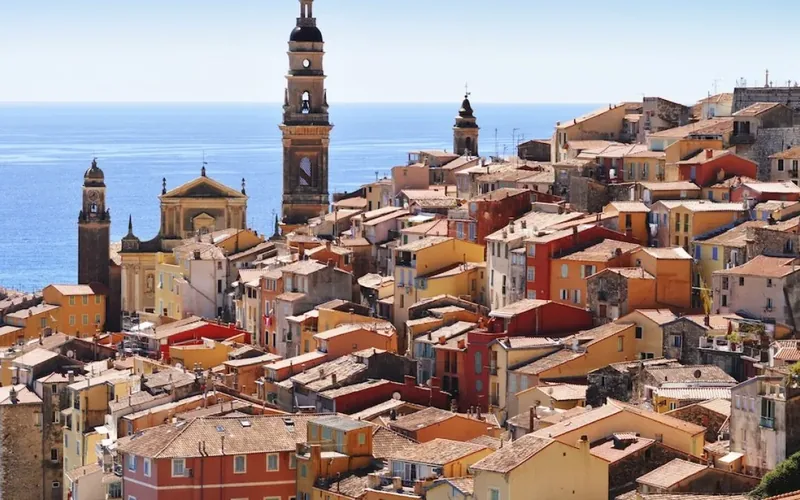
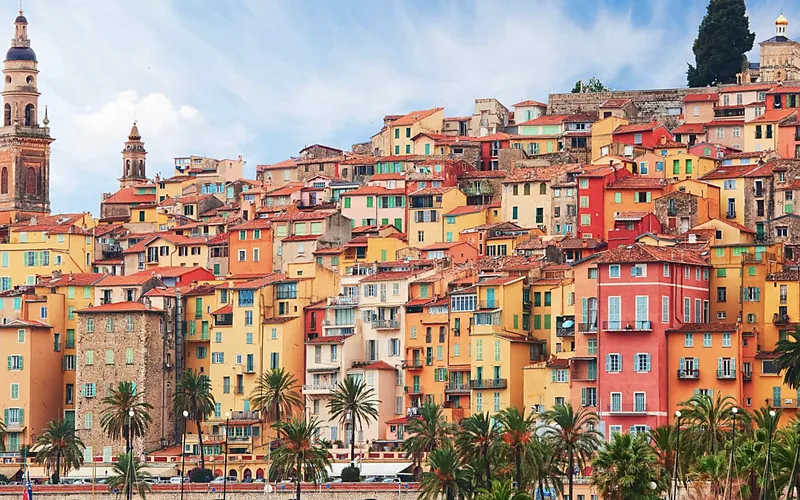
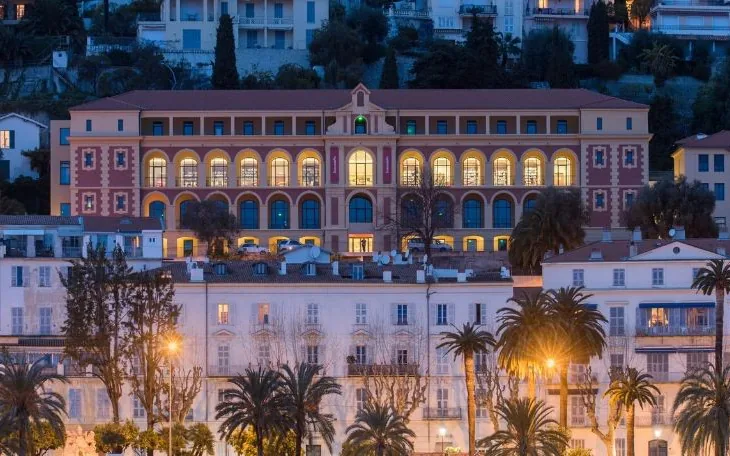
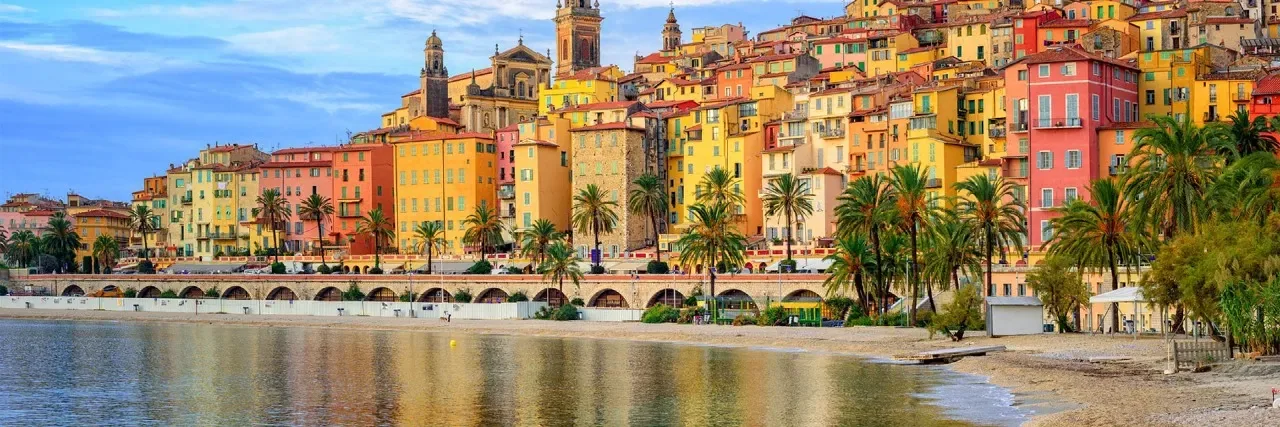
MEDMUN will take place from April 10 to 12, 2026 in Sciences Po Paris' Mediterranean and Middle Eastern campus, in Menton . This framework provides delegates with an academically stimulating environment, characteristic of the Grande École de Sciences Po Paris, situated in our small seaside town, often nicknamed the “ Pearl of France .”

MEDMUN will consist of 21 committees , including 5 crisis committees, 3 courts, the International Press Forum and the Conseil MUNicipal. These committees will be held in the 6 languages ​​of the Mediterranean region: French, English, Arabic, Italian, Spanish and Turkish. 

In an era marked by uncertainty from climate emergencies and armed conflicts to social inequality and digital disruption  the new generation is called upon to plant the seeds of hope: ideas, partnerships, and actions that can sustain resilience and renewal across societies.

This year’s theme focuses on how young leaders in the Mediterranean and Middle East can shape sustainable responses to global crises by fostering dialogue, empathy, and collective strength.

The conference also offers a scientific approach by 16 professionals who, within the opening and closing ceremonies, and also in the committees, present their expertise in the subjects addressed at MEDMUN and frame the reflection of the delegates.

We extend a warm invitation to all stakeholders for MEDMUN 2026. This conference promises to be a memorable academic, social, and cultural occasion for the delegates, all while enjoying our small town's charm, and as we like to say: "sea, sun, and lemons.”

Join us to meet a new generation of delegates and share your ideas for collective solutions to the new challenges proposed during MEDMUN 2026!

Please note: you must pay the conference fees only once you have been accepted in order to be assigned to a committee. The maximum number of delegates per delegation is 20 .
 

Delegate Fees and Waves 

  • 1st wave : October 27, 2025 to December 28, 2025
18+ Delegate fee€90.00
Minors Delegate Fee€80.00
Sciences Po student fee€55.00
Online Committees Delegate fee€15.00
  • 2st wave: December 29, 2025 until February 8, 2026
18+ Delegate fee€95.00
Minor delegate fee€85.00
Sciences Po student fee€60.00
Online Committees Delegate fee€15.00
  • 3rd wave: February 9, 2026 until  March 15, 2026
18+ Delegate fee€99.00
Minor delegate fee€90.00
Sciences Po student fee€65.00
Online Committees Delegate fee€20.00


What are Crisis committees at MEDMUN?

The crisis committees at MEDMUN take you on a thrilling journey through fast-paced, real-time decision-making, where you become the key to shaping the future and solving important crises in the Mediterranean. However, our crisis committees take a twist on the typical General Assembly committee. Each committee combines two cabinets, each with their own chair, that work together, or against each other, to achieve their goals. During the committee, the backroom staff will present crisis scenarios that must be solved in addition to the original questions. Crisis presents delegates an opportunity to be creative and address fast moving problems in a regional context.

What are MEDMUN's online committees?

This year, exceptionally, MEDMUN is introducing two online committees, one in French and the other in English, providing students and high schoolers the opportunity to participate in our conference remotely through MEDMUN Online. Priority will be given to students from the MENA region, who cannot travel due to political conflicts.

MEDMUN 2026 OPENING CEREMONY POLICY

In order to be able to attend the opening ceremony one must be a participant who has paid the correct fee in full within 15 days of having been accepted and have registered prior to the opening ceremony beginning. If a participant applies after the third wave has closed the participant is not guaranteed the ability to attend the beginning of the opening ceremony (opening speeches). 

MEDMUN 2026 POLITIQUE CÉRÉMONIE D’OUVERTURE 

Pour pouvoir assister à la cérémonie d’ouverture, il faut être un participant qui a payé le montant correct en totalité avec  15 jours d’acceptation et s’est inscrit avant le début de la cérémonie d’ouverture. Si un participant fait une demande après la clôture de la troisième vague, il n’est pas garanti qu’il puisse assister à la première partie de la cérémonie d’ouverture (les discours inauguraux).

Committees

  • 17 countries
    1. Türkiye, enerji kaynaklarını güvence altına almak için Doğu Akdeniz’deki çatışma riskini azaltmak için nasıl bir strateji izlemelidir?
    2. Türkiye, Suriye sınır olayı karşısında ölçülü askerî tedbirler, diplomatik gerilimi düşürme veya ikili kulvarlı bir yaklaşım mı benimsemelidir?
    • Aras Asrak
    • Yudum Öztürk

    Turkish Language Committee- Cumhurbaşkanlığı Kabinesi (Presidential Cabinet)

    Intermediate · Turkish · 17 countries

    Topics

    1. Türkiye, enerji kaynaklarını güvence altına almak için Doğu Akdeniz’deki çatışma riskini azaltmak için nasıl bir strateji izlemelidir?
    2. Türkiye, Suriye sınır olayı karşısında ölçülü askerî tedbirler, diplomatik gerilimi düşürme veya ikili kulvarlı bir yaklaşım mı benimsemelidir?

    About the committee

    Cumhurbaşkanlığı Kabinesi, acil karar alma organı olarak toplanmaktadır. Bu organ, ülkenin en üst düzey bakanlarını ve iş adamlarını bir araya getirerek dış politika ve güvenlik alanındaki kritik sorunları ele almaktadır. Komite, bölgedeki gerçek gerilim noktalarını yansıtan iki krizi gözden geçirilecektir: Suriye İç Savaşı döneminde, Suriye ile Türkiye arasındaki sınır gerilimleri birçok kez tırmanmıştır. Özellikle 3 Ekim 2012’de Suriye tarafından ateşlenen bir top mermisinin Şanlıurfa’nın Akçakale ilçesine düşmesi sonucu beş sivil hayatını kaybetmiştir. İkinci gündem Doğu Akdeniz üzerinedir. Doğal gaz rezervleri ve deniz yetki alanları üzerindeki hak iddialarının ortaya çıkmasıyla birlikte, Türkiye Yunanistan, Kıbrıs Cumhuriyeti, İsrail ve diğer aktörlerle deniz tabanı hakları, boru hattı güzergâhları ve münhasır ekonomik bölgeler (MEB) konusunda ciddi anlaşmazlıklar yaşamaktadır.Delegeler, sınırlı bilgiyle, yoğun baskı altında, iç dinamikler ile uluslararası kısıtlamaları dengeleyerek anlık kararlar almak ve yüksek riskli stratejik tercihlerde bulunmak zorundadır.

    Chairs

    Countries

    How this committee type works
  • 11 countries
    1. The End of Birthright Citizenship in the United States of America
    • Ali Bouzia
    • Griffin Legg

    SCOTUS (Supreme Court of the United States)

    Expert · English · 11 countries

    Topic

    The End of Birthright Citizenship in the United States of America

    About the committee

    On 20 January 2025, President Trump issued Executive Order 14160, titled “Protecting the Meaning and Value of American Citizenship”. This order aims to change the prevailing interpretation of the Citizenship Clause of the 14th Amendment of the United States Constitution for the purpose of ending “birthright citizenship” - the guarantee of citizenship to all individuals born in the United States - to prevent children of unauthorised immigrants and temporary residents from receiving American citizenship. Upon its announcement, the order faced swift legal challenges from multiple organisations and states: after at least 10 lawsuits were filed against it, the order was blocked by federal judges under the conclusion that the order was likely unconstitutional. Following several unsuccessful efforts to remove the federal blocks in June 2025 in spite of the Supreme Court’s ruling on Trump v. CASA, US Solicitor-General D. John Sauer urged the Court on 26 September 2025 to review the rulings by federal appeals courts, arguing that “the mistaken view that birth on US territory confers citizenship on anyone subject to the regulatory reach of US law became pervasive, with destructive consequences”. The Trump administration has since asked the Supreme Court to determine the constitutionality of the executive order, which it is likely to do in its new term beginning 3 October 2025. Join us at MEDMUN to experience intensive and rewarding debate on the interpretation of the 14th Amendment and argue over one of the most polarising issues facing America today. Apply now to the SCOTUS at MEDMUN 2026!

    Chairs

    Countries

    How this committee type works
  • 15 countries
    1. Il divario tra Nord e Sud Italia: strategie per la coesione territoriale e la giustizia economica
    • Violetta Pepe
    • Charlie Massa

    Italian Language Committee- UNDP (Programma delle Nazioni Unite per lo Sviluppo)

    Intermediate · Italian · 15 countries

    Topic

    Il divario tra Nord e Sud Italia: strategie per la coesione territoriale e la giustizia economica

    About the committee

    Per chi nutra interessa per le dinamiche dello sviluppo sostenibile, della giustizia sociale e dell’equità economica, e per chi desideri affrontare una delle questioni più radicate nella realtà italiana contemporanea, vi invitiamo a entrare a far parte del Programma delle Nazioni Unite per lo Sviluppo (UNDP) a MEDMUN 2026. L’UNDP - oggi presente in oltre 170 Paesi - opera per coordinare le attività di cooperazione allo sviluppo, sradicare la povertà, ridurre le disuguaglianze e costruire società resilienti.Quest’anno, il comitato si confronterà con un tema tanto attuale quanto complesso: il divario tra Nord e Sud Italia. Una questione che attraversa dimensioni sociali, culturali, economiche e politiche, e che continua a ricoprire un ruolo centrale nel dibattito nazionale. Come delegati dell’UNDP, sarete chiamati a indagare le radici di queste disparità e a proporre soluzioni innovative, volte a creare condizioni di equità e sviluppo sostenibile. Pur trattandosi di un caso specificamente italiano, la questione sarà utilizzata come caso di studio globale, offrendo spunti preziosi per altre realtà colpite da analoghe problematiche strutturali. Se siete interessati ad affrontare un tema di grande importanza nel passato, presente e futuro dell’Italia, nonché del Mediterraneo e dell’Europa, vi invitiamo caldamente a partecipare al comitato italiano di quest’anno, per contribuirvi con creatività, sensibilità e - non da ultimo - le vostre capacità diplomatiche!

    Chairs

    Countries

    How this committee type works
  • 22 countries
    1. Guaranteeing the protection of migrant domestic workers’ rights within Kafala-based labour systems
    2. Ensuring Inclusive and Fair Labour Practices in the Age of Artificial Intelligence in Arab States
    • Uliana Ognyannikova

    ILO (International Labour Organization) - Online committee

    Intermediate · English · 22 countries

    Topics

    1. Guaranteeing the protection of migrant domestic workers’ rights within Kafala-based labour systems
    2. Ensuring Inclusive and Fair Labour Practices in the Age of Artificial Intelligence in Arab States

    About the committee

    The International Labour Organization (ILO) stands at the crossroads of two major challenges shaping the future of work in the Arab States: the protection of migrant domestic workers under Kafala-based labour systems and the promotion of inclusive and fair labour practices in the age of artificial intelligence. The Kafala system, still present in various Arab countries, links the legal residency of migrant domestic workers to their employers. While it facilitates labour migration, it has often led to exploitation, restricted mobility, and limited access to justice. Many workers face wage theft, excessive working hours, abuse and Human Rights violations with few legal protections. The ILO has consistently advocated for reforms aligned with its Convention No. 189 on Domestic Workers, calling for fair contracts, stronger oversight, and mechanisms to ensure that migrant workers’ rights are upheld. At the same time, the rapid spread of artificial intelligence (AI) is transforming workplaces across Arab States. AI offers a potential for innovation, productivity, and new forms of employment. Yet, without inclusive policies and ethical practices it also risks deepening social and economic inequalities, especially for workers in vulnerable sectors. The ILO emphasizes that technological progress must go hand in hand with social protection, ethical regulation, and equal access to training and opportunities. Through these discussions, delegates will help advance the ILO’s broader mission: promoting progress that safeguards dignity, equity, and decent work for all. By confronting the social and technological challenges of today’s labour systems, the committee seeks to encourage cooperation, resilience, and a renewed sense of solidarity among nations.

    Chair

    Countries

  • 18 countries
    1. Renforcer la coopération internationale pour prévenir et combattre la traite des êtres humains et le trafic de migrants en Méditerranée
    2. Développer les coopérations régionales et internationales pour lutter contre la corruption et les crimes financiers dans la région MENA

    ONUDC (L’Office des Nations Unies contre la Drogue et le Crime) - Online Committee

    Beginner · French · 18 countries

    Topics

    1. Renforcer la coopération internationale pour prévenir et combattre la traite des êtres humains et le trafic de migrants en Méditerranée
    2. Développer les coopérations régionales et internationales pour lutter contre la corruption et les crimes financiers dans la région MENA

    About the committee

    L’Office des Nations Unies contre la drogue et le crime (ONUDC) s’efforce de répondre à deux défis majeurs menaçant la sécurité humaine et la gouvernance mondiale : la traite des êtres humains et le trafic de migrants en Méditerranée, ainsi que la corruption et les crimes financiers dans la région MENA. Ces enjeux, liés à l’instabilité, aux inégalités et au manque de coopération internationale, nourrissent la criminalité transnationale. En Méditerranée, les migrants vulnérables sont la cible de réseaux criminels profitant des crises politiques et économiques. La mer devient un espace de transit dangereux, marqué par des violations graves des droits humains. L’ONUDC appelle à une réponse collective, incluant des enquêtes conjointes, le partage d’expertise et la protection des victimes, entre pays d’origine, de transit et de destination. Dans la région MENA, la corruption affaiblit les institutions, mine la confiance des citoyens et finance parfois des activités criminelles. L’ONUDC contribue à renforcer la coordination et l’échange entre États, en mettant à disposition des outils, des données et des analyses permettant de mieux comprendre et suivre les flux financiers illicites et d’appuyer les efforts collectifs de lutte contre ces pratiques. Les délégués seront ainsi invités à renforcer leur engagement collectif en faveur d’actions concertées, durables et coordonnées pour faire face à ces défis communs.

    Countries

    How this committee type works
  • 19 countries
    1. Addressing ethnic divisions and systemic corruption during the 2023 African Coup Belt
    2. Rethinking democracy to safeguard stability and assessing the role of foreign intervention in the post-Arab Spring MENA region

    UNSC (United Nations Security Council)

    Expert · English · 19 countries

    Topics

    1. Addressing ethnic divisions and systemic corruption during the 2023 African Coup Belt
    2. Rethinking democracy to safeguard stability and assessing the role of foreign intervention in the post-Arab Spring MENA region

    About the committee

    Today’s borders and regimes face relentless challenges, stirring persistent questions about their legitimacy and the fragile nature of state sovereignty and democracy. This Historical Security Council invites you to immerse yourself in pivotal moments of transition. You will make your first stop back in 2023’s Africa, amid coups and revolutions, where you will grapple with the legacies of the Berlin Conference and decolonization, confronting the complexities of state-building amid ethnic diversity, systemic corruption, and political upheaval. This is your unique chance to reverse the course of time and events, working towards preventing the cycles of instability, corruption, and division we see the consequences of today. Coming back to 2025, you will be pushed to reflect on our world order and on the legacy of the Arab Spring. Was it successful? If not, why so? As delegates, be ready to also face the harsh dilemmas of diplomacy: how can meaningful change be implemented by external actors while respecting sovereignty: is foreign intervention a necessary stabilizer or a source of further conflict? How to maintain order while upholding freedoms? Beyond this, you will also be pushed to question our world order and explore the so-called “East-West dynamics” that shape it: is democracy a universal model to be applied rigidally? If not, how to effectively take into account the singular realities of each country? Prepare to engage in intense negotiation and strategic decision-making, where every choice can and will alter history.

    Countries

    How this committee type works
  • 27 countries
    1. Preventing the recruitment by extremist groups of Yemeni youth through educational spaces and online platforms
    2. Promoting interreligious dialogue in Lebanon among youth to overcome sectarian divisions
    • Soliana Solomon

    UNESCO (United Nations Educational, Scientific and Cultural Organization)

    Intermediate · English · 27 countries

    Topics

    1. Preventing the recruitment by extremist groups of Yemeni youth through educational spaces and online platforms
    2. Promoting interreligious dialogue in Lebanon among youth to overcome sectarian divisions

    About the committee

    Education and dialogue are the pillars of UNESCO's mission-building peace through the sharing of knowledge and understanding. Yet, in a world where ideological divides deepen and new spaces emerge, this mission faces growing challenges. This year’s edition of the UNESCO committee will specifically focus on the youth, both as potent agents of change and as a vulnerable group increasingly exposed to crisis, conflict, and extreme conditions across the MENA region. If you are a young, engaged, and active delegate also aspiring to be a catalyst for change, this committee is your chance to explore how to utilize educational tools to navigate the “black box” of today’s digital spaces. While digital platforms extend the classroom and foster connectivity, the Internet has also become a breeding ground for radicalization and the targeted recruitment of youth vulnerable to extremist ideologies especially amid prolonged conflict. Your mission: monitor, regulate, find alternatives. Mais pas que! Lebanon’s challenges are different yet just as urgent. In a very unique environment where religion and politics are deeply intertwined, what could have been a perfectly harmonious symbiosis is now strained by centuries-old wounds, resulting in sectarian divisions. Now, more than ever, in the context of ongoing war, national unity is essential, and Lebanon’s youth must not bear the burden of fractured structures and a lack of constructive dialogue. Your mission: engage, reconcile, bridge-build.

    Chair

    Countries

    How this committee type works
  • 27 countries
    1. Statuer sur la réintégration internationale de la Syrie et les mécanismes d’aide post-Assad.
    2. Réduire les inégalités économiques entre les villes et les zones rurales en Afrique du Nord.
    • iram najah
    • Jad Chellah

    ECOSOC (Le Conseil économique et social de l'ONU)

    Intermediate · French · 27 countries

    Topics

    1. Statuer sur la réintégration internationale de la Syrie et les mécanismes d’aide post-Assad.
    2. Réduire les inégalités économiques entre les villes et les zones rurales en Afrique du Nord.

    About the committee

    Le 25 septembre 2025, le président syrien Ahmed Al-Charaa a prononcé un discours historique à l’Assemblée générale des Nations Unies, marquant la fin de près de soixante ans d’isolement diplomatique pour la Syrie. C’est dans ce contexte que le Conseil économique et social des Nations Unies peut et doit intervenir. Placé au cœur du système de développement durable de l’ONU, il fait partie de ses six principaux organes. Créé en 1945, il est chargé de promouvoir la coopération internationale dans les domaines économique, social, culturel, éducatif, de la santé publique et des droits de l’homme. Il se compose de sous-comisisons techniques, traitant de sujets très spécifiques tels la condition de la femme ou enore les stupéfiants, ainsi que de sous-comissions régionales. Dans le cadre de la 14ᵉ édition du MEDMUN, l’ECOSOC se penchera sur deux enjeux majeurs : la réintégration internationale de la Syrie et les mécanismes d’aide pour reconstruire le pays après la chute de Bachar Al-Assad, ainsi que la réduction des inégalités économiques entre les villes et les zones rurales en Afrique du Nord. Ces thématiques illustrent les défis complexes auxquels l’ECOSOC s’attache à répondre, en mobilisant la coopération internationale pour promouvoir un développement durable et inclusif.

    Chairs

    Countries

    How this committee type works
  • 15 countries
    1. Aborder la question de la gestion des quartiers urbains et de la lutte contre les trafics à Marseille

    Conseil Municipal de Marseille

    French · 15 countries

    Topic

    Aborder la question de la gestion des quartiers urbains et de la lutte contre les trafics à Marseille

    About the committee

    Rejoignez le Commission du Conseil Municipal de Marseille : Construisons ensemble l’avenir de notre ville ! Vous souhaitez avoir un véritable impact à Marseille et participer à des projets qui améliorent la vie quotidienne des habitants ? Les commissions du Conseil Municipal sont faites pour vous ! Que vous soyez passionné par la sécurité, l’éducation ou l’environnement, il y a une place pour vous. Cette commission se concentrera sur les grands défis liés à la sécurité, au crime organisé et à la fragmentation sociale dans les quartiers les plus vulnérables de Marseille. Elle aura pour objectif d’identifier les zones prioritaires, de comprendre les dynamiques des trafics (drogue, armes, économie informelle) et de proposer des stratégies locales concrètes pour rétablir la sécurité, reconstruire la confiance entre les institutions et les habitants, et reconquérir ces territoires. Les délégués aborderont également les dimensions sociales de la crise, notamment le désengagement des services publics, l’isolement des populations et la méfiance envers la police. Le travail portera sur des politiques alliant prévention, réaménagement urbain et réinsertion socio-professionnelle. Les délégués devront identifier les zones sensibles et renforcer la présence des services publics, travailler sur la prévention des trafics en collaboration avec les habitants, soutenir les initiatives locales telles que les associations, les maisons de quartier et les médiateurs, promouvoir des projets de réinsertion sociale et professionnelle, et proposer un modèle local de sécurité communautaire et de coexistence pacifique. Marseille a besoin de vous – venez contribuer à façonner la ville de demain !

    Countries

  • 18 countries
    1. Désarmer les milices militaires et endiguer le trafic d’armes en Libye et au Sahel.
    2. Prévenir la piraterie et les attaques armées dans la mer Rouge et le golfe d’Aden.
    • Mayssa Haddouk
    • Aliénor Rossary

    DISEC (Comité sur le Désarmement et la Sécurité Internationale)

    Expert · French · 18 countries

    Topics

    1. Désarmer les milices militaires et endiguer le trafic d’armes en Libye et au Sahel.
    2. Prévenir la piraterie et les attaques armées dans la mer Rouge et le golfe d’Aden.

    About the committee

    Le 7 juillet 2025, au cœur de la mer Rouge, le vraquier libérien MV Eternity C est attaqué par des drones marins et des lance-roquettes envoyés depuis des embarcations Houthis. Cette attaque meurtrière rappelle avec force la fragilité de la sécurité internationale. Cet événement dramatique n’est pas un cas isolé, ces attaques illustrent les défis complexes auxquels s’attaque la Première Commission de l’Assemblée générale des Nations Unies, également appelée Comité du Désarmement et de la Sécurité Internationale (DISEC). Ce comité, pilier du système onusien, traite des questions relatives au désarmement, à la maîtrise des armements et à la préservation de la paix et de la sécurité mondiale. Son mandat est d’examiner les menaces globales à la sécurité, d’élaborer des recommandations et de promouvoir la coopération multilatérale afin de réduire les tensions et renforcer la stabilité internationale. Parmi les thématiques majeures qu’il aborde figurent la non-prolifération des armes nucléaires et des armes chimiques, la régulation des armes conventionnelles, la cybersécurité, la militarisation de l’espace et la lutte contre le trafic d’armes. Dans le cadre de la 14ème édition du MEDMUN, le DISEC s’intéressera particulièrement à deux enjeux contemporains : la prévention de la piraterie et des attaques armées dans la mer Rouge et le golfe d’Aden ainsi que le désarmement des milices militaires dans le but d’endiguer le trafic d’armes en Libye et au Sahel. Parce que chaque menace désamorcée est un pas vers la stabilité, le DISEC s’engage à transformer les conflits d’aujourd’hui en alliances pour garantir la sécurité de demain.

    Chairs

    Countries

    How this committee type works
  • 36 countries
    1. L’avenir du droit à l’avortement sur le continent Européen
    2. Garantir l’accès des femmes afghanes à l’éducation, au travail et à la participation publique dans un contexte de violations systématiques de leurs droits.
    • Philippe Hreich
    • Cyliane Lechtanski

    ONU Femme

    Beginner · English · 36 countries

    Topics

    1. L’avenir du droit à l’avortement sur le continent Européen
    2. Garantir l’accès des femmes afghanes à l’éducation, au travail et à la participation publique dans un contexte de violations systématiques de leurs droits.

    About the committee

    ONU Femmes, entité des Nations Unies créée en 2010, œuvre pour l’égalité des genres et l’autonomisation des femmes à travers le monde. Son rôle est d’accompagner les États dans la mise en œuvre de politiques publiques garantissant les droits fondamentaux des femmes, leur participation pleine et entière à la vie sociale, économique et politique, ainsi que leur protection contre toute forme de discrimination ou de violence. Ce comité se penche sur deux enjeux majeurs au cœur de ces missions. Le premier concerne l’avenir du droit à l’avortement en Europe, où, malgré une reconnaissance juridique dans la majorité des États membres de l’Union européenne, de profondes disparités persistent quant à son accessibilité. Entre reculs législatifs, clauses de conscience et stigmatisations sociales, le défi réside dans la recherche d’un accès sûr, équitable et universel à l’IVG, conciliant divers contextes culturels et religieux. Le second sujet aborde la situation dramatique des femmes afghanes, privées depuis le retour des talibans en 2021 de leurs droits les plus élémentaires, notamment l’accès à l’éducation, au travail et à la vie publique.

    Chairs

    Countries

  • 11 countries
    1. Affaire relative à l’immobilisation de trois navires militaires (Ukraine c. Fédération de Russie, 2019)
    • Yassine Sentissi
    • Rahma Turki

    Tribunal International du Droit de la Mer

    Expert · English · 11 countries

    Topic

    Affaire relative à l’immobilisation de trois navires militaires (Ukraine c. Fédération de Russie, 2019)

    About the committee

    Une mer partagée, un détroit disputé, et trois navires pris au piège d’un affrontement qui interroge les fondements mêmes du droit maritime. En novembre 2018, trois bâtiments ukrainiens, le Berdyansk, le Nikopol et le Yani Kapu, sont interceptés par les garde-côtes russes dans le détroit de Kertch, un passage stratégique reliant la mer Noire à la mer d’Azov. Cette zone, autrefois partagée entre Moscou et Kiev, est devenue le cœur d’un contentieux juridique complexe depuis l’annexion de la Crimée en 2014, qui a profondément modifié les équilibres de souveraineté et d’accès aux eaux régionales. Derrière ce face-à-face diplomatique, cette affaire soulève une question centrale de droit de la mer : comment qualifier juridiquement les eaux d’un détroit reliant deux mers semi-fermées ? Relève-t-il du régime de passage inoffensif prévu par la Convention des Nations Unies sur le droit de la mer (CNUDM), ou du droit de transit accordant une liberté plus large de navigation ? Et, surtout, un État côtier peut-il, au nom de sa sécurité nationale, immobiliser des navires militaires étrangers transitant pacifiquement dans une zone contestée ? L’Ukraine saisit le Tribunal International du Droit de la Mer en urgence, invoquant la violation de la CNUDM et demandant la libération immédiate de ses marins. La Russie, de son côté, conteste la compétence du Tribunal et invoque la nature militaire du différend. Dans la réalité, Moscou a refusé de comparaître ; mais dans cette simulation, chaque partie sera entendue. Vous devrez trancher entre la primauté du droit international et les impératifs de sécurité d’un État côtier, en s’appuyant sur les précédents jurisprudentiels et les équilibres établis par la CNUDM. Alors, venez débattre dans un comité à la croisée du droit maritime et de la géopolitique, et où votre argumentation pourrait bien changer le verdict.

    Chairs

    Countries

    How this committee type works
  • 27 countries
    1. Guaranteeing the protection of persecuted LGBTQ+ individuals in Tunisia by considering the refugee status
    2. Advancing Syrians refugee integration in Türkiye while preserving their cultural heritage
    • Zekiel Gulab

    UNHCR (United Nations High Commissioner for Refugees)

    Beginner · English · 27 countries

    Topics

    1. Guaranteeing the protection of persecuted LGBTQ+ individuals in Tunisia by considering the refugee status
    2. Advancing Syrians refugee integration in Türkiye while preserving their cultural heritage

    About the committee

    Our century is strained by endless ongoing conflicts that generate vast humanitarian crises. While media narratives often highlight peace-building and geopolitical strategies, the individual human lives behind the numbers too often remain overlooked. The UN High Commissioner for Refugees is more than just a UN organ--it’s the guardian of human dignity, standing for those whose fundamental rights to safety and property have been shattered by persecution and forced displacement. UNHCR’s mission extends beyond monitoring refugee flows and settlements; it addresses the fundamental causes that shape the lived experiences of millions. For hundreds of thousands, persecution is deeply personal and political, not just decided by who they are, but also by what they are perceived to be. In areas of the world where reform, tradition, and division are all intertwined in a tug of war, questions of protection and belonging transcend borders and clash with cultural narratives. If you dare, step into the Tunisian complex landscape where discriminatory legislation remains at risk of endangering LGBTQ+ community members, causing many to live in constant fear of persecution or imprisonment. Going beyond the individuality of these members who don’t officially hold any status, you will have to closely study the status of refugee itself, applying both a legal and moral lens to it. Who can be considered a legitimate refugee? What does that imply? Be ready to juggle with humanitarian responsibility and cross-cultural sensitivity to envision protection frameworks that include all people without exception-building bridges between seemingly opposite worlds. Meanwhile, in Türkiye, millions of Syrian refugees seek both belonging and the preservation of their heritage amid displacement. How can meaningful integration be achieved without erasing their identity? Is survival for refugees synonymous with assimilation to their hosting countries?

    Chair

    Countries

    How this committee type works
  • 14 countries
    1. Autonomía Regional y Derechos Humanos en el Contexto Español (Cataluña y el País Vasco)
    2. Análisis del papel de España como punto clave de entrada a Europa y de los retos que conlleva proteger los derechos de migrantes y refugiados.
    • Alberto Norte
    • Julian Quintana

    Spanish Language Committee - HRC (Consejo de Derechos Humanos)

    Intermediate · Spanish · 14 countries

    Topics

    1. Autonomía Regional y Derechos Humanos en el Contexto Español (Cataluña y el País Vasco)
    2. Análisis del papel de España como punto clave de entrada a Europa y de los retos que conlleva proteger los derechos de migrantes y refugiados.

    About the committee

    España sigue debatiendo dos temas cruciales en materia de derechos humanos, con un impacto social y político importante tanto en el ámbito nacional como internacional, y en particular para otros países europeos. Por un lado, la cuestión de la autonomía regional y los movimientos secesionistas, especialmente en Cataluña y el País Vasco, plantea un dilema fundamental: ¿cómo equilibrar el derecho a la autodeterminación y la protección de las identidades culturales con la soberanía y la integridad territorial de un Estado? La tensión entre estas visiones no solo afecta a la política interna española, sino que también trasciende hacia un debate internacional sobre los límites y alcances del derecho a decidir en sociedades democráticas. Este debate histórico ha generado una polarización social y política dentro de España, dificultando la toma de decisiones consensuadas y frenando el potencial de diálogo y reforma dentro de un marco democrático común. Por otro lado, España se enfrenta a desafíos en la gestión de los flujos migratorios y en el trato y protección de personas refugiadas. Como uno de los principales puntos de entrada a Europa —desde las fronteras de Ceuta y Melilla hasta las rutas marítimas del Mediterráneo—, las políticas migratorias españolas (y las de otros países europeos) han estado bajo constante escrutinio por su impacto en los derechos fundamentales de quienes buscan asilo y mejores condiciones de vida. En este contexto, el Consejo de Derechos Humanos examina de qué manera los Estados pueden garantizar la seguridad nacional y la cooperación europea sin vulnerar los principios universales de dignidad humana y protección internacional. Este comité invita a los delegados a debatir el papel de España dentro de un marco internacional de derechos humanos en estos dos campos: ⁃ ¿Hasta dónde puede llegar el reconocimiento de las demandas de autonomía sin poner en riesgo la cohesión democrática? ⁃ ¿Qué responsabilidades específicas tiene España, como Estado miembro de la Unión Europea, en la protección de migrantes y refugiados que llegan a su territorio? ¿Y cómo puede equilibrar mejor esta responsabilidad con la de sus socios europeos para lograr una mayor coherencia en el trato y en el reparto del coste económico, social y político? Las respuestas a estas preguntas pondrán a prueba la capacidad de los delegados para conciliar soberanía, derechos colectivos y obligaciones humanitarias en un mundo cada vez más interconectado.

    Chairs

    Countries

    How this committee type works
  • 17 countries
    1. Addressing the Cross-Border Impact of Social Media on Public Opinion and Information Integrity
    • Eva Dobrescu
    • Liam Buchanan

    IPF (International Press Conference)

    English · 17 countries

    Topic

    Addressing the Cross-Border Impact of Social Media on Public Opinion and Information Integrity

    About the committee

    The International Press Forum (IPF) is a unique and dynamic component of the Mediterranean Model United Nations (MEDMUN). Unlike traditional MUN committees, IPF delegates take on the role of journalists on the move, attending a variety of committee sessions and reporting on the unfolding debates. Their mission is to provide insightful and distinctive perspectives on the conference by crafting articles that reflect the editorial stance of their assigned media outlet. In addition to reporting and writing, the IPF will host press conferences where delegates discuss and debate current developments within the MEDMUN conference. Moreover, members of the IPF will have the opportunity to participate in classic MUN-style debates focused on the topic “Addressing the Cross-Border Impact of Social Media on Public Opinion and Information Integrity”. This innovative approach enables participants to combine creativity, critical thinking, and journalistic skill, offering a fresh lens through which the work of MEDMUN committees is analysed and interpreted. Delegates are encouraged to research their chosen media organisations in depth, examining not only their political leanings but also their economic interests, key figures, and editorial influences. The International Press Forum is where journalism meets diplomacy - empowering delegates to uncover stories, challenge narratives, and redefine how global events are understood.

    Chairs

    Countries

  • 23 countries
    1. Fighting the Second Peloponnesian War that has been started between oligarchic Sparta and democratic Athens
    2. Attempting to go through avenues of diplomacy to find creative solutions to military crises
    • Eva Golstein

    CRISIS - Greek Fire: The Peloponnesian War

    Intermediate · English · 23 countries

    Topics

    1. Fighting the Second Peloponnesian War that has been started between oligarchic Sparta and democratic Athens
    2. Attempting to go through avenues of diplomacy to find creative solutions to military crises

    About the committee

    Set in 431 BCE, Greek Fire: The Peloponnesian War thrusts delegates into the heart of the struggle between Athenian democracy and Spartan oligarchy for hegemony over the Greek world. The war is more than a clash of arms; it is a battle of ideologies, alliances, and ambitions that will reshape the Hellenic world forever. Delegates will be divided into two cabinets: the Athenian Assembly and the Spartan Gerousia. Each is tasked with navigating the tides of war, diplomacy, and domestic upheaval in a way that serves their respective cabinets. As the drums of war echo across the Aegean, delegates must decide whether to pursue glory by conquest, preserving fragile alliances, or seeking peace amidst chaos. Every decision will have consequences: revolts may erupt, treacherous alliances may shift, new players may be introduced, and the fate of Greece itself (and perhaps the Gods’ favour) may hinge on your strategy. Will Athens’ naval might and democratic zeal prevail, or will Sparta’s discipline and military prowess forge a new order? Join us in this high-stakes, fast-paced crisis where classical history is rewritten. One decree, one battle, and one betrayal at a time.

    Chair

    Countries

    How this committee type works
  • 18 countries
    1. Promoting private and public options for a vaccine
    2. Balancing pandemic-era measures and strengthened EU collaboration along with with local demands across the Mediterranean
    3. Determining means to confront unilateral blockades of migrants and of affected regions amidst the plague
    • Eng Yi Seow
    • Jordan Goins

    CRISIS - Phantoms of the Mediterranean

    Intermediate · English · 18 countries

    Topics

    1. Promoting private and public options for a vaccine
    2. Balancing pandemic-era measures and strengthened EU collaboration along with with local demands across the Mediterranean
    3. Determining means to confront unilateral blockades of migrants and of affected regions amidst the plague

    About the committee

    Set in 2030 Europe, the leaders of the European Union have descended upon Valletta to confront a ever familiar threat: a new and quickly evolving plague in the region. Much has changed since the last pandemic a decade ago: Europe's age of political moderation seems further away than it had ever before, with several political upheavals ushering in radical and alternative political actors across the continent. Questions still linger regarding the union's role internationally and in each of it's members' local political regimes. That is, in addition to, issues surrounding the union's infrastructure ranging from healthcare and immigration, to economic support amidst the cost of living crisis. The burdens COVID brought upon the union still are felt, and whether the continent will be able to survive another major disruption is unclear. Over the course of the committee, delegates will need to not only contain the new virus, but in the process will also need to face much of the larger conflicts within the European community which have left it fractured in recent decades. Europe is arguably at it's most fragile, so the only question that remains is whether member states have truly learned from their past mistakes a decade ago. Only time will tell: so join us on this fine day in Valletta, where the histories of the past fuse with what is new to produce a new chapter in European policy. With the clock ticking: let us act with urgency, morality, and hope for the future.

    Chairs

    Countries

    How this committee type works
  • 19 countries
    1. Président : Avery Brundage – Président du CIO
    2. Menace imminente sur le village olympique lors des Jeux de Munich 1972.
    3. Agir entre sécurité, diplomatie et rivalités politiques lors d'un évènement international sportif.
    • Bauna Salah-Eddine
    • Aurelien Haugen

    CRISE - Munich 1972 : Les JO de la Terreur

    Beginner · English · 19 countries

    Topics

    1. Président : Avery Brundage – Président du CIO
    2. Menace imminente sur le village olympique lors des Jeux de Munich 1972.
    3. Agir entre sécurité, diplomatie et rivalités politiques lors d'un évènement international sportif.

    About the committee

    La veille de l’ouverture des XXᵉ Jeux olympiques, Munich s’apprête à célébrer la paix retrouvée. Mais au sein du Comité international olympique, des rapports confidentiels circulent : une menace plane sur le village olympique. Entre rumeurs et signaux d’alerte, les membres du CIO, les autorités allemandes et les représentants internationaux doivent décider comment agir. La simulation s’ouvre dans cette atmosphère de tension croissante, alors que le monde retient son souffle. Chaque décision comptera : selon les choix des délégués, la tragédie pourra être évitée, retardée… ou éclater en plein cœur des Jeux.

    Chairs

    Countries

    How this committee type works
  • 25 countries
    1. Securing the Strait: Control, Conflict, and Cooperation
    2. Shadows of Power: Private Forces, Cyber Warfare, and the Energy Black Market
    3. The Global Fallout: Economic Collapse and the Future of Energy
    • Aicha Labidi
    • Louis Maumont

    CRISIS - The Strait Of Hormuz

    Intermediate · English · 25 countries

    Topics

    1. Securing the Strait: Control, Conflict, and Cooperation
    2. Shadows of Power: Private Forces, Cyber Warfare, and the Energy Black Market
    3. The Global Fallout: Economic Collapse and the Future of Energy

    About the committee

    Set at the heart of global energy flows, The Strait of Hormuz Incident thrusts delegates into a fast paced, multi layered crisis. After mysterious failures disrupt tanker navigation, cyberattacks and piracy erupt across the region. The committee is live and evolving: every decision reshapes the unfolding events. The global economy teeters as trade routes jam and markets fluctuate, with roughly one fifth of the world’s oil passing through the Strait, making any disruption immediately systemic. Escalations may take many forms: a regional power could launch an opportunistic invasion of a neighboring littoral state to seize control of the chokepoint, a deliberate closure of the Strait might be declared, strangling exports, or a major naval incident such as the sinking or attack of a Western warship could ignite a large scale military response. Historical precedent and current tensions show how swiftly regional sparks can ignite global crises. Delegates must navigate hostage situations, black market energy deals, covert operations and moral choices, decisions that will ultimately determine how and if this crisis ends.

    Chairs

    Countries

    How this committee type works
  • 16 countries
    1. بحث عن سبل ضمان حرية الصحافة في سياق الصراع الفلسطيني الإسرائيلي
    2. العمل الطلابي بين الحرية والقمع: مستقبل الحركات الطلابية في العالم العربي
    • Malak Dissi
    • Daniel youssef

    Arabic Language Committee - SOCHUM (Social, Humanitarian & Cultural UN committee)

    Intermediate · English · 16 countries

    Topics

    1. بحث عن سبل ضمان حرية الصحافة في سياق الصراع الفلسطيني الإسرائيلي
    2. العمل الطلابي بين الحرية والقمع: مستقبل الحركات الطلابية في العالم العربي

    About the committee

    تُشكّل اللجنة الاجتماعية والإنسانية والثقافية (SOCHUM)، باعتبارها اللجنة الثالثة من لجان الجمعية العامة للأمم المتحدة، منصةً دوليةً محوريةً مخصّصةً لمناقشة قضايا حقوق الإنسان والتنمية الاجتماعية والثقافية. وترتكز أعمال هذه اللجنة في دورتها النموذجية على بحث سُبُل تعزيز حريتيّ الصحافة والتعبير عن الرأي باعتبارهما ركزين أساسين في بنية حقوق الإنسان والمجتمع الديمقراطي. كما تسلّط الضوء على التحدّيات المعقّدة التي تواجه المدنيين، ولا سيّما الصحفيين والطلّاب في مناطق النزاع، الذين غالبًا ما يتعرّضون للاستهداف بسبب آرائهم أو أنشطتهم، وتدعو إلى ضمان حمايتهم وإعمال قواعد القانون الدولي والإنساني في شأنهم تتناول اللجنة في جلستها الأولى قضية حرية الصحافة في سياق النزاعات، مع تركيز خاص على حالة الصحفيين الذين يغطّون الصراع الفلسطيني الإسرائيلي. وتناقش اللجنة السياسات والممارسات التي تُقيّد العمل الإعلامي، وآليات حماية الصحفيين وضمان وصول المعلومات إلى الرأي العام دون رقابة غير مشروعة أو تهديد مباشر. أما في جلستها الثانية، فتركّز اللجنة على قمع الحركات الطلابية في الجامعات العربية، وتدرس التحديات التي تواجه حرية التعبير والعمل النقابي داخل المؤسسات الأكاديمية. وتبحث اللجنة في سبل تمكين الطلاب من المشاركة في الحياة العامة بشكل حر وآمن، وفي دور الجامعات كمساحات للحوار والاختلاف البنّاء. تهدف هذه اللجنة إلى اقتراح حلول عملية وقانونية تضمن حرية الرأي والتعبير في مختلف السياقات السالفة الذكر، وإلى اقتراح إجراءات تَضمن بيئة آمنة وعادلة للصحفيين والطلاب على حد سواء، بعيداً عن القمع والتهميش

    Chairs

    Countries

    How this committee type works
  • 22 countries
    1. Confronting the cyberattack that has paralyzed the Levant and deciding how to restore control amid chaos, suspicion, and misinformation.
    2. Negotiating alliances and interventions as world powers compete to “help” and dominate the recovery.
    3. Facing the final hours as the virus threatens to expose classified information, topple governments, and redraw the Middle East map.
    • Sergi Pascual
    • Silvi Koleva

    CRISIS - The Levant Blackout

    Beginner · English · 22 countries

    Topics

    1. Confronting the cyberattack that has paralyzed the Levant and deciding how to restore control amid chaos, suspicion, and misinformation.
    2. Negotiating alliances and interventions as world powers compete to “help” and dominate the recovery.
    3. Facing the final hours as the virus threatens to expose classified information, topple governments, and redraw the Middle East map.

    About the committee

    Set in the near future, Crisis in the Dark: The Levant Blackout thrusts delegates into the chaos of a region plunged into digital darkness. A massive cyberattack has crippled Lebanon, Jordan, and Syria, power grids down, hospitals failing, and panic spreading through the streets. What begins as a technical failure spirals into a full-scale geopolitical storm, where every decision could save or shatter nations. Delegates will take the roles of Arab League representatives, foreign powers, and cyber experts racing against time to stop a digital doomsday virus. Leaked intelligence, collapsing governments, and rival offers from Washington and Moscow blur the line between rescue and control. In this crisis, truth is a weapon : and trust is the first casualty. As the countdown ticks toward detonation, you must choose: defend sovereignty, accept intervention, or gamble everything on regional unity. The blackout is spreading. The question is not just who caused it, but who will survive it. Will the Arab world emerge stronger through cooperation or fragment under pressure from within and without? Join us in this high-stakes, fast-paced cyber crisis where the future of the Levant will be rewritten, one hack, one leak, and one betrayal at a time.

    Chairs

    Countries

    How this committee type works

More MUN conferences

ConferencesFranceMEDMUN 2026