MEDMUN 2025

Mediterranean Model United Nations

Apr 4–6, 2025 Menton, France

Mediterranean Model United Nations

Conference

Menton, France·Europe

Apr 4–6, 2025

500 delegates expected

High school and university students

In English, Arabic, French, Italian, Spanish and Turkish

How it went

4.43130 ratings from delegates
Academics
4.28
Logistics
4.44
Socials
4.55

About

Strategic Alliances : New generations turning divides into dialogue

The  Mediterranean Model United Nations (MEDMUN) is a student-run MUN conference that welcomes almost 500 highly motivated participants from distinguished high schools and universities worldwide every year. This annual conference serves as a place to promote multicultural exchanges among young generations to find solutions for ongoing geopolitical challenges our world is currently facing.

We are delighted to announce the 13th edition of MEDMUN applications officially open! 

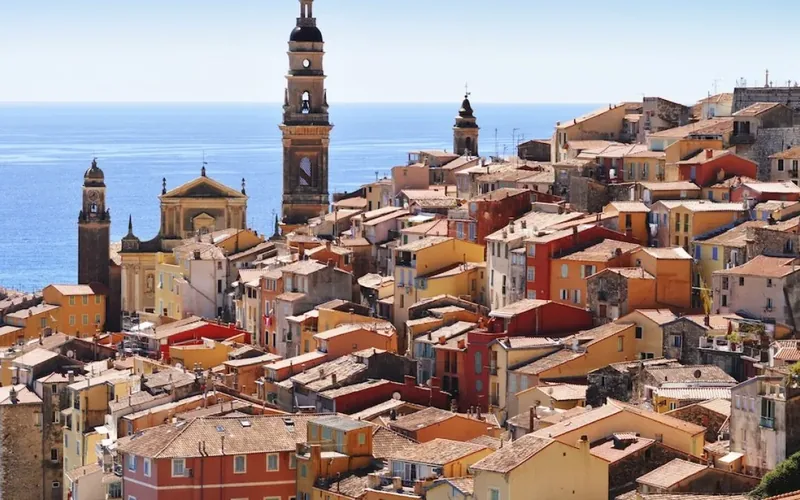
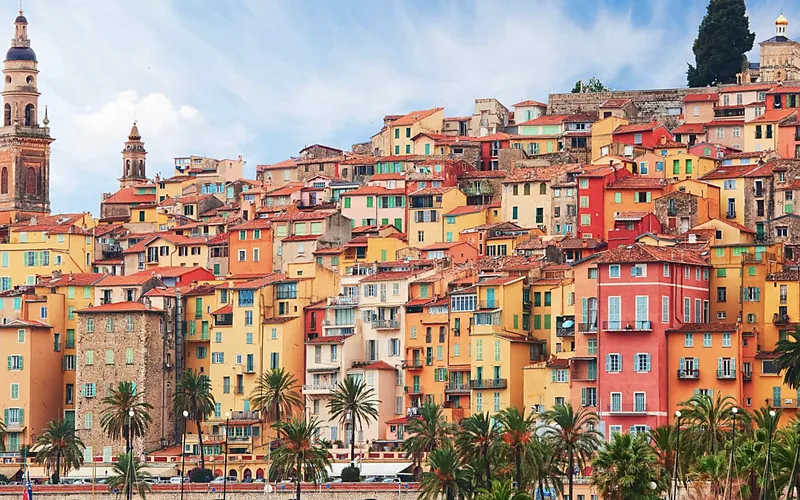
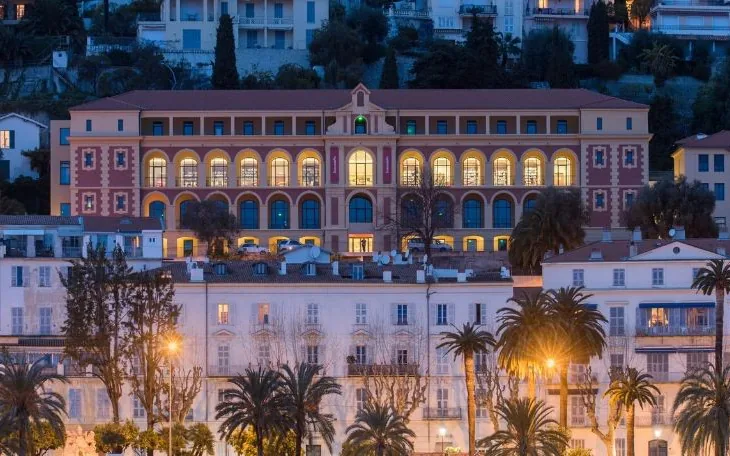
MEDMUN will take place from April 4 to 6, 2025 in Sciences Po Paris' Mediterranean and Middle Eastern campus, in Menton. This framework provides delegates with an academically stimulating environment, characteristic of the Grande École de Sciences Po Paris, situated in our small seaside town, often nicknamed the "Pearl of France.”

MEDMUN will consist of 18 committees, including 4 crisis committees, 3 courts, the International Press Forum and our new committee, the Conseil MUNicipal. These committees will be held in the 6 languages ​​of the Mediterranean region: French, English, Arabic, Italian, Spanish and Turkish. 

They will debate on our theme for this year: “Strategic Alliances : New generations turning divides into dialogue” 

This framework focuses on collaboration between governments, international organizations, the private sector, and civil society to create lasting solutions for shared challenges. Its aim is to highlight the innovative ideas of a new generation of delegates, passionate about the Mediterranean and Middle East regions, and to propose collective and inclusive solutions to the current conflicts they face, fostering a spirit of critical dialogue and multicultural exchange.

The conference also offers a scientific approach by 16 professionals who, within the opening and closing ceremonies, and also in the committees, present their expertise in the subjects addressed at MEDMUN and frame the reflection of the delegates.

We extend a warm invitation to all stakeholders for MEDMUN 2024. This conference promises to be a memorable academic, social, and cultural occasion for the delegates, all while enjoying our small town’s charm, and as we like to say: "sea, sun, and lemons.”

Join us to meet a new generation of delegates and share your ideas for collective solutions to the new challenges proposed during MEDMUN 2025!


Please note: you must pay the conference fees only once you have been accepted in order to be assigned to a committee. The maximum number of delegates per delegation is 20.


What are Crisis committees at MEDMUN?

The crisis committees at MEDMUN take you on a thrilling journey through fast-paced, real-time decision-making, where you become the key to shaping the future and solving important crises in the Mediterranean. However, our crisis committees take a twist on the typical General Assembly committee. Each committee combines two cabinets, each with their own chair, that work together, or against each other, to achieve their goals. During the committee, the backroom staff will present crisis scenarios that must be solved in addition to the original questions. Crisis presents delegates an opportunity to be creative and address fast moving problems in a regional context.

What are MEDMUN's online committees?

This year, exceptionally, MEDMUN is introducing two online committees, one in French and the other in English, providing students and high schoolers from the Mediterranean region, who cannot travel, the opportunity to participate in our conference remotely through MEDMUN Online. If you are interested, please visit our website for more information.

Committees

  • 11 countries
    1. La Marcha Verde y el fin de la presencia española en el Sáhara Occidental
    2. El Conflicto Vasco, La Lucha de ETA
    • Víctor José Gomez Atencio
    • Charlie Massa

    Spanish Cabinet of 1975- Gabinete español de 1975

    Intermediate · Spanish · 11 countries

    Topics

    1. La Marcha Verde y el fin de la presencia española en el Sáhara Occidental
    2. El Conflicto Vasco, La Lucha de ETA

    About the committee

    En un momento decisivo de la historia de España, el año 1975 marca el ocaso de la dictadura de Francisco Franco y el inicio de una transición política cargada de incertidumbres. El Gabinete Español se encuentra ante retos trascendentales que pondrán a prueba su capacidad de gestión interna y diplomática. España, aún en proceso de redefinir su identidad, debe enfrentarse tanto a la descolonización en África como a las crecientes tensiones independentistas dentro de sus fronteras. En primer lugar, el comité deberá abordar el fin de la presencia española en el Sáhara Occidental, enfrentando el desafío directo de la Marcha Verde. Esta situación crítica obligará al Gabinete a tomar decisiones rápidas sobre el futuro de una colonia cuya estabilidad repercute no sólo en el norte de África, sino también en las relaciones internacionales de España. Por otro lado, la creciente violencia en el País Vasco pone al Estado en una encrucijada. La lucha armada del grupo separatista ETA ha escalado, y el conflicto se intensifica cada día. El Gabinete debe decidir cómo abordar esta lucha por la independencia, equilibrando la represión con posibles negociaciones, en un contexto de tensión social y económica. Enfrentados a estos desafíos, los delegados deberán tomar decisiones clave que marcarán el futuro de España. ¿Podrá el Gabinete mantener la unidad territorial y política, o sucumbirá a las presiones internas y externas que amenazan con fragmentar el país?

    Chairs

    Countries

    How this committee type works
  • 17 countries
    1. "Italia e la Sicurezza dei Confini: Contrastare la Mafia nelle Regioni di Confine" Come l'Italia sta affrontando la sfida della mafia nelle aree di confine, dove le organizzazioni criminali sfruttano le vulnerabilità per operare illegalmente. Analizzeremo l'impatto delle iniziative di sicurezza rafforzata e la cooperazione con i paesi confinanti, come Svizzera e Francia, per monitorare e controllare le infiltrazioni mafiose. Scopriremo gli strumenti e le strategie impiegati per proteggere i confini e garantire la sicurezza delle comunità locali.
    2. "Italia e Libia: Un Fronte Comune nel Mediterraneo Contro il Traffico di Droga": Nel contesto dinamico e complesso del Mediterraneo, l'Italia e la Libia emergono come attori chiave nella lotta contro il traffico di droga, una minaccia che destabilizza non solo i loro paesi, ma anche l'intera regione. Esploreremo come le emergenti tattiche di traffico di droga sfruttino le lacune nei sistemi di sicurezza regionale e come l'adozione di tecnologie avanzate, insieme a una migliore condivisione di intelligence tra tutti i paesi mediterranei, possa rafforzare la risposta collettiva. Quali passi devono essere compiuti per garantire un impegno coordinato e come possono l'Italia e la Libia, insieme ad altri stati della regione, sviluppare strategie innovative per contrastare efficacemente queste attività illecite?
    • D'Ercole Agnese
    • Yassine Laaouina

    United Nations Office on Drugs and Crime (UNODC)- Ufficio delle Nazioni Unite contro la droga e il crimine

    Intermediate · Italian · 17 countries

    Topics

    1. "Italia e la Sicurezza dei Confini: Contrastare la Mafia nelle Regioni di Confine" Come l'Italia sta affrontando la sfida della mafia nelle aree di confine, dove le organizzazioni criminali sfruttano le vulnerabilità per operare illegalmente. Analizzeremo l'impatto delle iniziative di sicurezza rafforzata e la cooperazione con i paesi confinanti, come Svizzera e Francia, per monitorare e controllare le infiltrazioni mafiose. Scopriremo gli strumenti e le strategie impiegati per proteggere i confini e garantire la sicurezza delle comunità locali.
    2. "Italia e Libia: Un Fronte Comune nel Mediterraneo Contro il Traffico di Droga": Nel contesto dinamico e complesso del Mediterraneo, l'Italia e la Libia emergono come attori chiave nella lotta contro il traffico di droga, una minaccia che destabilizza non solo i loro paesi, ma anche l'intera regione. Esploreremo come le emergenti tattiche di traffico di droga sfruttino le lacune nei sistemi di sicurezza regionale e come l'adozione di tecnologie avanzate, insieme a una migliore condivisione di intelligence tra tutti i paesi mediterranei, possa rafforzare la risposta collettiva. Quali passi devono essere compiuti per garantire un impegno coordinato e come possono l'Italia e la Libia, insieme ad altri stati della regione, sviluppare strategie innovative per contrastare efficacemente queste attività illecite?

    About the committee

    Nel vasto e complesso teatro del Mediterraneo, il traffico di droga rappresenta una delle sfide più pressanti e intricate che le nazioni devono affrontare. Questo mare, che abbraccia una ricca varietà di paesi e culture, è anche un crocevia di rotte illegali che minacciano la stabilità e la sicurezza della regione. L'UNODC si pone come protagonista in questo contesto, lavorando instancabilmente per promuovere giustizia, sicurezza e cooperazione internazionale. Questo comitato offre ai delegati l'opportunità di confrontarsi su queste problematiche globali, ideando strategie innovative per affrontare la complessità della criminalità transnazionale. Attraverso una collaborazione risoluta, facciamo appello a tutte le nazioni mediterranee affinché uniscano le forze in questa lotta, non solo per proteggere i loro confini, ma anche per garantire un futuro più sicuro per tutti.

    Chairs

    Countries

    How this committee type works
  • 14 countries
    1. العنف ضدّ عاملات المنازل المهاجرات: كيف نضع حقوقًا لهذه الفئة من المجتمع العربي لكي نؤمّن لها حياة كريمة وآمنة والعمل في إطار آمن؟
    2. القمّة العربية المستقبلية: مناقشة تصعيد الأوضاع في البحر الأحمر مع الحوثيين
    • Leen Kassir

    The Arab League- جامعة الدول العربية

    Intermediate · Arabic · 14 countries

    Topics

    1. العنف ضدّ عاملات المنازل المهاجرات: كيف نضع حقوقًا لهذه الفئة من المجتمع العربي لكي نؤمّن لها حياة كريمة وآمنة والعمل في إطار آمن؟
    2. القمّة العربية المستقبلية: مناقشة تصعيد الأوضاع في البحر الأحمر مع الحوثيين

    About the committee

    القمة العربية هي اجتماع دوري يعقد بين قادة الدول العربية الأعضاء في جامعة الدول العربية. الهدف الرئيسي من القمة هو مناقشة القضايا السياسية والاقتصادية والاجتماعية التي تهم الدول الأعضاء. يتم خلالها التباحث حول التعاون بين الدول العربية وتعزيز العلاقات بينها، بالإضافة إلى القضايا الإقليمية مثل النزاعات والحروب، والتنمية الاقتصادية، والتحديات الأمنية. تُعقد القمة مرة واحدة في السنة، لكن يمكن عقد اجتماعات استثنائية إذا دعت الحاجة إلى ذلك. على أعضاء القمة الحوار حول مواضيع تخص الشرق الأوسط والخليج العربي وشمال أفريقيا. في نهاية القمة، يجب كتابة قرار شامل توافق عليه جميع الدول العربية الاثنتان والعشرون. يُفضل أيضًا متابعة تنفيذ القرارات المتخذة من قبل تلك الدول بجدية وجهد. على مندوبي الدول الحفاظ على حوار شامل من دون أي قمع أو محاولة قمع كلام أي شخص حاضر خلال القمة. يرجى أيضًا الحفاظ على الهدوء خلال خطابات زملائكم احترامًا لهم وللإصغاء إليهم. حرية التعبير والآراء المختلفة مكفولة بشكل تام خلال القمة، وكل محاولة لتعطيل هذه الحرية ستُحاسَب فورًا.

    Chair

    Countries

    How this committee type works
  • 13 countries
    1. Journalistic responsibility in crisis situations: the spread of information and misinformation
    • Erdi̇nç Acar
    • Lareina Oldcroft

    International Press Forum Committee

    English · 13 countries

    Topic

    Journalistic responsibility in crisis situations: the spread of information and misinformation

    About the committee

    The International Press Forum (IPF) is a unique and dynamic component of the Mediterranean United Nations (MEDMUN). Unlike traditional MUN committees, the IPF delegates will act as journalists on the move, attending various committees and taking notes on unfolding events. Their mission is to provide insightful and unique perspectives on the MEDMUN conference by crafting articles from the viewpoint of their respective news outlet. In addition to reporting and writing, the IPF will hold press conferences where current events from the MEDMUN conference are subjects for debate. Moreover, one IPF debate session will be dedicated to the topic “Journalistic responsibility in crisis situations: the spread of information/misinformation”. This dynamic and innovative approach to the MEDMUN conference allows delegates to unleash their creativity and passion by selecting topics aligning with their interests and taking a journalistic, sometimes provocative, stance on global issues. IPF delegates are encouraged to pursue thorough research into the media organizations they represent. Beyond understanding their traditional political leanings, delegates delve into economic interests, key personalities behind the media and the influence of these factors on reporting. The IPF committee offers a platform where imagination, critical thinking, and journalistic skills interact to provide a distinctive lens in which MEDMUN committees are documented and analyzed. Whether you have a burning passion for journalism or an interest in the various perspectives of the MENA region, this committee is for you!

    Chairs

    Countries

    How this committee type works
  • 10 countries
    1. Comment Menton peut-elle assurer la préservation et l’expansion de ses espaces verts urbains dans un contexte de pression croissante liée au changement climatique à l’échelle locale ?
    2. Établir la position de la municipalité de Menton sur la question migratoire à la frontière franco-italienne: comment gérer la crise humanitaire en cours ?
    • Nour El Helw

    Conseil MUNicipal

    French · 10 countries

    Topics

    1. Comment Menton peut-elle assurer la préservation et l’expansion de ses espaces verts urbains dans un contexte de pression croissante liée au changement climatique à l’échelle locale ?
    2. Établir la position de la municipalité de Menton sur la question migratoire à la frontière franco-italienne: comment gérer la crise humanitaire en cours ?

    About the committee

    Le Conseil MUNicipal est le nouveau comité de MEDMUN. Il s’agit d’un conseil francophone qui comporte des débats et des résolutions liés aux politiques locales. Le conseil a été conçu pour servir la ville de Menton, ses problématiques et ses enjeux récents. À cet égard, de nombreuses résolutions adoptées par d’autres comités des Nations Unies seront discutées par le Conseil MUNicipal afin de transformer les résolutions internationales en résolutions locales. Les principaux partis politiques français seront représentés, ce qui nous aidera à comprendre comment la nouvelle scène politique française peut agir. Nous apprendrons comment assurer les résolutions internationales à l’échelle locale tout en comprenant comment un petit conseil divisé politiquement peut travailler ensemble pour le bien-être de la ville et de ses habitants.

    Chair

    Countries

  • 32 countries
    1. ⁠Integrating Mental Health Services in Refugee Camps and Post-Conflict Recovery: Addressing Trauma and PTSD
    2. Antimicrobial Resistance: Global Efforts through Unified Surveillance Systems
    • Katerina Kyriakidou
    • Zayn Zawaideh

    World Health Organization (WHO)

    Intermediate · English · 32 countries

    Topics

    1. ⁠Integrating Mental Health Services in Refugee Camps and Post-Conflict Recovery: Addressing Trauma and PTSD
    2. Antimicrobial Resistance: Global Efforts through Unified Surveillance Systems

    About the committee

    In a world facing unprecedented health challenges, the WHO Committee at MEDMUN will address two critical issues that threaten global wellbeing: the growing threat of antimicrobial resistance (AMR) and the mental health crisis in refugee camps. Antimicrobial resistance is one of the most urgent public health threats of our time. As bacteria, viruses, and fungi evolve and become resistant to the drugs designed to fight them, we risk entering a post-antibiotic era where even common infections could become deadly. How can we implement global strategies to curb the misuse of antibiotics and promote sustainable healthcare practices? What role do international cooperation and local healthcare systems play in containing this growing threat? At the same time, refugee camps around the world are facing a profound mental health crisis. Displacement, trauma, and insecurity leave millions of refugees vulnerable to severe mental health issues, from depression and anxiety to post-traumatic stress disorder (PTSD). Yet, mental health services in these camps are often underfunded and understaffed. As a delegate, you will explore how to strengthen mental health care in refugee settings and ensure that psychological support is integrated into humanitarian responses. The WHO Committee at MEDMUN challenges you to confront these two pressing global health crises head-on. Join us as we work to prevent a looming public health disaster and advocate for the mental health and dignity of the world’s most vulnerable populations.

    Chairs

    Countries

    How this committee type works
  • 38 countries
    1. ⁠Ensuring Sexual and Reproductive Health Rights (SRHR) for Women in Crisis Zones
    2. Combatting the Surge of Domestic Violence and Gender-Based Crimes in Greece
    • Ermelinde-Edda Caux
    • Sergi Grajera Pascual

    UN Women (UNW)

    Beginner · English · 38 countries

    Topics

    1. ⁠Ensuring Sexual and Reproductive Health Rights (SRHR) for Women in Crisis Zones
    2. Combatting the Surge of Domestic Violence and Gender-Based Crimes in Greece

    About the committee

    For those who believe in the fundamental right of every woman to live free from violence and oppression, the UN Women Committee at MEDMUN is where your voice is needed most. This year, we confront the escalating femicides and domestic abuse in Greece, alongside the critical issue of sexual and reproductive rights in times of crisis. From the homes where women seek refuge yet face violence, to conflict zones where their rights are often disregarded, the challenges before us demand immediate global action. As a delegate, you will have the opportunity to shape international policy responses to these urgent problems. In Greece, femicides and domestic violence are on the rise, demanding stronger laws and support systems. In areas of crisis, women’s access to healthcare, contraception, and safe maternity facilities is often neglected. How can the international community intervene to protect these rights in unstable settings? What role should governments, NGOs, and the UN play in ensuring that women’s safety and health are prioritized? Now is the time to act and make a lasting difference. Together, we can drive the international community towards stronger, more effective policies that ensure women’s safety and equality. If you believe this is the vision for our world, then the UN Women's Committee is the perfect platform for you to contribute and lead the change.

    Chairs

    Countries

    How this committee type works
  • 22 countries
    1. ⁠Τhe question of the use of Artificial Intelligence in the Israeli- Palestinian conflict as a tool for National Security
    2. Promoting Peace and Stability in Yemen through Disarmament and Comprehensive Humanitarian Action
    • Eva Golstein
    • Julian Quintana

    Disarmament and International Security Committee (DISEC)

    Expert · English · 22 countries

    Topics

    1. ⁠Τhe question of the use of Artificial Intelligence in the Israeli- Palestinian conflict as a tool for National Security
    2. Promoting Peace and Stability in Yemen through Disarmament and Comprehensive Humanitarian Action

    About the committee

    The Disarmament and International Security Committee is one of the main General Assembly committees in the UN tasked with protecting peace and security around the world. With today's political turmoil, this committee is where you can discuss, debate and question important topics that shape our current media, news, social structure and more! The topics being discussed in this committee are how Artificial Intelligence has played a role in the Israel-Palestine conflict, and promoting peace in Yemen. Delegates participating in DISEC will gain knowledge and understanding of how different factors play a role in conflicts, for example, technology, as well as get a deeper insight into less publicized areas of conflict. Artificial Intelligence insurgence has been felt in all areas of the globe, most notably in areas of conflict. The use of AI is only growing and is being implemented by governments, schools factories and more. However, lack of regulations, public understanding and most importantly accountability is the danger, especially in wars and conflicts, which is the task at hand in this committee. Yemen has been in a state of war for 10 years, and this devastating crisis has hit Yemen economically, sociologically and demographically. However, negotiations for peace have been tough and ongoing. This committee aims to debate the complexities of this war and attempt a long-term solution to peace. The DISEC committee at MEDMUN is for passionate, hard-working delegates, who want to tackle two politically relevant topics through an international perspective and fruitful debates. These topics are challenging yet rewarding therefore experienced delegates are encouraged to apply!

    Chairs

    Countries

    How this committee type works
  • 36 countries
    1. Renforcer le soutien en matière de santé mentale pour les réfugiés Nord Africains en Europe: prise en charge des traumatismes, accès aux soins
    2. La situation des réfugiés syriens en Turquie: défis d'intégration sociale et accès aux services essentiels.
    • Intissar El Morchid
    • Bauna Salah-Eddine

    Haut Commissariat des Nations Unies pour les Refugies (UNHCR)

    Beginner · French · 36 countries

    Topics

    1. Renforcer le soutien en matière de santé mentale pour les réfugiés Nord Africains en Europe: prise en charge des traumatismes, accès aux soins
    2. La situation des réfugiés syriens en Turquie: défis d'intégration sociale et accès aux services essentiels.

    About the committee

    Accablés de traumatismes au poids dévastateur, les réfugiés voient souvent leur santé mentale reléguée au second plan. De la peur de la persécution aux souvenirs douloureux de leur passé, ces expériences laissent des marques profondes. Ainsi, il est crucial d’explorer les moyens d'améliorer l'accès à des soins psychologiques adaptés, tout en luttant contre la stigmatisation qui entoure les problèmes de santé mentale. Ce sujet nous invite à imaginer des solutions innovantes pour intégrer ces services dans les systèmes de santé existants et à promouvoir la sensibilisation au sein des communautés d'accueil. Comment peut-on transformer le paysage de la santé mentale pour garantir que chaque réfugié ait accès au soutien dont il a besoin pour reconstruire sa vie ? Avec plus de 3,6 millions de réfugiés syriens en Turquie en 2020, la réalité quotidienne de ces personnes est marquée par des défis considérables. Bien que la Turquie ait déployé des efforts louables pour accueillir cette population, des obstacles majeurs subsistent, notamment en matière de logement, d'éducation et d'emploi. Ce sujet vous plonge au cœur de la lutte pour l'intégration sociale des réfugiés syriens, en mettant en lumière les histoires de ceux qui cherchent à reconstruire leur vie dans un nouveau pays. Quelles politiques peuvent être mises en œuvre pour faciliter leur accès à des services essentiels et favoriser un environnement inclusif? Comment les communautés locales peuvent-elles jouer un rôle actif dans cette intégration?

    Chairs

    Countries

    How this committee type works
  • 30 countries
    1. Protéger les enfants contre les recrutements dans les conflits armés des groupes terroristes au Moyen et Proche Orient.
    2. Accès à l'éducation pour les enfants déplacés en zones de conflit.
    • Amine Hassen
    • Anna Halpern

    Fonds des Nations Unies pour l enfance (UNICEF)

    Intermediate · French · 30 countries

    Topics

    1. Protéger les enfants contre les recrutements dans les conflits armés des groupes terroristes au Moyen et Proche Orient.
    2. Accès à l'éducation pour les enfants déplacés en zones de conflit.

    About the committee

    “ Dans le monde entier, de nombreux enfants – parfois âgés d’à peine huit ans – sont toujours exposés au risque de recrutement illégal par des forces ou des gangs armées, malgré l’accord historique conclu il y a 15 ans à Paris pour lutter contre l’utilisation d’enfants dans les conflits, ont averti aujourd’hui plusieurs organisations comme Save the Children et l’UNICEF. “ -UNICEF Il y a des groupes djihadistes, tels que l'État islamique, Al Qaida, Talibans (Afghanistan), Daesh (Irak, Syrie), Boko Haram (Nigéria) et Al Shabaab ( Somalie, Kenya) célèbres pour recruter et utiliser des enfants dans les conflits armés. Ces groupes exploitent les vulnérabilités des enfants, en particulier dans les zones de conflit ou dans les communautés appauvries, pour les former en tant que combattants, espions, kamikazes ou esclaves. De plus, le soutien à la réintégration dont ont besoin les enfants n’est pas toujours disponible, et la justice est souvent insaisissable. En plus des actions directes sur le terrain, un endoctrinement fait à travers des plateformes sur internet (réseaux sociaux, sites illégaux) pour recruter des jeunes venant des pays du maghreb tels que la Tunisie, le Maroc, Algérie. Ce sujet nous amène à réfléchir à comment protéger les enfants contre les recrutements dans les conflits armés des groupes terroristes au moyen et proche orient. Par ailleurs, les perturbations de l'éducation causées par les conflits armés et autres formes de violence ont un impact considérable. Elles limitent les opportunités et les choix futurs des enfants. Elles compromettent la sécurité et le développement des sociétés. Cela entraîne à long terme un manque et une détérioration des services éducatifs. Il y a alors une baisse significative de la demande d'éducation, si les familles peinent déjà à subvenir à leurs besoins essentiels. “Le DIH contient des règles qui visent à garantir que les civils puissent continuer à recevoir une éducation pendant les conflits et que les étudiants, les enseignants et les écoles, ainsi que d'autres établissements d'enseignement, soient protégés contre les hostilités.” Dans les zones de conflit du Moyen-Orient (Afghanistan, Syrie, Yémen) et d’Afrique (Éthiopie, Libye, Somalie, Nigéria) l'accès à l’éducation pour les enfants déplacés est un défi majeur. Les enfants sont exposés à la violence des conflits et sont privés d' enseignement à cause de la destruction de certaines infrastructures scolaires. En outre, les déplacements des populations dus à des situations dangereuses perturbent profondément le droit à l’éducation. D’après la Coalition mondiale pour la protection de l'éducation contre les attaques (GCPEA), environ 6 000 attaques contre l'éducation ont été enregistrées en 2022 et 2023, marquant une hausse de près de 20 % par rapport aux années précédentes. Ces agressions orchestrées par des groupes armés privent les enfants réfugiés de leurs droits fondamentaux compromettant leur sécurité, leur développement et leurs opportunités futures. Nous sommes par conséquent invités à nous pencher sur l’accès à l'éducation pour les enfants déplacés en zones de conflit en région MENA. Faut-il renforcer les efforts internationaux? Faut-il réfléchir à des programmes éducatifs en ligne? Des soutiens psychosociaux sont-ils nécessaires?

    Chairs

    Countries

    How this committee type works
  • 9 countries
    1. United States Diplomatic and Consular Staff in Tehran (United States of America v. Iran)
    • Luna-nefeli Valayannopoulos-Akrivou

    International Court of Justice (ICJ)

    Expert · English · 9 countries

    Topic

    United States Diplomatic and Consular Staff in Tehran (United States of America v. Iran)

    About the committee

    On November 4th 1979, the “Muslim Student Followers of the Imam’s Line”, a group of armed Iranian students, stormed the US embassy in Tehran. Their aim was to protest US influence in Iran, including President Carter’s support of the former Shah, Mohammad Reza Pahlavi. The attack on the embassy culminated in the capture and hostage-taking of the embassy’s staff of more than 50 US diplomats and citizens. In response, the US instituted proceedings against Iran before the International Court of Justice, arguing that Iran had breached international law and the Vienna Convention on Diplomatic Relations (1961). In March 1980, the ICJ ruled that Iran had violated its international legal obligations and was obligated to return the hostages immediately. Still, 52 people remained in captivity and were only released after the Algiers Accords were signed in January 1981. Join MedMUN’s International Court of Justice in its demanding, yet highly rewarding reenactment of United States of America v. Iran. Set in a post-revolutionary timeline, full of legal and political intricacies, you will be able to argue, or adjudicate, one of the ICJ’s pre-eminent cases of the last century. To gain a unique immersion into the application of international law, apply now to the ICJ at MEDMUN 2025!

    Chair

    Countries

    How this committee type works
  • 11 countries
    1. Le Procureur c. Slobodan Milošević
    • Lucie Codron
    • Farida Sobhy

    Tribunal Penal International pour l ex-Yougoslavie (TPIY)

    Expert · English · 11 countries

    Topic

    Le Procureur c. Slobodan Milošević

    About the committee

    Le 12 février 2002, débute le procès de Slobodan Milošević, ancien président de la Serbie et de la République fédérale de Yougoslavie, accusé d'être l'architecte des trois conflits majeurs qui ont déchiré l’ex-Yougoslavie dans les années 1990. Véritable symbole du nationalisme serbe, Milošević est jugé pour génocide, crimes contre l'humanité, et crimes de guerre. Ce comité spécial du Tribunal Pénal pour l’ex-Yougoslavie (TPIY) se penche sur la responsabilité directe d'un chef d'État dans la planification et l'exécution de campagnes de nettoyage ethnique ayant déchiré les Balkans. Venez revivre l'un des procès les plus complexes de l'histoire moderne, interrompu par la mort de Milošević avant que justice ne soit rendue. Vous aurez pour mission d'examiner les preuves, les témoignages de victimes, ainsi que les documents gouvernementaux pour déterminer si Milošević était responsable des atrocités commises par ses troupes. Entre manipulation politique, stratégie militaire, et déni des crimes, les débats s'annoncent tendus. Parviendrez-vous à dénouer cette affaire historique et à rendre justice aux millions de victimes du conflit des Balkans ?

    Chairs

    Countries

    How this committee type works
  • 15 countries
    1. Liberté de la presse et d’expression au Sahara Occidental
    2. Les lanceurs d’alerte dans les missions de maintien de la paix de l’ONU: des héros ou des traîtres?
    • Syrine Bennouna
    • Sandrine Sader

    Conseil de Securite des Nations Unies (UNSC)

    Expert · French · 15 countries

    Topics

    1. Liberté de la presse et d’expression au Sahara Occidental
    2. Les lanceurs d’alerte dans les missions de maintien de la paix de l’ONU: des héros ou des traîtres?

    About the committee

    Le Sahara Occidental est une région marquée par des décennies de conflit et de tensions, mais au cœur de cette lutte se trouve un autre champ de bataille: celui de l’information. Suite à la décolonisation espagnole, la région du Sahara Occidental est devenue une source de bouleversements politiques. En 1976, elle fut partagée entre le Maroc et la Mauritanie. Cependant, sous la pression du Front Polisario, cette dernière abandonna ses revendications sur sa part, qui fut alors attribuée au Maroc. Aujourd'hui, les tensions entre le Maroc et les pays pro-Polisario sont à leur paroxysme, car aucun référendum n'a été autorisé. En raison de cette impasse, la zone du Sahara Occidental est utilisée comme un outil dans les discussions diplomatiques, permettant aux pays de poursuivre leurs intérêts, notamment en choisissant de reconnaître la souveraineté du Maroc sur la région. En attendant la résolution de cette énigme, plusieurs voix se retrouvent étouffées, et beaucoup sont invisibilisées. Selon Reporters Sans Frontières, la région du Sahara Occidental est un "trou noir de l’information", une "zone interdite pour les journalistes". Aujourd'hui, il est du devoir du conseil de sécurité de s'intéresser à la question, en plaçant les droits de l’Homme au centre de cette problématique. Dans les zones de conflit les plus dangereuses du monde, les forces de maintien de la paix sont souvent perçues comme les gardiens de la paix et de la stabilité. Mais que se passe-t-il lorsque ceux qui sont censés protéger commettent des abus? Quel est le rôle des Nations Unies dans la protection de ceux qui nous protègent? Tous les jours, les lanceurs d’alerte mettent leur liberté en péril afin d’informer et de dénoncer. Faut-il créer un mécanisme indépendant pour les protéger? Dans ce comité, les délégués devront s’immerger dans un monde d'espionnage, de risques et d’intrigues. Ainsi, ils se retrouveront face à un dilemme: ces lanceurs d’alerte sont-ils des héros de la justice ou des fauteurs de troubles ?

    Chairs

    Countries

    How this committee type works
  • 9 countries
    1. Operation Red Horizon: The Invasion of Taiwan
    2. Chair: Xi Jinping - President of the CCP
    • Adam Fakhrulddin

    Operation Red Horizon: The Invasion of Taiwan - The Chinese Coalition for Sovereign Unity (CCUS)

    Intermediate · English · 9 countries

    Topics

    1. Operation Red Horizon: The Invasion of Taiwan
    2. Chair: Xi Jinping - President of the CCP

    About the committee

    The relationship between China and Taiwan has been strained in recent years. The focus of this crisis theme is to analyze how this situation may develop, update the participants of MEDMUN about the current issues in this area, and explore potential solutions. This topic may require considerable preparation, but it is very relevant due to its significance. We propose two cabinets consisting of several members, mostly real persons, deliberately chosen to make this crisis more engaging. By 2026, global geopolitical tensions have escalated significantly. The conflict in Ukraine has reached a military stalemate as Western support falters, and strategic advances stall. In the Middle East, a fragile ceasefire helps maintain an uneasy peace between Israel, Palestine, the Axis of Resistance, and Iran. Meanwhile, in Asia, the regional security alliance, SEATO (South East Asian Treaty Organization), emerges, it’s widely recognised however that the organization is led by the U.S. (who have the highest levels of funding, equipment, bases and soldiers) however several other key regional powers like Japan, South Korea, France, Singapore, New Zealand, Australia, the Philippines, and Vietnam are also in the Organization. Taiwan's potential membership in SEATO is under discussion, heightening regional tensions, as China states its severe opposition to the idea and states any attempts by Taiwan in joining SEATO would see a ‘severe response’. Kamala Harris saw victory in the 2024 U.S. presidential election as a result her administration continued the liberal interventionist foreign policy of her predecessor, reaffirming that any invasion of Taiwan would provoke a robust allied response. In contrast, Myanmar, Cambodia,North Korea and Pakistan have joined the BRICS alliance and conducted joint military exercises with China, particularly near Taiwan's airspace. Meanwhile, China faces a rapidly aging population, projected to shrink by over 100 million by 2050. Calculating that time is running out for its demographic advantage, China launches an invasion of Taiwan on September 15, 2026, just ahead of the typhoon season.

    Chair

    Countries

  • 8 countries
    1. Kenan Evren ve 80 İhtilali Davası
    • Selim Birler

    Uluslararası Ceza Mahkemesi

    Expert · Turkish · 8 countries

    Topic

    Kenan Evren ve 80 İhtilali Davası

    About the committee

    On the 12th of September 1980 Kenan Evren and the Turkish Armed Forces overthrew the democratically elected government and Süleyman Demirel. This was the third coup the country had gone through and as expected had great impacts on the country and its people. As a result of this, a new constitution was prepared and many supporters of leftist ideologies such as Kemalism, were executed or received heavy penalties. During this period fifty people were hung, 500,000 were arrested and 14,000 people were sent into exile. In today's day and age where citizens of Turkey continue to go through numerous struggles such as economic crises and challenges of sustaining human rights, it’s more relevant than ever to look back at the Coup of 1980 (1980 Darbesi) and analyze one of the biggest breaking points for Turkish society. The Turkish Court of MEDMUN which will proceed completely in Turkish will look at the trial of Kenan Evren and the human rights violations which took place for the 9 years (1980-1989) for which he was in power. If you are a Turkish speaker who is interested in Turkish history and major political events such as the “80 İhtilali” the Turkish Court is the right place for you!

    Chair

    Countries

    How this committee type works
  • 9 countries
    1. Operation Red Horizon: The Invasion of Taiwan
    2. Chair: Donald Trump- President of the USA
    • Stanimir Stoyanov

    Operation Red Horizon: The Invasion of Taiwan - SEATO (South East Asian Treaty Organization)

    Intermediate · English · 9 countries

    Topics

    1. Operation Red Horizon: The Invasion of Taiwan
    2. Chair: Donald Trump- President of the USA

    About the committee

    The relationship between China and Taiwan has been strained in recent years. The focus of this crisis theme is to analyze how this situation may develop, update the participants of MEDMUN about the current issues in this area, and explore potential solutions. This topic may require considerable preparation, but it is very relevant due to its significance. We propose two cabinets consisting of several members, mostly real persons, deliberately chosen to make this crisis more engaging. By 2026, global geopolitical tensions have escalated significantly. The conflict in Ukraine has reached a military stalemate as Western support falters, and strategic advances stall. In the Middle East, a fragile ceasefire helps maintain an uneasy peace between Israel, Palestine, the Axis of Resistance, and Iran. Meanwhile, in Asia, the regional security alliance, SEATO (South East Asian Treaty Organization), emerges, it’s widely recognised however that the organization is led by the U.S. (who have the highest levels of funding, equipment, bases and soldiers) however several other key regional powers like Japan, South Korea, France, Singapore, New Zealand, Australia, the Philippines, and Vietnam are also in the Organization. Taiwan's potential membership in SEATO is under discussion, heightening regional tensions, as China states its severe opposition to the idea and states any attempts by Taiwan in joining SEATO would see a ‘severe response’. Kamala Harris saw victory in the 2024 U.S. presidential election as a result her administration continued the liberal interventionist foreign policy of her predecessor, reaffirming that any invasion of Taiwan would provoke a robust allied response. In contrast, Myanmar, Cambodia,North Korea and Pakistan have joined the BRICS alliance and conducted joint military exercises with China, particularly near Taiwan's airspace. Meanwhile, China faces a rapidly aging population, projected to shrink by over 100 million by 2050. Calculating that time is running out for its demographic advantage, China launches an invasion of Taiwan on September 15, 2026, just ahead of the typhoon season.

    Chair

    Countries

  • 9 countries
    1. Harry Potter: The Statute of Secrecy
    2. Chair: Hermione Granger
    • Frédérique Jonkergouw

    Harry Potter: The Statute of Secrecy - Against The Statute

    Beginner · English · 9 countries

    Topics

    1. Harry Potter: The Statute of Secrecy
    2. Chair: Hermione Granger

    About the committee

    Welcome to the magical world of Harry Potter, where spells, creatures, and enchanted secrets hide just out of sight—until now... Chaos erupts when North West’s viral TikTok dance video accidentally captures a dragon soaring majestically over the Scottish Highlands, sending Muggles into a frenzy. Conspiracy theories flood the internet, claiming everything from alien invasions to government cover-ups, while panicked citizens stockpile supplies for an impending apocalypse. Protests fill the streets, and hashtags like #DragonGate start trending worldwide. The UK Prime Minister, utterly flabbergasted by the viral storm, urgently summons the Ministry of Magic for an emergency meeting. With the Statute of Secrecy hanging by a thread, wizards and Muggle leaders must figure out how to explain away a dragon without causing even more magical mayhem!

    Chair

    Countries

    How this committee type works
  • 9 countries
    1. Harry Potter: The Statute of Secrecy
    2. Chair: Kingsley Shacklebolt (Minister of Magic)
    • Samuel Rea-Rankin

    Harry Potter: The Statute of Secrecy - For The Statute

    Beginner · English · 9 countries

    Topics

    1. Harry Potter: The Statute of Secrecy
    2. Chair: Kingsley Shacklebolt (Minister of Magic)

    About the committee

    Welcome to the magical world of Harry Potter, where spells, creatures, and enchanted secrets hide just out of sight—until now... Chaos erupts when North West’s viral TikTok dance video accidentally captures a dragon soaring majestically over the Scottish Highlands, sending Muggles into a frenzy. Conspiracy theories flood the internet, claiming everything from alien invasions to government cover-ups, while panicked citizens stockpile supplies for an impending apocalypse. Protests fill the streets, and hashtags like #DragonGate start trending worldwide. The UK Prime Minister, utterly flabbergasted by the viral storm, urgently summons the Ministry of Magic for an emergency meeting. With the Statute of Secrecy hanging by a thread, wizards and Muggle leaders must figure out how to explain away a dragon without causing even more magical mayhem!

    Chair

    Countries

    How this committee type works
  • 10 countries
    1. Les États-Unis Arabes
    2. Chair: Anthony Eden - Royaume-Uni
    • Perla-noa Saba

    Les États-Unis Arabes - Les traditionalistes

    Intermediate · English · 10 countries

    Topics

    1. Les États-Unis Arabes
    2. Chair: Anthony Eden - Royaume-Uni

    About the committee

    Au cœur de la guerre froide, une région du monde, proie aux intérêts des grandes puissances, se déchire de l'intérieur. La cause : la montée des idées panarabes. À la veille de la crise de Suez, les leaders panarabes, répartis parmi les pays du Proche et du Moyen-Orient, prônent l'unification des pays arabes, fondée sur une langue et une culture communes. Le rêve d’un État unifié regroupant tous les peuples arabophones est sur le point de se concrétiser. Cependant, dans ce jeu d'alliances, les grandes puissances mondiales et leurs alliés révèlent de plus en plus leurs désaccords, tentant de reprendre le contrôle sur un territoire déjà déchiré par des tensions internes. Ainsi, les États-Unis arabes parviendront-ils à survivre, ou le jeu des puissances mettra-t-il fin à ce rêve d’unité ?

    Chair

    Countries

  • 10 countries
    1. Les États-Unis Arabes
    2. Chair: Michel Aflaq - Syrie et co-président du parti Ba’ath
    • Ali Bouzia

    Les États-Unis Arabes - Les réformateurs

    Intermediate · English · 10 countries

    Topics

    1. Les États-Unis Arabes
    2. Chair: Michel Aflaq - Syrie et co-président du parti Ba’ath

    About the committee

    Au cœur de la guerre froide, une région du monde, proie aux intérêts des grandes puissances, se déchire de l'intérieur. La cause : la montée des idées panarabes. À la veille de la crise de Suez, les leaders panarabes, répartis parmi les pays du Proche et du Moyen-Orient, prônent l'unification des pays arabes, fondée sur une langue et une culture communes. Le rêve d’un État unifié regroupant tous les peuples arabophones est sur le point de se concrétiser. Cependant, dans ce jeu d'alliances, les grandes puissances mondiales et leurs alliés révèlent de plus en plus leurs désaccords, tentant de reprendre le contrôle sur un territoire déjà déchiré par des tensions internes. Ainsi, les États-Unis arabes parviendront-ils à survivre, ou le jeu des puissances mettra-t-il fin à ce rêve d’unité ?

    Chair

    Countries

  • 16 countries
    1. AdHoc
    2. Chair 1
    3. Chair 2
    • Viren Gemini
    • Aarav Gupta

    AdHoc

    Expert · English · 16 countries

    Topics

    1. AdHoc
    2. Chair 1
    3. Chair 2

    About the committee

    The Ad Hoc Committee is an unconventional yet dynamic and exhilarating format of Model UN where the topic remains a mystery till the start of the conference. As a member of Ad Hoc, you step into a character, inspired by real political figures, playing a pivotal part in unfolding the crisis. Ad Hoc calls upon your quick thinking, pushing you to think on your feet as you masterfully adapt to the rapidly evolving crisis, navigating the scenario with diplomatic creativity. Whether through cooperation or cunning independence, you will work with fellow delegates to devise innovative solutions to a myriad of unique challenges. The Ad Hoc Committee welcomes those who are eager to test their intellectual limits whilst experiencing MEDMUN at its finest and wittiest. Do you have what it takes to dive head first into our peculiar, complex and ever-evolving political landscape? If yes, we look forward to welcoming you to MEDMUN’s 2025 edition of Ad Hoc!

    Chairs

    Countries

More MUN conferences

ConferencesFranceMEDMUN 2025