
KantMUN 2026

Kant Model United Nations

Oct 8–10, 2026 Berlin, Germany

Kant Model United Nations

Conference

Berlin, Germany·Europe

Oct 8–10, 2026

120 delegates expected

High school students

In English

Applications

Closed
  • DelegatesJul 27 – Oct 6, 2026
  • Head delegates, Faculty advisorsJul 27 – Sep 27, 2026
  • ChairsJun 3 – Jul 20, 2026

About

When voices unite, change begins.


The Secretariat of KantMUN 2026 is honored to welcome all participants to the first edition of KantMUN.

KantMUN 2026 is a student-led Model United Nations conference organized by high school students from schools within the Kant-Stiftung network, with the generous support and guidance of the Kant-Stiftung.

Our goal is to bring together young people from around the world who are passionate about international affairs, diplomacy, and making a difference. At KantMUN, delegates will step into the shoes of diplomats, debate pressing global issues, negotiate with others, and work together to find creative and meaningful solutions.

In today’s interconnected world, addressing global challenges requires cooperation and an understanding of different perspectives. KantMUN provides a space for delegates to develop diplomacy, critical thinking, public speaking, and negotiation skills while engaging with important international issues.

But KantMUN is about more than debate and resolutions. It is an opportunity to meet people from around the world, exchange ideas, build confidence, and create lasting international connections.

We look forward to welcoming delegates from around the world and creating an inspiring and memorable conference together!

If you have any questions, please do not hesitate to contact us via email or through our social media channels.

Best regards,
The Secretariat of KantMUN 2026

Additional Information

  • The delegate fee is €50 and must be paid after acceptance to the conference in order to receive your committee and country assignment.
  • The delegate fee is non-refundable.
  • Participants under the age of 16 must be accompanied by an adult chaperone to participate in KantMUN.

Committees

  • 7 countries
    1. The Ethiopian Civil Conflict: Ensuring Peace, Humanitarian Access, and Regional Stability
    • Felix Bretzke

    Security Council

    Expert · English · 7 countries

    Topic

    The Ethiopian Civil Conflict: Ensuring Peace, Humanitarian Access, and Regional Stability

    Chair

    Countries

    How this committee type works
  • 18 countries
    1. Managing the Economic Implications of Global Competition in Artificial Intelligence Development

    • Shravan Shankar Coimbatore Shyamsundar

    • Julian Suszek

    Economic and Social Council

    Intermediate · English · 18 countries

    Topic

    Managing the Economic Implications of Global Competition in Artificial Intelligence Development

    About the committee

    Artificial Intelligence has rapidly emerged as one of the most transformative technologies of the 21st century, reshaping industries, labor markets, education, healthcare, and global economic structures. As nations and corporations race to develop increasingly powerful AI systems, concerns surrounding technological inequality, workforce displacement, market concentration, and access to computational resources continue to grow. While AI presents unprecedented opportunities for innovation and economic growth, its benefits remain unevenly distributed. Developing economies risk falling behind in the global digital transition, while advanced economies grapple with questions regarding regulation, competitiveness, and the future of employment. The concentration of AI infrastructure, talent, and investment within a limited number of actors has further intensified discussions surrounding economic sovereignty and equitable development. In this committee, delegates will examine the economic consequences of global AI competition and explore mechanisms to foster innovation while ensuring inclusivity, sustainability, and shared prosperity. Discussions may encompass technological accessibility, workforce adaptation, international cooperation, ethical economic development, and strategies to bridge the widening AI divide. Delegates are encouraged to develop forward-thinking and practical solutions that balance economic growth with social responsibility in an increasingly AI-driven world.

    Chairs

    Countries

    How this committee type works
  • 20 countries
    1. The Ethical Governance of Biotechnology: Developing international frameworks for the governance of gene-edited crops while promoting food security.
    2. Addressing the impacts of critical mineral extraction for green technologies: The social, environmental, and economic impacts of mining lithium, cobalt, and other critical minerals used for green technologies.
    • Lilian Schrimpf
    • Katherine (Lee) Bond

    Commission on Science and Technology for Development

    Intermediate · English · 20 countries

    Topics

    1. The Ethical Governance of Biotechnology: Developing international frameworks for the governance of gene-edited crops while promoting food security.
    2. Addressing the impacts of critical mineral extraction for green technologies: The social, environmental, and economic impacts of mining lithium, cobalt, and other critical minerals used for green technologies.

    Chairs

    Countries

    How this committee type works
  • 18 countries
    1. Addressing Gender-Based Violence Against Women and Girls by Challenging Social Norms, Traditions, and Cultural Beliefs, Placing Particular Emphasis on the Eradication of Femicide, Sexual Assault, and Domestic Violence.

    • Doga Cavusoglu
    • Sarah Katharina Else Kahlenberger

    United Nations Entity for Gender Equality and the Empowerment of Women

    Beginner · English · 18 countries

    Topic

    Addressing Gender-Based Violence Against Women and Girls by Challenging Social Norms, Traditions, and Cultural Beliefs, Placing Particular Emphasis on the Eradication of Femicide, Sexual Assault, and Domestic Violence.

    About the committee

    Gender-based violence (GBV) against women and girls is addressed by the United Nations as a global issue with implications for human rights, public health, sustainable development, and social stability. The term encompasses a broad range of acts committed on the basis of gender, including, but not limited to, femicides, sexual assault, domestic violence, trafficking in persons, harmful practices, economic violence, psychological abuse, and technology-facilitated violence. The prevalence, manifestations, and reporting of gender-based violence vary across regions and countries due to differing legal systems, social structures, and cultural contexts. A range of factors may influence the occurrence and persistence of gender-based violence. These include legal and institutional frameworks, socioeconomic conditions, access to education and services, as well as social norms, traditions, and cultural beliefs surrounding gender roles and interpersonal relationships. While many traditions and cultural practices contribute positively to community identity and social cohesion, some may also influence attitudes or behaviors related to gender-based violence. Consequently, Member States, observers and international organizations have adopted different approaches to addressing these factors while considering national contexts and cultural diversity. Within the mandate of UN Women, delegates are invited to examine existing international frameworks, national policies, and cooperative initiatives aimed at preventing and responding to gender-based violence against women and girls. Discussion may include measures related to prevention, victim support, access to justice, education, capacity-building, data collection, and international cooperation. Although this agenda highlights femicides, sexual assault, and domestic violence, delegates are encouraged to consider other forms of gender-based violence relevant to their proposed solutions. In developing resolutions, delegates should consider the diversity of legal systems, cultural perspectives, and national priorities represented by all participating delegations, while identifying opportunities for international cooperation and the exchange of effective practices consistent with the mandate of UN Women.

    Chairs

    Countries

    How this committee type works
  • 18 countries
    1. Strengthening the Protection and Safety of United Nations Humanitarian Personnel and Journalists in Armed Conflict.

    • Rian Dara
    • Francesco Bitonto

    Human Rights Council

    Beginner · English · 18 countries

    Topic

    Strengthening the Protection and Safety of United Nations Humanitarian Personnel and Journalists in Armed Conflict.

    Chairs

    Countries

    How this committee type works
  • 19 countries
    1. Ensuring Equitable and Safe Global Access to GLP-1 Therapies Amid Shortages, Counterfeit Medicines, and Rising Demand

    • Dinmukhammad Anvarov
    • Mijat Caković

    World Health Organization

    Beginner · English · 19 countries

    Topic

    Ensuring Equitable and Safe Global Access to GLP-1 Therapies Amid Shortages, Counterfeit Medicines, and Rising Demand

    Chairs

    Countries

    How this committee type works

Partner conferences

POMUN 2027
Szczecin, Poland

View conference
ANVMUN 2027

Warsaw, Poland

View conference
TBSMUN 2027

Warsaw, Poland

View conference
BuffMUN 2026

playground, Poland

View conference
IASMUN 2026

Warsaw, Poland

View conference
KrakMUN 2027

Kraków, Poland

View conference
LitMUN 2027

Warsaw, Poland

View conference

Organizers

Alexander Palmer
Faculty Advisor

Amy Lees
President of the General Assembly
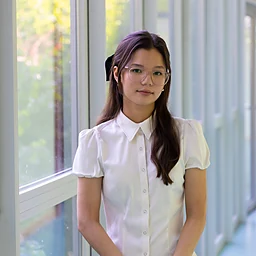
Corrie Ly Heydtmann
Secretary General

Duc Trung Nguyen
Head of Design
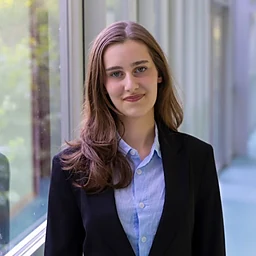
Elisabeth Belitz
Vice Secretary General

Julian Suszek
USG for Finance
Lina Oeztuerk
Director General and Head of Press & Social Media
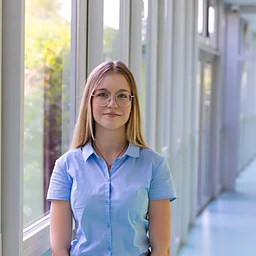
Shravan Shankar Coimbatore Shyamsundar
Head of Technology, Vice President of the General Assembly

More MUN conferences

ConferencesGermanyKantMUN 2026