IFMUN 2024

Ibrat Farzandlari Model United Nations

Apr 27–28, 2024 Samarkand, Uzbekistan

Ibrat Farzandlari Model United Nations

Conference

Samarkand, Uzbekistan·Asia

Apr 27–28, 2024

100 delegates expected

High school and university students

In English

How it went

4.4626 ratings from delegates
Academics
4.46
Logistics
4.38
Socials
4.54

About

Welcome to the 2024 Ibrat Farzandlari Model United Nations Conference in Samarkand! 

Get ready for an incredible conference! 🤝🌐 Enthusiastic students from all around the world come together for IFMUN to discuss important topics in simulated UN committees. Our conference, where action and diplomacy meet and current events affect the conversation, promotes critical thinking, negotiation skills, and multicultural understanding. Come to IFMUN 2024 with over 100 delegates from around the globe, set against the colorful backdrop of Samarkand! 🗺️🎉

✅The conference is free of charge, but if you are coming from other regions or countries, you will be self-funded for accommodation and flight tickets. However, our team is ready to provide you with a hotel guide! 

🔥 One of the main components of IFMUN has been a conference-wide crisis that puts you right in the middle of making decisions in real time. 📣⚡️ Respond to events as they happen and plan your country's decision-making. As a delegate, you have the authority to influence the story of your nation and make sure that your voice is heard on a worldwide scale.


Delegates collaborate with their fellow delegates and synchronize policies among committees. In the complex dance of diplomacy, cooperation is essential. Create coalitions, cross divides, and locate allies in unexpected places. 🌐 🤝

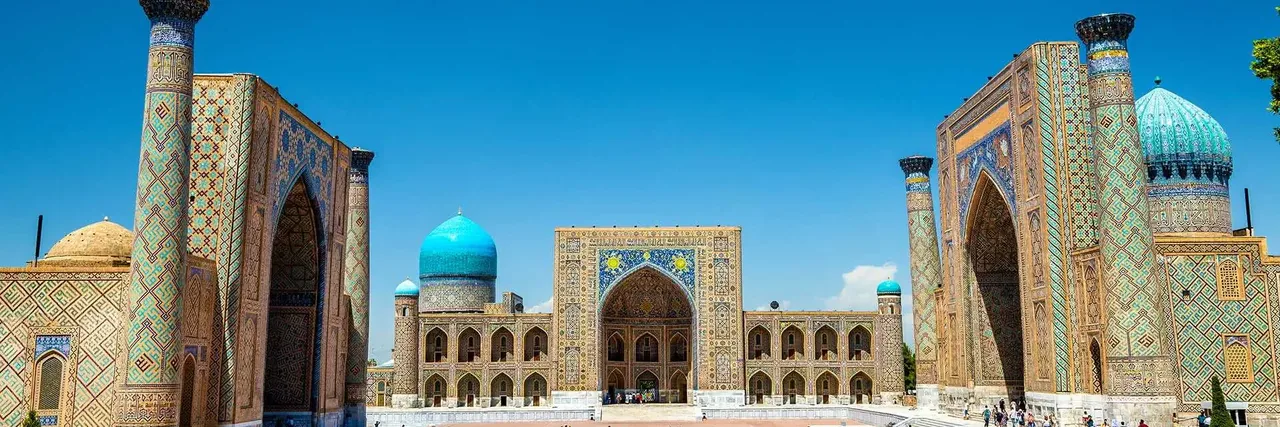
🚀 The adventure doesn't end when the sun sets! Participate in our social program alongside our esteemed delegates. dance or take a chance and visit the well-known Registan, Samarkand's main plaza that served as the Timurid dynasty's center and was constructed by Timur (Tamerlane), a Turkic-Mongolian leader 🌟

Come to IFMUN 2024 with us to join a varied group of delegates. ✍️

😗 Ready to embark on this journey? Stay in the loop by visiting and following our social media channels!!
 

The IFMUN 2024 countdown has started! 📆🌟

Email: ifmun.official@gmail.com


Committees
  • UNEP

    93 seats · Beginner · English
    Addressing Air Quality Issues: Reducing Pollutant Emissions and Improving Indoor and Outdoor Air Quality
    Ziyo Abdullazizov

    UNEP

    93 seats · Beginner · English

    Topic

    Addressing Air Quality Issues: Reducing Pollutant Emissions and Improving Indoor and Outdoor Air Quality

    About the committee

    Air pollution is a pressing global issue that poses significant threats to human health, ecosystems, and the environment. IFMUN focuses on the urgent need to address air quality issues and develop effective strategies to reduce pollutant emissions and improve both indoor and outdoor air quality. The United Nations Environment Programme (UNEP) has been actively involved in tackling air pollution for several years. UNEP, in collaboration with various stakeholders, has developed initiatives and frameworks to address this issue. For instance, UNEP's "Global Partnership on Air Pollution and Health" aims to raise awareness, promote research, and implement measures to reduce air pollution's adverse health impacts. Past actions by UNEP include supporting countries in implementing air quality monitoring systems, promoting the use of cleaner fuels and technologies, and encouraging the adoption of sustainable transport solutions. UNEP has also facilitated international cooperation and knowledge-sharing through initiatives such as the "Climate and Clean Air Coalition" and the "Global Environment Monitoring System for Air." During this MUN conference, delegates will have the opportunity to discuss and propose solutions to reduce pollutant emissions, improve air quality monitoring and reporting mechanisms, and enhance international cooperation in combating air pollution. Delegates will also explore strategies to promote sustainable practices in various sectors, including energy, transportation, industry, and agriculture, to mitigate the adverse impacts of air pollution on human health and the environment. By addressing air quality issues, delegates will contribute to the global effort in achieving the Sustainable Development Goals, particularly Goal 3 (Good Health and Well-being) and Goal 11 (Sustainable Cities and Communities). The conference will provide a platform for fruitful discussions and the formulation of actionable resolutions to combat air pollution and ensure cleaner, healthier environments for present and future generations.

    Chair

    Countries

    How this committee type works
  • UNGA

    75 seats · Intermediate · English
    Advancing Digital Rights and Privacy Protections: Balancing Security and Civil Liberties in the Digital Era
    Davronov Qilichbek

    UNGA

    75 seats · Intermediate · English

    Topic

    Advancing Digital Rights and Privacy Protections: Balancing Security and Civil Liberties in the Digital Era

    Chair

    Countries

    How this committee type works
  • UNODC

    33 seats · Intermediate · English
    Preventing Drug Abuse among Youth: Implementing Comprehensive Prevention Programs
    UNODC

    33 seats · Intermediate · English

    Topic

    Preventing Drug Abuse among Youth: Implementing Comprehensive Prevention Programs

    About the committee

    Drug abuse among youth poses significant health, social, and economic challenges globally. Recognizing the need to address this issue, the United Nations has taken past actions to prevent drug abuse and promote the well-being of young people. The United Nations Office on Drugs and Crime (UNODC) plays a crucial role in coordinating international efforts to prevent drug abuse. The UNODC's World Drug Report provides valuable data and analysis on drug trends, enabling evidence-based prevention strategies. The UN General Assembly has also held special sessions, such as the 2016 United Nations General Assembly Special Session (UNGASS) on the World Drug Problem, to assess progress and strengthen international cooperation in addressing drug abuse. Past UN actions include the adoption of the International Standards on Drug Use Prevention, which provide guidance to member states in developing comprehensive prevention programs. The UNODC's "UNODC-WHO International Standards on Drug Use Prevention" and "Handbook on Drug Abuse Prevention" offer valuable resources for designing and implementing evidence-based prevention interventions. The UN also supports initiatives like the "Education for Justice" program, which aims to prevent crime and drug abuse through education and awareness-raising activities. In this Model United Nations (MUN) topic, delegates will focus on preventing drug abuse among youth by implementing comprehensive prevention programs. They will discuss strategies to raise awareness, educate young people about the risks associated with drug abuse, and promote healthy lifestyles. Delegates will also explore ways to address the underlying factors that contribute to drug abuse, such as social inequality, peer pressure, and lack of access to education and employment opportunities. By analyzing past UN actions and building upon them, delegates will work towards comprehensive resolutions that aim to strengthen prevention efforts. Their discussions will revolve around designing effective prevention programs, promoting collaboration among member states, and ensuring the allocation of adequate resources for prevention initiatives. Through their deliberations, delegates will contribute to the global efforts to prevent drug abuse among youth and foster healthier and more resilient communities.

    Countries

    How this committee type works
  • UNHRC

    38 seats · Beginner · English
    Ensuring Quality Education for All: Encouraging Access to Education as a Fundamental Human Right
    Diyora Khakimova

    UNHRC

    38 seats · Beginner · English

    Topic

    Ensuring Quality Education for All: Encouraging Access to Education as a Fundamental Human Right

    About the committee

    Access to quality education is a fundamental human right that is essential for individuals to reach their full potential and participate fully in society. However, millions of children and adults around the world still face barriers to accessing education, including poverty, gender inequality, conflict, and discrimination. In recognition of the importance of education, the United Nations has taken significant actions to promote and protect this right. The Universal Declaration of Human Rights, adopted by the UN General Assembly in 1948, recognizes education as a fundamental human right. Additionally, the United Nations Sustainable Development Goals (SDGs) include a specific target (SDG 4) to ensure inclusive and equitable quality education for all by 2030. In the past, the UN has launched initiatives such as the Education for All (EFA) movement, which aimed to provide universal access to primary education and promote lifelong learning opportunities. The UN has also established the United Nations Educational, Scientific and Cultural Organization (UNESCO) to lead efforts in advancing education globally. Despite progress made, numerous challenges persist. These include inadequate infrastructure, shortage of trained teachers, lack of resources, and cultural barriers that prevent certain groups, such as girls, refugees, and marginalized communities, from accessing education. The COVID-19 pandemic has further exacerbated these challenges, highlighting the need for innovative solutions to ensure continuity of education in times of crisis. In this Model United Nations (MUN) topic, delegates will delve into the issue of ensuring quality education for all and encouraging access to education as a fundamental human right. Delegates will have the opportunity to discuss and propose strategies to address barriers to education, promote inclusive and equitable learning environments, enhance teacher training and support, and harness technology for educational advancement. By examining past UN actions and building upon them, delegates will work towards comprehensive resolutions that empower individuals and communities through education, ultimately contributing to a more equitable and sustainable future.

    Chair

    Countries

    How this committee type works

Partner conferences

UYLMUN 2024

Samarkand, Uzbekistan

View conference

Organizers

Amir Rakhimov
Under Delegate Relations Manager
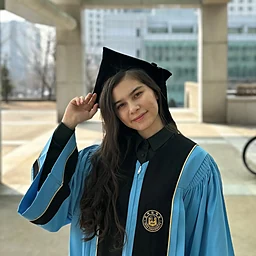
Mukhlisa Abdurakhimova
Deputy Secretary General


Samira Tolibova
Secretary General
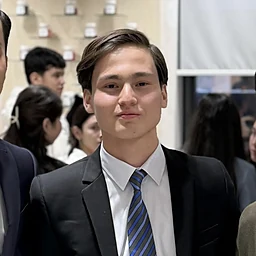
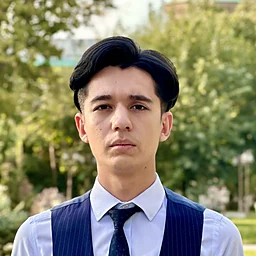
Sardor Rustamov
Media Manager
More MUN conferences

ConferencesUzbekistanIFMUN 2024