
Conference
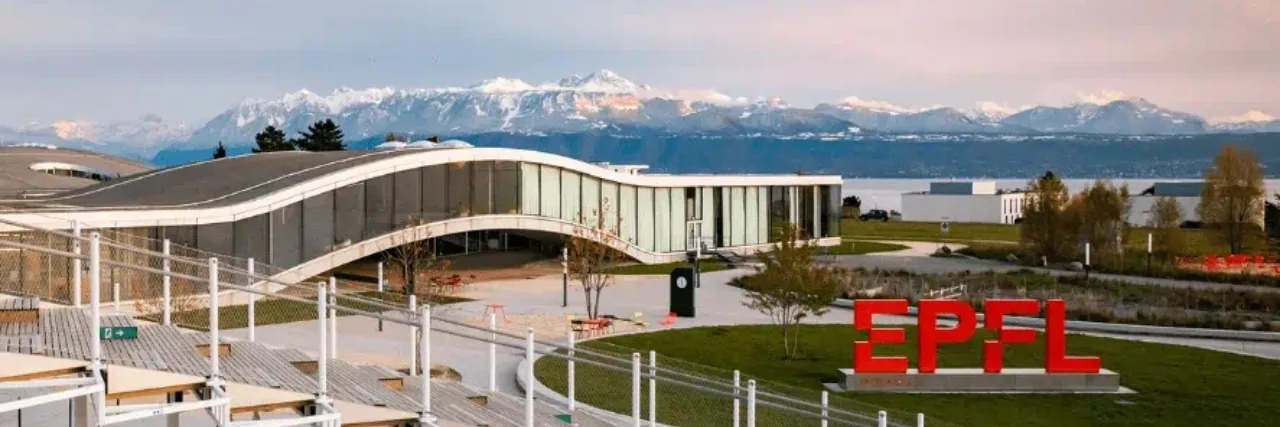
Lausanne, Switzerland·Europe
Mar 19–21, 2027
100 delegates expected
High school and university students
In English
Position paper deadlines differ by committee
About
Global Challenges: Balancing Sovereignty and International Cooperation
In an increasingly interconnected world, global challenges require collective solutions. States are faced with challenges that cross borders and require multilateral responses. These include international security and economic instability, technological developments, and humanitarian crises.
But international cooperation is rarely simple. National interests and strategic ambitions vary and this often makes collective action difficult. It raises profound questions about the relationship between national sovereignty and international responsibilities. Cooperation can help to solve common problems, but states must also protect and defend their own interests.
How can states protect their national sovereignty and interests while responding to global challenges through international cooperation?
This is the question that EPFLMUN 2027 will be asking, as delegates will be looking at the opportunities and limitations of international cooperation across a wide range of contemporary issues.
About EPFLMUN 2027
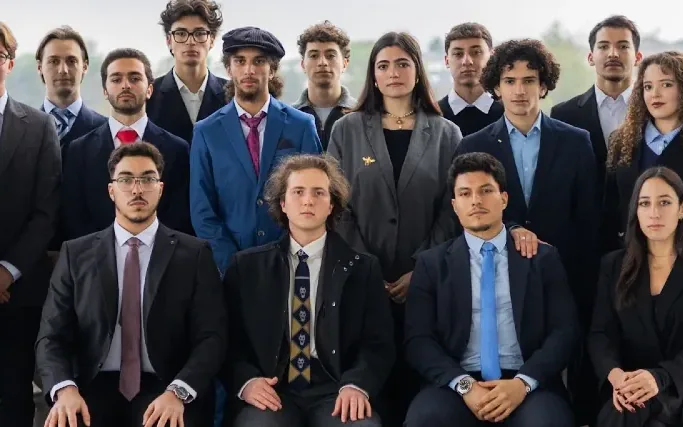
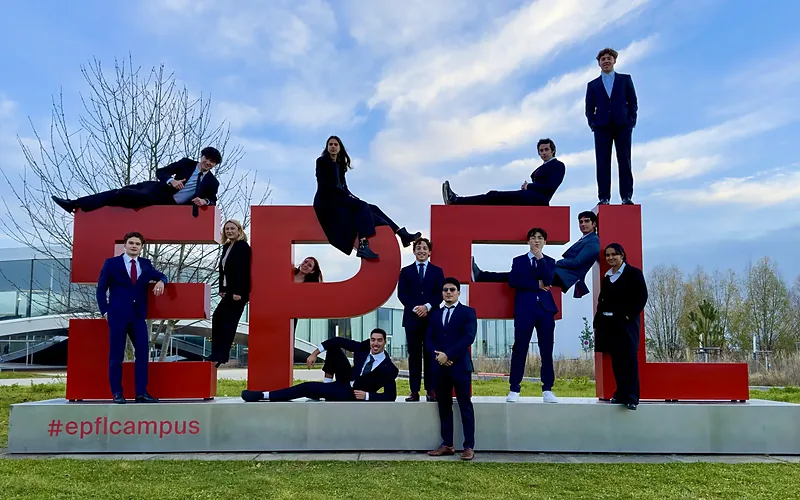
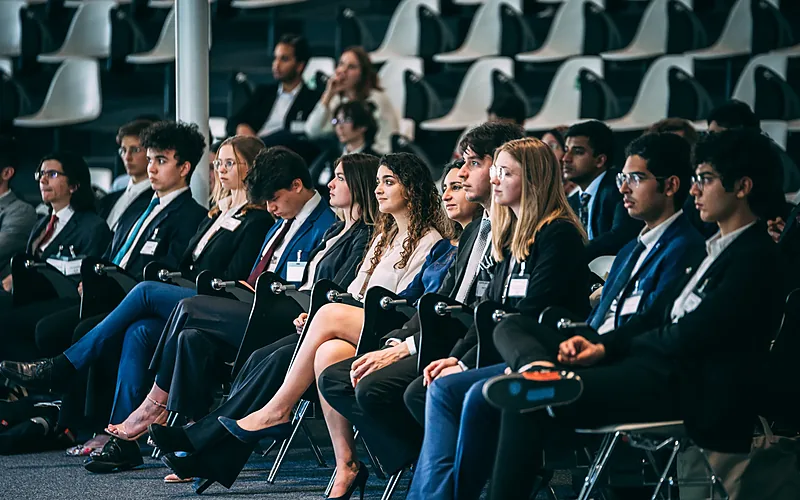
Organized by MUN EPFL, the Model United Nations association of the École Polytechnique Fédérale de Lausanne, EPFLMUN 2027 welcomes both beginners and experienced delegates from March 12 to 14, 2027, for three days of debate, diplomacy, and international exchange in Lausanne, Switzerland.
For any questions regarding delegate applications, registrations, or participation, please make sure to contact our Delegate Services team at delegateservices@mun-epfl.ch.
What's included in the participation fee?
Your participation fee grants you a full access to :
- 3 full days of debates
- 4 coffee breaks
- 2 lunches
- Social events
- Conference goodies
- Certificate of participation
- Delegate processing fees
Application & Allocation Rounds
- Early Bird Allocations: December 22, 2026
- 1st Regular Round Allocations: January 19, 2027
- 2nd Regular Round Allocations: February 16, 2027
- Late Round Allocations: March 1, 2027
Applications close on February 28, 2027.
We look forward to welcoming you to EPFLMUN 2027!
Committees
- Protecting Women and Girls in Conflict and Post-Conflict Settings
- Restoring Security in Haiti: International Intervention and State Sovereignty

Past editions
average of 113 ratings
6 editions since 2022
- Academics
- 4.4
- Logistics
- 4.2
- Socials
- 4.2



Organizers

More MUN conferences
SwitzerlandMUN conferences in Switzerland EuropeMUN conferences in Europe March 2027MUN conferences in March 2027 High school MUNMUN conferences for high school students University MUNMUN conferences for university students
ConferencesSwitzerlandEPFLMUN 2027