About
EMERGE-CRUCIBLE 2026: Where young minds meet, diplomacy comes alive and the future takes shape.
EMERGE-CRUCIBLE SECONDARY SCHOOL MODEL UNITED NATIONS CONFERENCE 2026
Two Days of Diplomacy. One Unforgettable Greek Night.
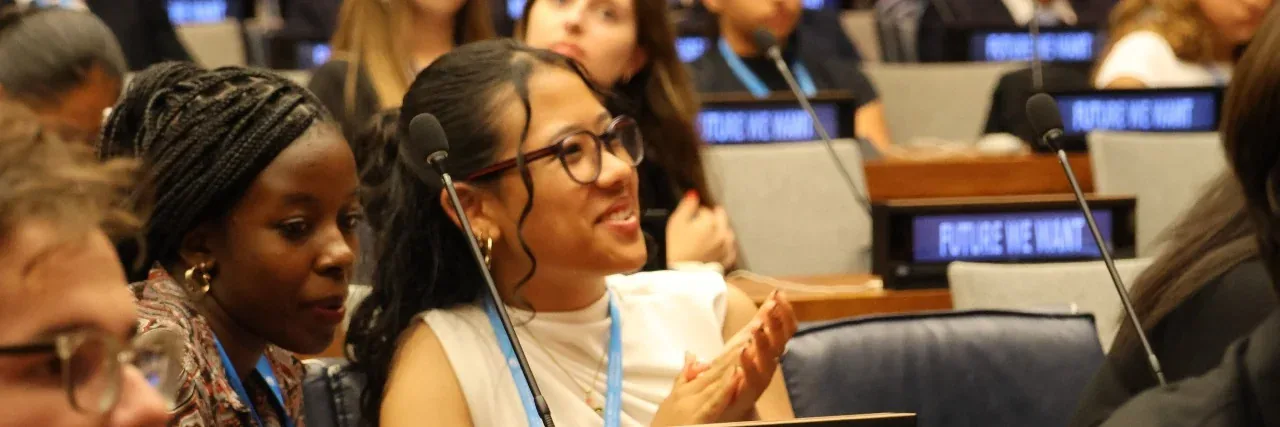
The EMERGE-CRUCIBLE Secondary School Model United Nations Conference 2026 brings together ambitious secondary school students from across Zambia for two days of diplomacy, debate, negotiation and global engagement. Organised by EMERGE Zambia, the conference offers young people a platform to step into the shoes of world leaders, engage with pressing international challenges and discover the power of dialogue in shaping a better future.
Under the theme “Beyond GDP: Redefining Global Progress for People, Planet, and Prosperity,” delegates will explore what it truly means for nations to prosper. Moving beyond economic figures alone, participants will examine the importance of human well-being, environmental sustainability, social inclusion, innovation and responsible governance in building a more equitable and sustainable world.
Through simulated United Nations committee sessions, delegates will represent Member States, debate contemporary global issues, negotiate competing interests, draft resolutions and work towards practical solutions inspired by the United Nations Sustainable Development Goals (SDGs). Whether stepping into the world of Model United Nations for the first time or returning with prior experience, every delegate will have the opportunity to sharpen their public speaking, critical thinking, research, diplomacy, leadership and negotiation skills.
But diplomacy is not only about formal speeches and negotiations; it is also about building connections, celebrating cultures and creating lasting memories. As the debates conclude and the diplomatic ties are forged, the experience will culminate in an unforgettable Greek Night—an evening of cultural celebration, elegance, music and fellowship, bringing delegates together beyond the committee rooms.
Join us on 27–28 November 2026 at Crucible School, Lusaka, for an experience that combines intellectual challenge, meaningful engagement and vibrant cultural exchange.
EMERGE-CRUCIBLE 2026: Where young minds meet, diplomacy comes alive and the future takes shape.
Committees
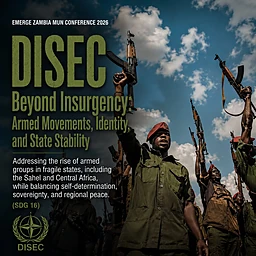
Topic: Beyond Insurgency; Armed Movements, Identity, and State Stability This topic challenges delegates to examine the growing influence of armed groups in fragile states, particularly across the Sahel and Central Africa, and their impact on peace, security, and governance. The committee will explore the root causes of insurgency, including political instability, identity-based conflicts, and socio-economic inequalities, while debating solutions that uphold self-determination, respect state sovereignty, strengthen regional cooperation, and advance sustainable peace in line with Sustainable Development Goal 16: Peace, Justice, and Strong Institutions.
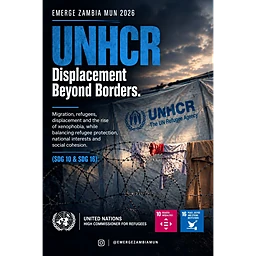
Topic: Beyond Survival; Protecting Refugee Children's Education, Identity, and Future. This topic challenges delegates to address the long-term needs of refugee children living in prolonged displacement. The committee will explore policies that ensure access to quality education, legal identity, healthcare, psychosocial support, and protection from exploitation, while promoting inclusion and equal opportunities for every child. Discussions will advance Sustainable Development Goals 4 and 10: Quality Education and Reduced Inequalities, ensuring that refugee children are empowered not only to survive, but to thrive.
 Rebecca Gutinyu
 Mulenga Chongo
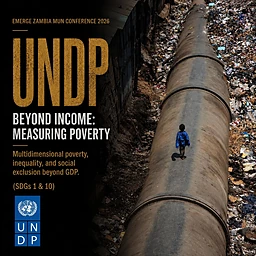
Beyond Income: Measuring Poverty This committee challenges delegates to rethink how poverty is measured by looking beyond income and GDP to examine multidimensional poverty, inequality, and social exclusion. The committee will explore how factors such as access to education, healthcare, housing, employment, and social protection shape people's quality of life, while developing policies that reduce inequality, promote inclusive development, and advance Sustainable Development Goals 1 and 10: No Poverty and Reduced Inequalities.
 Tabo Mwansa
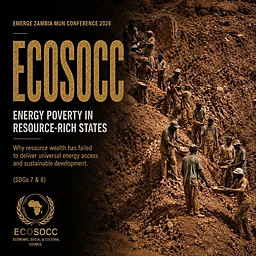
Topic: Energy Poverty in Resource-Rich States This committee will examine the paradox of why many countries blessed with abundant natural resources continue to face limited access to reliable, affordable, and sustainable energy. Delegates will explore the challenges of governance, infrastructure, investment, and equitable resource management, while proposing policies that expand energy access, drive economic growth, create decent jobs, and promote sustainable development in line with Sustainable Development Goals 7 and 8: Affordable and Clean Energy, and Decent Work and Economic Growth.
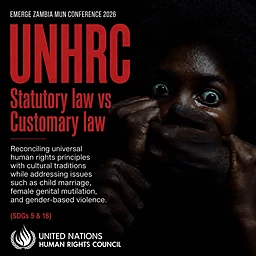
Topic: Statutory Law vs Customary Law This topics invites delegates to examine the complex relationship between universal human rights and cultural traditions. The committee will debate how states can uphold human rights while respecting cultural practices, with particular focus on addressing child marriage, female genital mutilation, and gender-based violence through legal reform, education, community engagement, and stronger institutions. Discussions will be guided by Sustainable Development Goals 5 and 16: Gender Equality, and Peace, Justice and Strong Institutions.
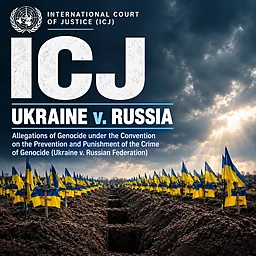
Case Focus: Ukraine v. Russian Federation (International Court of Justice) The case focuses on Ukraine’s allegations that Russia misused the 1948 Convention on the Prevention and Punishment of the Crime of Genocide to justify its military actions in Ukraine. The proceedings examine the interpretation and application of the Genocide Convention, the legal basis for Russia’s claims of genocide, and the responsibilities of states under international law.
Past editions
- 4editions since 2024
- 4.02 average of 167 ratings
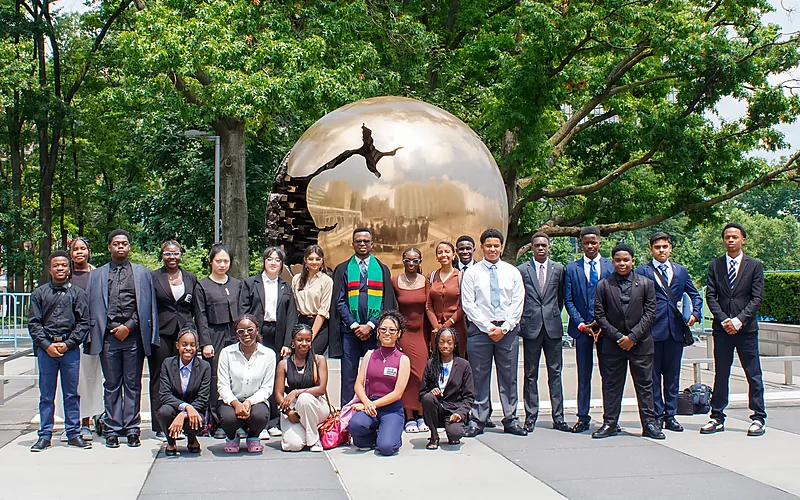
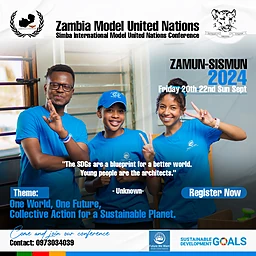
Organizers


Humairaa Khan
Secretary General
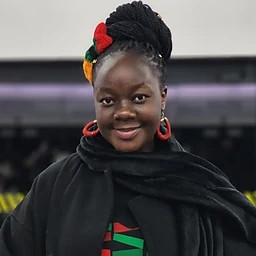
Mthunzi Lupaka
Secretary General

Tangu Manunga
Under Secretary General Media
More MUN conferences
ZambiaMUN conferences in Zambia AfricaMUN conferences in Africa November 2026MUN conferences in November 2026 High school MUNMUN conferences for high school students
ConferencesZambiaEMERGE CRUCIBLE NATIONAL MODEL UNITED NATIONS 2026