
DUMUN 2027

Duhovka High School Model United Nations

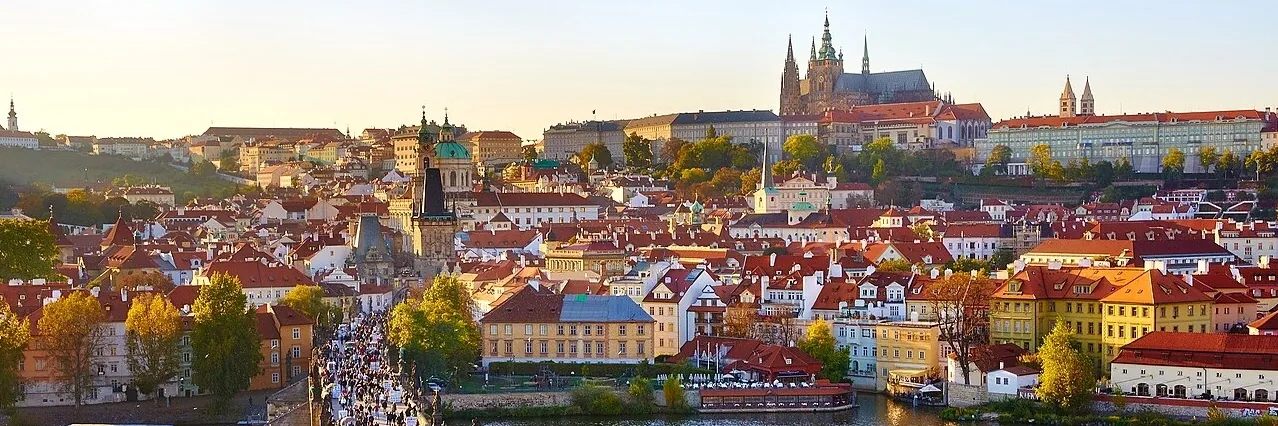
Feb 5–8, 2027 Prague, Czech Republic

Duhovka High School Model United Nations

Next deadline Nov 15 for chairs · 12 days left

Conference

Feb 5–8, 2027

150 delegates expected

High school students

In English

Applications

Open
  • ChairsJun 1 – Nov 15, 2026Open
  • Delegates, Head delegates, Faculty advisorsJun 15, 2026 – Jan 1, 2027Open

About

We’re excited to announce the second edition of DUMUN (Duhovka High School Model United Nations), a UN simulation held in Prague. Conducted in English, DUMUN brings together high school students from all over the world to debate global issues. The conference is well suited for MUN first-timers as well as experienced MUN veterans. Find out more at our website or on our socials.

Committees

  • 25 countries
    1. The Use of the Death Penalty and Its Compatibility with International Human Rights Standards
    2. The Human Rights Impact of LGBT-related Legislation and Criminalization

    • Karolina Caithamelova
    • Karolina Simpartlova

    Human Rights Council

    Beginner · English · 25 countries

    Topics

    1. The Use of the Death Penalty and Its Compatibility with International Human Rights Standards
    2. The Human Rights Impact of LGBT-related Legislation and Criminalization

    About the committee

    1. The use of the death penalty remains one of the most controversial issues in international human rights law. While more than two-thirds of countries worldwide have abolished capital punishment in law or practice, several states continue to apply it for crimes such as murder, drug trafficking, and terrorism. Critics argue that capital punishment violates the fundamental right to life and risks irreversible miscarriages of justice, while supporters claim it remains a legitimate criminal justice measure and deterrent. The debate continues to divide governments and legal systems worldwide. 2. Legislation affecting LGBT individuals continues to vary widely across the world, creating ongoing debates about equality, discrimination, and human rights protections. While many countries have introduced laws protecting the rights of lesbian, gay, bisexual, and transgender people, others maintain legislation that criminalizes same-sex relationships or restricts related freedoms. Human rights organizations argue that such policies contribute to discrimination, violence, and social exclusion, while some governments defend them based on cultural, religious, or legal traditions. As global discussions around equality and human rights continue to evolve, the role of international institutions remains crucial.

    Chairs

    Countries

    How this committee type works
  • 25 countries
    1. Addressing Global Debt Crises in Developing Nations
    2. Addressing the Global Affordable Housing Crisis in Rapidly Urbanizing Cities

    • Dinmukhammad Anvarov

    Economic and Social Council

    Beginner · English · 25 countries

    Topics

    1. Addressing Global Debt Crises in Developing Nations
    2. Addressing the Global Affordable Housing Crisis in Rapidly Urbanizing Cities

    About the committee

    1. Rising public debt has become a major challenge for many developing countries, limiting their ability to invest in economic growth, healthcare, education, and infrastructure. According to the International Monetary Fund and the World Bank, dozens of low-income countries are currently at high risk of debt distress or already facing severe financial crises. Global shocks such as the COVID-19 pandemic, rising interest rates, and economic instability have further worsened the situation. Addressing this issue requires coordinated international action, including debt restructuring, financial assistance, and sustainable economic policies. 2. Rapid urbanization has created a growing global housing crisis, particularly in developing regions where cities are expanding faster than infrastructure and housing supply. According to the United Nations Human Settlements Programme, billions of people worldwide lack access to safe and affordable housing, with many living in informal settlements or overcrowded conditions. Rising property prices, limited land availability, and insufficient public housing programs have made housing increasingly inaccessible for low- and middle-income populations. Without effective policies, housing shortages could worsen inequality and strain urban infrastructure.

    Chair

    Countries

    How this committee type works
  • 20 countries
    1. Combating the Illicit Trade of Small Arms and Light Weapons
    2. Preventing Non-State Armed Groups from Acquiring Advanced Weapons Systems
    • Filip Nielsen
    • Klara Duffkova

    Dissarment and Security Committee

    Intermediate · English · 20 countries

    Topics

    1. Combating the Illicit Trade of Small Arms and Light Weapons
    2. Preventing Non-State Armed Groups from Acquiring Advanced Weapons Systems

    About the committee

    1. The illicit trade of small arms and light weapons continues to fuel conflicts, organized crime, and political instability worldwide. Weapons such as rifles, pistols, and machine guns are often trafficked across borders through illegal networks, enabling armed groups and criminal organizations to sustain violence. Weak border controls, corruption, and inadequate regulation of arms transfers further complicate efforts to control the spread of these weapons. International initiatives have sought to address this issue through treaties, monitoring mechanisms, and improved cooperation between states. 2. Advances in military technology have made increasingly sophisticated weapons systems more accessible, raising concerns about their potential acquisition by non-state armed groups. Technologies such as drones, advanced missile systems, and cyber warfare tools were once limited to national militaries but are now becoming more widely available. Groups involved in conflicts and terrorism have already demonstrated the ability to adapt commercial technologies for military purposes. This trend poses significant risks to international security and civilian populations, particularly in regions experiencing ongoing conflict. Preventing the proliferation of advanced weapons requires stronger export controls, improved intelligence cooperation, and international regulatory frameworks.

    Chairs

    Countries

  • 20 countries
    1. Combating the Global Production, Trafficking, and Distribution of Fentanyl
    2. Strengthening Global Strategies for the Rehabilitation and Social Reintegration of Drug-Dependent Individuals

    United Nations on Drugs and Crime

    Intermediate · English · 20 countries

    Topics

    1. Combating the Global Production, Trafficking, and Distribution of Fentanyl
    2. Strengthening Global Strategies for the Rehabilitation and Social Reintegration of Drug-Dependent Individuals

    About the committee

    1. The rapid rise of synthetic opioids, particularly Fentanyl, has created a global public health crisis. Originally developed as a powerful medical painkiller, fentanyl is significantly more potent than morphine and heroin, making it extremely dangerous when produced or distributed illegally. In recent years, illicit fentanyl production and trafficking networks have expanded across multiple regions, contributing to a dramatic increase in overdose deaths. Combating this issue requires coordinated action involving law enforcement, public health systems, and international cooperation to disrupt trafficking networks and prevent illegal production. 2. Drug dependence remains a major global health and social challenge, affecting millions of individuals and communities worldwide. Traditional punitive approaches have often failed to address the underlying causes of addiction, leading many countries to explore treatment-focused strategies instead. Effective rehabilitation programs, access to healthcare, and social reintegration initiatives are critical for reducing relapse rates and supporting long-term recovery. However, disparities in healthcare resources and stigma surrounding addiction continue to limit access to treatment in many regions.

    Countries

    How this committee type works
  • 15 countries
    1. Addressing the Rise of Terrorism and Political Instability in the Sahel Region
    • Erik Cuc
    • Marta Germaniuk

    Security Council

    Intermediate · English · 15 countries

    Topic

    Addressing the Rise of Terrorism and Political Instability in the Sahel Region

    About the committee

    In recent years, the Sahel region of Africa has become a major center of terrorist activity and instability. Armed groups such as Boko Haram, Islamic State in the Greater Sahara, and Jama'at Nasr al-Islam wal Muslimin have carried out attacks across countries including Mali, Burkina Faso, and Niger. These groups exploit weak governance, poverty, and regional instability to expand their influence, leading to thousands of deaths and the displacement of millions of civilians. Despite efforts by international forces and regional coalitions to restore stability, violence continues to spread across borders. Delegates will examine strategies to combat terrorism, strengthen regional cooperation, and address the underlying causes of insecurity in the Sahel region.

    Chairs

    Countries

    How this committee type works
  • 15 countries
    1. The Cuban Missile Crisis, 1962: Preventing Nuclear Escalation During the Cold War
    • Jakub Čihula
    • Maria Victoria Jelínek

    Historical Security Council

    Expert · English · 15 countries

    Topic

    The Cuban Missile Crisis, 1962: Preventing Nuclear Escalation During the Cold War

    About the committee

    In October 1962, the world stands on the brink of nuclear war during the Cuban Missile Crisis. The confrontation began when the United States discovered that the Soviet Union had installed nuclear missile sites in Cuba, capable of striking much of the United States within minutes. The discovery triggered a tense standoff between the two superpowers, marked by naval blockades, military mobilization, and intense diplomatic negotiations between leaders such as John F. Kennedy and Nikita Khrushchev. With the risk of nuclear conflict threatening global security, time is key and stability must be restored.

    Chairs

    Countries

    How this committee type works
  • 13 countries
    1. The Prosecutor v. Min Aung Hlaing
    • František Novák
    • Alexander Watson

    International Criminal Court

    Expert · English · 13 countries

    Topic

    The Prosecutor v. Min Aung Hlaing

    About the committee

    The case of The Prosecutor v. Min Aung Hlaing concerns allegations that the military leadership of Myanmar committed genocide and crimes against humanity against the Rohingya minority. Beginning in 2017, military operations forced more than 700,000 Rohingya civilians to flee to neighboring Bangladesh, creating one of the largest refugee crises in the world. Reports from international organizations have documented widespread abuses including killings, sexual violence, and the destruction of villages. The International Criminal Court plays a critical role in investigating and prosecuting individuals responsible for such serious crimes under international law.

    Chairs

    Countries

    How this committee type works
  • 15 countries

    To be announced at the opening ceremony…
    CRISIS

    Expert · English · 15 countries

    About the committee

    To be announced at the opening ceremony…
    Countries

    How this committee type works

Organizers

Dylan Brown
Head of Sponsorhips

Eliška Heidlerová
Head of Admins

Ema Kafková
Head of Registrations

Lukáš Haluza
Head of Finance
Ondřej Folda
Secretary General

Thomas Jan Poulson
Secretary General

More MUN conferences

ConferencesCzech RepublicDUMUN 2027