The_Hyd_MUN 2026

The MUN

Nov 14–15, 2026 Online

The MUN

Conference

Online

Nov 14–15, 2026

70 delegates expected

High school and university students

In English

About

Different Perspectives. A Stronger Tomorrow.

THE MUN 2026

THE MUN is a platform where diplomacy, leadership, and global perspectives come together.

Designed to recreate the spirit of the United Nations, THE MUN brings together passionate students from diverse backgrounds to step into the roles of diplomats, policymakers, and international leaders. Through engaging committee sessions, delegates will be challenged to research complex global issues, negotiate with fellow representatives, formulate solutions, and advocate for the interests of their assigned countries.

But Model United Nations is more than speeches and resolutions. It is about understanding perspectives different from our own, finding common ground in disagreement, and learning that meaningful change is built through dialogue and collaboration.

At THE MUN, every delegate has a voice, every perspective has value, and every debate is an opportunity to think beyond borders.

Whether you are an experienced MUNer or attending your first conference, THE MUN aims to provide an environment that challenges you intellectually, strengthens your diplomacy and public-speaking skills, and leaves you with experiences that extend far beyond the committee room.

Different nations. Different perspectives. One platform.

Welcome to THE MUN 2026 - where diplomacy begins with dialogue.

Committees

  • 30 countries
    1. Human Rights in the Age of AI-Powered Mass Surveillance, Predictive Policing and Biometric Identification
    2. Protecting Civilian Populations During Internal Armed Conflicts: Addressing Forced Displacement, Arbitrary Detention and Attacks on Humanitarian Actors
    3. Digital Authoritarianism and the Right to Dissent: Protecting Freedom of Expression Against Internet Shutdowns, Online Censorship and State-Controlled Information Systems
    • Doruk Özdemir
    • Md. Faijul Haque

    UNHRC

    Beginner · English · 30 countries

    Topics

    1. Human Rights in the Age of AI-Powered Mass Surveillance, Predictive Policing and Biometric Identification
    2. Protecting Civilian Populations During Internal Armed Conflicts: Addressing Forced Displacement, Arbitrary Detention and Attacks on Humanitarian Actors
    3. Digital Authoritarianism and the Right to Dissent: Protecting Freedom of Expression Against Internet Shutdowns, Online Censorship and State-Controlled Information Systems

    About the committee

    The United Nations Human Rights Council is responsible for addressing violations of fundamental human rights and promoting the protection of human dignity across the international community. The committee requires delegates to examine complex situations where human rights intersect with national sovereignty, security, technology, armed conflict, and political freedoms. At THE MUN 2026, UNHRC will challenge delegates to move beyond broad declarations of human rights and develop practical, legally and politically viable mechanisms for protecting individuals while accounting for the differing legal systems and national interests of member states.

    Chairs

    Countries

    How this committee type works
  • 14 countries
    1. Preventing Nuclear Escalation in a Multi-Domain Conflict: Responding to Cyberattacks, Space-Based Disruption and Strategic Weapons Threats
    2. The Internationalization of a Regional Conflict: Preventing Proxy Warfare from Escalating into Direct Confrontation Between Major Powers
    3. Protecting Critical Civilian Infrastructure During Armed Conflict: Addressing Attacks on Energy, Telecommunications, Water and Transportation Systems

    • Anwesha Jha
    • Sashwin Gautham S
    • Ritisha Sarin

    UNSC

    Beginner · English · 14 countries

    Topics

    1. Preventing Nuclear Escalation in a Multi-Domain Conflict: Responding to Cyberattacks, Space-Based Disruption and Strategic Weapons Threats
    2. The Internationalization of a Regional Conflict: Preventing Proxy Warfare from Escalating into Direct Confrontation Between Major Powers
    3. Protecting Critical Civilian Infrastructure During Armed Conflict: Addressing Attacks on Energy, Telecommunications, Water and Transportation Systems

    About the committee

    The United Nations Security Council bears primary responsibility for maintaining international peace and security. The committee provides delegates with an opportunity to address conflicts where diplomacy, strategic interests, humanitarian concerns, and great-power politics intersect. At THE MUN 2026, UNSC will require delegates to think beyond conventional speeches and resolutions. Delegates must consider the legal authority of the Council, the interests of permanent and non-permanent members, the possibility of vetoes, sanctions, peacekeeping operations, ceasefires, and the consequences of military escalation. The committee is designed to test whether delegates can negotiate meaningful action while operating within the political and legal constraints of the Security Council.

    Chairs

    Countries

    How this committee type works
  • 22 countries
    1. The 2026 Regulation Revolution: Technical Protests, Performance Advantages and the Future of Formula 1
    2. The Championship at Breaking Point: Team Orders, Driver Rivalries and the Ethics of Sacrificing One Driver for the Team
    3. Cost Cap vs. Performance: Managing Financial Regulation, Technical Development and Competitive Equality in Formula 1

    • Arka Izyan Wardhana Ambon
    • Ayesha Mahira

    F1

    Intermediate · English · 22 countries

    Topics

    1. The 2026 Regulation Revolution: Technical Protests, Performance Advantages and the Future of Formula 1
    2. The Championship at Breaking Point: Team Orders, Driver Rivalries and the Ethics of Sacrificing One Driver for the Team
    3. Cost Cap vs. Performance: Managing Financial Regulation, Technical Development and Competitive Equality in Formula 1

    About the committee

    The Formula 1 Committee is a specialized simulation that moves beyond traditional MUN diplomacy and places delegates inside the competitive, strategic, and regulatory world of Formula 1. Delegates will represent teams, drivers, governing authorities, and other key stakeholders while navigating technical disputes, championship strategy, financial regulations, driver relationships, sporting regulations, and rapidly developing race-weekend situations. The committee is designed to reward delegates who can combine strategic thinking, negotiation, technical understanding, commercial awareness, and quick decision-making. Rather than functioning as a conventional country-based committee, the F1 simulation will operate through teams and individual drivers, with developments introduced throughout the simulation.

    Chairs

    Countries

Organizers

CHIRAG BHAWANI
Organization Account
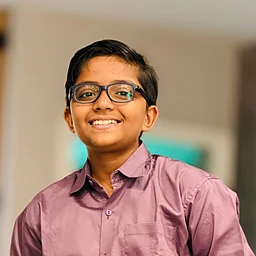
Chirag Bhawani
Secretary General

More MUN conferences

ConferencesOnlineThe_Hyd_MUN 2026