TAFMUN 2024

The African FutureTrust Model United Nations

Dec 3–6, 2024 Rome, Italy

The African FutureTrust Model United Nations

Conference

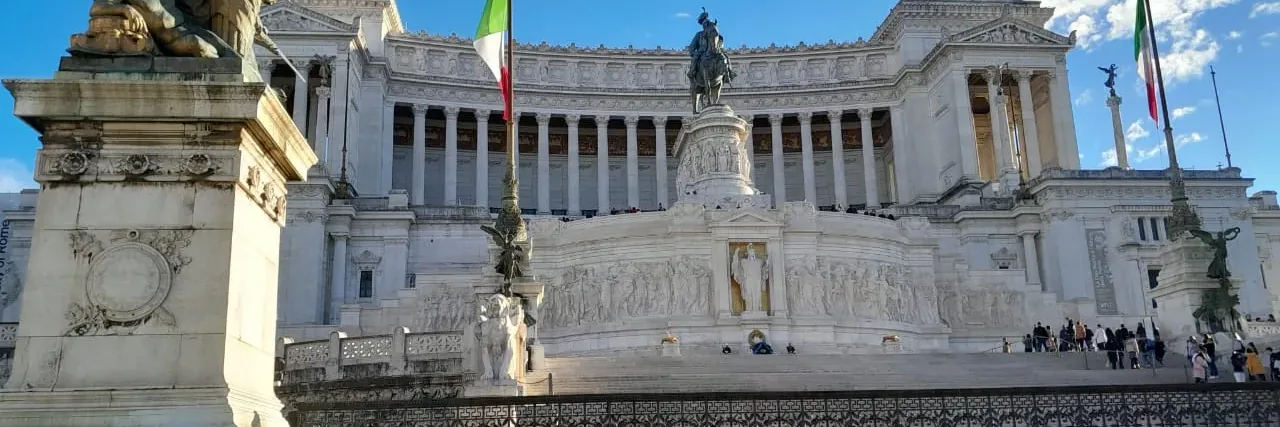
Rome, Italy·Europe

Dec 3–6, 2024

350 delegates expected

High school and university students

In English

Applications

Closed
  • DelegatesMar 21 – Dec 3, 2024
  • Head delegates, Faculty advisorsJun 16 – Dec 3, 2024

About

Building Futures...... Changing Lives

Rome TAFMUN conference is intended to set a new benchmark in ModelUN. It is poised to be a consolidation of our passion for preparing our young ones for the future.

A One-Stop educational and fun-filled 4-day conference for Leadership, Employability & 21st century life skills.

Committees

  • 100 countries
    1. Harnessing Regional Agricultural Strengths for Global Food Security
    2. Climate-Smart Agriculture

    Food and Agricultural Organization (FAO)

    Beginner · English · 100 countries

    Topics

    1. Harnessing Regional Agricultural Strengths for Global Food Security
    2. Climate-Smart Agriculture

    About the committee

    FAO's vision is of a 'world free from hunger and malnutrition, where food and agriculture contribute to improving the living standards of all, especially the poorest, in an economically, socially and environmentally sustainable manner. To help its Member Countries realise that shared vision - individually at the national level and collectively at the regional and global levels - FAO organizes its work, taking into account the main challenges facing the food and agriculture sector.

    Countries

  • 154 countries
    1. Small Arms and Light Weapons (SALW) in Africa
    2. Convention Arms Control in Europe

    DISEC

    English · 154 countries

    Topics

    1. Small Arms and Light Weapons (SALW) in Africa
    2. Convention Arms Control in Europe

    About the committee

    The Disarmament and International Security Committee (DISEC) is the first of the six committees that comprise the United Nations General Assembly (UNGA). DISEC was established with the purpose of holding forums to discuss peace, security and disarmament while ensuring equal representation for all committee members. According to the United Nations Charter, DISEC’s role in the GA is to promote international peace, security, and stability. DISEC was established in 1945 to address international conflicts among the General Assembly of the United Nations. DISEC has accomplished legislative milestones. Notably, it played a key role in establishing the Treaty on the Non-Proliferation of Nuclear Weapons (NPT), an international treaty designed to prevent the expansion of nuclear weapons and technology. The NPT also promotes cooperation and the peaceful use of nuclear energy and strives to achieve maximal nuclear disarmament. Furthermore, DISEC has been influential in establishing Nuclear-Weapon-Free-Zones and the Partial Test Ban Treaty, banning nuclear weapons testing underwater and in outer space. DISEC drafts resolutions regarding security issues which are deliberated and then applied internationally. Through its democratic approach to global security issues, DISEC allows nations to collaborate and establish precedents for international conflict resolution, but it cannot mandate any specific state or legally binding actions. DISEC addresses all matters regarding disarmament and international security, typically collaborating with international and non-governmental organizations. These include the UN Office for Disarmament Affairs (UNODA) and the Conference on Disarmament, among others. Discussions within DISEC can encompass a range of topics, from ensuring geopolitical stability to amplifying nuclear proliferation efforts. Still, DISEC’s main priority is ensuring security and peace on a global scale.

    Countries

    How this committee type works
  • 195 countries
    1. Combating Malnutrition in Conflict Zones
    2. Humanitarian Responses to Environmental Crisis
    SOCHUM

    English · 195 countries

    Topics

    1. Combating Malnutrition in Conflict Zones
    2. Humanitarian Responses to Environmental Crisis

    About the committee

    The Social, Humanitarian, and Cultural (Third) Committee, or SOCHUM, is one of the United Nations General Assembly’s (UNGA) six main committees. It was founded in 1945, after the creation of the Universal Declaration of Human Rights (UDHR). The UDHR outlines the fundamental human rights that SOCHUM must seek to defend globally. SOCHUM follows the UN Charter, which structures the United Nations by describing the responsibilities and procedures that the organs are bound to. It also sets out key principles, such as member state sovereignty, which refers to the autonomy that a Member State has when it is part of a larger international organization. SOCHUM’s mandate extends to discussing social, humanitarian, and cultural issues, as well as protecting human rights among the international community. It takes on a broader scope than other committees, allowing comprehensive discussions on important global challenges. The right to life, cultural expression, accessibility, disabilities, the promotion of social development, and other various topics that reflect emerging global challenges are often discussed.

    Countries

    How this committee type works

More MUN conferences

ConferencesItalyTAFMUN 2024