Stras 2026

Stras'Mun : Sciences Po Strasbourg's Model of United Nations

Mar 27–29, 2026 Strasbourg, France

Stras'Mun : Sciences Po Strasbourg's Model of United Nations

Conference

Strasbourg, France·Europe

Mar 27–29, 2026

120 delegates expected

University students

In English and French

How it went

4.2738 ratings from delegates
Academics
4.34
Logistics
4.21
Socials
4.26

About

Stras'MUN 2026 : In the face of divisions, rebuilding global governance

Join us for StrasMUN 2026, the annual Model United Nations conference hosted by Sciences Po Strasbourg, taking place from March 27 to 29, 2026, in the European capital of Strasbourg. A crossroads of cultures and the home of the European Parliament, Strasbourg offers the perfect setting for debating global challenges and experiencing diplomacy in action.

This year, delegates will have the chance to take part in a diverse range of committees:

  • 3 traditional MUN committees for those who want to immerse themselves in the formal and diplomatic spirit of the United Nations.
  • 1 French-speaking Wargame committees, where participants engage in strategic, military-style simulations blending negotiation, strategy, and alliances.
  • 1 French-speaking Crisis committee, designed for fast-paced, role-playing debates set in the heart of an unfolding international crisis.

StrasMUN is more than a conference, it is an experience. Beyond intense debates and carefully crafted resolutions, delegates will enjoy a warm and welcoming atmosphere, with social events designed to create lasting connections. From our Delegate's social to the renowned Stras'MUN Gala, the conference combines academic rigor with unforgettable moments of celebration and networking.

Whether you are a seasoned delegate or new to the world of international relations, Stras'MUN 2026 promises an unparalleled blend of diplomacy, strategy, and conviviality. Come and discover Strasbourg, debate with passion, and experience three days you will never forget.

Committees

  • 35 countries
    1. International Security : Ensuring the disarmament of non-state actors

    • Alix Daudonnet
    • Vadim Zabalza

    United Nations Disarmament and International Security Committee - English

    Intermediate · English · 35 countries

    Topic

    International Security : Ensuring the disarmament of non-state actors

    About the committee

    The proliferation of weapons in the hands of non-state actors — terrorist groups, militias, criminal organizations — is one of the major threats to contemporary international security. Their growing access to small arms, military technologies, and even weapons of mass destruction undermines the stability of states, prolongs conflicts, and threatens civilian populations. This committee invites you to consider ways of limiting this access: international cooperation, traceability mechanisms, strengthening existing legal regimes, or new diplomatic approaches. Delegates will have to reconcile security imperatives with political realities, while asking the central question: how can the international community effectively disarm actors who escape traditional state rules?

    Chairs

    Countries

    How this committee type works
  • 43 countries
    1. Labour rights : Towards greater protection of migrant workers amid rising cultural tensions
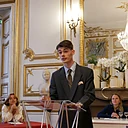
    • Jérôme Lorrain
    • Raja Chidiac

    International Labor Organization - English

    Intermediate · English · 43 countries

    Topic

    Labour rights : Towards greater protection of migrant workers amid rising cultural tensions

    About the committee

    The International Labour Organization, as the UN’s guardian of social justice and labour rights, now faces one of the most urgent challenges of our time: ensuring the protection of migrant workers in a world where cultural tensions are steadily rising. Across continents, migrant labour remains indispensable to national economies, yet those who sustain key sectors often confront discrimination, exploitative recruitment practices, unsafe working conditions and increasingly restrictive national policies. As public discourse grows polarized and narratives of identity harden, their vulnerability deepens, turning workplaces, borders and communities into spaces of uncertainty. This committee will explore how the international community can reinforce labour standards, secure safe and fair migration pathways, and uphold equal treatment in contexts where xenophobia and political pressure threaten hard-won rights. Delegates are invited to imagine a global labour system where cultural differences are not a source of exclusion, but a reality protected by strong institutions, cooperative states and universal principles of dignity.

    Chairs

    Countries

  • 28 countries
    1. Agriculture : Reorienting European agricultural policy to ensure food sovereignty and ecological transition
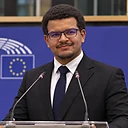
    • William Goueth
    • Eloise Tierrie-Slough

    European Council - English

    Beginner · English · 28 countries

    Topic

    Agriculture : Reorienting European agricultural policy to ensure food sovereignty and ecological transition

    About the committee

    European agriculture is at a crossroads. Between increased dependence on imports, pressure on farmers, climate change, and sustainability requirements, the European Union must radically rethink its agricultural policy. The issue of food sovereignty, long considered marginal, is now back in the spotlight, while the ecological transition is forcing rapid and costly changes. In this committee, delegates will have to strike a delicate balance between competitiveness, social justice, and environmental protection. Subsidies, market regulation, technological innovation, and relocation of production are all avenues to be explored in order to define the future European agricultural model and its place in the world.

    Chairs

    Countries

    How this committee type works
  • 13 countries
    1. Wargame 2200 : Confiance, alliance, trahison pour reconstruire l'Humanité
    • Adam Builtjes
    • Mélissa Mehira

    WarMun - Français

    French · 13 countries

    Topic

    Wargame 2200 : Confiance, alliance, trahison pour reconstruire l'Humanité

    About the committee

    Bienvenue en 2200, un siècle après l’apocalypse nucléaire qui a anéanti l’ancien monde. Des ruines des anciennes puissances émergent de nouveaux États, forgés par la survie, l’ambition et la volonté de dominer un monde ravagé. Les ressources se font rares, les alliances sont précaires, et la confiance est devenue un luxe. L’humanité se trouve à un tournant : renaissance ou effondrement final. Le Wargame est un format unique mêlant stratégie, diplomatie et négociation en temps réel. Les délégués y incarnent des puissances cherchant à assurer leur survie et leur influence dans un contexte instable, où chaque décision peut bouleverser l’équilibre mondial. Entre affrontements militaires, tractations politiques et gestion des ressources, vous devrez penser comme un chef d’État et agir comme un stratège. Votre objectif : façonner le futur de l’humanité. Ferez-vous renaître la civilisation… ou régnerez-vous sur ses cendres ?

    Chairs

    Countries

  • 20 countries
    1. Crise au Sahel
    • Maël Lasserre
    • Melina Mignard

    Crisis - Français

    French · 20 countries

    Topic

    Crise au Sahel

    About the committee

    Le crisis game est une jeu de rôle, dans lequel chaque joueur incarne un personnage représentant un pays, une organisation ou autre, ayant des capacités et des objectifs secrets à atteindre. Pour ce faire, il peut négocier avec les autres membres de son cabinet, faire des alliances entre joueurs, et utiliser tous les moyens en sa possession pour réaliser des actions. Nous sommes en 2030, la région du Sahel est en crise. Le réchauffement climatique a intensifié la désertification, réduit l’accès à l’eau et fragilisé l’agriculture. Les groupes armés ont exploité cette instabilité, multipliant les violences et les attaques terroristes. Un projet majeur, le barrage d’Azawak, censé fournir énergie et irrigation, devient un catalyseur de tensions : des ingénieurs étrangers ont été kidnappés, et en réponse à un ultimatum, des groupes armés ont incendié des sections de la Grande Muraille Verte, aggravant les tensions dans la région et attirant l’attention de la communauté internationale. Dans ce crisis game, il sera possible d’incarner des États sahéliens et internationaux, ONG, entreprises, groupes communautaires et autres acteurs non-étatiques, qui devront négocier dans le but de trouver des solutions pour la sécurité, le développement et la survie des populations dans un contexte de crise multidimensionnelle, ou bien tout simplement de défendre en priorité leurs propres intérêts.

    Chairs

    Countries

    How this committee type works

Organizers

More MUN conferences

ConferencesFranceStras 2026