HultMUN 2024

Hult Model United Nations

Nov 29 – Dec 1, 2024 London, United Kingdom

Hult Model United Nations

Conference

Nov 29 – Dec 1, 2024

100 delegates expected

University students

In English

How it went

4.3150 ratings from delegates
Academics
4.48
Logistics
4.46
Socials
3.98

About

Global Negotiations: The Business of International Diplomacy


Diplomacy has long been the cornerstone of international relations, but what if businesses become increasingly more involved in international affairs, steering the course of global affairs through strategic negotiations. In our rapidly evolving world, the merge of diplomacy and business is not just a trend—it's the future of international cooperation.

The complex relationships between capitalism, social injustices, and environmental effects are more apparent than ever before, which has an impact on global resource access. Developing countries, for example, face significant challenges due to unequal resource distribution and exploitation by wealthier nations. Understanding how to balance profit with ethical and environmental considerations is key for driving innovative solutions to international businesses. In this context, effective diplomatic negotiations are essential for establishing trade agreements, fostering cross-border partnerships, and ensuring equitable economic development.

HultMUN 2024 seeks to delve into the complexities of global negotiations, emphasising the importance of diplomatic skills in the business domain. This theme reflects our commitment to fostering future leaders who can use their knowledge on international dynamics to drive innovation to successful, forward-thinking enterprises in the global economy. 

Our values at HultMUN are rooted in collaboration, innovation, and ethical leadership. We believe that diplomacy is not just the responsibility of governments but is also vital for businesses operating in a globalised economy. By focusing on global negotiations, we aim to equip our delegates with the insights and skills to bridge cultural divides, foster mutual respect, and create sustainable solutions to global issues.

Join us at HultMUN 2024, where you will collaborate with passionate delegates to tackle the dilemmas of international diplomacy. Through multilateral decision-making and strategic negotiations, you will work towards achieving peaceful resolutions and promoting global prosperity. 

Let us build a future where diplomacy and business go hand in hand, developing a path towards a more interconnected and unbiased world.


All relevant information related to the conference can be found on our Instagram: @hultmun.conference. 

Please note that HultMUN will not be able to provide nor assist with any Visa processes, including invitation letters.


The location is the Hult Business School London Undergraduate Campus (Hult House East, 35 Commercial Road, London E1 1 LD)

Socials and Lunch is included in the delegate fees - 30£

Committees

  • 25 countries
    1. Promoting Stable Development and Governance in Post-Conflict Zones
    • Josh Mills
    • Benjamin Favre
    • Shreyansh Majumdar

    United Nations Development Programme (UNDP)

    Intermediate · English · 25 countries

    Topic

    Promoting Stable Development and Governance in Post-Conflict Zones

    About the committee

    In recent years, global stability has faced considerable setbacks, bringing attention to post-conflict development. As of 2022, more than a quarter of the world’s population lived in conflict-affected regions, highlighting the global importance of developing effective frameworks for post-conflict recovery. However, several key factors must be addressed. Security, cultural context, religious dynamics, gender issues, and climate must be carefully evaluated to ensure that development efforts are appropriate and effective. Cross-regional collaboration is crucial, and the United Nations Development Programme (UNDP) provides a vital platform for these discussions.

    Chairs

    Countries

    How this committee type works
  • 25 countries
    1. Promoting the Integration of Environmental, Social, and Governance (ESG) Frameworks into Global Business Practices
    • Gianella Pena

    Economic and Social Council (ECOSOC)

    Beginner · English · 25 countries

    Topic

    Promoting the Integration of Environmental, Social, and Governance (ESG) Frameworks into Global Business Practices

    About the committee

    Since the 1950s, globalisation has empowered multinational corporations to dominate the global economy, often at the expense of environmental sustainability. To address these challenges, the 21st century has seen the rise of Environmental, Social, and Governance (ESG) standards, which aim to promote sustainable business practices. While ESGs can potentially drive meaningful change, they are sometimes used for marketing rather than genuine impact. This committee will examine how ECOSOC can work with member nations to enforce ESG standards and ensure that global businesses adopt truly sustainable practices.

    Chair

    Countries

    How this committee type works
  • 18 countries
    1. The Question of Responding to Military Seizures of Power in Developing Nations
    • Owen Tsai
    • Avan Fata

    United Nations Security Council (UNSC)

    Expert · English · 18 countries

    Topic

    The Question of Responding to Military Seizures of Power in Developing Nations

    About the committee

    The Security Council has faced challenges in responding effectively to sudden and sometimes violent regime changes. The rise of 'popular coups' in developing nations has added further complexity to this issue. The UN upholds the principles of fair and equal governance and seeks to ensure that all peoples can develop their socio-economic and political roles. Simultaneously, the UN emphasizes the importance of national sovereignty and the right of governments to manage their affairs without external interference. By selecting this topic, delegates are encouraged to consider the complexities of military-led regime changes and approach these sensitive geopolitical issues with thoughtful deliberation.

    Chairs

    Countries

    How this committee type works
  • 18 countries
    1. Disappearance of all nuclear weapons
    • Talia Asar
    • Laila Zein

    Bicameral Crisis - Cabinet A

    Intermediate · English · 18 countries

    Topic

    Disappearance of all nuclear weapons

    About the committee

    This crisis committee will explore a world where all nuclear weapons and nuclear energy suddenly disappear, forcing nations to confront the resulting geopolitical and energy chaos. Delegates will represent powerful state and non-state actors from rival Eastern and Western blocs, navigating the high-stakes implications for global security, energy dependence, and military power.

    Chairs

    Countries

    How this committee type works
  • 16 countries
    1. Disappearance of all nuclear weapons
    • Arwa Alhamdani
    • Joshua Cassim

    Bicameral Crisis - Cabinet B

    Intermediate · English · 16 countries

    Topic

    Disappearance of all nuclear weapons

    About the committee

    This crisis committee will explore a world where all nuclear weapons and nuclear energy suddenly disappear, forcing nations to confront the resulting geopolitical and energy chaos. Delegates will represent powerful state and non-state actors from rival Eastern and Western blocs, navigating the high-stakes implications for global security, energy dependence, and military power.

    Chairs

    Countries

    How this committee type works

Organizers

Catalina Hepke
Secretary General
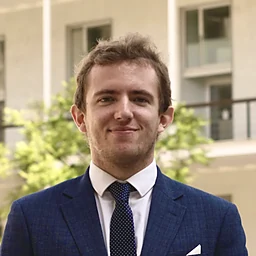
Felix Massey
Under Secretary General for External Relations

Giovanna Franchini da Silva
Under Secretary General for Communications

Helena Mathilda Friedrich
Under Secretary General for Logistics

Isabel Moon-Parry
Under Secretary General for Delegate Affairs
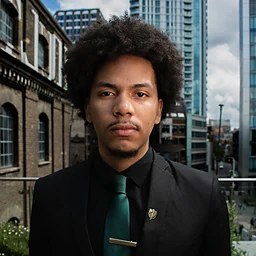
Joao Otavio Donato Santos
Under Secretary General for Academics

Peter Zakhar
Crisis Director

More MUN conferences

ConferencesUnited KingdomHultMUN 2024