HMUNA 2026

Harvard Model United Nations Africa

Mar 16–18, 2026 Nairobi, Kenya

Harvard Model United Nations Africa

Latest edition: Jaco mun 2026Jun 25, 2026

Conference

Nairobi, Kenya·Africa

Mar 16–18, 2026

600 delegates expected

High school students

In English

Applications

Closed
Feb 2–20, 2026
  • Delegates

About

HMUN Africa 2026: Reinventing International Organizations in Today's Sociopolitical Climate

True to the mission of the United Nations as declared in its 1945 charter, Harvard Model United Nations serves as a forum in which students from high schools and universities around the world can meet to discuss the greatest challenges facing the world today, in fields ranging from international peace and security, to economic and technological progress, to social movements and human rights. Our directors work throughout the conference to make debate as realistic as possible, so that our delegates get a sense of the complexities of real-world international negotiation, and, as with the real United Nations, place an unequalled emphasis on cooperation and compromise rather than on the supremacy of any one country’s position. In this way, delegates learn about international affairs, hone their public speaking and research skills, and emerge as confident community leaders.

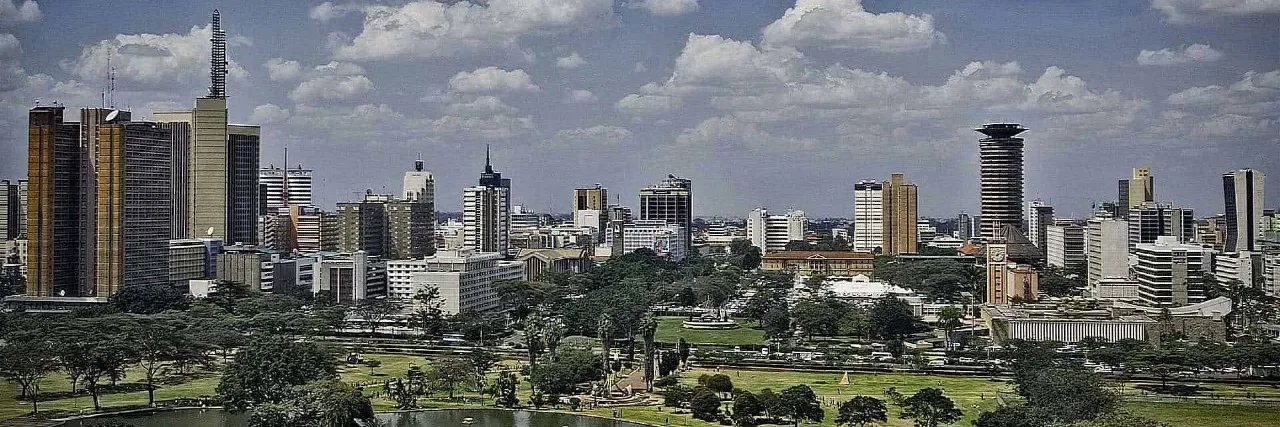
We bring to this conference nearly sixty years of experience and a staff that always exhibits the highest levels of enthusiasm and professionalism, both in committees and behind the scenes. For both Model UN veterans and delegates new to the circuit, HMUN Africa 2026 will uphold these standards by providing a unique and rewarding experience that emphasizes diplomatic courtesy, verbal and written skills, and cultural immersion inside the four walls of the committee rooms and out into the beautiful and historic city of Nairobi.

After successful conferences in Boston for over 70 years, Harvard has welcomed delegates from around the world at HMUN China, HMUN India, HMUN Dubai, HMUN Australia, and HNMUN Latin America. HMUN Africa is the first conference of its kind from Ivy League universities on the African continent, and we hope to build bridges for our incredibly accomplished and ambitious students, from Senegal to Somalia and Egypt to South Africa. The second edition of HMUN Africa, scheduled for March 2026, will engage hundreds of young people from schools across the African continent and the world.

The HMUN Africa team strives to foster community among students who seek our academic challenges; students who care deeply about the issues faced in Africa and in our world; and students who are driven to make an impact with the resources, networks, and communities around them. HMUN Africa will prioritize focus on issues relevant to the continent, ranging from decolonization and conflict resolution to innovation, job markets, religious diversity, women’s empowerment, and education. HMUN Africa will also welcome opportunities outside of Model UN in our delegate bonding events and socials!

Committees

  • 53 countries · 2 delegates each
    1. Preventing the Militarization of Disputed Maritime Regions
    2. Regulating the Military Use of Surveillance Satellites.

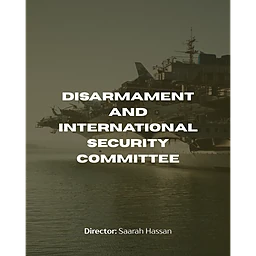
    Disarmament and International Security Committee

    Beginner · English · 53 countries · 2 delegates each

    Topics

    1. Preventing the Militarization of Disputed Maritime Regions
    2. Regulating the Military Use of Surveillance Satellites.

    About the committee

    The modern security landscape is evolving rapidly, expanding beyond traditional borders into new domains of conflict. Nations today face complex challenges both on Earth and beyond, on the seas and in space. At HMUN Africa, the DISEC Double Delegation General Assembly will explore two pressing issues threatening global stability: Topic A: Preventing the Militarization of Disputed Maritime Regions and Topic B: Regulating the Military Use of Surveillance Satellites. Topic A focuses on rising tensions in multiple contested waters such as the South China Sea, the Arctic, and the Eastern Mediterranean. These regions are vital for trade and rich in resources. They have now become militarized as states assert territorial claims through naval presence. Delegates must be able to navigate international law, particularly UNCLOS, while exploring ways to reduce escalation, promote diplomatic resolution, and ensure freedom of navigation. Topic B then shifts the committee’s attention to outer space. It was once a peaceful scientific frontier, but now it is increasingly used for military surveillance. Nations continue to deploy satellites for intelligence gathering and many have been raising concerns over privacy, espionage, and the growing weaponization of space. Delegates must consider how to regulate dual-use technologies, the role of private corporations in military surveillance, and whether existing treaties like the Outer Space Treaty remain sufficient. Delegates will first choose to tackle either Topic A or Topic B, bringing well-researched, creative, and actionable solutions to the table. Today and in the future, whether delegates choose to help prevent future naval conflicts or shape norms for peace in space, this year’s DISEC committee demands diplomacy that looks beyond today’s borders and into tomorrow’s battlegrounds.

    Countries

    How this committee type works
  • 53 countries
    1. The economic interdependence between the Northern African labor supply and the Southern European markets

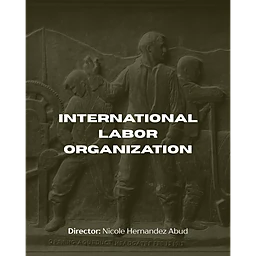
    International Labor Organization

    Beginner · English · 53 countries

    Topic

    The economic interdependence between the Northern African labor supply and the Southern European markets

    About the committee

    The migration flow from Northern Africa to Southern Europe is a defining aspect of the current socio-economic and humanitarian landscape of the Mediterranean. In recent decades, migrants from Morocco, Algeria, Tunisia, and Libya have made their journey north towards Spain, Italy, and France, pursuing the dream of better economic opportunities, safety, and stability. The European labor force has been significantly enhanced by these movements—particularly in agriculture, construction, and domestic work. But structural inequalities, labor exploitation, and human rights violations have equally taken place. Further, the waves of outward migration have affected local African economies and demographics, leading to remittances, labor shortages, and changes in social structures. Delegates will focus on discussing the economic interdependence between the Northern African labor supply and the Southern European markets, especially in informal and seasonal sectors; the effectiveness of regional cooperation frameworks (such as partnerships between the African Union and the EU) in promoting security, development, and protection of rights; and the role of European immigration policies (including Schengen regulations and border controls) in shaping migration routes and working conditions. Some case studies that the committee will focus on: Moroccan women in strawberry fields of Huelva and Granada (Spain); transit of Sub-Saharan migrants (Niger, Mali, Eritrea, Sudan) crossing through Libya to reach Italy; and the Tunisian and Algerian youth migrants seeking work and education in France.

    Countries

  • 53 countries
    1. Leaving No One Behind in an Ageing World

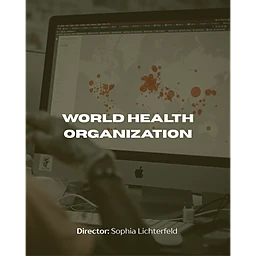
    World Health Organization

    Beginner · English · 53 countries

    Topic

    Leaving No One Behind in an Ageing World

    About the committee

    The global population’s demographic trend is undeniable: according to the United Nations’ World Social Report 2023, titled “Leaving No One Behind in an Ageing World,” there will be an estimated increase in the number of individuals older than 50 of 839 million to 1.6 billion in total by 2050, more than two-fold the number in 2021 of 761 million. While those over 60 accounted for approximately 10% of individuals in 2021, that proportion is predicted to grow to one in every six in the next 25 years. Along with these demographic trends comes an increase in chronic and non-communicable diseases such as diabetes, kidney and respiratory conditions, and cancers. This trend is largely a success story: due to biomedical advancements in vaccines, treatments and therapies, and healthcare systems as a whole, people around the world are able to live longer lives while experiencing fewer health issues and illnesses. However, these changes can also present an opportunity for a shift in the approach to both the economy and workforce structure as well as to healthcare systems, chronic disease management, and preventative care in order to best adapt to the needs of a changing population makeup. It is the responsibility of this committee to foster international collaboration toward building up economic, technological, and healthcare systems that best support and can adapt to the changing population trends the world will face in the coming decades.

    Countries

    How this committee type works
  • 29 countries
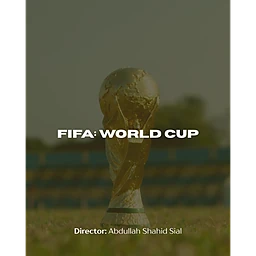
    1. The viability and implications of an African nation’s bid to host the FIFA World Cup

    Fifa WorldCup

    Beginner · English · 29 countries

    Topic

    The viability and implications of an African nation’s bid to host the FIFA World Cup

    About the committee

    The FIFA World Cup stands as the world’s most-watched sporting event, uniting nations through the power of football while simultaneously testing the economic, political, and infrastructural capacities of its hosts. This committee will deliberate on the viability and implications of an African nation’s bid to host the FIFA World Cup. Africa’s experience with the World Cup began in 2010, when South Africa became the first African host. While the tournament was praised for its spirit and successful organization, it also exposed the complexities of hosting such a mega-event in a developing economy. The event’s aftermath – marked by underutilized stadiums, financial strain, and public debate – serves as a cautionary precedent for future African bids. In this committee, delegates will evaluate whether a new African host can balance ambition with sustainability. The discussion will address FIFA’s stringent infrastructure and transparency requirements, the economic feasibility of massive investments in stadiums and transportation, and the need for robust governance to avoid corruption and ensure equitable distribution of benefits. Delegates must also consider security challenges, environmental consequences, and the potential diversion of public funds from essential services. Furthermore, the debate will explore how hosting the World Cup could catalyze Africa’s broader sporting and economic development. Can it strengthen regional unity, promote tourism, and inspire generational enthusiasm for football? Or does it risk becoming a financial burden that exacerbates inequality and political unrest?

    Countries

  • 5 countries
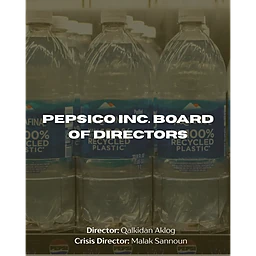
    1. Corporate Ethics in a Thirsty World

    PepsiCo Inc. Board of Directors

    Beginner · English · 5 countries

    Topic

    Corporate Ethics in a Thirsty World

    About the committee

    The year is 2032, and our world’s most abundant commodity is quickly becoming its scarcest resource. Around the world, rivers are running thinner, aquifers retreat deeper underground, and entire cities negotiate daily for enough drinkable water to survive. Throughout this global catastrophe stands one of the world's largest corporations, PepsiCo, the creator of the internationally known and beloved bottled water brand, Aquafina. For years, Aquafina has reassured customers that its crisp, purified water is sourced responsibly. An assumed truth. But as public water systems start to crack under the pressure of climate change and growing population, people have begun asking questions. Activists say that Aquafina is pulling too much from communities that already struggle with water access. Regulators complain that the company is not clear about where its water actually comes from. Regular customers are trying to figure out whether the phrase “ethically sourced” means anything at all. At the same time, investors want bigger profits even as water becomes harder to secure. Amid accusations, shortages, and rising global tension, PepsiCo has constructed an emergency cross-functional task force, you. Delegates will step into the roles of executives, environmental officers, regional managers, policy advisors, and public-relation strategists as the corporation fights to preserve its reputation, protect its profit, and avoid becoming the face of global water inequity. Your mission sounds simple: make sure Aquafina stays ethical and still makes money. In reality, it is anything but simple. You will have to deal with angry communities, governments that want answers, protests, leaks to the press, and the constant demands of a company that wants growth even in a time when water is running out. Every choice you make will set off a reaction somewhere else. The fate of the consumers, ecosystems, and the global market falls upon you.

    Countries

  • 15 countries
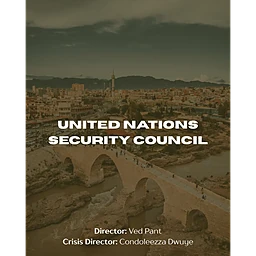
    1. The UNSC and the 2003 Iraq Intervention

    United Nations Security Council

    Beginner · English · 15 countries

    Topic

    The UNSC and the 2003 Iraq Intervention

    About the committee

    The 2003 Iraq intervention was a major inflection point in both Iraq and Middle Eastern politics at large. The rise and fall of Saddam Hussein, as well as the nature of the American invasion and subsequent occupation have created fault lines in the Middle East that are fracturing to date. The legacy of foreign intervention and the UNSC’s role in this conflict is also particularly important — marked for instance by the 16 UNSC resolutions on WMDs that Saddam openly defied between 1991 and 2002 or UNSC resolutions 1453 and 1511 which helped shape the post-Saddam transition in American-occupied Iraq. Through this committee, we hope to give you the opportunity to revisit these moments in history and rewrite them to do better justice to the people, the region, and the national interests at stake in this conflict. This is a particular instance from recent history where the consensus of the international community and the UNSC altered the course of events on the ground. We hope this empowers all member states, from small non-aligned states to P5 nations, to play a major role in shaping this committee. In reality, the dominant role played by the United States in restructuring Iraq has permanently changed the security architecture of the Middle East and majorly influenced many of the biggest conflicts in the region today. As one of the three major balancing entities in the pre-9/11 US strategy with Saudi Arabia and Iran, Iraq’s position relative to these two other powers determines a great deal about many regional proxy conflicts. Looking back at Iraq’s collapse at the hand of extremist organizations, we can further see the relevance of the legacy of the American occupation in Iraq, and examine the ways in which the US weakened Iraq’s indigenous capacity to exert power over its sovereign territory, indicative of greater signs in American neo colonial foreign policy. In committee, you will have the chance to use the power of foresight to right these wrongs and more effectively achieve the foreign policy objectives of each state through this conflict.

    Countries

    How this committee type works
  • 1 country · 15 delegates each
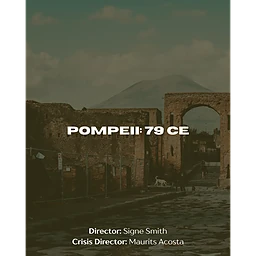
    1. Who lives, who dies, and who tells your story.
    Pompeii: 79 CE

    Beginner · English · 1 country · 15 delegates each

    Topic

    Who lives, who dies, and who tells your story.
    About the committee

    It is August 79 CE. The City of Pompeii stands at the height of its wealth and is the perfect embodiment of ancient Roman life. Its markets are bustling, and its streets are crowded with merchants, scientists, and families. For years, Mount Vesuvius lay dormant along the distant horizon, but now everything feels different. Minor tremors shake the ground. Animals scatter. The sky darkens day by day. Gray clouds can be seen above as the sun’s radiant rays begin to fade. Priests claim the gods are warning the city. Scholars insist there is nothing to fear. Traders panic. Soldiers desert. The people demand answers. As members of the Pompeii City Council, delegates are summoned to an emergency meeting as they face the biggest challenge of their lifetimes. The city’s leading scientists believe Vesuvius will erupt in a matter of days. As merchants, magistrates, generals, and priests fill city hall in panic, only you can decide what the future will hold. Will you evacuate and cause chaos? Stay put and risk extinction? Or fight natural forces beyond human comprehension? The future of this thriving Roman city lies in your hands. Delegates must navigate political turmoil, public fear, and run a race against time itself. This committee will be an uphill battle and every second counts. The future of Pompeii and its people hang in the balance and only you can decide who lives, who dies, and who tells your story. Your fate is still unwritten, and these three days will determine how history remembers you.
    Countries

Partner conferences

HNMUN LA 2026

Panama City, Panama

View conference
HMUN Dubai 2026

Dubai, United Arab Emirates

View conference
HMUN 2026

Boston, United States

View conference

Organizers

More MUN conferences

ConferencesKenyaHMUNA 2026