ABBA MUN 2025

ABBA MUN

Apr 11–13, 2025 The Hague, Netherlands

ABBA MUN

Conference

The Hague, Netherlands·Europe

Apr 11–13, 2025

53 delegates expected

University students

In English

How it went

5.001 rating from delegates
Academics
5.00
Logistics
5.00
Socials
5.00

About

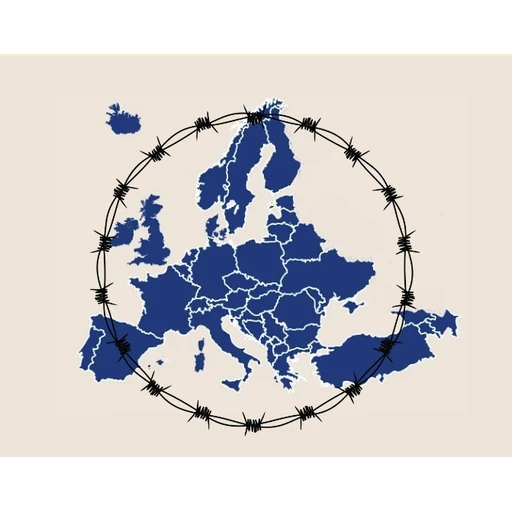
ABBA MUN 2025, a three-day Model United Nations conference is taking place from April 11-13, 2025. This year’s theme, “Defending Sovereignty and Democratic Values in Eastern Europe”, will guide delegates through thought-provoking debates on freedom, security, and governance in a rapidly shifting geopolitical landscape.

Delegate fee: 15€ 

Chairperson fee: 5€

We are inviting you to apply, whether you are a seasoned MUN debater or attending your first conference: ABBA MUN 2025 is open to all.

Join us in shaping diplomatic solutions for a better tomorrow. Apply now—we can’t wait to welcome you to ABBA MUN 2025!

Committees

  • 19 countries
    1. Safeguarding Freedom of Expression in States Facing Political and Social Transformation

    UNHRC

    Beginner · English · 19 countries

    Topic

    Safeguarding Freedom of Expression in States Facing Political and Social Transformation

    About the committee

    The United Nations Human Rights Council (UNHRC) is one of the key intergovernmental bodies within the UN, consisting of 47 elected Member States. Their tasks and objectives are to promote and protect human rights around the world. Additionally, it addresses human rights violations, develops international norms and strengthens dialogue on human rights concerns. Freedom of Expression is the foundation of democracy, especially in regard to regions undergoing political and social transformations. In Eastern Europe, many states have undergone significant governance changes, leading to both opportunities and challenges in maintaining these fundamental rights. Censorship, restrictive laws, and media control have often emerged during these transitional periods. The rise of disinformation, foreign influence and digital surveillance has caused tensions to rise. This committee will examine how to adopt legal safeguards, ensure international cooperation, and write policy recommendations to ensure the freedom of expression remains safeguarded in Eastern European countries undergoing transitional governance.

    Countries

    How this committee type works
  • 17 countries
    1. Addressing territorial integrity and separatist groups

    SPECPOL

    Intermediate · English · 17 countries

    Topic

    Addressing territorial integrity and separatist groups

    About the committee

    The Special Political and Decolonization Committee (SPECPOL) is part of the six main committees of the United Nations General Assembly (UNGA). It deals with a multitude of political issues, such as decolonisation, peace-keeping, and territorial disputes. SPECPOL plays an important role in addressing conflicts that emerge from territorial disputes, and sovereignty disputes. The question of territorial integrity and separative movements have been a perennial challenge in the Eastern European regions., where history, ethnicities and political tensions have been the root cause of these tensions. Separatist groups have often been backed up by non-state actors or driven by nationalist aspirations, challenging the territorial integrity of already recognized states, which have often led to geopolitical instability, and at worse armed conflicts. Countries like Ukraine, the Balkans, and Georgia (Autonomous Republic of Abkhazia) truly highlight the difficulties to balance self-determination with state sovereignty. The involvement of major powers have complicated these disputes, raising concerns about sovereignty violation, protection of human rights and foreign interference. This committee will be examining how to prevent further conflict and uphold international legal framework. When addressing such matters, the need for stability is crucial, especially with foreign interference, and separatist movements.

    Countries

    How this committee type works
  • 17 countries
    1. Reducing foreign interference in national elections and democratic institutions
    LEGAL

    Intermediate · English · 17 countries

    Topic

    Reducing foreign interference in national elections and democratic institutions
    About the committee

    The United Nations Sixth Committee (Legal) is the primary body responsible for handling international legal frameworks within the United Nations General Assembly (UNGA). It mainly focuses on the development of international law, treaties and responses to global matters. Legal works with the International Law of Commission (ILC), the international Court of Justice (ICJ) and many other legal bodies to create global legal frameworks that follow democratic governance. Foreign interference in any national elections and democratic institutions has become a growing issue and concern in a timeline with an increase of cyber influence, spread of disinformation, and political manipulation. State and non-state actors with malicious intentions have challenged the trust of digital platforms and have influenced financial institutions and even to have underground intelligence operations undermining electoral integrity. Across Eastern European countries, foreign influence has become apparent and high-profile cases of foreign electoral interference have raised questions about the efficiency of already existing international legal frameworks. While there has been effort to reduce these interferences in elections, there is a discernible legal gap in the regulation of election security. This committee will examine which mechanisms should be used to combat foreign interference, such as accountability measures and an increase in digital safeguarding. When addressing such matters it is important to respect one’s state sovereignty, and previous legal actions.
    Countries

    How this committee type works

More MUN conferences

ConferencesNetherlandsABBA MUN 2025