TMUN 2026

Tirana Model United Nations

May 16–17, 2026 Tirana, Albania

Tirana Model United Nations

Conference

Tirana, Albania·Europe

May 16–17, 2026

100 delegates expected

High school students

In English

How it went

4.8631 ratings from delegates
Academics
4.81
Logistics
4.84
Socials
4.94

About

Empowering the next generation of diplomats

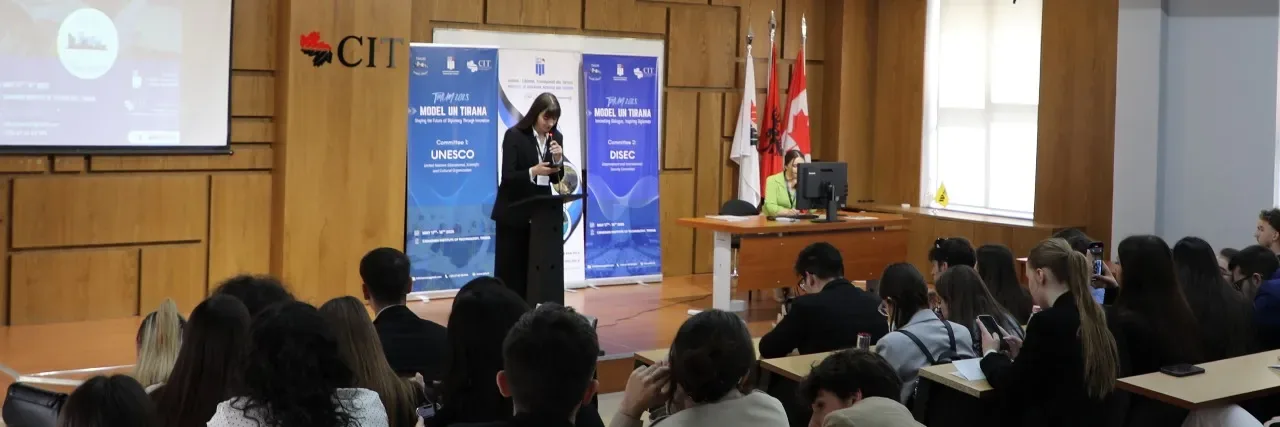
Following the success of TMUN 2025, we are excited to announce the second edition of Tirana Model United Nations, taking place on May 16–17, 2026 in Tirana, Albania at the Canadian Institute of Technology. TMUN 2026 will once again bring together passionate students from across the region for an engaging experience in diplomacy, debate, and international cooperation, continuing our mission of shaping the future of diplomacy through innovation. Both experienced delegates and newcomers are welcome to participate in an inclusive and dynamic environment.

This year, a participation fee of 800 LEK for delegates and 500 LEK for chairs will be introduced, covering meals for both conference days as well as all necessary conference materials. The fee will be collected in person. We remain committed to providing a high-quality and accessible experience that empowers young people to develop their skills, exchange ideas, and engage with global issues.

Important Notes:

  1. The official language is English.
  2. By applying as a delegate or chair, you consent to having photos and videos taken during the conference shared on TMUN’s official Instagram and other promotional materials.
  3. The dress code is business casual western attire, and it is taken seriously to maintain the formal atmosphere of the event.

We look forward to welcoming you to TMUN 2026!


Committees

  • 30 countries
    1. Preserving Indigenous and Minority Cultural Identity in the Digital Era: Challenges and International Cooperation
    • Kaltri Kuka
    • Nicolas Mata
    • Erik Haxhia

    United Nations Educational, Scientific and Cultural Organization

    Beginner · English · 30 countries

    Topic

    Preserving Indigenous and Minority Cultural Identity in the Digital Era: Challenges and International Cooperation

    About the committee

    The United Nations Educational, Scientific and Cultural Organization (UNESCO) is the specialized agency of the UN dedicated to building peace through international cooperation in education, the sciences, and culture. It promotes global standards for the protection of world heritage and fosters dialogue to address emerging ethical challenges in technology and education. UNESCO oversees the designation of World Heritage sites and coordinates international efforts to ensure quality learning for all.

    Chairs

    Countries

    How this committee type works
  • 25 countries
    1. Balancing Sovereign Digital Public Infrastructure (DPI) and the Influence of Big Tech Monopolies in the Global Digital Economy

    • Irsa Nakuci
    • Joana Shemko
    • Dardan Spahia

    Economic & Social Council

    Intermediate · English · 25 countries

    Topic

    Balancing Sovereign Digital Public Infrastructure (DPI) and the Influence of Big Tech Monopolies in the Global Digital Economy

    About the committee

    The Economic and Social Council (ECOSOC) serves as the United Nations’ central hub for dialogue, reflection, and forward-thinking on sustainable development. Entrusted with coordinating the UN’s economic and social initiatives, ECOSOC connects global policy with local action to tackle the world’s most urgent financial, environmental, and humanitarian challenges. Delegates in this committee will engage with complex international interdependencies, negotiating collaborative solutions to promote inclusive growth, social equity, and long-term development.

    Chairs

    Countries

    How this committee type works
  • 30 countries
    1. Regulating Lethal Autonomous Weapons Systems (LAWS) and Unmanned Maritime Vehicles: Case Study of the Russia-Ukraine War

    • Izak Drita
    • Abel Meta
    • Emi Bicja

    The Disarmament and International Security Committee

    Intermediate · English · 30 countries

    Topic

    Regulating Lethal Autonomous Weapons Systems (LAWS) and Unmanned Maritime Vehicles: Case Study of the Russia-Ukraine War

    About the committee

    The Disarmament and International Security Committee (DISEC) is the United Nations’ primary forum for addressing global peace and security challenges. Tasked with promoting disarmament, regulating the proliferation of weapons, and tackling emerging security threats, DISEC connects international policy with practical measures to prevent conflict. Delegates in this committee will navigate complex geopolitical tensions, negotiate multilateral agreements, and develop strategies to strengthen collective security, uphold international law, and foster lasting stability.

    Chairs

    Countries

    How this committee type works
  • 15 countries
    1. Operationalizing the "4Rs" Framework in Post-Conflict Kosovo: Repatriation, Reintegration, Rehabilitation, and Reconstruction

    • Chloe Tirana

    Ad-Hoc Historical Committee: UNMIK

    Expert · English · 15 countries

    Topic

    Operationalizing the "4Rs" Framework in Post-Conflict Kosovo: Repatriation, Reintegration, Rehabilitation, and Reconstruction

    About the committee

    This committee simulates the United Nations Interim Administration Mission in Kosovo (UNMIK) immediately after the 1999 conflict. Delegates step into the roles of UN Security Council members, neighboring countries, local Kosovar representatives, and international organizations, working together to implement the “4Rs” framework: Repatriation, Reintegration, Rehabilitation, and Reconstruction. The committee will debate real post-conflict challenges such as refugee returns, minority protection, rebuilding infrastructure, and coordinating humanitarian aid. Unlike traditional MUN committees, this is a crisis-driven, historical simulation, where delegates actively make decisions in real-time, negotiate resources, and adapt to unfolding events, providing a hands-on experience of international peacekeeping and post-conflict governance.

    Chair

    Countries

    How this committee type works

Organizers

Grejsi Marku
Under Secretary General for Academics
Kaltrina Hykaj
Secretary General
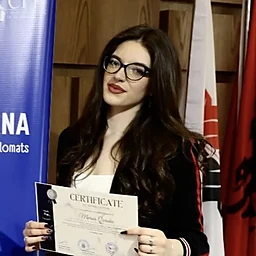
Marsia Qurku
Deputy Secretary General
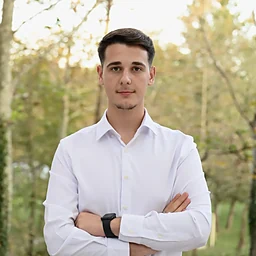
Resilian Baku
Under Secretary General for Logistics

More MUN conferences

ConferencesAlbaniaTMUN 2026