LyonMUN 2024

LyonMUN

May 22–25, 2024 Lyon, France

LyonMUN

Conference

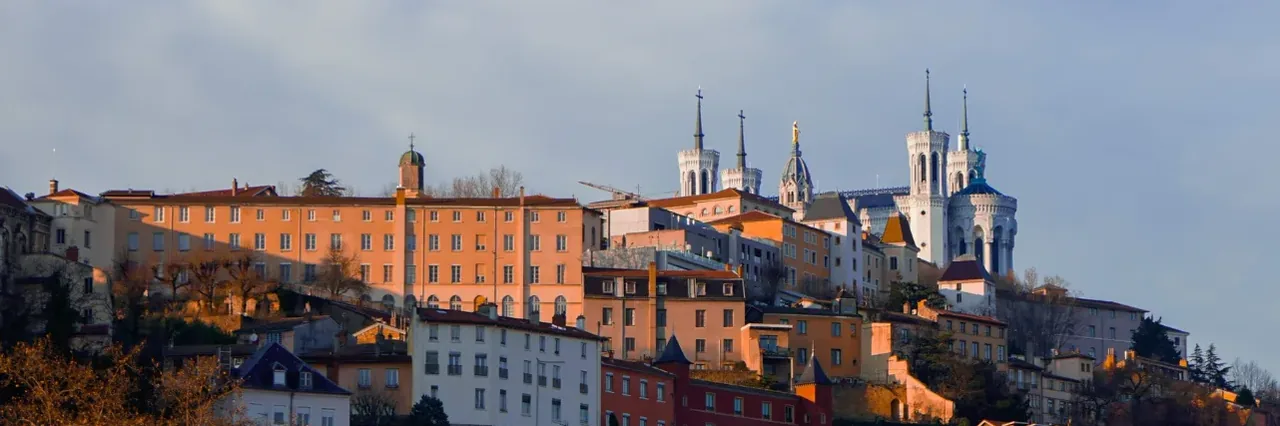
Lyon, France·Europe

May 22–25, 2024

300 delegates expected

High school and university students

In English, French and Spanish

How it went

4.38166 ratings from delegates
Academics
4.56
Logistics
4.36
Socials
4.22

About

Wake your inner diplomat !

LyonMUN is a Lyon-based association that has been active since 2012. It is exclusively administered by students. It aims to promote the principles and practices of the United Nations by allowing students to take part in mock negotiations. LyonMUN committees  are in French, English, Spanish and Arabic. 

What's included in the delegate fees?

  • Participation to all sessions as a delegate ;
  • Lunch, coffee and snacks on Wednesday; Thursday and Friday ;
  • Goodies ;
  • Certification of participation ;
  • MyMun processing fees ;

What about the socials?

This fee covers the 3 socials of the conference : 

Social 1 : the Welcome Night 

The evening unfolds with a series of interactive games and activities so you can meet each other and form the beginnings of diplomatic and friendly relationships that will accompany you throughout the week. It's an opportunity for delegates to break the ice, share stories, and discover common passions. As the evening progresses, the soft glow of fairy lights creates a magical ambiance, making the Lyonmun Welcome Evening an unforgettable experience. 

Social 2 : Pause Lyonnaise: an evening of indulgence: 

The second evening offers a welcome break for delegates, a night to relax and immerse yourself a bit more in French culture. The soothing melodies of a music group fill the air, inviting you to unwind and forget the demands of the day. The aromas of freshly prepared traditional French pastries float in the air, tempting your taste buds with their sweet scents. 

Social 3 : Gala night 

The final crescendo of Lyonmun, the Grand Closing Gala, awaits you in all its splendor. This is the night to shine, to showcase your finest attire and celebrate this diplomatic journey. Dressed in your most elegant outfits, come walk the red carpet and ascend the last steps that lead to the ultimate social gathering. As you enter this majestic evening, you'll find yourself surrounded by new friends from every corner of the world. 

The fee covers all drinks and food at the parties for the three nights. Be sure to come !

What is wargame committee ?

A wargame is a board game where the delegate represent, alone or in teams, the generals of the armies involved. You have to put yourself in the place of a military leader who defines a strategy for his army, who coordinates with his allies (if he has any...), in short, the search for victory in the disposition of the troops.

Once the fighting has begun, it is necessary to adapt to the reality of the front: what tactics will be the best to achieve victory in battle? Breakthrough, outflanking or shelling your opponent from a distance? 
The resolutions of your choices, fights, questions will be the subject of dice rolls which allow the referees to decide if you are more or less successful in your action.

The Wargame is a war simulation, so beyond the battle and the war itself, you will have to take into account and organise your logistics, intelligence, supplies, conscription…

What is crisis committee ?

A crisis committee is a decision making body that has more power than a traditional committee.  Crisis committees produce action ! This means that the body has power unto itself that does not need to be granted by the obedience of its members. Groups that look like this include a cabinet, a royal court, a board of directors of a company, a rebel group, or really any small group which possesses political power. 

For any questions concerning the registration, you can contact us at applications@lyonmun.com

Committees

  • 31 countries
    1. Instaurer un programme de sauvetage alimentaire en Haïti
    2. Réviser les techniques de production agricole pour faire face aux aléas météorologiques
    • Mamoun Benseddik
    • Baptiste Dervaux

    Food and Agriculture Organization (FAO)

    Beginner · English · 31 countries

    Topics

    1. Instaurer un programme de sauvetage alimentaire en Haïti
    2. Réviser les techniques de production agricole pour faire face aux aléas météorologiques

    About the committee

    Créée en 1945, l’organisation des Nations Unies pour l'agriculture et l’alimentation fut le premier organisme spécialisé des Nations Unies. Outre son siège à Rome, la FAO dispose d'un vaste réseau décentralisé de Bureaux régionaux répartis entre ses 197 membres. Le but de cette agence revient à éradiquer toutes les formes d’insécurité alimentaire et de malnutrition, à éliminer la pauvreté, à favoriser le progrès social et économique pour tous, ainsi qu’à proposer des solutions durables en matière de ressources naturelles.

    Chairs

    Countries

  • 21 countries
    1. Conduire une politique de redressement pour la prévention des crises dans les pays en sous développement
    2. Transformer le système financier et monétaire mondial en faveur d’une croissance verte et écologique
    • Mathias Petit
    • Charles Rognon

    Groupe des vingt (G20)

    Intermediate · English · 21 countries

    Topics

    1. Conduire une politique de redressement pour la prévention des crises dans les pays en sous développement
    2. Transformer le système financier et monétaire mondial en faveur d’une croissance verte et écologique

    About the committee

    Le groupe des G20, Groupe des vingt, fut créé en 1999 après la crise asiatique. Il regroupe les 19 principales économies du monde ainsi que 2 organismes régionaux : l’Union européenne et l’Union africaine. Le G20 se réunit une fois par an avec comme objectif de promouvoir la coopération économique internationale, de discuter sur les conflits mondiaux et d'établir des politiques communes pour favoriser la croissance économique et la stabilité financière. En 2021, le G20 représente 75 % du commerce mondial, près des deux tiers de la population mondiale et plus de 80 % du produit mondial brut. The Group of Twenty (G20), created in 1999 after the Asian crisis, brings together the 20 main economies in the world as well as 2 regional organizations: the European Union and the African Union. The G20 meets once a year with the aim of promoting international economic cooperation, discussing global conflicts and establishing common policies to promote economic growth and financial stability. In 2021, the G20 accounted for 75% of global trade, nearly two-thirds of the world's population and more than 80% of gross global product.

    Chairs

    Countries

  • 30 countries
    1. Navigating political landscapes : women’s common pursuit to the right of representation worldwide
    2. Combating female genital mutilation worldwide
    • Clara Antunes Brum
    • Célia Saoudi

    UN Women

    Beginner · English · 30 countries

    Topics

    1. Navigating political landscapes : women’s common pursuit to the right of representation worldwide
    2. Combating female genital mutilation worldwide

    About the committee

    The UN Women organization was established in 2010 by the United Nations General Assembly Resolution 64/289. Its mission is to promote women's rights and gender equality. With its 41 executive board Members, UN Women is leading several global initiatives to end violence against women and wage inequalities, and to strengthen women's participation in politics.

    Chairs

    Countries

    How this committee type works
  • 23 countries
    1. Accommodating the healthcare system with emergency responses in times of conflict
    2. Highlighting the mental distress problems of individual with disabilities in international public policies
    • Yassine Krouk
    • Maralmaa Natsag

    World Health Organization (WHO)

    Beginner · English · 23 countries

    Topics

    1. Accommodating the healthcare system with emergency responses in times of conflict
    2. Highlighting the mental distress problems of individual with disabilities in international public policies

    About the committee

    The World Health Organization (WHO) is the specialized health agency of the United Nations with 194 member states. WHO works worldwide to promote the highest attainable standard of health for all people, regardless of race, religion, gender, political belief, economic or social condition. WHO’s mission is to promote health, keep the world safe, and serve the vulnerable. L'Organisation mondiale de la santé (OMS) est l'agence spécialisée en santé des Nations Unies avec 194 États membres. L’OMS œuvre dans le monde entier pour promouvoir le meilleur état de santé possible pour tous, sans distinction de race, de religion, de sexe, de convictions politiques, de condition économique ou sociale. La mission de l’OMS est de promouvoir la santé, d’assurer la sécurité du monde et de servir les personnes vulnérables.

    Chairs

    Countries

    How this committee type works
  • 16 countries
    1. Reinventing migration policies in light of a unified arab approach of refugees crisis management
    2. Developing digital inclusion and empowerment for a social cohesion in the arab world

    • Rayane Aghjayan
    • Ibrahim Bechara

    Arab League

    Beginner · English · 16 countries

    Topics

    1. Reinventing migration policies in light of a unified arab approach of refugees crisis management
    2. Developing digital inclusion and empowerment for a social cohesion in the arab world

    About the committee

    Following the adoption of the Alexandria Protocol in 1944, the Arab League was founded on 22 March 1945 in Cairo by 6 members : Egypt, Iraq, Transjordan, Lebanon, Saudi Arabia, and Syria. Serving as the regional organization of reference for the Arab World, it has 22 members today with one vote each. Through its numerous sub-institutions like the Arab League Educational, Cultural and Scientific Organization (ALECSO) or the Council of Arab Economic Unity (CEAU), the League’s main objective is to coordinate collaboration and tighten the relations between member states in hopes of safeguarding their independence and sovereignty as well as enriching their political and economical affairs. Suite à l'adoption du Protocole d'Alexandrie en 1944, la Ligue arabe est fondée le 22 mars 1945 au Caire par 6 membres : l'Égypte, l'Irak, la Transjordanie, le Liban, l'Arabie saoudite et la Syrie. Faisant office d'organisation régionale de référence pour le monde arabe, elle compte aujourd'hui 22 membres disposant d'une voix chacun. A travers ses nombreuses sous-institutions comme l'Organisation arabe pour l'éducation, la culture et les sciences (ALECSO) ou le Conseil de l'unité économique arabe (CEAU), l'objectif principal de la Ligue est de coordonner la collaboration et de resserrer les relations entre les États membres dans l'espoir de sauvegarder leur indépendance et la souveraineté ainsi que l'enrichissement de leurs affaires politiques et économiques. بعد اعتماد بروتوكول الإسكندرية عام 1944، تأسست جامعة الدول العربية في 22 مارس 1945 في القاهرة من قبل ستة أعضاء: مصر، العراق، شرق الأردن، لبنان، المملكة العربية السعودية، وسوريا. بمثابة المنظمة الإقليمية المرجعية للعالم العربي، تضم اليوم 22 عضوًا لكل منهم صوت واحد. من خلال مؤسساتها الفرعية العديدة مثل المنظمة العربية للتربية والثقافة والعلوم (ALECSO) أو مجلس الوحدة الاقتصادية العربية (CEAU)، فإن الهدف الرئيسي للجامعة هو تنسيق التعاون وتوثيق العلاقات بين الدول الأعضاء على أمل حماية استقلالهم وسيادتهم وإثراء شؤونهم السياسية والاقتصادية.

    Chairs

    Countries

    How this committee type works
  • 3 countries
    1. Enquêter sur la guerre civile entre les forces armées Sri-Lankaise et Tigres de libération de l'Îlam tamoul
    • Eliott Rolland
    • Electra Chatzidimitriou
    • Yasmine Sellami

    Cour Pénale internationale (CPI)

    Intermediate · French · 3 countries

    Topic

    Enquêter sur la guerre civile entre les forces armées Sri-Lankaise et Tigres de libération de l'Îlam tamoul

    About the committee

    La Cour Pénale Internationale (CPI) est une juridiction internationale permanente, composée de 18 juges. Elle enquête et poursuit les individus responsables de crimes graves, tels que le génocide et les crimes de guerre. Créée à la suite de la Convention de Rome en 1998, elle siège à La Haye. Cette organisation a été créée pour garantir l’impunité zéro et promouvoir la justice internationale. Depuis 2016, 123 États sur les 193 États membres de l’ONU ont ratifié le statut de Rome et acceptent la compétence de la CPI. The International Criminal Court (ICC) is a permanent international jurisdiction composed of 18 judges. It investigates and prosecutes individuals responsible for serious crimes, such as genocide and war crimes. Established following the Rome Statute in 1998, it is headquartered in The Hague. This organization was created to ensure zero impunity and promote international justice. Since 2016, 123 out of the 193 United Nations member states have ratified the Rome Statute and accept the jurisdiction of the ICC.

    Chairs

    Countries

    How this committee type works
  • 26 countries
    1. Combating child trafficking transnational networks
    2. Leveraging the international police training system with capacity building project
    • Emily Piqué
    • Alexis Pastre

    Interpol (International Criminal Police Organization)

    Intermediate · English · 26 countries

    Topics

    1. Combating child trafficking transnational networks
    2. Leveraging the international police training system with capacity building project

    About the committee

    INTERPOL, for International Criminal Police Organization, was created in 1923 following a second International Judicial Police Congress organized in Vienna. This intergovernmental organization is composed of 195 member-countries and their headquarters is located in Lyon. INTERPOL is a connected platform between police forces worldwide focused on fighting corruption, crimes, cybercrimes, drug trafficking, terrorism, etc. This entity is known for issuing red notices, also called “international arrest warrants”, which are alert documents published with the aim of ensuring the global tracking of wanted criminals. INTERPOL (Organisation Internationale de Police Criminelle): INTERPOL, pour Organisation Internationale de Police Criminelle, créée en 1923 à la suite d’un second Congrès International de la Police Judiciaire organisé à Viennes. Cette organisation intergouvernementale est composée de 195 états-membres et son siège se trouve à Lyon. INTERPOL est une plateforme connectée entre les forces de police à l’échelle mondiale, son travail se concentre sur la lutte contre la corruption, les crimes, les cybercrimes, le trafic de drogue, le terrorisme, etc. Cette entité est connue pour délivrer des notices rouges, aussi nommée “mandat d’arrêt international”, qui sont des documents d’alerte publiés afin d’assurer un appel mondial pour l’arrestation de criminels.

    Chairs

    Countries

    How this committee type works
  • 25 countries
    1. Confronting the illegal labor practices in the chocolate industry
    2. Preserving the fundamental international right to strike

    • Pol Pallisé Bessó
    • Dimitrios-Filippos Kokkonos

    International Labour Organization (ILO)

    Intermediate · English · 25 countries

    Topics

    1. Confronting the illegal labor practices in the chocolate industry
    2. Preserving the fundamental international right to strike

    About the committee

    The International Labor Organization (ILO), also known by its English acronym ILO (International Labor Organization), is a specialized agency of the United Nations dedicated to the promotion of decent work and the protection of workers' rights throughout the world. Founded in 1919, the ILO is the oldest agency of the United Nations having taken its ownership since 1946. The fundamental objective of the ILO is to promote social justice and equity in the workplace by developing international labor standards and encouraging their application. L'Organisation internationale du Travail (OIT), également connue sous son acronyme anglais ILO (International Labour Organization), est une agence spécialisée des Nations Unies dédiée à la promotion du travail décent et à la protection des droits des travailleurs à travers le monde. Fondée en 1919, l'ILO est la plus ancienne agence des Nations Unies qui se l’approprie dès 1946. L'objectif fondamental de l'ILO est de favoriser la justice sociale et l'équité sur le lieu de travail en développant des normes internationales du travail et en encourageant leur application.

    Chairs

    Countries

  • 23 countries
    1. Contrarrestar la fuga de cerebros en América Latina y el Caribe
    2. Mejorar el compromiso ciudadano para fortalecer los sistemas democráticos iberoamericanos

    Organizacion de Estados Iberoamericanos (OEI)

    Intermediate · Spanish · 23 countries

    Topics

    1. Contrarrestar la fuga de cerebros en América Latina y el Caribe
    2. Mejorar el compromiso ciudadano para fortalecer los sistemas democráticos iberoamericanos

    About the committee

    La Organización de Estados Iberoamericanos se compone de 23 países de habla española y portuguesa entre los continentes latino americano y europeo. Este organismo de cooperación multilateral se concentra sobre la educación, la ciencia, la cultura, y la tecnología. La OEI fue creada en 1949 y basa su política sobre el desarrollo humano integral, la democracia y la integración regional. Además de su sede central en Madrid, la OEI cuenta con oficinas subregionales en tres grandes capitales latinoamericanas: México, Montevideo y Lima. The Organization of Ibero-American States is composed of 23 Spanish and Portuguese states between the Latin American continent and Europe. This multilateral cooperation body focuses on education, science, culture and technology. The OEI was created in 1949 and bases its policy on integral human development, democracy and regional integration. In addition to a central headquarters in Madrid, the OEI has subregional offices in three major Latin American capitals: Mexico City, Montevideo and Lima. L’Organisation des États Ibéro Américains se compose de 23 pays espagnols et portugais entre les continents latino américain et européen. Cet organisme de coopération multilatéral se concentre sur l’éducation, la science, la culture et la technologie. L’OEI fut créée en 1949 et base sa politique sur le développement humain intégral, la démocratie et l’intégration régionale. En plus d’un siège central à Madrid, l’OEI compte sur des bureaux sous-régionaux dans trois grandes capitales latinoaméricaines: Mexico, Montevideo et Lima.

    Countries

  • 21 countries
    1. Encadrer la militarisation de l’espace avec l’arrivée d’acteurs non-étatiques sur la scène spatiale
    2. Réformer le traité sur la lune afin de briser l’oligarchie spatiale

    • Mélissa Lenz
    • Mitchidmaa Natsag

    Bureau des Affaires Spatiales des Nations Unies (BAS-NU)

    Expert · French · 21 countries

    Topics

    1. Encadrer la militarisation de l’espace avec l’arrivée d’acteurs non-étatiques sur la scène spatiale
    2. Réformer le traité sur la lune afin de briser l’oligarchie spatiale

    About the committee

    Le Bureau des affaires spatiales des Nations unies (BAS-NU) est une agence spécialisée des Nations Unies chargée de promouvoir la coopération internationale dans le domaine de l'espace extra-atmosphérique ouvert à tous les États membres des Nations Unies. Fondée en 1958, le BAS-NU a pour mission de favoriser l'utilisation pacifique et bénéfique de l'espace extra-atmosphérique à des fins scientifiques, économiques, et de développement. Elle contribue à façonner l'avenir de l'exploration spatiale et à exploiter le potentiel des technologies spatiales pour le bénéfice de l'humanité. The United Nations Office for Outer Space Affairs (UNOOSA) is a specialized agency of the United Nations responsible for promoting international cooperation in the field of outer space open to all Member States of the United Nations. Founded in 1958, UNOOSA's mission is to promote the peaceful and beneficial use of outer space for scientific, economic and development purposes. It helps shape the future of space exploration and harness the potential of space technologies for the benefit of humanity.

    Chairs

    Countries

  • 24 countries
    1. L'Afrique des Grands Lacs: entre tensions et ruptures
    • Artina Binaku
    • Salomé Revellin

    Gestion de crise (GDC)

    English · 24 countries

    Topic

    L'Afrique des Grands Lacs: entre tensions et ruptures

    About the committee

    Une simulation de gestion de crise est un exercice immersif de mise en situation. La crise internationale en question peut être de différentes natures : humanitaire, politique, économique, environnementale, sécuritaire, etc. Au cours de cette simulation, vous endossez le rôle d’un État, d’une organisation intergouvernementale/régionale, ou d'un média afin de se rapprocher aux mieux d’une situation réaliste. L’objectif est de faire appel à votre esprit de stratège et talent de négociateur pour faire face aux différents défis engendrés par la crise et défendre au mieux la position de votre acteur. A crisis committee is a crisis management simulation and immersive situational exercise. The international crisis in question can be of different natures: humanitarian, political, economic, environmental, security, etc. During this simulation, you take on the role of a state, an intergovernmental/regional organization, or a media outlet in order to get as close as possible to a realistic situation. The objective is to use your strategist's mind and negotiating talent to face the various challenges generated by the crisis and best defend your actor's position.

    Chairs

    Countries

    How this committee type works
  • 2 countries · 5 delegates each
    1. L'adversaire russe sur ses différents théâtres
    • Etienne Gallimard
    • Paul Caillard

    Wargame

    English · 2 countries · 5 delegates each

    Topic

    L'adversaire russe sur ses différents théâtres

    About the committee

    Défini comme une simulation stratégique, le wargame s’intéresse aux questions de sécurité et de défense passées, présentes ou futures. Au-delà de la bataille et de la guerre elle-même, vous devrez prendre en compte et organiser votre logistique, votre ravitaillement, votre conscription… Historiquement utilisé comme outil de formation des cadres militaires, le wargame a évolué comme loisir sous forme d’un jeu de société. Les résolutions et combats de vos choix feront l'objet de lancers de dés qui permettent aux arbitres de décider si vous réussissez plus ou moins votre action. Le wargame est donc un outil de formation et d’étude des conflictualités, permettant une approche stimulante et différenciée de la guerre et des relations internationales. Deux équipes de 5 s'affronteront pour chaque bataille. Les équipes resteront les mêmes pour les deux premières batailles, seuls les acteurs joués changeront. L'idée étant que chaque délégué joue au moins une fois l'acteur russe. Pour la troisième bataille en revanche, les équipes pourront être mélangées. Au sein des équipes, les délégués n'ont pas de rôle individuel spécifique, ils jouent tous en équipe et ont les mêmes intérêts au sein de celle-ci. Durant la conférence, le comité jouera une bataille historique différente chaque jour: Austerlitz (1805) - Tshushima (1905) - Krousk (1943) Defined as a strategic simulation, the wargame focuses on issues of past, present or future security and defense. Beyond the battle and the war itself, you will have to take into account and organize your logistics, your supplies, your conscription... Historically used as a training tool for military executives, wargaming has evolved as a leisure activity in the form of a board game. The resolutions and combats of your choice will be subject to dice rolls which allow the referees to decide whether you are more or less successful in your action. The wargame is therefore a tool for training and studying conflicts, allowing a stimulating and differentiated approach to war and international relations. Two teams of 5 will compete in each battle. The teams will remain the same for the first two battles, only the actors played will change. The idea is that each delegate should play the Russian actor at least once. For the third battle, however, the teams can be mixed. Within the teams, the delegates have no specific individual role; they all play as a team and have the same interests within the team. During the conference, the committee will play one different battle each day: Austerlitz (1805) - Tshushima (1905) - Krousk (1943)

    Chairs

    Countries

    How this committee type works
  • 15 countries
    1. Reimagining the mandate of UN peacekeeping missions in view of contemporary concerns
    2. Preventing and mitigating the risk of arms diversion in Africa
    • Charlotte Valot

    United Nations Security Council (UNSC)

    Expert · English · 15 countries

    Topics

    1. Reimagining the mandate of UN peacekeeping missions in view of contemporary concerns
    2. Preventing and mitigating the risk of arms diversion in Africa

    About the committee

    The United Nations Security Council is one of the most significant organs of the United Nations (UN). Established in 1945, it has the authority to impose economic sanctions, authorize peacekeeping operations, and take coercive measures against states that violate international law. It is made of 15 members, including five permanent members with veto power, while the remaining ten are elected for a two-year term. The five permanent members are the United States, Russia, China, France, and the United Kingdom. Le Conseil de sécurité des Nations Unies est l'un des organes les plus importants des Nations Unies (ONU). Créé en 1945, il a le pouvoir d'imposer des sanctions économiques, d'autoriser des opérations de maintien de la paix et de prendre des mesures coercitives contre les États qui violent le droit international. Il est composé de 15 membres, dont cinq membres permanents avec droit de veto, tandis que les dix autres sont élus pour un mandat de deux ans. Les cinq membres permanents sont les États-Unis, la Russie, la Chine, la France et le Royaume-Uni.

    Chair

    Countries

    How this committee type works
  • 29 countries
    1. Examining the equilibrium between NATO's interoperability and the sovereign defense policies of its member states
    2. Ensuring Western Balkan stability as a strategic area of NATO’s international security plan

    • Vincent Savary-Jackson
    • Stefania Cioban - Stolz

    North Atlantic Treaty Organization (NATO)

    Expert · English · 29 countries

    Topics

    1. Examining the equilibrium between NATO's interoperability and the sovereign defense policies of its member states
    2. Ensuring Western Balkan stability as a strategic area of NATO’s international security plan

    About the committee

    Composed of 31 member states between North America and Europe, the North Atlantic Treaty Organization is a political and military alliance with its headquarters in Brussels. Since its creation in 1949, NATO has focused on its collective defence principle: “an attack against one or several of its members is considered an attack against all” (Art. 5 of the Washington Treaty), to ensure the freedom and the security of their own. The last country to join NATO was Finland in 2023. OTAN (Organisation du Traité de l’Atlantique Nord): Composé de 31 pays membres entre le continent Nord Américain et l’Europe, l’Organisation du Traité de l’Atlantique Nord est une alliance politico-militaire dont le siège est à Bruxelles. Depuis sa création en 1949, l’OTAN se concentre sur son principe de défense collective: “une attaque contre un membre de l'Alliance est considérée comme une attaque dirigée contre tous les Alliés” (Art.5 du Traité de Washington), afin d’assurer la liberté et la sécurité des siens. Le dernier pays à avoir rejoint l’OTAN fut la Finlande en 2023.

    Chairs

    Countries

    How this committee type works
  • 1 country · 15 delegates each
    • Elena Di Giulio
    • Lorris Nauleau

    International Press Corps

    English · 1 country · 15 delegates each

Partner conferences

GIMUN 2024
Geneva, Switzerland

View conference
SPLIMUN 2024

Lille, France

View conference
MainMUN 2024

Frankfurt, Germany

View conference
MUNSA 2024

Barcelona, Spain

View conference

Organizers

Celeste Toublan
Under-Secretary-General Committee
Chanel Grouiller Cortay
Secretary General
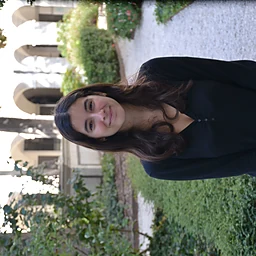
Clara Rios
Under-Secretary-General Communication
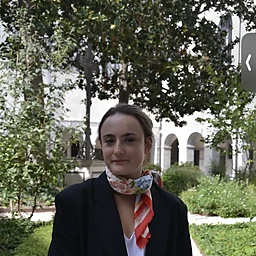
Cléa Fallone
Under-Secretary-General Socials
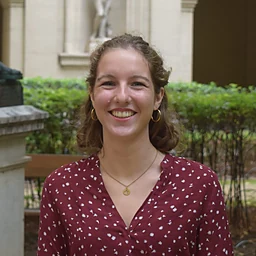
Clémentine Mazet
Deputy Secretary General
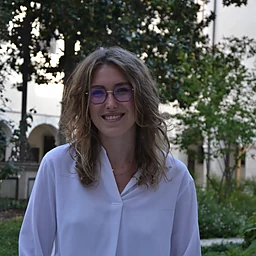
Elisa Sorrel
Under-Secretary-General Registrations
Héloïse Pavoine
Under-Secretary-General Finance
Méane Salomon
Under-Secretary-General Logistics
Mélissa Dassaud-Poyet
Under-Secretary-General Ceremonies
Myriam Kodeih
Deputy Secretary General

More MUN conferences

ConferencesFranceLyonMUN 2024