
Conference
Online
Apr 12–13, 2025
High school and university students
In English
Applications
Closed- DelegatesMar 20 – Apr 12, 2025
- ChairsMar 20 – Apr 6, 2025
About
Here at CriSys mun we hope to encourage skills like group problem solving, individual crisis management, and confident decisive leadership.
Committees

Hungarian Revolution
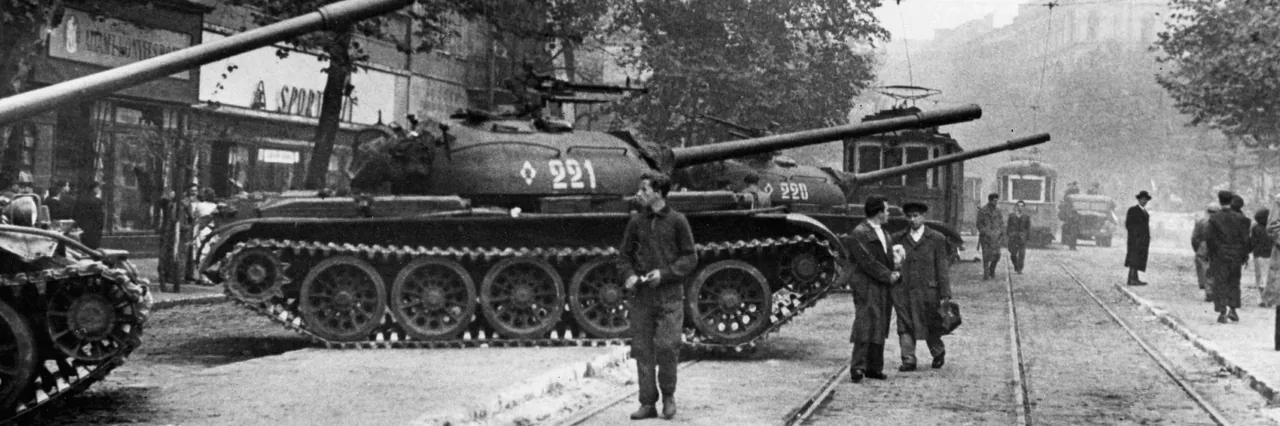
20 seats · Intermediate · EnglishHonorable chairs, esteemed delegates, The 1956 Hungarian Revolution stands as a pivotal moment in the Cold War era, marked by a fierce struggle for national sovereignty and political freedom under the shadow of Soviet influence. Following World War II, Hungary became a Soviet satellite state, subject to harsh Stalinist policies that stifled political dissent and economic stability. Despite some early hopes for reform following the death of Joseph Stalin in 1953, the harsh rule of Mátyás Rákosi and his successor, Ernő Gerő, continued to fuel discontent among the Hungarian people. By October 1956, growing unrest among workers, students, and intellectuals exploded into mass protests, calling for an end to Soviet domination and the implementation of political reforms. The return of Imre Nagy, a reformist leader, as prime minister offered a glimmer of hope for those seeking change, as he promised a shift toward a more independent and democratic Hungary. However, the Soviet Union, determined to maintain control over its Eastern Bloc, intervened militarily to suppress the revolution, resulting in widespread violence and the eventual collapse of the uprising. As we discuss the events surrounding this critical moment in history, let us consider the broader implications of international influence, national self-determination, and the pursuit of political freedom
Organizers

More MUN conferences
OnlineOnline MUN conferences April 2025MUN conferences in April 2025 High school MUNMUN conferences for high school students University MUNMUN conferences for university students
ConferencesOnlineCriSysMUN 2025